Journal of Family Therapy · Family therapy
Are families supported to come to terms with an autism diagnosis? A service evaluation of referrals to family therapy for young people with autism in one NHS trust
What happens to a family once a child’s autism has been diagnosed? At the University of Warwick, Lauren Burton and Claudine Fox went back over two years of referrals to an NHS family therapy service in the Midlands. Nearly three in ten concerned a young person with autism, all with at least one co-occurring difficulty. The finding is clear: after the diagnosis, families are mostly left on their own.
This is a reformatted republication of Are families supported to come to terms with an autism diagnosis? A service evaluation of referrals to family therapy for young people with autism in one NHS trust, by Lauren Burton and Claudine Fox, published in Journal of Family Therapy (Wiley) (2023), doi: 10.1111/1467-6427.12419, under a CC BY 4.0 licence. Prepared by Complexe Systémique in September 2026: the authors’ text is unchanged; the layout has been adapted for reading online, which constitutes a modification of the work under the terms of the licence. Tables are presented as lists. This edition was made neither by the authors nor by the publisher, who are not responsible for its content or for any errors. The original version prevails.
Families received insufficient support following a diagnosis through this Trust.
Lauren Burton and Claudine Fox
Abstract
Young people with autism are increasingly being referred for family therapy (FT) owing to impaired family functioning, but few studies have investigated the support families receive following a diagnosis through specific NHS Trusts. This study examined (1) the proportion of autism cases referred for FT in one Trust and (2) the post-diagnostic support families received. Participants (n = 144; 9.5–19.3 years) were FT referrals between 2019–2020. Autism diagnostic status and the support families received from FT, from the neurodevelopmental (ND) service which specialises in autism, and for co-occurring conditions [e.g., cognitive behavioural therapy (CBT)] was extracted retrospectively from routine data. Forty FT referrals met autism criteria: several families did not receive FT; few were provided with support from the ND service; and if CBT was offered, no adaptations for autism were noted. Families received insufficient support following a diagnosis through this Trust. Implications include improving post-diagnostic support for families in practice.
Practitioner points
- Increasing numbers of young people with autism are being referred for FT owing to difficulties in family functioning.
- A service evaluation showed that families of young people with autism who were referred for FT received insufficient support following a diagnosis in one NHS Trust.
- Several families did not receive FT, few were provided with post-diagnostic support from the ND service, and if CBT was offered there was no mention of adaptation for autism.
- Improved post-diagnostic autism spectrum disorder (ASD) support for families is needed in practice.
INTRODUCTION
Autism spectrum disorder (ASD) is often recognised as a lifelong neurodevelopmental condition with persistent deficits in social communication and repetitive behaviour patterns (American Psychological Association, 2013; Happé & Frith, 2020). Initially considered a rare condition, prevalence estimates of autism in the United Kingdom (UK) have increased dramatically over the last 50 years, from a disorder affecting approximately 0.04% of young people in the late 1960s to almost 2% by 2021 (Happé & Frith, 2020; Lotter, 1966; Roman-Urrestarazu et al., 2021). Some argue that the growing prevalence of this disorder results from the ever-expanding diagnostic criteria of autism since the 1970s and the lack of identification of a neurodevelopmental abnormality in scientific research, which make it difficult to objectively assess if someone has the condition (Happé & Frith, 2020; Timimi, 2021). This has led diagnosing autism in children and adolescents to become a public health issue (Crane et al., 2016; Newschaffer & Curran, 2003), with the National Health Service (NHS) overwhelmed with providing diagnostic assessments for ASD, leaving limited funding for post-diagnostic interventions for families to come to terms with the diagnosis (NHS, 2019). This can lead problems to escalate, causing impaired family functioning (Roughan et al., 2019), and as approximately 70% of young people with autism suffer from a co-occurring condition [e.g., anxiety or attention-deficit hyperactivity disorder (ADHD)] (National Institute for Health Care Excellence, 2013), this can further compound the ability of families to cope (Spain et al., 2017). In response, young people with autism are increasingly being referred to specialist mental health services in the NHS to receive family therapy (FT), which involves family therapists working with the whole family system to manage unhelpful narratives and negative feedback loops that have arisen in the home (Dallos & Draper, 2015; Goepfert et al., 2015; Spain et al., 2017). However, if families were provided with early intervention support through the NHS following a diagnosis, they may not end up requiring a referral for FT. Thus it is important to consider what happens to diagnosed ASD cases that are referred for FT to increase understanding of what support families are receiving through NHS Trusts.
Coming to terms with and managing an ASD diagnosis can put a strain on young people and their families. It is clear from research that family members of young people with autism often experience higher levels of stress, anxiety and depressive symptoms than that of non-clinical populations, with 50% of parents presenting a comorbid mental health problem (McKenzie et al., 2020; Spain et al., 2017). Previous research has also revealed that maternal exposure to trauma and abuse can increase the risk of their offspring developing ASD, which indicates that mental health problems may already be high in this parent group irrespective of their child's autism (Roberts et al., 2014, 2016). This suggests that families with a young individual with ASD are a complex group, and indicates, in accordance with the National Institute for Health Care Excellence (NICE) (2013) guidelines, that there is a need to provide appropriate support for these families. Although family support is necessary, it is likely that this should be provided for all families soon after receiving a diagnosis rather than needing to make a later referral for FT. An early FT intervention that could be offered to ASD families is Systemic Autism-related Family Enabling (SAFE), which was developed by McKenzie et al. (2020) using the evidence-based principles of FT that have been reported to be effective in improving outcomes across a range of conditions (Carr, 2018; Stratton, 2005, 2016) and focusses on improving family communication to enhance family mental wellbeing. There is evidence from a pilot randomised controlled trial to show that providing a group of families with five sessions of SAFE within 12 months after receiving a diagnosis significantly improved parent-rated family functioning compared with a group of controls (McKenzie et al., 2020). This suggests that families could benefit from a FT intervention soon after receiving the young person's ASD diagnosis, and if this is not provided, families may be referred to FT at a later point to receive support.
Another place young people with autism and their families could benefit from receiving support within the NHS is a neurodevelopmental (ND) service. Typically, in NHS Trusts and more widely in the UK, ND services include specialists who are trained to work with individuals with ASD and these services are separate from mental health services which offer support, such as psychological therapy, to improve mental wellbeing and include FT services. ND services focus predominantly on assessing and diagnosing autism through validated parent interviews and observations [e.g., the Autism Diagnostic Interview-Revised (ADI-R) and Autism Diagnostic Observation Schedule-2 (ADOS-2) (Lord et al., 1994, 2012)] and only provide a small amount of post-diagnostic support on an opt-in basis for individuals with a recent diagnosis (e.g., psychoeducation groups for parents to understand what it means to have a child with ASD and telephone clinics); no further assistance is available other than signposting to online resources (Crane et al., 2018; NICE, 2013). As ASD is a lifelong condition with no cure, this lack of involvement can lead parents of young people with autism to feel unsupported and distressed following a diagnosis, which can exacerbate the challenge of managing autism in the home and negatively impact family functioning (Roughan et al., 2019; Solomon & Chung, 2012). Crane et al. (2018) provided evidence to support this view through a qualitative study, which used interviews to attain a rich and in-depth understanding of the perspectives of a group of ten parents of children with ASD regarding the assistance offered following a diagnosis by diagnostic services in the UK. A thematic analysis revealed that one key theme was ‘inadequate post-diagnosis support’, with parents reporting feeling ‘directionless’ and just ‘dumped’ after the diagnosis (Crane et al., 2018, p. 3767). Parents also reported that insufficient emotional support was provided which increased parental stress and compounded the difficulties for families with a young individual with ASD (Crane et al., 2018). This indicates that the specialised services for young people with autism often fail to provide families with the appropriate post-diagnostic support, which, in conjunction with the lack of early family intervention, may result in a later referral for FT treatment.
Children and adolescents with ASD may also benefit from receiving interventions for their co-occurring conditions because for many autistic people it is the comorbid disorders which have the most debilitating impact on their wellbeing and quality of life (Happé & Frith, 2020). According to the NICE (2013) guidelines, the most common co-occurring conditions alongside autism are anxiety, depression, obsessive–compulsive disorder (OCD) and ADHD, of which anxiety is identified as the most prevalent, affecting 40% of young individuals with ASD (van Steensel et al., 2011). As cognitive behavioural therapy (CBT) is recommended as a first-line treatment for anxiety, depression and OCD by NICE, and there is an evidence base for the effectiveness of its use in reducing symptoms of these mental health problems (Butler et al., 2006), young people with autism presenting these comorbid conditions could benefit from receiving CBT (Roughan et al., 2019). There is also evidence for the use of medication to treat all four of these conditions, such as antidepressants for depressive symptoms or stimulants for ADHD (i.e., to help focus attention), which indicates that individuals with ASD could benefit from a referral to receive medication (Bandelow et al., 2012; NICE, 2018; Vaughan et al., 2012). However, if a young person has an autism diagnosis, their comorbid conditions are often labelled as ‘just the autism’ and the individual may be denied a referral to receive extra support (Timimi, 2021). Additionally, if a one-to-one talking therapy such as CBT is employed, it must be adapted to be suitable for someone with autism for them to engage with treatment, such as by employing more concrete language to accommodate for rigid thinking patterns and using visual aids (e.g., pictures or diagrams) owing to the strong visual skills and communication deficits of people with ASD (American Psychological Association, 2013; Flanagan et al., 2015; Mesibov & Shea, 2010). Yet, no specific adapted CBT intervention has been proposed and it has been argued that therapists often lack the necessary awareness of autism to make appropriate adaptations (Cooper et al., 2018; Howlin, 2010). This often leaves comorbid conditions to escalate, which puts an additional strain on the family home and could result in a referral to FT if no early FT support has been provided (Cadman et al., 2012).
The current study is a clinical service evaluation which attempts to extend the previous literature by adopting a descriptive methodology to examine the support families of young children and adolescents with ASD who had been referred for FT received through the NHS. The specific aims were (1) to identify the proportion of young people with a diagnosis of ASD who had been referred to a FT service within a Midlands NHS Trust across a 2-year period and to ascertain the presence of any comorbid conditions and (2) to examine the support these cases received through this NHS Trust (i.e., from the FT service, from the ND service and for the treatment of comorbid conditions). To date, few studies have investigated the proportion of ASD cases that have been referred to a particular FT service and the nature of support these families have received through the NHS, which makes it difficult to improve the delivery of care for families with a young person with autism. Thus, this study could have important clinical implications as it could increase understanding of the assistance that families of young individuals with ASD could benefit from receiving through NHS services to enhance family functioning following a diagnosis.
METHODOLOGY
Participants
A total of 144 children and adolescents (101 females, 43 males; age range = 9.5–19.3 years; M = 15.3, SD = 2.2) who were referred to receive FT within the Trust between January 2019 and December 2020 were considered for inclusion in this service-related report. Inclusion criteria were children and adolescents with a formal diagnosis of ASD as recognised by the NHS and measured in accordance with the Diagnostic and Statistical Manual of Mental Disorders-5 (DSM-5) criteria using a combination of the two gold-standard assessments for diagnosing autism, the ADI-R and ADOS-2 (American Psychological Association, 2013; Lord et al., 1994, 2012). Comorbid conditions were not excluded. As young people with a diagnosis of autism were selected, it was not possible to randomly sample participants, but rather purposive, non-random sampling was employed. Although this could limit external validity, the focus of this service evaluation was not generalisability, but rather clinical implications and identifying ways of improving the quality of care provided by this NHS Trust for families of young people with ASD.
Ethical considerations
In line with the NHS Confidentiality Code of Practice (Department of Health, 2003), each young person (or parent or guardian for individuals with an impaired capacity to provide consent, i.e., participants under 16 years old or with a disability) was fully informed upon entry to the service that some personal information would be recorded for the provision of appropriate care and for inclusion in the publication of clinical evaluations or audits to enhance service provision (Department of Health, 2003). Participants were also notified that clinical evaluations would remain anonymous to promote beneficence and reduce the risk of harm to the young person (British Psychological Society, 2018). Further, to respect each participant's right to confidentiality and to ensure data were stored securely in accordance with the General Data Protection Regulation (GDPR), each young person was assigned a code number in place of their name in the data file. Any identifiable data were only stored on an NHS secure laptop in an encrypted and password-protected file, was not made available to anyone outside of the FT service, and was destroyed after completion of the report.
Design and materials
The design of the study was a retrospective service evaluation. All data employed were collected from an electronic patient record (EPR) for each participant using the NHS system CareNotes from April and May 2021. All information had been recorded previously as part of routine treatment and no additional measures (e.g., interviews or questionnaires) were delivered to the participants. As no formal measures were included, it was not possible to provide information on reliability and validity, but rather the accuracy of the data was dependent on the extent to which client information had been recorded consistently by healthcare professionals and extracted correctly by the first author of this service evaluation.
Procedure
Each referral made to the FT service over a 2-year period was searched individually by the first author of this report by accessing the EPR for each case using the participant's NHS number on CareNotes. Information regarding demographics (e.g., age and sex) and ASD diagnostic status was extracted for all 144 participants to identify referrals with a diagnosis of autism. Once the proportion of FT referrals with an ASD diagnosis had been identified, a second stage of data extraction took place for participants with autism only. Each EPR was accessed for a second time to examine the ASD participants in more detail. The following information was collected: the presence of co-occurring conditions (i.e., anxiety, depression, OCD or ADHD); if the FT referral had progressed to treatment or was considered inappropriate; if the family had received support from the ND service in terms of ASD diagnostic assessments or post-diagnostic support; and if the young person had received treatment for their comorbid conditions through this particular NHS Trust (i.e., CBT or medication). Data were collected by extracting the necessary information and searching for a list of keywords using the Control + F function within the clinical notes for each case (see Appendix 1, Table A1 for list of keyword search terms).
RESULTS
Data analysis
Data were analysed using descriptive statistics because the purpose of the study was to describe a sample of ASD cases from a particular FT service in detail rather than to draw conclusions by making comparisons across time or groups and so inferential statistical significance tests were not performed (Tabachnick & Fidell, 2019). This choice of analysis was also appropriate because the data were categorical in nature: the number of participants falling into each of a distinct number of categories was extracted from each participant's EPR on CareNotes and then tallied up to reach a set of totals (i.e., frequencies) which were converted to proportions using percentages. This produced frequency-based data, which limited the range of analyses that could be performed in comparison to continuous data (i.e., data that can take on any value on a scale from which mean values can be calculated) (Field, 2018).
Proportion of FT referrals with a diagnosis of ASD
The first step was to identify the proportion of referrals to this particular FT service who met diagnostic criteria for autism, in line with the first aim of this service evaluation. Out of the total number of 144 referrals, 40 cases had a formal diagnosis of ASD (see Figure 1 for proportions). There was a relatively even split of diagnosed cases referred each year: nineteen cases were referred in 2019 and twenty-one were referred in 2020. Demographic characteristics for the ASD sample are presented in Table 1.
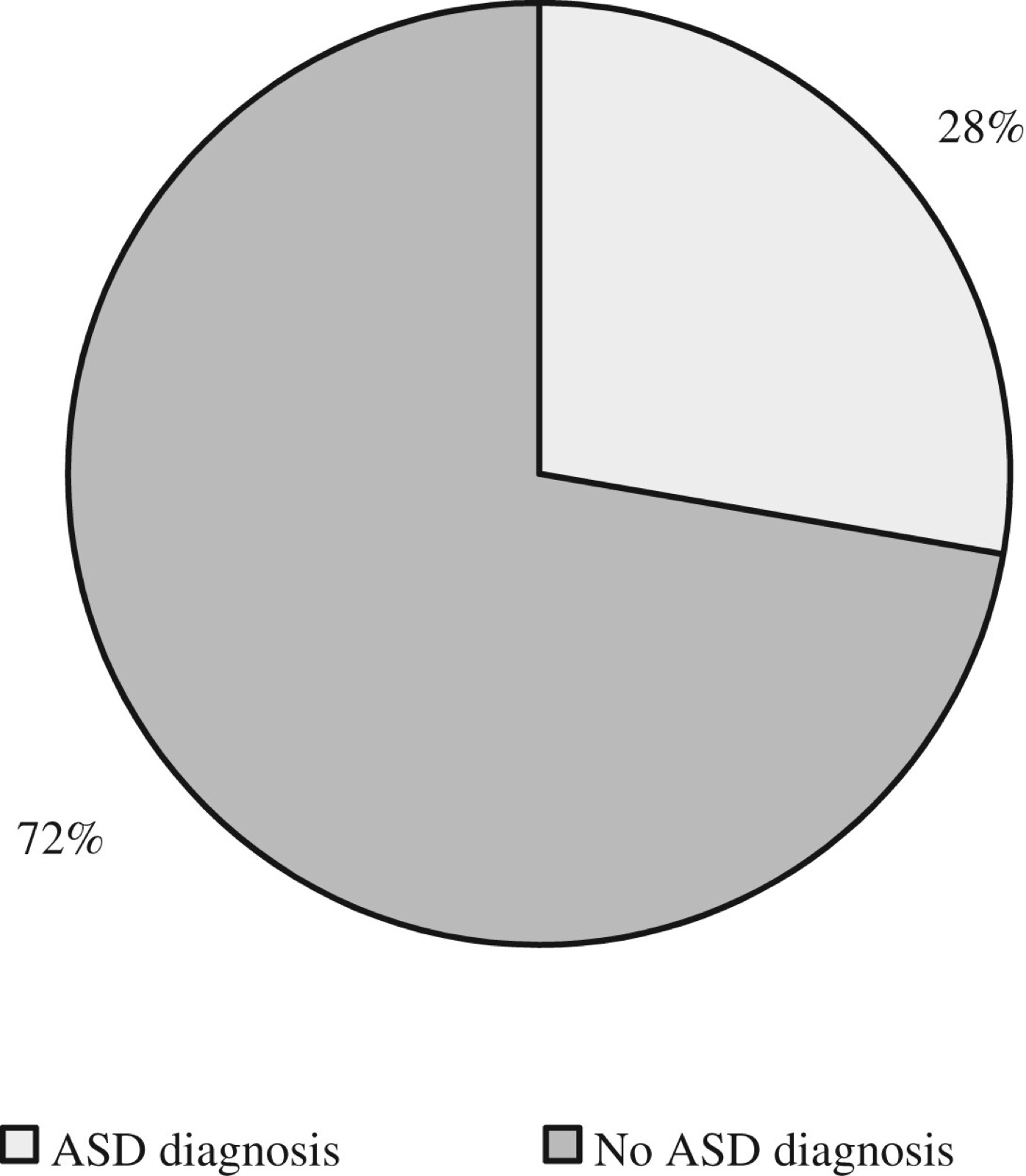
Table 1 — Demographic characteristics of ASD sample (N = 40)
- Age in years (M, SD). 15.6 (2.0).
- Age range in years. 9.5–18.8.
- Sex (n, %). Female: 23 (57.5); male: 17 (42.5).
- Ethnicity (n, %). White British: 29 (72.5); other: 7 (17.5); missing: 4 (10).
Presence of co-occurring conditions in ASD sample
The next step was to further address the first aim of the study by examining the amount of ASD referrals to FT who were recorded as suffering from a co-occurring condition, focussing specifically on anxiety, depression, OCD and ADHD. All ASD cases were reported as having symptoms of at least one co-occurring condition, with 62.5% presenting two or more comorbidities. Anxiety was the most common mental health problem, with 95% of participants reported as exhibiting anxiety symptoms. This was followed by depressive symptoms, which were recorded for 35% of cases, and lastly OCD behaviours, which were reported for 20% of the sample. With respect to ADHD, a comorbid diagnosis was reported for 30% of ASD cases.
Support ASD cases received through the trust
The final stage was to explore the second aim of the project by examining the support the ASD sample had received through this specific NHS Trust from the FT service, from the ND service and for the treatment of coexisting conditions (i.e., CBT or medication).
Support from the FT service
The status of FT treatment was investigated to assess the support families of young ASD individuals had received from the FT service in terms of whether the referral had progressed to treatment or was deemed inappropriate. The results showed that FT treatment had started or was completed for 40% of cases, with a further 22.5% on the waiting list to receive treatment. For the remaining 37.5% of cases, the referral was considered unsuitable, either by the team or the family themselves, and closed by the service.
Support from the ND service
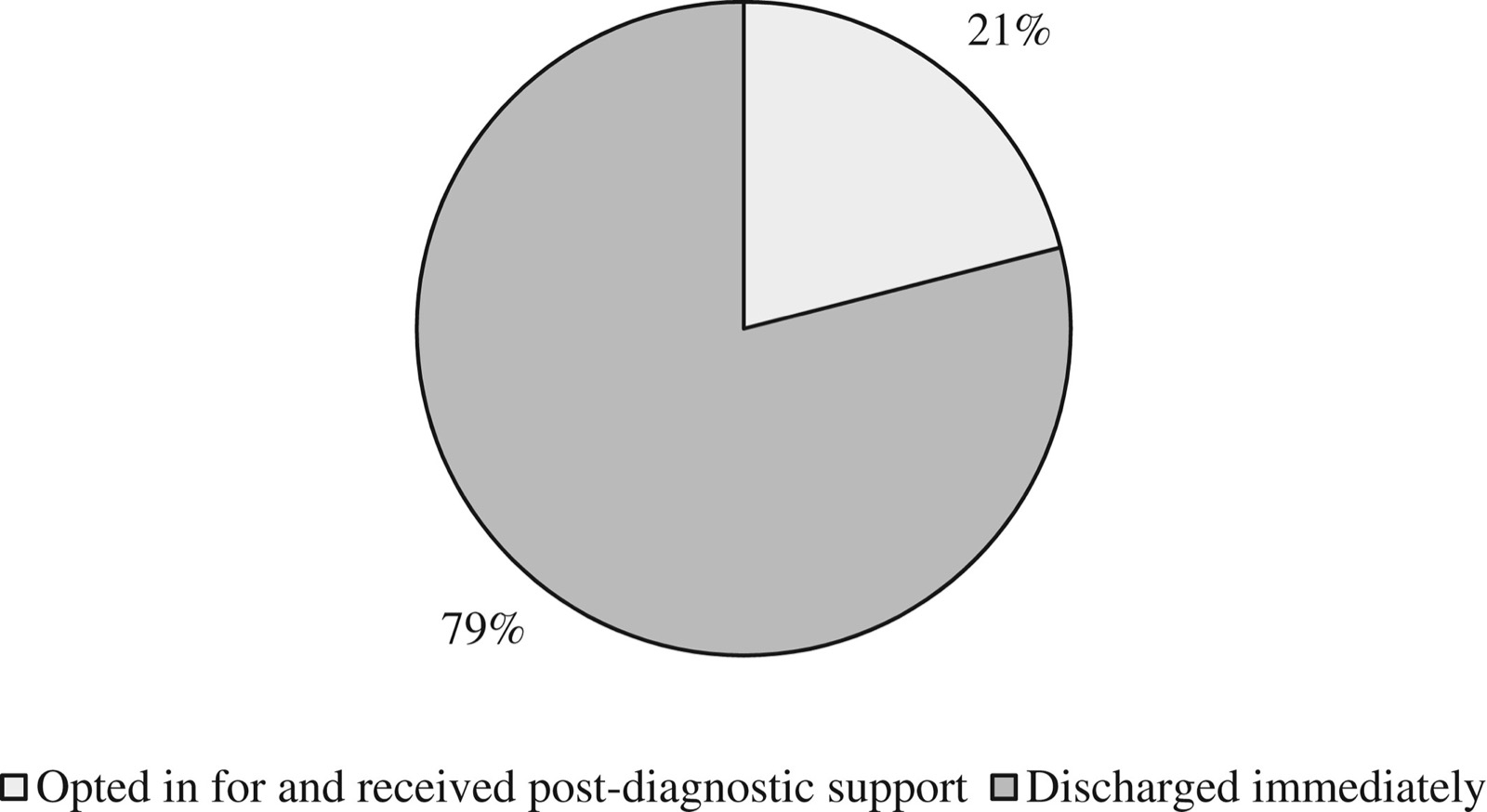
The support the ASD sample received from the ND service in terms of diagnostic assessments for autism or post-diagnostic groups (i.e., psychoeducation groups for parents and telephone clinics) was also examined. Out of the total ASD sample, just under half (n = 19) were diagnosed through the ND service, whilst the remaining twenty-one cases received their diagnosis prior to entry to this specific NHS Trust. Fifteen of the ASD cases that were diagnosed through the ND service were discharged immediately after receiving the diagnosis and only four families opted-in for and received post-diagnostic support (see Figure 2 for proportions). For individuals who were diagnosed elsewhere, only five out of twenty-one families attended a post-diagnostic group through the ND pathway. Thus, only 22.5% of the total ASD sample received support for their diagnosis through this particular ND service.
Support for co-occurring conditions (i.e., CBT or medication)
The number and proportion of the ASD sample who received, or were referred for, CBT or medication for their co-occurring conditions through the Trust were also investigated and are presented in Table 2. Out of the forty FT referrals, 45% of cases were reported as having received or been referred for CBT. Anxiety symptoms were the most common reason for referral, followed equally by depressive symptoms and OCD behaviours (see Table 2). No case notes mentioned the need to adapt CBT for use with ASD. With respect to medication, 60% of the participants were recorded as receiving medication for the treatment of their coexisting conditions: 37.5% received anti-depressants for anxiety, depression or OCD and 22.5% received stimulants for ADHD (see Table 2). Out of the four comorbid conditions examined in this study, ADHD was the most frequent reason for receiving a prescription for medication.
Table 2 — Number and proportion of ASD sample who received or were referred for CBT or medication for the treatment of their co-occurring symptoms (N = 40)
- CBT (n, %). Anxiety symptoms: 8 (20); depressive symptoms: 5 (12.5); OCD behaviours: 5 (12.5); none: 22 (55).
- Medication (n, %). ADHD: 9 (22.5); anxiety symptoms: 7 (17.5); depressive symptoms: 6 (15); OCD behaviours: 2 (5); none: 16 (40).
DISCUSSION
The aim of the present study was to extend the previous literature to examine the proportion of young people with a diagnosis of autism who had been referred to a particular FT service and the support these families received through one NHS Trust. The findings showed that a number of families living with a young person with ASD were referred to receive FT. This forms one of the initial service evaluations to show that a high proportion of ASD cases are being referred to FT services and indicates, in line with the previous literature, that the lack of post-diagnostic support for families to come to terms with a young person's autism diagnosis, in conjunction with the complex mental health backgrounds of these families, can put a strain on family functioning (McKenzie et al., 2020; Roberts et al., 2014; Roughan et al., 2019; Spain et al., 2017). Each of the ASD cases were also reported as suffering from a comorbid condition, with anxiety identified as the most common. This high prevalence of co-occurring conditions is consistent with the pattern of comorbidities identified in existing research (NICE, 2013; van Steensel et al., 2011), although anxiety symptoms were slightly overrepresented in the current sample. As there is evidence in the literature to suggest that the presence of coexisting disorders further compounds the young person's difficulties and exacerbates the pressure on the family home (Cadman et al., 2012), this could explain why many ASD cases in this sample ended up receiving a referral for FT.
It is also clear from the results that the nature of support received by families of young individuals with ASD through this NHS Trust was largely unsuitable. With respect to the FT service, almost as many referrals were considered inappropriate as the number that had started or completed treatment, which indicates that several families could be left without any FT support if they are not routinely offered a FT intervention following an autism diagnosis. A portion of autism cases were also on the FT waiting list, which implies that the FT service is overstretched with balancing the provision of care for both their ASD and non-ASD caseload. The growing prevalence of autism (Happé & Frith, 2020; Roman-Urrestarazu et al., 2021) could further increase pressure on this service if families continue to be referred to FT for support. With regards to the ND service, the findings revealed that an overwhelming majority of ASD individuals who were diagnosed through the service were discharged immediately afterwards, with few families receiving any post-diagnostic support (e.g., psychoeducation groups or telephone clinics). This shows that families received limited assistance from the NHS service that contains specialists who are trained to work with autism, which is consistent with previous evidence that families are often left unsupported following a diagnosis (Crane et al., 2018; Roughan et al., 2019). In terms of the treatment of co-occurring conditions, the results showed that a number of ASD cases received, or were referred for, CBT or medication through this NHS Trust, which contradicts the suggestion in the literature that young individuals with ASD often fail to receive support for their comorbidities owing to their difficulties being recognised as autism rather than another condition (Timimi, 2021). However, there was no mention across the case notes of adapting CBT for use with ASD, which indicates that the participants may not have been able to respond fully to treatment (Cooper et al., 2018; Flanagan et al., 2015; Mesibov & Shea, 2010).
Implications for clinical practice
The results of the current study have important clinical implications as they indicate that young people with autism and their families could benefit from receiving more support through health services, such as NHS Trusts, immediately following a diagnosis. This could enable family members to develop effective coping strategies to manage the young person's autism in the home alongside family mental health problems and reduce the likelihood of a later referral for FT. A possible recommendation would be for ND services to receive additional funding to work not only as diagnostic facilities for autism, but also to include a programme of intervention support for families and the young person after a diagnosis. This could involve delivering a series of follow-up sessions (e.g., psychoeducation) to assist families to come to terms with and understand the child's diagnosis, rather than offering post-diagnostic support solely on an opt-in basis. As ASD individuals often experience difficulty with changes in routine (American Psychological Association, 2013), this consistency of the same service with the same professionals could alleviate distress in the young person.
A programme of early intervention FT support, such as SAFE (McKenzie et al., 2020), could also be offered to families soon after a diagnosis to improve communication between family members and enhance family functioning. If more early support for families was provided, this could reduce later pressure on FT services. It could also be important for health services in the UK to carefully consider which services would provide this post-diagnostic FT support. A possible option could be to extend ND services to include a group of family therapists who are trained to deliver FT interventions (e.g., SAFE) to ASD families as part of routine practice following a diagnosis. Further, as the NHS is overwhelmed with ASD assessments, families could also benefit from some pre-diagnostic FT support while they are waiting, to either identify families for which an ASD diagnosis could be unsuitable to help reduce the growing prevalence of the disorder, or to assist families in understanding how to adjust family patterns to accommodate a possible autism diagnosis.
An additional implication for clinical practice is that if young individuals with ASD are referred to receive mental health support for a co-occurring condition, they could benefit from having access to specialised support for people with ASD. A particular recommendation would be for health professionals, such as psychologists, to receive training in how to adapt CBT for use with young people with ASD to accommodate for their particular strengths (e.g., visual skills) and deficits (e.g., communication impairments) (American Psychological Association, 2013; Flanagan et al., 2015; Mesibov & Shea, 2010). This could enhance the ability of individuals with autism to engage with treatment and alleviate their co-occurring difficulties which are reported to put an additional strain on the family home (Cadman et al., 2012).
Limitations and future research
It is also important to consider limitations of this service evaluation. One criticism is that the focus of this study was to examine autism referrals to a FT service within one specific NHS Trust, which makes it difficult to know if the proportion of referrals and the pattern of ASD treatment parallels with other NHS settings. Further studies should be performed across other NHS Trusts to ascertain if the clinical implications and recommendations for ASD support are similar. The present study also included FT referrals made during the Coronavirus (COVID-19) pandemic and so the proportions and pattern of treatment might differ at another time period. In fact, it has been argued that young people with ASD suffered from increased anxiety during the first UK lockdown (National Autistic Society, 2020), so it is possible that COVID-19 could explain the inflated proportion of co-occurring anxiety in the present sample. In addition, it was difficult to ascertain from each participant's case notes if their co-occurring conditions were a formal secondary diagnosis or just symptoms of another disorder, which indicates that the proportion of comorbidities in the study should be interpreted with caution. This has a recommendation for service provision as it suggests that healthcare professionals should explicitly state formal diagnoses in clinical reports. A further limitation is that the families of the young people with ASD in this study were not interviewed so their perspective of the support offered following a diagnosis is missing from this evaluation. Future studies should consider conducting in-depth qualitative interviews with families of young individuals with ASD who have been referred to receive FT to consider how they experienced the support received following a diagnosis.
CONCLUSION
This study extends the previous literature as it forms one of the initial service evaluations to examine the support families of young people with autism who had been referred to FT received through one NHS Trust. The findings clearly show that a large proportion of families with young individuals with ASD were referred to FT, and that out of these referrals, a number did not receive FT, few families were provided with post-diagnostic support from the specialist ND service, and if CBT was offered there was no mention of adapting therapy for use with autism. Thus, it is possible to conclude that families with a young individual with ASD were provided with insufficient support following their child's autism diagnosis. This has important clinical implications for improving the post-diagnostic ASD support provided for families in practice to reduce the impact of autism on the family system and FT services in health services, such as the NHS.
APPENDIX 1
Table A1 — List of keyword terms for searching the clinical notes of each participant
- Autism, autistic, or ASD
- Attention deficit hyperactivity disorder, attention, hyperactive, hyperactivity, or ADHD
- Anxiety, anxieties, or anxious
- Depression, depressive, or depress
- Obsessive–compulsive disorder, obsess, compulsion, compulsive, or OCD
- Family therapy, family therapist, or FT
- Neurodevelopment, neuro, or ND
- Medication or medicine
- Cognitive behavioural therapy or CBT
Complexe Systémique: key points
The value of this service evaluation lies in its very concrete question: what becomes of a family once an autism diagnosis has been made? In this NHS trust, nearly three in ten young people referred to family therapy had an ASD diagnosis, all with at least one co-occurring difficulty, most often anxiety. Yet the specialist service makes the diagnosis and then closes most cases, and the CBT offered is never described as adapted for autism. Read systemically, a trajectory takes shape: without support at the moment the family has to reorganise its stories and rules around the diagnosis, tensions settle in and the request comes back later, heavier, as a referral to family therapy. The study argues for family time from the moment of diagnosis, or even during the wait. One may regret that the families themselves were not interviewed, and that the text raises without discussing it the idea of identifying families “for which an ASD diagnosis could be unsuitable”. The limits lie in the material: records only, a single trust, two years marked by the pandemic. Read alongside the article on structural family therapy for neurodiverse families, and the article on parents’ voiceless anger around an autism diagnosis.
Notes from the original
Acknowledgments. This service evaluation was conducted as part of a MSc in Clinical Applications of Psychology undertaken by the first author at the University of Warwick. The evaluation was completed during the 6-month NHS research placement as part of the programme. Results have been disseminated to the NHS Trust.
Funding information. This service evaluation was partially funded by the University of Warwick through a scholarship awarded to the first author.
Conflict of interest. The authors have no conflict of interest to disclose.
Ethics approval. This service evaluation was conducted in accordance with the NHS Confidentiality Code of Practice (2003). (A detailed description of ethical considerations is noted on page 6 of the manuscript.)
References
American Psychological Association. (2013) Diagnostic and statistical manual of mental disorders: DSM-5, 5th edition. Arlington, VA: American Psychiatric Publishing.
Bandelow, B., Sher, L., Bunevicius, R., Hollander, E., Kasper, S., Zohar, J. et al. (2012) Guidelines for the pharmacological treatment of anxiety disorders, obsessive-compulsive disorder and posttraumatic stress disorder in primary care. International Journal of Psychiatry in Clinical Practice, 16(2), 77–84. https://doi.org/10.3109/13651501.2012.667114
British Psychological Society. (2018). BPS code of ethics. Leicester: The British Psychological Society. Available from: https://www.bps.org.uk/news-and-policy/bps-code-ethics-and-conduct [Accessed 16th March 2022].
Butler, A.C., Chapman, J.E., Forman, E.M. & Beck, A.T. (2006) The empirical status of cognitive-behavioral therapy: a review of meta-analyses. Clinical Psychology Review, 26(1), 17–31. https://doi.org/10.1016/j.cpr.2005.07.003
Cadman, T., Eklund, H., Howley, D., Hayward, H., Clarke, H., Findon, J. et al. (2012) Caregiver burden as people with autism spectrum disorder and attention-deficit/hyperactivity disorder transition into adolescence and adulthood in the United Kingdom. Journal of the American Academy of Child & Adolescent Psychiatry, 51(9), 879–888. https://doi.org/10.1016/j.jaac.2012.06.017
Carr, A. (2018) Family therapy and systemic interventions for child-focused problems: the current evidence base. Journal of Family Therapy, 41(2), 153–213. https://doi.org/10.1111/1467-6427.12226
Cooper, K., Loades, M.E. & Russell, A.J. (2018) Adapting psychological therapies for autism - therapist experience, skills and confidence. Research in Autism Spectrum Disorders, 45, 43–50. https://doi.org/10.1016/j.rasd.2017.11.002
Crane, L., Chester, J.W., Goddard, L., Henry, L.A. & Hill, E. (2016) Experiences of autism diagnosis: a survey of over 1000 parents in the United Kingdom. Autism, 20(2), 153–162. https://doi.org/10.1177/1362361315573636
Crane, L., Batty, R., Adeyinka, H., Goddard, L., Henry, L.A. & Hill, E.L. (2018) Autism diagnosis in the United Kingdom: perspectives of autistic adults, parents and professionals. Journal of Autism and Developmental Disorders, 48(11), 3761–3772. https://doi.org/10.1007/s10803-018-3639-1
Dallos, R. & Draper, R. (2015) An introduction to family therapy: systemic theory and practice, 4th edition. London: McGraw-Hill Education.
Department of Health. (2003) Confidentiality: NHS code of practice. London: Department of Health. Available from: https://www.gov.uk/government/publications/confidentiality-nhs-code-of-practice [Accessed 16th March 2022].
Field, A.P. (2018) Discovering statistics using IBM SPSS statistics, 5th edition. London: SAGE.
Flanagan, R., Allen, K. & Levine, E. (2015) Cognitive and behavioral interventions in the schools: integrating theory and research into practice. New York: Springer.
Goepfert, E., Mulé, C., von Hahn, E., Visco, Z. & Siegel, M. (2015) Family system interventions for families of children with autism spectrum disorder. Child and Adolescent Psychiatric Clinics, 24(3), 571–583. https://doi.org/10.1016/j.chc.2015.02.009
Happé, F. & Frith, U. (2020) Annual research review: looking back to look forward – changes in the concept of autism and implications for future research. Journal of Child Psychology and Psychiatry, 61(3), 218–232. https://doi.org/10.1111/jcpp.13176
Howlin, P. (2010) Evaluating psychological treatments for children with autism-spectrum disorders. Advances in Psychiatric Treatment, 16(2), 133–140. https://doi.org/10.1192/apt.bp.109.006684
Lord, C., Rutter, M. & Le Couteur, A. (1994) Autism diagnostic interview-revised: a revised version of a diagnostic interview for caregivers of individuals with possible pervasive developmental disorders. Journal of Autism and Developmental Disorders, 24(5), 659–685. https://doi.org/10.1007/BF02172145
Lord, C., Luyster, R., Gotham, K. & Guthrie, W. (2012) Autism diagnostic observation schedule-2 (ADOS-2), 2nd edition. Torrance, CA: Western Psychological Services.
Lotter, V. (1966) Epidemiology of autistic conditions in young children. Social Psychiatry, 1(3), 124–135.
McKenzie, R., Dallos, R., Stedmon, J., Hancocks, H., Vickery, P.J., Barton, A. et al. (2020) SAFE, a new therapeutic intervention for families of children with autism: a randomised controlled feasibility trial. BMJ Open, 10(12), 1–11. https://doi.org/10.1136/bmjopen-2020-038411
Mesibov, G.B. & Shea, V. (2010) The TEACCH program in the era of evidence-based practice. Journal of Autism and Developmental Disorders, 40(5), 570–579. https://doi.org/10.1007/s10803-009-0901-6
National Autistic Society. (2020) Left stranded: the impact of coronavirus on autistic people and their families in the UK. London: NAS. Available from: https://www.autism.org.uk/what-we-do/news/coronavirus-report [Accessed 16th March 2022].
National Institute for Health Care Excellence. (2013) Autism spectrum disorder in under 19s: support and management. London: NICE. Available from: https://www.nice.org.uk/guidance/cg170 [Accessed 16th March 2022].
National Institute for Health Care Excellence. (2018) Attention deficit hyperactivity disorder: diagnosis and management. London: NICE. Available from: https://www.nice.org.uk/guidance/ng87 [Accessed 16th March 2022].
Newschaffer, C.J. & Curran, L.K. (2003) Autism: an emerging public health problem. Public Health Reports, 118(5), 393–399. https://doi.org/10.1093/phr/118.5.393
NHS. (2019) The NHS long term plan. London: National Health Service (NHS). Available from: https://www.longtermplan.nhs.uk/ [Accessed 16th March 2022].
Roberts, A.L., Koenen, K.C., Lyall, K., Ascherio, A. & Weisskopf, M.G. (2014) Women's posttraumatic stress symptoms and autism spectrum disorder in their children. Research in Autism Spectrum Disorders, 8(6), 608–616. https://doi.org/10.1016/j.rasd.2014.02.004
Roberts, A.L., Lyall, K., Rich-Edwards, J.W., Ascherio, A. & Weisskopf, M.G. (2016) Maternal exposure to intimate partner abuse before birth is associated with autism spectrum disorder in offspring. Autism, 20(1), 26–36. https://doi.org/10.1177/1362361314566049
Roman-Urrestarazu, A., van Kessel, R., Allison, C., Matthews, F.E., Brayne, C. & Baron-Cohen, S. (2021) Association of race/ethnicity and social disadvantage with autism prevalence in 7 million school children in England. JAMA Pediatrics, 175(6), e210054. https://doi.org/10.1001/jamapediatrics.2021.0054
Roughan, L.A., Parker, J.R. & Mercer, L. (2019) Improving interventions for parents of children and young people with autism spectrum disorder (ASD) in CAMHS. BMJ Open Quality, 8(2), 1–6. https://doi.org/10.1136/bmjoq-2017-000261
Solomon, A.H. & Chung, B. (2012) Understanding autism: how family therapists can support parents of children with autism spectrum disorders. Family Process, 51(2), 250–264. https://doi.org/10.1111/j.1545-5300.2012.01399.x
Spain, D., Sin, J., Paliokosta, E., Furuta, M., Prunty, J.E., Chalder, T. et al. (2017) Family therapy for autism spectrum disorders. The Cochrane Database of Systematic Reviews, 5(5), 1–35. https://doi.org/10.1002/14651858.CD011894.pub2
Stratton, P. (2005) Report on the evidence base of systemic family therapy. London: Association for Family Therapy.
Stratton, P. (2016) The evidence base of family therapy and systemic practice. London: Association for Family Therapy and Systemic Practice UK.
Tabachnick, B.G. & Fidell, L.S. (2019) Using multivariate statistics, 7th edition. Boston, MA: Pearson.
Timimi, S. (2021). Insane medicine: how the mental health industry creates damaging treatment traps and how you can escape them. London: Independently Published.
van Steensel, F.J.A., Bögels, S.M. & Perrin, S. (2011) Anxiety disorders in children and adolescents with autistic Spectrum disorders: a meta-analysis. Clinical Child and Family Psychology Review, 14(3), 302–317. https://doi.org/10.1007/s10567-011-0097-0
Vaughan, B.S., March, J.S. & Kratochvil, C.J. (2012) The evidence-based pharmacological treatment of paediatric ADHD. International Journal of Neuropsychopharmacology, 15(1), 27–39. https://doi.org/10.1017/S1461145711000095
Reformatted republication of Are families supported to come to terms with an autism diagnosis? A service evaluation of referrals to family therapy for young people with autism in one NHS trust, by Lauren Burton and Claudine Fox, Journal of Family Therapy, vol. 45, no 2 (2023), doi: 10.1111/1467-6427.12419, under a CC BY 4.0 licence. Edition and layout: Complexe Systémique, September 2026 — the work has been modified under the terms of the licence (tables presented as lists). Neither the authors nor the publisher are responsible for this edition; the original version prevails.
This is the original article “Are families supported to come to terms with an autism diagnosis? A service evaluation of referrals to family therapy for young people with autism in one NHS trust”, published in Journal of Family Therapy (2023) under a CC BY 4.0 licence. Republished by Complexe Systémique: the author’s text is unchanged; only the presentation has been adapted for reading online, as set out at the head of this page.
Read the original articleHow to cite this article
Burton, L., et Fox, C. (2023). Are families supported to come to terms with an autism diagnosis? A service evaluation of referrals to family therapy for young people with autism in one NHS trust. Complexe Systémique. https://app.complexe-systemique.com/en_GB/articles/are-families-supported-to-come-to-terms-with-an-autism-diagnosis (Original work published in 2022 in Journal of Family Therapy, 45(2), 154-166 (2023); republished in 2023 by Journal of Family Therapy, https://onlinelibrary.wiley.com/doi/full/10.1111/1467-6427.12419)
To go further
- SFT for ASD: A systemic intervention for neurodiverse familiesA therapy designed for autism.
- Anger without a voice, anger without a solution: Parent–child triadic processes and the experience of caring for a child with a diagnosis of autismWhat the diagnosis does to parents.
- Brief Narrative Family Therapy and Autism Spectrum Disorder: A Neuro-Informed InterventionA brief, narrative response.
Related training courses
 Certifying course
Training in Systemic Therapy and Interventions – Cycle 1
Certifying training cycle in systemic therapy and interventions – year 1. Courses, supervision and practice, aligned with EFTA/SFTF. In French.
 Certifying course
Training in Systemic Therapy and Interventions – Cycle 2
Certifying training cycle in systemic therapy and interventions – year 2. Clinical complexity, supervision and practice. EFTA/SFTF aligned. In French.
 Certifying course
Training in Systemic Therapy and Interventions – Cycle 3
Certifying training cycle in systemic therapy and interventions – year 3. In-depth intervention, supervision and practice. EFTA/SFTF aligned. In French.
 Certifying course
Training in Systemic Therapy and Interventions – Cycle 4
Certifying training cycle in systemic therapy and interventions – year 4. Clinical integration, supervision and certification. EFTA/SFTF. In French.
Related articles
 Article
 Toxic, narcissistic, borderline: what therapy speak does to your relationships
Narcissistic, borderline, toxic: therapy speak has left the consulting room. Julien Besse shows how these labels close the debate and relieve us of our own part.
 Article
 Relational Therapy in Post‐Incarceration Reentry: A Scoping Review
What does the literature say about relational therapy after prison? A review of 19 articles: decisive family bonds, almost no tested model, nothing on couples.
 Article
 Redefining Grandparenting in Autism: A Qualitative Study of Emotional Experience and Role of Grandparents
Ten grandparents of autistic children describe grief, anger and hope, and a reinvented role: scaffolding, supporting their child, training, asking for help.
 Article
 Multi‐Family Therapy in East and Southeast Asia—A Systematic Review and Meta‐Synthesis
17 studies in China, Hong Kong and Singapore: multi-family therapy mainly improves symptoms, but families describe a relational change that scales capture poorly.