Australian and New Zealand Journal of Family Therapy · Family therapy
Culturally Safe Integrative Systemic Therapy for First Nations Families Living with Borderline Personality Disorder
Keira, nineteen, carries a diagnosis of borderline personality disorder and the history of a grandmother taken from her family. In an Aboriginal Medical Service in Australia, Jessy Thompson brings together Bowen theory, narrative therapy and dialectical behaviour therapy, supported by Aboriginal colleagues. The model rests as much on culture as on technique: cultural safety, a team without hierarchy, a return to ancestral country.
This is a reformatted republication of Culturally Safe Integrative Systemic Therapy for First Nations Families Living with Borderline Personality Disorder, by Jessy Thompson, published in Australian and New Zealand Journal of Family Therapy (Wiley) (2022), doi: 10.1002/anzf.1479, under a CC BY 4.0 licence. Prepared by Complexe Systémique in September 2026: the authors’ text is unchanged; the layout has been adapted for reading online, which constitutes a modification of the work under the terms of the licence. This edition was made neither by the authors nor by the publisher, who are not responsible for its content or for any errors. The original version prevails.
Neutrality is not sufficient when the client is faced with oppression, injustice, inequality, and inequity in their everyday life.
Jessy Thompson
Abstract
This paper proposes a culturally safe integrative systemic model for supporting First Nations people with borderline personality disorder (BPD). Firstly, this paper examines BPD from a systemic perspective by observing its impact on family and therapeutic systems. An overview of the empirical evidence for integrative systemic therapy demonstrates its suitability for working with BPD, particularly when combining systemic, psychodynamic, and cognitive-behavioural paradigms. A case example illustrating a client's journey using the proposed model is presented to explain how elements of Bowen family systems therapy, narrative therapy, and dialectical behaviour therapy are blended with cultural components to form a culturally safe integrative systemic approach. An initial evaluation demonstrated positive preliminary therapeutic outcomes, with the main strengths being the cultural additions and the mitigation of power struggles in the treatment and family systems that are reported in the literature as detrimental to BPD interventions. Limitations concerning the practicality of replication in mainstream settings are noted, particularly where full cultural safety may be more difficult to achieve. The paper suggests that integrative systemic approaches combined with cultural elements may be effective when supporting First Nations families living with BPD. Finally, this is currently the only integrative culturally safe therapeutic approach proposed for this cohort, making it unique given the overall paucity of empirical evidence in the field.
Key Points
- This paper proposes a trauma-informed culturally safe integrative therapy model for First Nations clients with borderline personality disorder (BPD).
- Cultural safety was achieved by working closely with Aboriginal colleagues and accounting for contextual and historical factors pertinent to First Nations families. It involved combining cultural knowledge, cultural competence, and cultural responsiveness into a dynamic process that constantly oscillated from listening, to reflecting, to gaining experience, and taking action.
- The overarching principle driving this approach is that issues experienced as a consequence of BPD relate to poor differentiation of self. Individuals are flooded with emotions, rendering them unable to function intellectually. Lacking distress tolerance and emotional regulation skills further perpetuate dysfunctional family emotional processes.
- Combining cultural components with Bowen family systems therapy, the political cast and social constructionist foundation of narrative therapy, and the skills training of dialectical behaviour therapy into a single holistic model can be very useful in the treatment of BPD with First Nations families.
Borderline Personality Disorder in First Nations People
As a direct consequence of colonial trauma, First Nations families are reported to experience psychological distress and mental health concerns at a higher rate than the general population (Dudgeon, Milroy, Walker, & Calma, 2014). While complex trauma is believed to be causally linked to certain mental health conditions such as BPD (Luyten, Campbell, & Fonagy, 2019), very little is known with regards to actual prevalence in First Nations families. Although the importance of understanding the contextual, social, and historical factors impacting First Nations people with a diagnosis of borderline personality disorder (BPD) has been documented in the literature (Fromene & Guerin, 2014; Fromene, Guerin, & Krieg, 2014), further published information on the topic is scarce. Such presentations may more commonly be referred to as ‘complex trauma’ in clinical settings; perhaps as a way of avoiding labels that further perpetuate stigma in a group that has been highly marginalised, or perhaps because the topic has received very little attention. Despite this, the prevalence of BPD has been documented globally, across many different countries and cultures, with similar borderline aetiology, symptoms and presentations (Ikuta et al., 1994; Mors, 1988). Although research shows that BPD is an internationally recognised disorder, variations in symptom prevalence based on culture has also been identified (Jani, Johnson, Banu, & Shah, 2016). This indicates the possibility of cross-cultural bias in terms of identification and diagnosis.
The Diagnostic and Statistical Manual of Mental Disorders (5th ed.; DSM–5; American Psychiatric Association, 2013) defines the presentation of BPD as a pervasive pattern of instability in interpersonal relationships, self-image, and affect. Typical experiences include efforts to avoid relational abandonment and reduce separation anxiety, a history of intense and unstable interpersonal relationships (e.g., often oscillating between idealisation and devaluation), identity disturbances, destructive acting-out behaviours (e.g., suicidality, substance use, promiscuity), affective instability brought on by emotional reactivity, persistent feelings of emptiness, and intense often poorly modulated emotional regulation (e.g., frequent dramatic crises). General literature on the topic clearly identifies the systemic influences in BPD's predisposing, precipitating, and perpetuating factors. For example, BPD is more likely to develop when formative years are spent in dysfunctional attachment disordered family settings (Kernberg, 1984). In addition, ongoing crises are frequently relational in nature, or at the very least present as emotional reactions to stress brought on by relational discord (Gunderson & Lyoo, 1997). When mapped these BPD difficulties present both horizontally across the immediate family and vertically across the generations (Allen, 2004).
The Interaction between BPD and the Family and Therapeutic Systems
Often, people who carry a diagnosis of BPD come from families with traumatic backgrounds. Frequently, the texture of trauma is repeated throughout the generations (Allen, 2004). Generally, issues such as alcohol/substance use, physical/sexual abuse, neglect, and mental illness often render the family unable to cope with their lives. Transgenerational presentations have also been noted, secondary to undiagnosed and untreated parental personality disorders, or other mental health concerns such as depressive disorder (Links & Munroe-Blum, 1990; Paris, 1994). Having a parent with a major mental illness can alter their offspring's perceptions of healthy and safe relationships (Tadros, Cappetto, & Kaur, 2019). The families of individuals with BPD indicate they are frequently overburdened and overwhelmed and have major difficulty coping with the intense emotional reactions and behaviours that define the condition (Mitton & Links, 1996). Conflict and strained relationships are often part of the difficulties families experience, as well as witnessing traumatic destructive acting-out behaviours in the BPD family member (Gunderson, Berkowitz, & Ruiz-Sancho, 1997). The literature also suggests that, in general, these families lack understanding concerning BPD and frequently report feeling excluded from the treatment process (MacFarlane, 2004a, b).
Dysfunctional family dynamics, and interactional processes and patterns contribute equal parts in the display of emotional and behavioural reactivity in the person with BPD. In addition, the concept of either under-involved or over-involved parental figures is highlighted as relevant in the literature (Berkowitz & Gunderson, 2002), with excessive criticism, hostility, cut-offs, and fusion often being some of the reasons behind acting-out behaviours. These dysfunctional family processes can also create invalidating home environments resulting in vulnerability and sensitivity for the person with BPD, as they grow up feeling their emotional responses were erroneous (Allen & Farmer, 1996). Reactive emotional cut-off in BPD tends to occur when family members are perceived as non-supportive or threatening (Lawson, 2004). This, paired with hostile enmeshment and poor differentiation results in the ‘push-pull’ observed in interpersonal relationships, rendering them unstable over time, compromising individuality and autonomy.
The theme of strained relationships also extends to the clinical services supporting the person with BPD (Giffin, 2008). The risk of boundary transgressions, professional and ethical dilemmas, as well as chaotic transference can quickly overwhelm the therapeutic system. People with BPD often push boundaries in therapy, testing the staying power and commitment of the therapist and support team (Kreisman & Kreisman, 2004). Power inequity and hostility between clinical and family systems can also significantly impact treatment outcomes (Choi, 2018). The medical model that governs mental health services assigns all treatment management decisions to psychiatrists, sometimes with very little consultation with the client and their family (Dunne & Roger, 2011). In addition, power imbalances within the actual treating team due to rigid vertical hierarchy can also contribute to further disempowerment for the person with BPD and their family (Choi, 2018). Allen (2004, p.138) reinforces the idea that services can at times unknowingly replicate ‘the fragmentation, inconsistency, untrustworthiness and intrusion that may have characterized these service users' early experiences.’
Isomorphism is likely secondary to difficulty supporting such clients because of their complexities and the arduous task of managing transference, which is often reflective of regressive projections of previous, or current, toxic relationships onto that of the therapeutic relationship (Kreisman & Kreisman, 2004). Therapeutic relationships are then tested, and services may become defensive, blame the client in a similar pattern to that occurring at home, resulting in severe ruptures. These processes reinforce the sense of abandonment that people with BPD fear. Self-sabotage and impulsive reactive behaviours are observed; the ‘firing’ of the support team occurs in a similar way to how the degraded family member is cut off.
Integrative Systemic Approaches for the Treatment of BPD
Given the diversity of Aboriginal knowledge systems and the sense of collectivism, particularly concerning the role of family and community, systemic paradigms are an ideal foundation for therapeutic work. Though there is currently no published evidence supporting the use of systemic therapy with First Nations people with personality disorders, narrative therapy is commonly used for concerns with social and emotional wellbeing (Wingard, Johnson, & Drahm-Butler, 2015). More generally, while singular forms of family therapy have a reputation for being largely ineffective in the treatment of personality disorders, over the past 20 years, positive outcomes for the use of integrative systemic approaches for BPD have emerged (MacFarlane, 2004a, b). Modern day family treatment approaches for BPD are typically multidimensional and integrative, often combining systemic concepts with elements drawn from different paradigms such as biological, pharmacological, psychodynamic, and cognitive behavioural (MacFarlane, 2004a, b). Integrative therapy is described as a progressive practice that blends different therapeutic approaches, as well as their tools and techniques, which are then adjusted to fit the needs of the individual client (Zarbo, Tasca, Cattafi, & Compare, 2015). Certain integrative approaches involve full ‘electism’ (drawing from a variety of different models in equal measures), whilst others opt for ‘selective borrowing,’ allowing the therapist to follow their own preferred model while making occasional use of techniques from other approaches (Nichols, 2011). Integrative systemic approaches are useful because they offer greater flexibility and result in higher treatment efficacy (Norcross & Goldfried, 2005).
Integrative systemic therapy (IST) is one such model that has successfully been used in the treatment of personality disorders (MacFarlane, 2004a, b). Here, systemic therapy is integrated with elements of psychodynamic, cognitive-behavioural, interpersonal, and psychobiological approaches. Additionally, IST utilises a social constructivist perspective paired with a narrative lens (White & Epston, 1990). With core features based on the work of Boscolo, Cecchin, Hoffman, and Penn (1987), the primary method of intervention includes ‘interventive interviewing’ (Tomm, 1984); change then occurs through the process of circular and reflective questioning. Similarly, Unified Therapy (Allen, 2017) also offers a treatment model for BPD that integrates elements of psychodynamic, cognitive-behavioural, and family systems theories. Techniques from experiential and existential therapies are also incorporated into the therapeutic model. The premise behind Unified Therapy is that BPD develops in response to the patient's parents experiencing severe psychodynamic conflict over the parenting role and that reoccurring interactional processes within the family of origin act as triggers to acting-out behaviours.
A further model combining family treatment with cognitive behavioural therapy (CBT) has also been documented (Kreisman & Kreisman, 2004). This model postulates that in a family system, all members experience events within a context particular to their roles. Thus, each family member is impacted by the actions and behaviours of others in different ways. By using a systemic lens when observing family members' interactional processes and the role they play in crises, therapeutic work is then bolstered by blending psycho-education and elements of CBT. For example, particular effort is put into cognitive restructuring in an attempt to develop better interactive patterns.
Psychoanalytic object-relations paradigms have also successfully been applied to the marital therapy of couples with personality disorders (McCormack, 2004). This approach assumes that we relate to others based on expectations formed by our early experiences, which left us with internal objects (interpretations about ourselves and others). McCormack (2004) believes that personality-disordered marriages are frequently undifferentiated, polarised, and complementary part-self and part-object relationships. The therapeutic process involves a fluid shift between a systemic interpersonal focus of spouse-to-spouse relatedness and the generation of transference; as well as an intrapsychic focus via the use of separate therapist-and-spouse dyadic interactions, allowing for the processing of each spouse's transference. The aim is to help the couple to understand their basic motives and resolve conflict concerning their need for secure attachment. Similarly, Lord (2007) provides an approach that integrates psychodynamic and systemic elements for the treatment of BPD, and highlights the importance of engaging the treating team as participants in a reparative relational system that aims to contain anxiety and hold the client so they can engage more effectively in the therapeutic process. Furthermore, this model views BPD through a trauma lens and calls for a relational element to therapy which helps to establish a sense of safety that the person needs for stability, and the reduction of crises and destructive acting-out behaviours.
A model developed specifically for mothers with BPD blends Bowen family systems therapy with eye movement desensitisation and reprocessing (EMDR; Lawson, 2004). The goal of treatment is to increase differentiation of self and reduce separation anxiety and fear of abandonment. A genogram is used to present and discuss family information in the context of relational patterns and processes. Particular attention is paid to separation and individuation, differentiation and fusion. Process questions are used to encourage deep reflection on these factors. EMDR is then integrated, which activates rapid communication between each hemisphere of the brain as the client processes a specific thought, feeling, or experience, creating a more balanced perception by facilitating integration of both positive and negative perspectives which in turn reduces splitting and the contradictory emotional messages that generate the ‘-push-pull’ interpersonal dynamic.
Second generation schools of family therapy have also been integrated with other therapies in the treatment of BPD. For example, Bernardon and Pernice-Duca (2012) who also advocate for integrative systemic family-based treatment for BPD, propose a narrative-attachment style of therapy, in combination with elements of mentalisation-based therapy (aimed at increasing reflective functioning) as a key intervention with these individuals and their families. Finally, the effectiveness of narrative therapy integrated with medicine has also been established (Tadros, Cappetto, & Kaur, 2019). Talk therapy combined with psychopharmacotherapy (Naltrexone, normally used for opioid and alcohol dependence) has been demonstrated as efficacious in the reduction of BPD symptomology, particularly when clients are supported to tell personal stories and re-author narratives in more positive ways. The act of personifying problems as external to the person is also seen as useful (Tadros, Cappetto, & Kaur, 2019).
A Model for Culturally Safe Integrative Systemic Therapy
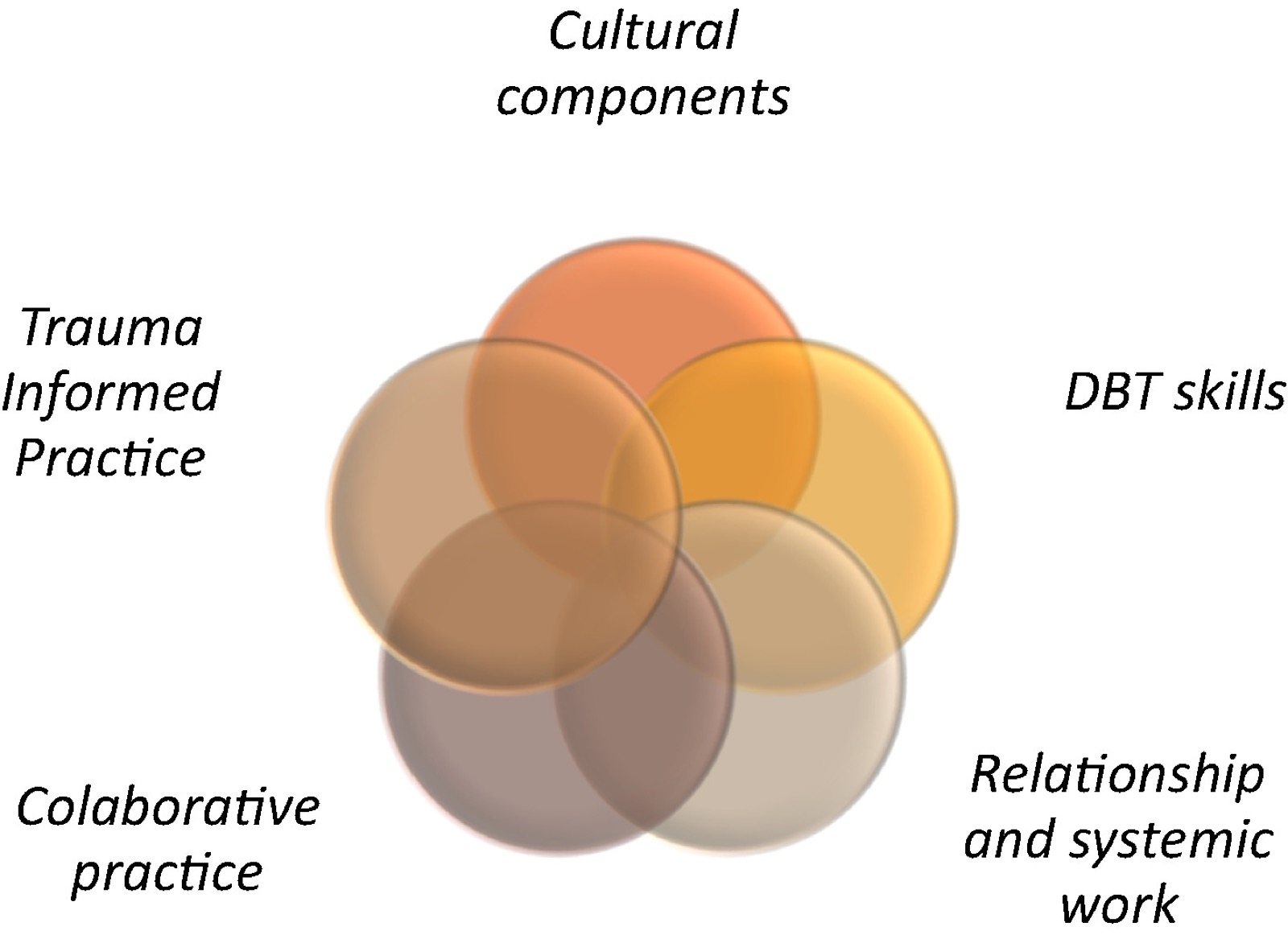
While the aforementioned models are excellent contributions to the evidence base for family interventions in the context of BPD, further relevant published literature on the topic still remains sparse. In addition, there is no published evidence supporting the use of integrative systemic therapy with First Nations people. This paper provides one of the first culturally safe integrative therapeutic approaches for this cohort. A solid systemic foundation, in the form of Bowen family systems therapy combined with elements of narrative therapy are central to this approach. The model is then bolstered and enriched by borrowing from dialectical behaviour therapy (DBT). Our hybrid integrative model is then infused with factors that support cultural responsiveness and cultural safety. Finally, an overarching trauma-informed framework (Kezelman & Stavropoulos, 2012, 2019) establishes the very important elements of safety, trustworthiness, choice, collaboration, empowerment, as well as respect for diversity throughout therapy. Figure 1 shows the intervention components blended into this integrative model.
Understanding the Cultural Context
The consideration of multi-contextual factors such as historical events, as well as past and present economic and political influences, are essential when working cross-culturally. When working with Aboriginal clients in particular, acknowledging Australia's history of colonisation is a crucial first step (Milroy & Parker, 2014). Colonisation caused the displacement of many First Nations people, and in the process separated families and communities. Oppressive government policies and practices promoting marginalisation and division resulted in the segregation and exploitation of First Nations people (Dudgeon, Milroy, Walker, & Calma, 2014). First Nations peoples' belief system, sense of self, culture, and spirit were significantly devalued in the process (Dudgeon, Milroy, Walker, & Calma, 2014). These historical events profoundly impacted and eroded overall social and emotional wellbeing, as well as physical health and spirituality; reverberations are still felt in modern-day Australia in the form of trans-generational trauma with symptoms such as domestic violence and substance use (Dudgeon, Garvey, & Pickett, 2000; Atkinson et al., 2014). Acknowledging the impact of colonisation, observing how systemically it still exists today (Ryder et al., 2019), and engaging in a process of critical analysis, allows the therapist to ‘decolonise’ their practice (Smith, 2021; Dudgeon & Walker, 2015). It is possible for non-Indigenous therapists to adapt their practice to incorporate culturally sensitive approaches when working with First Nations people (Mullins & Khawaja, 2018).
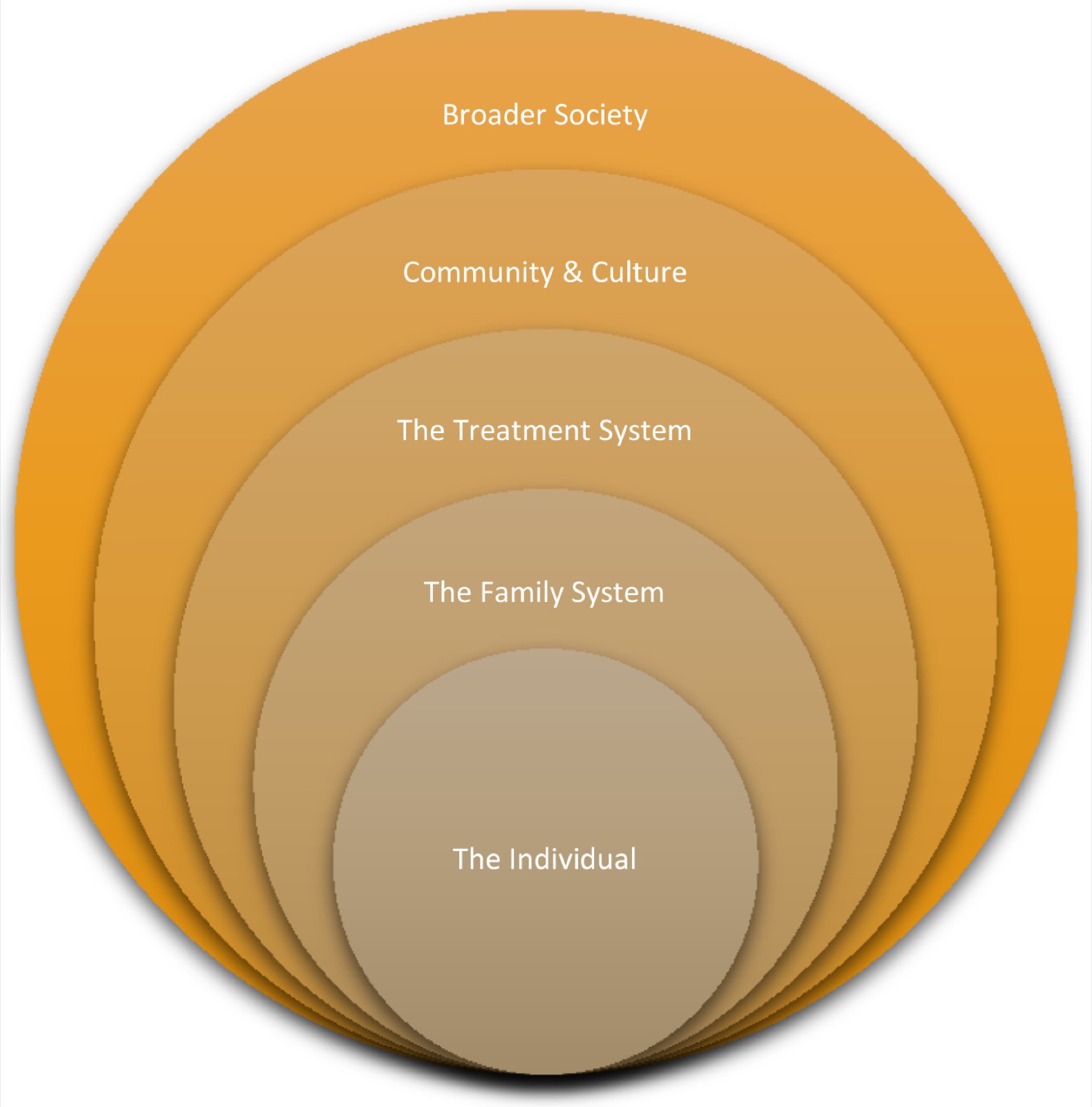
First Nations people are currently considered one of the most disadvantaged groups in Australia (Dudgeon, Milroy, Walker, & Calma, 2014). When compared to the general population, inequality and gaps are evident in areas such as employment, education, and health outcomes (Department of the Prime Minister and Cabinet, 2020). Listening to the stories and understanding Australia's history as told by First Nations people helps the therapist understand their collective experience more fully. It allows the therapist to recognise the injustices and inequities that are experienced in contemporary life (Dudgeon, Mallard, Oxenham, & Fielder, 2002). Furthermore, therapeutic work is more productive when embracing core elements central to the Indigenous worldview such as the collective sense of being and the connection to all other aspects in one's life, including family, kin, community, culture, spirituality, and country (Milroy & Parker, 2014). Finally, being mindful of the diversity in cultural practices, language, and local knowledge which exists across different tribes helps the therapist to be open to fully appreciating First Nations clients' individuality, resilience, and true character. The multi-contextual factors informing the integrative framework are shown in Figure 2.
Establishing Cultural Safety
First Nations people are reported to often avoid mainstream health services due to past negative experience in such settings (Curtis et al., 2019; Kendall & Barnett, 2015). Poor engagement stems from a lack of cultural safety measures that can act as barriers to attendance (Smith, 2021). Aboriginal Medical Services across Australia are generally considered culturally safe because of their cultural frameworks that specifically put measures in place to address this need (Smith, 2021). In our model, cultural safety is achieved by working closely with Aboriginal colleagues and accounting for contextual and historical factors pertinent to First Nations families. It involves combining cultural knowledge, cultural competence, and cultural responsiveness into a dynamic process that constantly oscillates between listening, reflecting, gaining experience, and taking action (Foucault, 2001; Smith, 2021).
Moreover, self-reflection concerning the clients' rights and the power dynamic that exists in therapeutic relationships (Curtis et al., 2019) are core elements to cultural safety; being aware of power and privilege, and where power inequities lie is essential when establishing cultural safety. Cultural safety also requires the therapist to be fully aware of who they are, of their core values, morals and behaviours in relation to their work with First Nations peoples. In addition, stepping out of their ‘own cultural value system and into the cultural value system of the client’ (Smith, 2021, p. 3) is a process that is central to cultural safety. Furthermore, displaying true cultural humility is achieved by focusing fully on the client and suspending all beliefs concerning superiority based on cultural background, gender, age, and experience (Hook et al., 2013). Finally, working closely alongside First Nations colleagues, consulting and accepting their guidance and mentorship is essential when working transculturally.
Trauma-Informed Practice
Given the impacts of colonisation, an overarching trauma-informed framework is necessary. Trauma comprises a range of experiences that share the common physiological outcome of dysregulation of the nervous system (Perry, 2009). Trauma-informed practice is described as an approach that responds appropriately to trauma at all levels and requires the therapist to become aware and knowledgeable of the impact and consequences of traumatic experiences (Kezelman & Stavropoulos, 2012, 2019). Trauma-informed practice's main aim is to reduce the likelihood of exacerbating existing trauma symptoms, triggering or re-traumatising clients by following six guiding core principles: safety, choice, collaboration, trustworthiness, empowerment, and respect for diversity (Kezelman & Stavropoulos, 2012). The first principles ensure that the physical, mental, and emotional safety of the client is upheld by developing a trusting therapeutic relationship. Next, choice and collaboration are important factors as therapeutic engagement, satisfaction, and positive outcomes are likely to increase. Additionally, strength-based interventions promote empowerment, while the client develops stronger coping skills required for stabilisation. Finally, respecting diversity reduces the stigma and division that our First Nations people have experienced.
A trauma-focused genogram (a visual map of family relationships) can be useful to sensitively collect information with regards to traumatic events and themes over time (James & MacKinnon, 2012). In addition, a whole-brain approach to understanding and healing trauma is helpful when working therapeutically (Midori-Hanna, 2021; Badenoch, 2011). For example, brainstem interventions that target sensory integration and arousal promote safety (Ogden, Minton, & Pain, 2006; Levine, 1997), whereas diencephalon interventions for self-regulation promote stability (Fisher, 2019; Perry, 2014; Van der Kolk, 2014). Finally, limbic interventions support attachment and relational needs (Badenoch, 2011; Midori-Hanna, 2021) and cortex interventions support the development of insight and reflective capacity (Perry, 2014).
Core Bowen Family Systems Concepts Complemented by Narrative Therapy
The systemic foundation used in this integrative model comprises a Bowenian paradigm focusing on how one's sense of self emerges in the context of multigenerational family systems, relationships, interactions, and emotional processes (Bowen, 1976, 1978). This developmental paradigm is then delimited by narrative therapy's two organising constructs: personal narratives and social construction (Nichols, 2011), allowing the person to re-author their new storyline and break free from the destructive influences of unhelpful social constructs. The Bowenian elements guide the work in understanding the family's emotional processes, and enhance autonomy and functioning, which in turn increase relational safety, responsibility, and reduce emotional reactivity. The narrative lens supports this by providing a frame for the interpretation and deconstruction of these concepts, with a focus on the language used in reconstructing a new way of thinking and being in personal relationships.
Core Bowenian family emotional processes explored with the client include: triangles, cut-offs, fusion, and differentiation of self achieved through use of a genogram (McGoldrick, Gerson, & Petrie, 2008). In Bowenian terms, triangles are the universal unit of analysis and occur when two family members involve a third to reduce anxiety and tension, particularly at times of conflict and crises (Guerin et al., 2010). Fusion refers to a blurring of psychological boundaries between the client and other family members (Bowen, 1976, 1978). This phenomenon leads to the contamination of emotional and intellectual functioning between family members, and reduces the client's ability to act autonomously, reason independently and generate their own opinions or perspectives. Fusion develops from the instinctual need for others, which is then distorted due to anxious attachments within the family (Bowen, 1976, 1978). Differentiation of self is both an intrapsychic and interpersonal concept and relates to the ability to think and reflect without emotional reactivity derailing the process. It has also been referred to as the ability to be flexible and wise in the face of anxiety (Nichols, 2011); moreover, it enables us to balance intellectual and emotional processes in situations where there is an increased likelihood of emotionality overriding rational thinking (Mooney-Reh, 2011).
The narrative approach interwoven throughout therapy allows for personal family stories to be told in ways that are respectful, non-detrimental, and non-triggering (White & Epston, 1990). When the client is stuck in problem-saturated stories burdened with pessimistic family experiences, infused with negative language concerning their family life, narrative therapy enables them to rewrite their story in more positive ways and supports the development of reflective capacity (Frank, 2014). The therapeutic process allows the client to see their life through a different lens (White & Epston, 1990), away from societal and cultural values, assumptions, or stigma that negatively fuel the narrative. The process of meaning-making concerning the perception and interpretation of experiences and knowledge is fully supported.
The process of deconstruction helps to break down elements of how clients view their world and then provides scaffolding for them to explore more optimistic alternative interpretations. Particular focus on language takes place (Madigan, 2011), as is the concept of many ‘truths’ subjective to one's reality and the meaning assigned to events and experiences (White & Epston, 1990). Reconstruction involves working through notions of identity, personal values, and goals (Butera et al., 2014) which is helpful in terms of growth and self-differentiation. Further, the process of externalisation permits the distancing from concerns, allowing the client to no longer perceive themselves as ‘the problem.’ This occurs through a playful process of personifying problems as external to the person and involves examining language and expression employed in their narratives (Epston, 2016).
Borrowing from Dialectal Behaviour Therapy
Combining elements from cognitive and behavioural paradigms, as well as Eastern approaches such as mindfulness, DBT is an evidence-based intervention originally developed to treat suicidal patients with BPD (Linehan, 1993). DBT is a modular treatment that is driven by distinct core principals (Linehan, 1993). It is based on bio-social theory, which attributes problems experienced in BPD to both biological and environmental factors, and their interaction causing intense emotionality. DBT is based on the concept of dialectics whereby opposites can coexist by balancing and accepting difficult situations whilst striving for change. The cornerstone of DBT is to address struggles and chaos in behavioural, non-emotional, matter-of-fact terms (Linehan, 1993, 2015). The cognitive elements of therapy focus on thought processes and distortions that lead to maladaptive behaviours. DBT is designed to transform these patterns into healthier behaviours.
The integrative model introduced in this paper selectively borrows from DBT. The borrowed parts include DBT skills in the form of regular mindfulness practice, distress tolerance, and emotional regulation skills, and increasing interpersonal effectiveness aimed at promoting safety and stability and better family relationships. In addition, we adopted the in-the-moment phone coaching element to support the practice of DBT skills outside of the therapy room and reduce Emergency Department involvement which has been shown as ineffective when managing BPD crises (Giffin, 2008). Finally, we also adopted a hybrid version of the consultation team (Sayrs & Linehan, 2019) with regular meetings among the involved clinicians to support the therapeutic system to stay on track and to manage transference. The integration of DBT with the other approaches used in this model is illustrated in the case example below.
Case example1
Nineteen-year-old Keira2 belonged to a large Aboriginal family. Her grandmother was part of the Stolen Generation and was removed at a young age, which led to disconnection from her family of origin. Resultant trauma presented as symptoms in the form of identity fragmentation, dysfunctional family emotional processes, and relationship and attachment concerns over the next three generations. Keira was the fourth child born to parents who were separated because of domestic violence. As a child, Keira was the victim of sexual abuse perpetrated by a family member. Keira reported her parents reacted with ambivalence and minimised the incidents when she informed them; the topic was soon entirely avoided which created a family secret in an attempt to manage the emotional intensity surrounding the topic. Keira went on to experience ongoing affective instability, emotional dysregulation and engaged in destructive acting-out behaviours. She described her parents as ‘emotionally absent’; her father had physically left the family home and her mother was consumed with depression and alcohol use. Keira spoke of being the recipient of excessive criticism and blame concerning problems at home.
The genogram indicated the presence of triangles and fusion (e.g., between herself and her parents). Emotional reactivity was often driven by these dysfunctional interactional processes and resulted in unsuccessful attempts to cut off. Although crises drove them apart, Keira also found herself heavily fused with family members, and this enmeshment was reinforced by a strong fear of abandonment and guilt concerning family duty which invariably created a pull back to her family of origin. Interdependence and disorganised attachment resulted in contradictory behaviour and the frequent ‘push-pull’ in her family relationships which rendered them unstable over time. She either idolised or devalued the relationship she had with her parents, alternating between clinginess and rejection, whilst siding with one or the other. Poor differentiation was evident; her autonomy and individuality were contaminated by the negative perspectives of others around her. This derailed independent intellectual functioning and resulted in emotional impulsivity towards family members; dramatic crises, frequently followed by alcohol binges or suicidal acts were the norm. Engagement with mental health services spanned many years, including involuntary inpatient treatment where she was diagnosed with BPD. A pattern of ‘firing’ therapists and treating teams following ruptures was also apparent.
Treatment
Systemic work
A trauma-informed genogram was used as an assessment and intervention tool. This helped Keira understand the transgenerational impact of trauma, as well as triangulation, cut-offs, fusion, and the burden of the secret on the family system. Process questions encouraged deep reflection; Keira was gently supported to explore the part she played in these dynamics and interactional patterns with family (e.g., conflict) and was invited to make changes (e.g., previously reacting to the anger of others with outbursts of her own, to stepping away and re-engaging later when more grounded), which increased her sense of relational responsibility and autonomy.
Part of the work undertaken involved supporting Keira to open a relatively closed system by spending time with her family, noticing her relational requirements, and creating new effective ways of meeting these needs in healthier ways. This eventually paved the way for safe conversations with family members concerning the sexual abuse she experienced. Keira was coached into taking the ‘I’ position when discussing the topic, which allowed her to make clear statements concerning her interpretation of these events. This process also helped her to become more mindful of her parents' perspective, which reduced emotional reactivity, whilst increasing autonomy and individual functioning. Other themes explored included identity, respect (both for herself and others), boundaries, communication, conflict management, and rupture repair which over time improved her ability to think for herself without emotional reactivity derailing the process.
Narrative practice
Narrative practice was interwoven throughout treatment; carefully selected strength-based language and reframes helped avoid triggering and re-traumatisation. Keira initially felt stuck in problem-saturated stories, infused with negative language, generally resultant from the difficulty she experienced with identity, emotions, and relationships. The process of deconstruction helped develop the idea of multiple truths; and that her particular truth is relative to the meaning she assigned to life events. This helped shed unhelpful societal preconceptions, and the stigma and prejudice that she initially attributed to her Aboriginality. A narrative re-authoring process permitted Keira to see her storyline through a more positive lens and to tell her story in a respectful non-detrimental way. Externalisation was useful as it helped separate her person from any problem behaviour; and helped to refocus on her actual experiences. It also shifted some of the shame she was experiencing with regards to her past and background.
DBT skills and in-the-moment coaching
For stabilisation to occur, regulation and tolerance skills were needed to cope with intense emotionality. Keira identified that most relational disturbances were linked to emotional reactivity and lacking skills to manage crises. Distress tolerance skills in the form of grounding, distraction, and acceptance techniques were developed. Comparing new crises to a time in her life when she was not coping so well and identifying factors demonstrating how she was now better able to manage, helped Keira make use of her strategies. Keira was also supported to analyse each crisis by mapping out what might cause further problems and what might help her tolerate the situation better; the pros and cons for each option were then discussed and Keira was encouraged to decide wisely on her course of action. Becoming more lenient with the discomfort of awkward emotions was fundamental to the acceptance process.
Another strategy consisted of identifying and deliberately dismissing unhelpful thoughts concerning situations she had little control over. Sensory distraction was also helpful for Keira (e.g., putting her face in iced water or taking a cold shower). Self-soothing was also explored (e.g., music, yoga). One of her main strategies included art (traditional dot painting). Relaxation and mindfulness skills were built upon; anchoring, grounding, and breathing techniques were beneficial. In terms of emotional regulation skills, Keira worked on emotional recognition and processing with a focus on balancing intellectual and emotional processes, by specifically separating ‘thinking’ and ‘feeling’.
Much time was spent on ‘dialling down’ the intensity of emotions to more bearable levels, and in the process decreasing reactivity and impulsivity. Dadirri, the Aboriginal philosophy and practice of inner deep listening, whilst being still and practicing quiet awareness and waiting (Ungunmerr-Baumann, 2002) was particularly helpful in this context. In-the-moment phone coaching (to support Keira to use her DBT skills) was provided by the team to mitigate further crises, with a view to reducing Emergency Department involvement.
Cultural elements
Identity diffusion resultant from racism, stigma, and shame was a common theme. Feelings of emptiness and fragmentation due to disconnection from culture were also reoccurring topics. Cultural safety was at the forefront of our intervention and allowed for a decolonising lens to therapy. Aboriginal colleagues generously shared expert cultural knowledge to help guide practice concerning their worldview (e.g., a unified vision where all life forms are connected), their knowledge systems (e.g., the Aboriginal sense of family and community), and their protocols and lore (e.g., customs, ceremony, sorry business, women's business). A collaborative and non-hierarchal approach was adopted. In addition, appreciating nuances in verbal communication and language (including body language) was crucial; as was establishing rapport and trust, and developing a genuine connection.
Cultural healing elements (overseen by the Aboriginal members of the therapeutic system) included introducing Keira to local elders, to a women's art group and to a ‘yarning circle.’ She was also supported to participate in cultural events held within the community (e.g., camps focusing on women's business, NAIDOC, and Sorry Day events). Keira was also supported to organise a trip back to her grandmother's traditional country. These cultural elements helped cement her place within the community and developed her sense of belonging. Moreover, she developed connection, cultural knowledge, and spiritual awareness through these measures. Slowly, shame was transformed into a sense of pride for her cultural heritage and background. Healing the fragmented parts of her identity by strengthening connection to community, culture, and spirituality helped overcome one of the disconnects in her system which had impacted on overall wellbeing.
Trauma-informed practice and the therapeutic system
The therapeutic system was composed of a therapist, a case manager, a support worker, a GP, and a psychiatrist. The treatment setting was an Aboriginal Medical Service. Throughout therapy, the focus remained on providing a safe environment, free from judgement and stigma. The therapeutic system created a safe holding space by being physically, mentally, and emotionally present. Anxiety, shame, and distress were contained by being attuned yet remaining grounded. This, in turn, supported Keira's arousal levels to remain tolerable when discussing emotionally charged topics. The development of positive relationships within the therapeutic system was meant to act as a relational blueprint which enabled reparative connections with other people outside of the therapy room to occur. Past treatment had been marred by criticism, blame, and disempowerment brought on by inflexible clinical systems. Our approach involved acknowledging and sidestepping these pitfalls and avoiding power imbalances, hierarchy, triggers, and re-traumatisation.
A position of advocacy (rather than neutrality) allowed for Keira's voice to be heard, which allowed her to make choices concerning her care and support needs. Phone coaching was provided by the entire support team which reduced the burden of complex challenges being left to any individual practitioner, thus reducing the risk of burnout, by firmly anchoring individuals within a strong supportive system. Weekly team meetings occurred to meet key objectives, to discuss progress and support transparency. Although individual members played different roles within the system, decisions were made collaboratively. Transference and relational issues were discussed and dealt with promptly. Clear and consistent boundaries were put in place to stop coalitions forming.
Treatment Outcome
Despite initial resistance and trust issues, Keira responded well to the intervention once connection and rapport was established: ‘… I'm really happy to be able to let my guard down and be vulnerable with you mob … so comforting and understanding …’ In addition, establishing safety, stability, and a holding space throughout therapy was key to any progress made: ‘… Today's session was really hard for me. I started to really open up to you and for the first time since I started seeing therapists, I felt connected. Without that connection, I know that therapy would fail, I've seen it happen time and time again …’ Keira was initially quite ambivalent about the DBT skills: ‘… Do I really have to do this breathing thing several times a day? …’ Yet when put into the right context, she was able to see why these skills were necessary, particularly at times of crises.
Being able to tolerate distress reduced emotional reactivity and also helped reduce self-destructive behaviour. Systemic work helped Keira understand the impact of transgenerational trauma and family processes such as triangulation; it also provided the skills for her to initiate safe conversations concerning the sexual abuse. These dialogues helped open a closed family system, and the work Keira undertook engaging her parents was well received, particularly by her father, who had felt powerless since he moved out. He reported that he had wanted to support his daughter but was unsure what to do, which lead to him withdrawing and being distant as a default: ‘My dad messaged me on Friday morning and said he remembers … He said he can't fully understand because it hasn't happened to him but he can imagine how tough it was for me …’ ‘… I told my dad how much I hate my brother. I told him I wanted to understand why he would hurt me and cause me more pain when he knew [our] cousin had been hurting me too. For the first time, my dad listened … really listened … and said he understood my anger …’
Exploring the interdependent relationship with her mother helped resolve some of the fusion and allowed Keira to function more autonomously which pathed the way towards differentiation-of-self: ‘… Mum was fighting with Auntie … and she started drinking. Normally I get angry … but yesterday, I didn't want a part in their drama so told [her] we'd have a yarn tomorrow when she's off the grog …’ Understanding her family emotional processes, along with developing her own regulation skills, and being able to separate her own thinking from her feelings, and from those of family members, helped to reduce some of the anxiety and reactivity.
Despite some initial resistance with boundaries, Keira reported the team's approach was quite different to what she had experienced before; yet she was pleased with the process: ‘… I know that you guys are the perfect fit for me … [support worker] is beautiful, she's taught me so much about culture … [case manager] understands me beyond belief. You guys are a great mob … it's nice, I don't feel judged like before … and can just be me and make my own choices … though I know I can be too dependent and need boundaries …’
Finally, overall satisfactory therapeutic outcomes were reported and observed, particularly concerning improved family communication, family functioning, and a reduction in relational crises.
Discussion
Evaluation
This paper proposes an integrative systemic model for working therapeutically with First Nations people with a diagnosis of BPD. The model adopts the view that issues experienced as a consequence of BPD relate to poor differentiation of self. Individuals who are poorly differentiated are described as trapped within a world flooded by emotionality, so much so that intellectual functioning is impacted (Bowen, 1976, 1978). Dysfunction, inflexibility, maladaptive behaviour, and emotional dependence are frequently observed in poorly differentiated people (Bowen, 1976, 1978). Individuals diagnosed with BPD have also been described with the exact same traits. As described in the DSM-5 (American Psychiatric Association, 2013), BPD results in affective instability and reactivity of mood, which often renders individuals unable to tolerate emotionality. It is common for people with BPD to lack regulation skills which further perpetuate reactivity and impulsivity and maintain fusion and overreliance on others. Bowen's perspective (Bowen 1976, 1978; Kerr & Bowen, 1988) concerning intense family emotional processes, including poorly differentiated patients forming triangles as a way of moderating tension, is frequently observed in BPD families (Mooney-Reh, 2011). While cut-off results in isolation from others, fusion, paradoxically, results in total dependence to manage one's emotions. Similarly, BPD exacerbates relational processes whereby the individual often resorts to either cut-off or fusion with others, which accounts for the ‘push and pull’ in their relationships, and the switching between either idealisation and clinginess, to devaluing and rejection.
Poor differentiation therefore appears as a suitable concept to explain why individuals with BPD become flooded with emotions and highly reactive in their relationships. These factors and concepts justify the appropriateness of applying the Bowenian theory of change, and its core concepts and techniques when working with people with BPD. The effectiveness observed in our therapeutic outcomes, which includes improved family communication and family functioning, and a reduction in relational crises, demonstrates that applying these concepts is both suitable and beneficial. In addition, including DBT distress tolerance and emotional regulation skills in the model further increases its efficiency, as it reduces the likelihood of being rendered helpless because of intense emotions, by improving adaptive functioning, and promoting safety and stability. Distress tolerance and emotional regulation, as well as safety and stability, are necessary when working towards differentiation.
Nevertheless, traditional Bowen family systems therapy tends to lack cultural sensitivity. It fails to take into account how values differ from one group to the next. Therapeutically, there is a risk of imposing our own ways of looking at things onto that of the person we are supporting (McGoldrick, Pearce, & Giordano, 1981). This fundamental challenge is overcome by placing a narrative lens over our practice, thus ensuring that the client's story is constructed from their own social context and cultural belief system. Second-generation narrative approaches are well documented as effective and are frequently used with Aboriginal people because they allow for stories to be told ‘in ways that make us stronger’ (Wingard, Johnson, & Drahm-Butler, 2015, p.16).
Narrative therapy's political cast is particularly helpful when working with ethnic minorities, as it allows the therapist to identify and look beyond society's destructive influences that perpetuate stigma and racism (Morgan, 2000). The therapeutic process permits the client to see their life in a different light (White & Epston, 1990), away from negative values, assumptions, or stigma that negatively fuel the narrative. For First Nations people, this means acknowledging the historical factors (e.g., colonisation) and the trauma this has caused, whilst remaining focused on their incredible strength and resilience, wonderful knowledge and cultural systems, and, importantly, the shedding of shame in a more sensitive manner. Moreover, a narrative perspective also fits perfectly with trauma-informed care as it avoids exacerbating trauma symptoms, and the client is less likely to be triggered because elements such as safety, choice, collaboration, trustworthiness, and empowerment are at the forefront of the framework. Finally, the narrative therapist offers advocacy rather than neutrality. Neutrality is not sufficient when the client is faced with oppression, injustice, inequality, and inequity in their everyday life.
Strengths and limitations
An integrative systemic approach allows for interventions to be moulded perfectly to the client's needs. When combining parts drawn from different therapeutic approaches, integrative therapy allows for a more flexible and inclusive hybrid model when compared to purist and singular forms of psychotherapy (Norcross & Goldfried, 2005). This is beneficial when faced with complex presentations such as personality disorders, where issues are often multicontextual, and present both in intrapsychic and interpersonal domains. Integrating approaches to form a model that addresses all areas simultaneously is a real strength as it helps to provide a multidimensional holistic style of treatment. Furthermore, it can be undertaken by the one therapist rather than needing to enlist several practitioners specialising in individual parts. This is especially pertinent for First Nations people, as it spares them having to retell their stories, which can lead to triggering and re-traumatisation.
A further strength relates to this model's success in managing problems arising within the therapeutic system. As identified in the literature (e.g., Choi, 2018), power structures in medical and family systems can seriously impact on BPD treatment due to hierarchical processes resulting in struggles and tension which can lead to disempowerment, disengagement, and poor therapeutic outcomes. This is especially relevant for our First Nations people because inflexible clinical systems can be triggering as they replicate the oppressive authoritarian government policies and processes that have hindered their collective wellbeing over the past 200 years. These hierarchic systems result in First Nations people avoiding mainstream health services due to past negative experiences (Curtis et al., 2019; Kendall & Barnett, 2015). Our model carefully avoids replicating any power issues by embracing collaborative practice rather than hierarchy where decisions are made from the top down with little consultation.
Finally, this approach also successfully accounts for multicontextual factors impacting Indigenous wellbeing, as well as culture as a core element. This helps to strengthen pride concerning cultural heritage and identity. When working with First Nations people, having cultural components interwoven into interventions is an essential feature. Ideally, this piece of work needs to be driven by fellow First Nations people. The treatment setting (an Aboriginal Medical Service) offered a clear advantage given that Aboriginal colleagues were available for consultation and were generous in sharing knowledge and providing guidance. It is well documented that service users are more likely to engage with fellow First Nations services as a direct result of cultural safety being at the forefront of their frameworks. Fully replicating these setting elements within mainstream clinical services may be challenging, which leads to an obvious limitation concerning replicability in other settings. However, the possibility of lacking cultural safety poses a real problem for mainstream services, and the risk of unknowingly harming clients further makes this a fundamental issue for organisations to overcome.
Future directions
In terms of future directions, and given its relevance to practice, the most noteworthy factor to investigate further is this model's application in mainstream settings. As discussed, although full replication may be difficult to implement and achieve, partial application may be possible. Mainstream organisations may consider establishing partnerships with First Nations organisations to help bridge gaps related to cultural safety and cultural intervention components which are crucial when working with Aboriginal communities. Alternatively, a hybrid model may be formulated involving Indigenous clinicians and support workers employed within mainstream settings overseeing all work involving First Nations families.
More generally, there is a paucity of evidence documenting the effectiveness of systemic therapy with Aboriginal clients with BPD. Despite the above case study providing promising preliminary results, the integrative systemic approach outlined in this paper requires further research into its effectiveness in treating BPD and assisting First Nations families. And while clinically this may seem necessary, this also leads to an ethical dilemma as to whether further examination in the form of rigorous randomised controlled trials is conducive to healing in First Nations people, or whether this type of research may be triggering due to its overly clinical nature. Perhaps other softer more person-centred evaluation methods may be preferable (e.g., qualitative approaches that allow stories to be captured). And ultimately, such research needs to be led by First Nations organisations, or at the very least undertaken collaboratively and in partnership.
Conclusion
This paper outlines an integrative systemic model aimed at supporting First Nations people with BPD and their families. In terms of personality disorders, there is a general under-involvement from systemic practitioners in the treatment of such presentations. However, BPD crises are almost always relational in nature, making systemic theory an appropriate foundation when working in this area. Undeniably, relational and systemic factors are central to our interventions as family therapists; we are therefore well equipped to manage such presentations. In addition, systemic approaches are also very effective at organising the treatment and support systems around the client, as shown with this model.
Nevertheless, BPD is a complex condition and no one treatment modality is likely to address all of its presenting issues. It therefore requires a multidimensional and integrative approach. This paper demonstrates that blending the family emotional process elements of Bowen family systems therapy, along with the political cast and the social constructionist foundation of narrative therapy with the distress tolerance and emotional regulation skills of DBT into a single holistic model can be very useful in the treatment of BPD with First Nations families.
Moreover, this model successfully accounts for contextual and historical factors, cultural safety, and other systemic factors unique to this group. Respect, humility, and special care are required when working with First Nations people. As therapists, we have a duty to ensure our interventions reflect these elements because the injustice and oppression that has been imposed upon this group since colonisation justifies the need for more appropriate therapeutic interventions that include cultural healing components upholding First Nations peoples' worldview and shared experiences.
Complexe Systémique: key points
The interest of the text lies less in its technical assembly than in what it does with the frame. Borderline personality disorder is reread here as a matter of systems: a colonial trauma running through three generations, a family in which the secret protects as much as it confines, services that unknowingly replay the criticism and rejection experienced at home. Hence two useful moves for any team: collegial governance that prevents coalitions and shares the weight of crises, and a position of advocacy rather than neutrality when oppression is very real. The systemic reader will also note a tension the paper leaves open: differentiation of self, a Bowenian notion conceived in an individualistic world, meets a deeply collective Indigenous worldview. The limits are those of a single case study, evaluated by the team that conducted it, in a culturally safe setting that is hard to replicate elsewhere. Read alongside the article on borderline personality in therapy, and the article on a critical, relational approach to suicide.
Notes from the original
1 The author wrote this case study for the partial completion of the Masters of Mental Health majoring in Family Therapy at the University of Queensland.
2 The author declares that the Ethics Committee of the University of Queensland authorised this case study and informed written consent was obtained for the participant by the author. The participant's identity and other identifying factors have been altered to preserve their confidentiality and privacy.
Acknowledgement. Open access publishing facilitated by The University of Queensland, as part of the Wiley - The University of Queensland agreement via the Council of Australian University Librarians. [Correction added on 4 June 2022, after first online publication: CAUL funding statement has been added.]
References
Allen, C. (2004). Borderline personality disorder: Towards a systemic formulation. Journal of Family Therapy, 26, 126–141.
Allen, D. (2017). Psychotherapy with Borderline Patients: An Integrated Approach. Abingdon, UK: Taylor & Francis Group.
Allen, D., & Farmer, R. (1996). Family relationships of adults with borderline personality disorder. Comprehensive Psychiatry, 37(1), 43–51.
American Psychiatric Association (2013). Diagnostic and Statistical Manual of Mental Disorders. ( 5th ed.). Arlington, VA: APA.
Atkinson, J., Nelson, J., Brooks, R., Atkinson, C., & Ryan, K. (2014). Addressing individual and community transgenerational trauma, in P. Dudgeon, H. Milroy, R. Walker & T. Calma (Eds.), Working Together: Aboriginal and Torres Strait Islander Mental Health and Wellbeing Principles and Practice. ( 2nd ed., pp. 289–306). Perth, WA: Kulunga Research Network.
Badenoch, B. (2011). Being a Brain-Wise Therapist: A Practical Guide to Interpersonal Neurobiology. New York: W. W. Norton Publishers.
Berkowitz, C. B., & Gunderson, J. G. (2002). Multifamily psychoeducational treatment of borderline personality disorder, in W. R. McFarlane (Ed.), Multi-Family Groups in the Treatment of Severe Psychiatric Disorders. (pp. 268–290). New York: Guilford Press.
Bernardon, S., & Pernice-Duca, F. (2012). Integrating recovery and the narrative attachment systems perspective to working through borderline personality disorder. The Family Journal, 20(3), 239–248.
Boscolo, L., Cecchin, G., Hoffman, L., & Penn, P. (1987). Milan Systemic Family Therapy: Conversations in Theory and Practice. New York: Basic Books.
Bowen, M. (1976). Theory in the practice of psychotherapy, in P. J. Guerin (Ed.), Family Therapy: Theory and Practice. (pp. 42–90). New York: Garner Press.
Bowen, M. (1978). Family Therapy in Clinical Practice. New York: Jason Aronson.
Butera, P. F., Charles, N., & Story, K. (2014). Narrative family therapy and group work for families living with acquired brain injury. Australian and New Zealand Journal of Family Therapy, 35(1), 81–99.
Choi, H. (2018). Family systemic approaches for borderline personality disorder in acute adult mental health care settings. Australian and New Zealand Journal of Family Therapy, 39(2), 155–173.
Curtis, E., Jones, R., Tipene-Leach, D., Walker, C., Loring, B., Paine, S., et al. (2019). Why cultural safety rather than cultural competency is required to achieve health equity: A literature review and recommended definition. International Journal for Equity in Health, 18, 174.
Department of the Prime Minister and Cabinet (2020). Closing the Gap Prime Minister's Report 2020. (pp. 3–86). Department of Prime Minister and Cabinet: Canberra. https://ctgreport.niaa.gov.au/sites/default/files/pdf/closing-the-gap-report-2020.pdf
Dudgeon, P., Garvey, D., & Pickett, H. (2000). Working with Indigenous Australians: A Handbook for Psychologists. Perth: Gunada Press.
Dudgeon, P., Mallard, J., Oxenham, D., & Fielder, J. (2002). Contemporary Aboriginal perceptions of community, in A. T. Fisher, C. C. Sonn & B. J. Bishop (Eds.), Psychological Sense of Community. The Plenum Series in Social/Clinical Psychology. Boston: Springer.
Dudgeon, P., Milroy, H., Walker, R., & Calma, T. (2014). Working Together: Aboriginal and Torres Strait Islander Mental Health and Wellbeing Principles and Practice. ( 2nd ed.). Perth, WA: Kulunga Research Network.
Dudgeon, P., & Walker, R. (2015). Decolonising Australian psychology: discourses, strategies, and practice. Journal of Social and Political Psychology, 3(1), 276–297.
Dudgeon, P., Wright, M., Paradies, Y., Garvey, D., & Walker, I. (2014). Aboriginal social, cultural and historical contexts, in P. Dudgeon, H. Milroy, R. Walker & T. Calma (Eds.), Working Together: Aboriginal and Torres Strait Islander Mental Health and Wellbeing Principles And Practice. ( 2nd ed., pp. 3–24). Perth, WA: Kulunga Research Network.
Dunne, E., & Roger, B. (2011). ‘They told me I had this personality disorder … All of a sudden I was wasting their time’ personality disorder and the inpatient experience. Journal of Mental Health, 20(3), 226–233.
Epston, D. (2016). Re-imagining narrative therapy: A history for the future. Journal of Systemic Therapies, 35(1), 79–87.
Fisher, J. (2019). Sensorimotor psychotherapy in the treatment of trauma. Practice Innovations, 4(3), 156–165.
Foucault, M. (2001). Order of Things. ( 2nd ed.). Abingdon, UK: Taylor and Francis.
Frank, A. W. (2014). Narrative ethics as dialogical story-telling. The Hastings Center Report, 44, S16–44S20.
Fromene, R., & Guerin, B. (2014). Talking with Australian Indigenous clients with a borderline personality disorder diagnosis: Finding the context behind the label. The Psychological Record, 64(3), 569–579.
Fromene, R., Guerin, B., & Krieg, A. (2014). Australian Indigenous clients with a borderline personality disorder diagnosis: A contextual review of the literature. The Psychological Record, 64(3), 559–567.
Giffin, J. (2008). Family experience of borderline personality disorder. Australian and New Zealand Journal of Family Therapy, 29(3), 133–138.
Guerin, P. J., Fogarty, F. T., Fay, L. F., & Kautto, J. G. (2010). Working with Relationship Triangles: The One-Two-Three of Psychotherapy. New York: Guilford Press.
Gunderson, J., & Lyoo, I. (1997). Family problems and relationships for adults with borderline personality disorder. Harvard Review of Psychiatry, 4(5), 272–278.
Gunderson, J. G., Berkowitz, C., & Ruiz-Sancho, A. (1997). Families of borderline patients: A psychoeducational approach. Bulletin of the Menninger Clinic, 61(4), 446–457.
Hook, J., Davis, D., Owen, J., Worthington, E., & Utsey, S. (2013). Cultural humility: Measuring openness to culturally diverse clients. Journal of Counseling Psychology, 60(3), 353–366.
Ikuta, N., Zanarini, M. C., Minakawa, K., Miyake, Y., Moriya, N., & Nishizono- Maher, A. (1994). Comparison of American and Japanese outpatients with borderline personality disorder. Comprehensive Psychiatry, 35, 382–385.
James, K., & MacKinnon, L. (2012). Integrating a trauma lens into a family therapy framework: Ten principles for family therapists. Australian and New Zealand Journal of Family Therapy, 33(3), 189–209.
Jani, S., Johnson, R. S., Banu, S., & Shah, A. (2016). Cross-cultural bias in the diagnosis of borderline personality disorder. Bulletin of the Menninger Clinic, 80(2), 146–165.
Kendall, E., & Barnett, L. (2015). Principles for the development of Aboriginal health interventions: Culturally appropriate methods through systemic empathy. Ethnicity and Health, 20(5), 437–452.
Kernberg, O. (1984). Severe Personality Disorders: Psychotherapeutic Strategies. New Haven: Yale University Press.
Kerr, M. E., & Bowen, M. (1988). Family Evaluation. New York: W. W. Norton.
Kezelman, C., & Stavropoulos, P. (2012). Practice Guidelines for Treatment of Complex Trauma and Trauma Informed Care and Service Delivery. Blue Knot Foundation. Retrieved from https://www.blueknot.org.au/resources/Publications/Practice-Guidelines/Download
Kezelman, C., & Stavropoulos, P. (2019). Practice Guidelines for Clinical Treatment of Complex Trauma. Blue Knot Foundation. Retrieved from https://www.blueknot.org.au/resources/Publications/Practice-Guidelines/Download
Kreisman, J. K., & Kreisman, J. J. (2004). Marital and family treatment of borderline personality disorder, in M. M. MacFarlane (Ed.), Family Treatment of Personality Disorders: Advances in Clinical Practice. (pp. 117–148). Binghamton, NY: Haworth Clinical Practice Press.
Lawson, C. A. (2004). Treating the borderline mother: Integrating EMDR with a family systems perspective, in M. M. MacFarlane (Ed.), Family Treatment of Personality Disorders: Advances in Clinical Practice. (pp. 305–334). Binghamton, NY: Haworth Clinical Practice Press.
Levine, P. A. (1997). Waking the Tiger: Healing Trauma. Berkeley, CA: North Atlantic Books.
Linehan, M. M. (1993). Cognitive-behavioral treatment of borderline personality disorder. New York: Guilford Press.
Linehan, M., & eBooks Corporation (2015). DBT Skills Training Manual. ( 2nd ed.). New York: The Guilford Press, eBook.
Links, P., & Munroe-Blum, H. M. (1990). Family environment and borderline personality disorder: Development of etiologic models, in P. S. Links (Ed.), Family Environment and Borderline Personality Disorder. (pp. 3–24). Washington, DC: American Psychiatric Press.
Lord, S. A. (2007). Systemic work with clients with a diagnosis of borderline personality disorder. Journal of Family Therapy, 29, 203–221.
Luyten, P., Campbell, C., & Fonagy, P. (2019). Borderline personality disorder, complex trauma, and problems with self and identity: A social-communicative approach. Journal of Personality, 88(1), 88–105.
MacFarlane, M. M. (2004a). Family Treatment of Personality Disorder: Advances in Clinical Practice. Binghamton: Taylor & Francis Inc.
MacFarlane, M. M. (2004b). Systemic treatment of borderline personality disorder: An integrative approach, in M. M. MacFarlane (Ed.), Family Treatment of Personality Disorders: Advances in Clinical Practice. (pp. 205–240). New York: Haworth Clinical Practice Press.
Madigan, S. (2011). Narrative Therapy. Washington, DC: American Psychological Association.
McCormack, C. (2004). An object-relations approach to the treatment of personality disordered marriages, in M. M. MacFarlane (Ed.), Family Treatment of Personality Disorders: Advances in Clinical Practice. (pp. 71–114). New York: Haworth Clinical Practice Press.
McGoldrick, M., Gerson, R., & Petry, S. (2008). Genograms: Assessment and Intervention. ( 3rd ed.). New York: W. W. Norton & Company.
McGoldrick, M., Pearce, J., & Giordano, R. (1981). Ethnicity in Family Therapy. New York: Guilford Press.
Midori-Hanna, S. (2021). The Transparent Brain in Couple and Family Therapy, Mindful Integrations with Neuroscience. New York: Routledge.
Milroy, E., & Parker, R. (2014). Aboriginal and Torres Strait Islander mental health: An overview, in P. Dudgeon, H. Milroy, R. Walker & T. Calma (Eds.), Working Together: Aboriginal and Torres Strait Islander Mental Health and Wellbeing Principles and Practice. ( 2nd ed., pp. 25–38). Perth, WA: Kulunga Research Network.
Mitton, M. J. E., & Links, P. S. (1996). Helping the family: A framework for intervention, in P. S. Links (Ed.), Clinical Assessment and Management of Severe Personality Disorders. (pp. 195–218). Washington, DC: American Psychiatric Press.
Mooney-Reh, D (2011). An examination of the significance of differentiation of self in the assessment and treatment of borderline personality disorder, Doctor of Philosophy thesis, School of Psychology, University of Wollongong, 2011. Retrieved from https://ro.uow.edu.au/cgi/viewcontent.cgi?article=4416&context=theses
Morgan, A. (2000). What is Narrative Therapy? Adelaide: Dulwich Centre Publications.
Mors, O. (1988). Increasing incidence of borderline states in Denmark from 1970–1985. Acta Psychiatrica Scandinavica, 77, 575–583.
Mullins, C., & Khawaja, N. (2018). Non-Indigenous psychologists working with Aboriginal and Torres Strait Islander people: Towards clinical and cultural competence. Australian Psychologist, 53(5), 394–404.
Nichols, M. P. (2011). The Essentials of Family Therapy. ( 5th ed.). Boston: Pearson.
Norcross, J. C., & Goldfried, M. R. (Eds.). (2005). Handbook of psychotherapy integration. ( 2nd ed.). Oxford: Oxford University Press.
Ogden, P., Minton, K., & Pain, C. (2006). Trauma and the Body: A Sensorimotor Approach to Psychotherapy. New York: W. W. Norton.
Paris, J. (1994). The etiology of borderline personality disorder: A biopsychosocial approach. Psychiatry: Interpersonal and Biological Processes, 57(4), 316–325.
Perry, B. D. (2009). Examining child maltreatment through a neurodevelopmental lens: Clinical applications of the neurosequential model of therapeutics. Journal of Loss and Trauma, 14(4), 240–255.
Perry, B. D. (2014). The neurosequential model of therapeutics: Application of a developmentally sensitive and neurobiology-informed approach to clinical problem solving in maltreated children, in K. Brandt, B. D. Perry, S. Seligman & E. Tronick (Eds.), Infant and Early Childhood Mental Health: Core Concepts and Clinical Practice. (pp. 21–53). Arlington, VA: American Psychiatric Publishing, Inc.
Ryder, C., Mackean, T., Ullah, S., Burton, H., Halls, H., McDermott, D., et al. (2019). Development and validation of a questionnaire to measure attitude change in health professionals after completion of an Aboriginal health and cultural safety training programme. The Australian Journal of Indigenous Education, 48(1), 24–38.
Sayrs, J. H. R., & Linehan, M. M. (2019). DBT Teams: Development and Practice. New York: Guilford Press.
Smith, P. (2021). Moving beyond cultural competence. InPsych, 43(1). https://psychology.org.au/for-members/publications/inpsych/2021/february-march-issue-1/by-peter-smith-maps
Tadros, E., Cappetto, M., & Kaur, L. (2019). Treating symptoms of borderline personality disorder through narrative therapy and naltrexone. The American Journal of Family Therapy, 47(2), 87–101.
Tomm, K. (1984). One perspective on the Milan systemic approach: Part I. Overview of development, theory, and practice. Journal of Marital and Family Therapy, 10, 113–125.
Ungunmerr-Baumann, M. R. (2002). Dadirri - A Reflection by Miriam-Rose Ungunmerr-Baumann. Thornleigh: Emmaus Productions.
Van der Kolk, B. (2014). The Body Keeps the Score: Brain, Mind, and Body in the Healing of Trauma. New York: Viking.
White, M., & Epston, D. (1990). Narrative Means to Therapeutic Ends. New York: Norton.
Wingard, B., Johnson, C., & Drahm-Butler, T. (2015). Aboriginal Narrative Practice: Honouring Storylines of Pride, Strength and Creativity. Adelaide: The Dulwich Centre Publications.
Zarbo, C., Tasca, G. A., Cattafi, F., & Compare, A. (2015). Integrative psychotherapy works. Frontiers in Psychology, 2015(6), 2021.
Reformatted republication of Culturally Safe Integrative Systemic Therapy for First Nations Families Living with Borderline Personality Disorder, by Jessy Thompson, Australian and New Zealand Journal of Family Therapy, vol. 43, no 1 (2022), doi: 10.1002/anzf.1479, under a CC BY 4.0 licence. Edition and layout: Complexe Systémique, September 2026 — the work has been modified under the terms of the licence. Neither the authors nor the publisher are responsible for this edition; the original version prevails.
This is the original article “Culturally Safe Integrative Systemic Therapy for First Nations Families Living with Borderline Personality Disorder”, published in Australian and New Zealand Journal of Family Therapy (2022) under a CC BY 4.0 licence. Republished by Complexe Systémique: the author’s text is unchanged; only the presentation has been adapted for reading online, as set out at the head of this page.
Read the original articleHow to cite this article
Thompson, J. (2022). Culturally Safe Integrative Systemic Therapy for First Nations Families Living with Borderline Personality Disorder. Complexe Systémique. https://app.complexe-systemique.com/en_GB/articles/culturally-safe-integrative-systemic-therapy-for-first-nations-families (Original work published in 2022 in Australian and New Zealand Journal of Family Therapy, 43(1), 118-139 (2022); republished in 2022 by Australian and New Zealand Journal of Family Therapy, https://onlinelibrary.wiley.com/doi/full/10.1002/anzf.1479)
To go further
- Borderline personality in therapy: beyond the diagnosis, working the bondBeyond the diagnosis.
- A Critical, Relational Approach for Working with Suicide in Family TherapyNarrative and DBT combined.
- New Strategies for Studies With Families in Borderline Personality Disorder: Challenges and Potentialities of the Use of GenogramThe genogram and BPD.
Related training courses
 Online course
Master the art of narrative therapy: a unique journey with Charlie Crettenand
Immersive online course: discover the narrative approach with Charlie Crettenand. A unique audiovisual journey, lifetime access, exercises. In French.
Related articles
 Article
 Decolonizing Supervision: A Critical Race and Queer Theory Framework for Marriage and Family Therapy
Supervision is not neutral: a framework drawing on Critical Race Theory and Queer Theory to name and share power in supervision, with a vignette.
 Article
 Transitioning to the Business of a Session in Collaborative-Dialogic Meetings: A Conversation Analysis
How do Open Dialogue therapists move to the business of a session? The open question creates silences and family negotiation: a conversation analysis of ten sessions.
 Article
 How Venezuelan mothers and their young children use storytelling to process immigration journeys
Seven Venezuelan mothers tell their young children about crossing the Darién: shared memories or superhero tales, six ways of facing fear together.
 Article
 The AFFIRM Model for Navigating Challenges in Continuously-Interfaith and Divergent-Interfaith Marriages
Thirty happy interfaith couples describe how they navigate their religious differences: five processes, from respecting each other’s choices to religious intimacy, gathered in the AFFIRM model.