Australian and New Zealand Journal of Family Therapy · Family therapy
Family-based treatment for adolescent anorexia nervosa: A meta-analysis
Family-based treatment (FBT), heir to the Maudsley approach, first hands parents responsibility for refeeding their child. It has become the first-line treatment for adolescent anorexia, but its name covers very diverse practices. A University of Manitoba team keeps only the thirteen studies faithful to Lock and Le Grange’s manual: pre-post, the effects are large, for symptoms as well as remission.
This is a reformatted republication of Family-based treatment for adolescent anorexia nervosa: A meta-analysis, by Jada Benedictson, Lara Penner-Goeke, Emily Hogan, Rachel Wiens and Jen Theule, published in Australian and New Zealand Journal of Family Therapy (Wiley) (2025), doi: 10.1002/anzf.70001, under a CC BY 4.0 licence. Prepared by Complexe Systémique in September 2026: the authors’ text is unchanged; the layout has been adapted for reading online, which constitutes a modification of the work under the terms of the licence. Table 1 is presented as a list. This edition was made neither by the authors nor by the publisher, who are not responsible for its content or for any errors. The original version prevails.
Parents have gone from being seen as a major part of the problem to a key resource in the solution.
Jada Benedictson, Lara Penner-Goeke, Emily Hogan, Rachel Wiens and Jen Theule
Abstract
Anorexia nervosa (AN) is a complex illness that typically onsets during adolescence and has severe consequences. Family-based treatment (FBT) is currently regarded as the leading treatment option for adolescents with AN; however, there is confusion within the literature as to what exactly constitutes FBT. This meta-analysis aimed to examine the specific efficacy of FBT in increasing weight gain and reducing eating disorder (ED) symptomology for adolescents with AN. Inclusion criteria required that studies followed the manualised FBT model, be restricted to adolescents, and have patients with diagnosed AN. Several databases were searched: MEDLINE, PsycINFO, Google Scholar, ProQuest Dissertations & Theses, and SCOPUS, and retrieval was limited to between 1984 and November 2023. Once identified, studies were screened and coded by two researchers who met to resolve any disagreements. Thirteen studies met the eligibility criteria. The impact of FBT on treatment outcomes revealed a large effect size for continuous (d = 0.955, 95% CI [0.386–1.523], p < 0.001) and remission (d = 2.32, 95% CI [1.827, 2.807], p < 0.001) outcomes. However, outcome measures varied across studies. These findings corroborate previous literature finding that FBT is an effective treatment for adolescents with AN. They also demonstrate the applicability and utility of this treatment across different cultures. FBT is a promising treatment modality to alleviate adolescents' physical and psychological suffering while also enhancing family relationships. Additionally, as an outpatient and low-resource-intensive treatment, it helps to reduce the healthcare burden.
Summary
- This meta-analysis is the first to focus solely on manualised family-based treatment (FBT) for adolescents with anorexia nervosa (AN), addressing a key gap in the literature and distinguishing it from other family-involved interventions.
- FBT is an effective treatment for adolescent AN, with large effect sizes observed for both symptom reduction and remission outcomes.
- Findings highlight the importance of parental involvement in adolescent eating disorder (ED) treatment.
- This study emphasises the need for greater consistency in outcome measures and terminology to strengthen future ED research.
INTRODUCTION
The prevalence of eating disorders (EDs) among adolescents, particularly female adolescents, is a global and growing public health concern (Erriu et al., 2020). Anorexia nervosa (AN) is especially common and problematic in this age group (American Academy of Child and Adolescent Psychiatry, 2018). The American Psychiatric Association (APA) characterises AN as a purposeful restriction of energy intake (leading to a low body weight), intense fear of weight gain, and dissatisfaction with the appearance of one's body (2022). AN commonly manifests during adolescence, a time of considerable physical change and heightened brain plasticity, leaving adolescents more sensitive to environmental influences (Sisk & Gee, 2022). Since adolescents suffering from AN may not be able to act in their best interest during this time period, treatment modalities that utilise the family system for both treatment implementation and support have gained importance (Rienecke, 2017). A distinct type, coined family-based treatment (FBT; Lock & Le Grange, 2001, 2013), which was developed based on the Maudsley method/approach, is currently recommended as the first-line treatment in recent clinical guidelines (Couturier et al., 2020). FBT is a manualised form of outpatient family therapy that proceeds through three phases and requires parents to play a central role in their adolescent's recovery (Lock & Le Grange, 2001, 2013). The purpose of the present study is to examine the specific efficacy of FBT for AN among adolescents.
The importance of focusing on adolescents with anorexia
There is a pressing need to address AN specifically given the significant disease burden associated with the illness, such as greater years lived with disability, reduced quality of life, economic costs, family implications, and elevated mortality rates (van Hoeken & Hoek, 2020). To contextualise this, relapse rates for AN are highly varied, with reported rates ranging from 9% to 52% (Khalsa et al., 2017). The standardised mortality rate is also high, sitting at 5%–7%, which is the highest mortality rate of any psychiatric disorder (Levinson et al., 2022; van Hoeken & Hoek, 2020). These statistics are especially concerning when coupled with elevated risks of EDs among adolescents, such as greater potential for irreversible physical and social damage (Adolescent Medicine Committee & Canadian Paediatric Society, 1998), as well as poorer mental health outcomes later in life (Micali et al., 2015). Moreover, 75% of AN cases onset before 19 years of age, and terms such as ‘treatment resistance’, ‘chronicity of illness’, and ‘difficult to treat’ are commonplace in past ED literature (Halmi, 2013). Given the considerable above-mentioned costs of ineffective treatment, it is imperative to continue to review the literature surrounding best treatment options for adolescents.
Support for parental involvement in treatment
For almost a century after AN was first described in the medical literature (Gull, 1874; Lasegue, 1873), parents were regarded as largely responsible for the development and continuance of their adolescent's ED, and, as a result, the perceived best practice was to remove the adolescent from the home and place them in inpatient care (Lock, 2011). However, as etiological understandings have expanded, the notion of families being solely responsible for EDs has been largely abandoned (Campbell & Peebles, 2014; Lock, 2011). Parents have gone from being seen as a major part of the problem to a key resource in the solution. This is supported through models of help-seeking in mental health contexts that have demonstrated that adolescents rarely seek out mental health services without parental involvement (Hassett et al., 2018). Parental involvement is also essential for treatment attendance and adherence with therapeutic practices at home (Haine-Schlagel et al., 2016) and is also associated with reductions in psychological and medical morbidity (Le Grange et al., 2009). Accordingly, the family system is now regarded as a crucial resource in the recovery process of adolescent EDs.
Family-based treatment (the Maudsley approach)
Family-based approaches were initially developed in the 1970s for the treatment of AN (Medway & Rhodes, 2016). One such model, coined the Maudsley method or Maudsley approach, has since gained major popularity (Lock, 2018; Medway & Rhodes, 2016). The Maudsley approach has been manualised and renamed ‘family-based treatment’; however, the names are often used interchangeably (Lock, 2018). FBT is now the most systematically studied family-involved intervention and is regarded as the leading treatment option for adolescent EDs (Rienecke & Le Grange, 2022). However, a variety of types of, and names for, family-involved interventions exist (e.g., multi-family therapy, parent-focused therapy, and family therapy for AN), and a lack of specific delineation within the literature has resulted in considerable confusion as to what constitutes FBT (Lock, 2018). FBT refers to the specific manualised, three-phase outpatient therapy model that includes parents as active agents in their adolescent's recovery (Rienecke, 2017). However, although parents do take on the major role here, the entire process is guided by a lead therapist trained in the Maudsley approach. Furthermore, due to the degree of risk and complexity in the treatment of EDs, FBT is actually encouraged to be led by a multidisciplinary team, which may also include a paediatrician, nurse, and nutritionist (Lock & Le Grange, 2012). FBT is also governed by certain core principles and beliefs on which all members involved in treatment must be educated. For example, FBT does not make assumptions regarding the cause of the ED, rejects and reduces parental blame, and also externalises the illness to counteract blame on the adolescent (Loeb & le Grange, 2009; Rienecke & Le Grange, 2022). Additionally, although there are some shorter courses of FBT, the manual outlines it as 20 treatment sessions across a 12-month period (Lock et al., 2001).
For a brief overview of FBT as described by Lock and Le Grange (2001, 2013), in Phase 1, responsibilities surrounding nutritional recovery and the management of ED behaviour are given to the parent(s) in an effort to facilitate health and weight restoration in the adolescent. In Phase 2, control over consumption is slowly reinstated to the adolescent (Loeb & le Grange, 2009; Rienecke, 2017). Lastly, Phase 3 is focused on reviewing the adolescent's development and ensuring that family life has largely returned to their pre-ED norms before the completion of treatment (Rienecke, 2017).
There are a variety of metrics used to assess the efficacy of FBT, and outcomes may vary according to disorder, patient, and therapist-specific factors. Common outcome measures include the rate of weight gain, body mass index percentiles, and the ED examination (EDE) (Fairburn et al., 2008; Le Grange et al., 2015, 2022). Improvements in these measures may be considered continuously or in terms of remission, as established by certain cut-off points (e.g., ≥95% expected body weight, EDE global scores within 1 SD of community norms, no longer meeting Diagnostic and Statistical Manual of Mental Disorders [DSM] criteria). Factors that may impact these outcomes include the adolescent's body mass index when entering treatment, the AN severity, the presence of comorbidities, the degree of therapeutic alliance, and the timeframe of symptoms and the treatment sought (Murray & Le Grange, 2014). Overall, the variety of measurement tools used and potential diversity in treatment circumstances may heighten heterogeneity across studies.
Past literature on FBT
The previous review literature on FBT is minimal and broad scale. Previous meta-analyses by Fisher et al. (2018, 2019) and Couturier et al. (2013) examined family approaches specifically; however, they had broader inclusion criteria, resulting in the inclusion of FBT as well as additional family-involved modalities, wider age ranges, and limited databases used for their searches. Fisher et al. found a small effect of family therapy approaches in promoting weight gain post-treatment compared to alternative interventions (Fisher et al., 2018, 2019). Couturier et al. found higher rates of remission for those who underwent family approaches at 6 and 12 months post-treatment compared to individual treatment. Additionally, a meta-analysis by Murray et al. (2019) considered the impact of more specialised treatments relative to treatment as usual or other comparators on ED outcomes such as weight gain and psychological symptoms. They found that specialised treatments, such as family-based interventions, were more effective than standard treatments (i.e., medication, general outpatient care, placebos) in promoting weight gain by the end of treatment (Murray et al., 2019). Of note, the family therapy approaches (including FBT) also demonstrated a greater effect on weight gain at the end of treatment compared to the other specialised psychological treatments.
Additionally, two more recent systematic reviews and meta-analyses have further examined the impact of family therapy compared to other forms of psychotherapy for children and adolescents with EDs. Austin et al. (2025) evaluated family therapy compared to individual therapy and found that those receiving family therapy gained significantly more weight at the end of treatment compared to those who received individual psychotherapy. Additionally, Wergeland et al. (2025) evaluated family approaches compared to cognitive behavioural therapy, finding large effect sizes for improvements in ED psychopathology and weight gain at the end of treatment for AN. These meta-analyses were strengthened by conducting between-group comparisons; however, they were comparing across more heterogenous studies in numerous respects. Specifically, they did not limit family-involved approaches to those following FBT and included a larger age range accounting for children to adolescents. Although these studies were not specific to FBT, these findings collectively encourage further exploration into its specific efficacy.
The present study
The literature lacks a homogenous synthesis of FBT studies that is limited to adolescents and focuses solely on the FBT format. Thus, the purpose of the present meta-analysis was to fill gaps in the literature and determine the efficacy of FBT in treating AN among adolescents.
Research questions
The research questions for this meta-analysis are as follows. First, is FBT effective in achieving treatment outcomes (i.e., reduced disordered eating behaviours and/or weight restoration) continuously from baseline to end of treatment in adolescents with AN? Second, is FBT effective in achieving remission (as defined in each study, e.g., ≥95% expected body weight or no longer meeting DSM criteria [APA, 2022]) from baseline to end of treatment in adolescents with AN?
METHOD
Inclusion and exclusion criteria
To be included in the present meta-analysis, studies must have been prepared or published in English before November 2023. Further inclusion criteria required that (a) participants were between the ages of 12 and 20 years old, (b) participants had a diagnosis of AN according to the DSM (version III or later) or International Classification of Diseases (ICD; World Health Organization, 2019), (c) FBT was defined as following the 3-phase manualised or Maudsley approach, (d) FBT was implemented in a pre-post or randomised controlled trial study, (e) evaluation of treatment was measured either continuously or in remission, (f) outcome(s) of treatment were measured at the beginning and end of treatment, and (g) appropriate statistics were reported for meta-analysis. The current age range used for inclusion followed those used in the meta-analysis by Couturier et al. (2013) and a recent scoping review by Gorrell et al. (2022). Studies following DSM-III or later criteria were deemed to be eligible for inclusion in an effort to maximise sample size. This decision is also in line with a recent meta-analysis by Wergeland et al. (2025). Another important note is efforts taken to ensure that included studies accurately followed the manualised FBT approach. First, two independent researchers reviewed all of the articles. There was also consideration beyond naming the method FBT, such as citing the Lock and Le Grange manual, and accurate descriptions of the treatment, including factors such as therapist supervision, and proceeding through three stages. For continuous outcomes, when there was a variety of outcome metrics, Comprehensive Meta-Analysis Version 4 (Borenstein et al., 2022) aggregated the outcomes to generate a summary effect of the various improvement measures so that each study contributed only one overall effect size. Definitions of remission also varied considerably, and some studies reported more than one metric of remission. The most common remission outcome was achieving ≥95% of expected or ideal body weight or body mass index. Other metrics that were combined with achieving certain body weight outcomes included no longer meeting DSM criteria and achieving certain scores on ED measures such as the Morgan-Russel Scale outcome assessment schedule (Morgan & Hayward, 1988) and EDE. As a result, remission outcomes were treated in much the same way as continuous outcomes and aggregated to allow for the inclusion of various metrics of remission. This practice was deemed appropriate as previous research has demonstrated a significant relationship between improvement in weight and other psychological improvement measures such as ED pathology (Accurso et al., 2014).
Literature search
The Preferred Reporting Items for Systematic Reviews and Meta-analyses guidelines were followed (Page et al., 2021). Databases included in the literature search were MEDLINE, PsycINFO, Google Scholar, ProQuest Dissertations & Theses, and SCOPUS. The following search terms were entered into each database: family-based treatment, family therapy, Maudsley method, Maudsley approach, eating disorder, anorexia nervosa, teen, and adolescent.1 After the search was complete, all articles were uploaded into Covidence, an online software developed to aid with systematic reviews and meta-analyses (Covidence systematic review software, 2024). First, the titles and abstracts of yielded articles were screened for eligibility criteria. Once relevant studies were identified, the articles were read fully to verify inclusion and ensure that the samples of each study were distinct and not overlapping. Each eligible study also underwent both backwards and forwards reference searching.
Coding and reliability
A coding manual was developed within Covidence to track important content from eligible articles. All eligible studies were manually and independently coded by both an undergraduate student and one of two trained PhD student coders to establish reliability. Any disagreements were resolved through discussion among all three coders during the consensus coding process. Once extracted relevant data were entered into the Comprehensive Meta-Analysis software to be analysed.
Characteristics of eligible studies
After completing a comprehensive literature search, 13 studies met the eligibility criteria for inclusion in the present meta-analysis. Information regarding the search strategy and reasons for exclusion can be found in Figure 1. Although both published and unpublished materials were considered, no unpublished articles met the eligibility criteria. The included studies were published between 1992 and 2022 and were globally representative. The majority of participants were female (81%–100%), and no gender-diverse individuals were reported. Further details on other important study characteristics are summarised in Table 1.
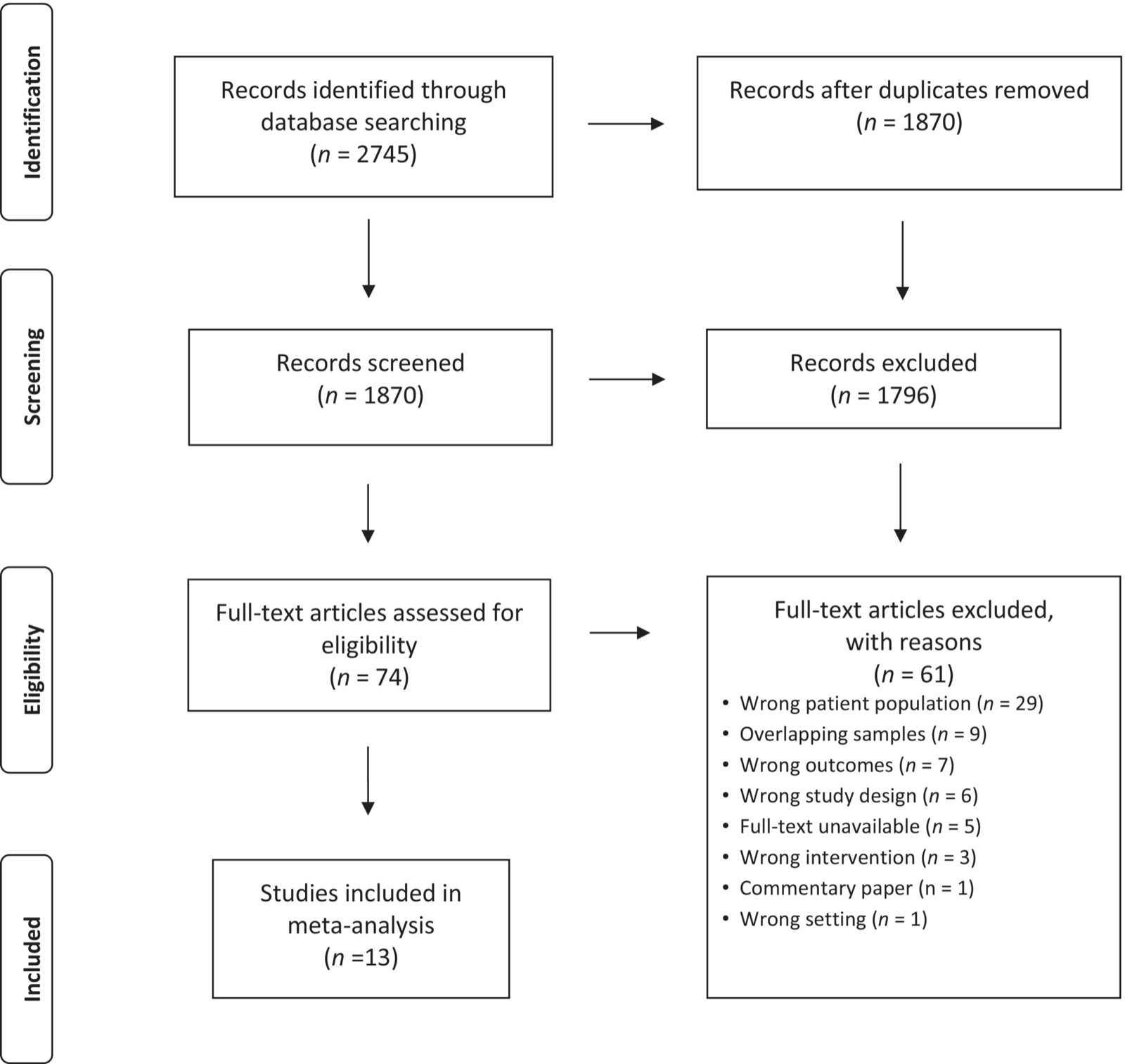
Table 1 — Characteristics of eligible studies.
- Study name: Le Grange et al. (1992); Location: Britain; AN diagnosed by: DSM-III-R; N: 18; % female: 89; Month at EOT: 6; Continuous: ✓
- Study name: Eisler et al. (2000); Location: Britain; AN diagnosed by: DSM-IV or ICD-10; N: 40; % female: 98; Month at EOT: 12; Remission: ✓
- Study name: Turkiewicz et al. (2010); Location: Brazil; AN diagnosed by: DSM-IV-TR; N: 9; % female: 100; Month at EOT: 6; Continuous: ✓
- Study name: Lock et al. (2010); Location: United States; AN diagnosed by: DSM-IV excluding amenorrhea; N: 61; % female: 91; Month at EOT: 12; Continuous: ✓
- Study name: Couturier et al. (2010); Location: Canada; AN diagnosed by: Not specified, confirmed with EDE; N: 14; % female: 100; Month at EOT: 12; Continuous: ✓
- Study name: Ellison et al. (2012); Location: Australia; AN diagnosed by: DSM-IV; N: 59; % female: 94; Month at EOT: NR; Continuous: ✓; Remission: ✓
- Study name: Lock et al. (2015); Location: United States; AN diagnosed by: DSM-IV-TR; N: 10; % female: 90; Month at EOT: 6; Continuous: ✓
- Study name: Le Grange et al. (2016); Location: Australia; AN diagnosed by: DSM-IV; N: 55; % female: 88; Month at EOT: 6; Continuous: ✓; Remission: ✓
- Study name: Wong et al. (2019); Location: Singapore; AN diagnosed by: DSM-IV and DSM-V; N: 42; % female: 93; Month at EOT: NR; Remission: ✓
- Study name: Chew et al. (2021); Location: Singapore; AN diagnosed by: DSM-V; N: 65; % female: 95; Month at EOT: 12; Continuous: ✓; Remission: ✓
- Study name: Lebow et al. (2021); Location: United States; AN diagnosed by: DSM-V; N: 15; % female: 87; Month at EOT: NR; Continuous: ✓; Remission: ✓
- Study name: Lock et al. (2021); Location: United States and Canada; AN diagnosed by: DSM-V; N: 20; % female: 80; Month at EOT: NR; Continuous: ✓; Remission: ✓
- Study name: Nadler et al. (2022); Location: United States and Canada; AN diagnosed by: DSM-V; N: 21; % female: 81; Month at EOT: 6; Continuous: ✓
Abbreviations: AN, anorexia nervosa; DSM, Diagnostic and Statistical Manual of Mental Disorders; EDE, eating disorder examination; EOT, end of treatment; definitions of continuous and remission outcomes varied; NR, not reported.
Analytic strategy
Using a random effects model (Dettori et al., 2022), an overall effect size was calculated for both continuous and remission outcomes using the standardised mean difference (i.e., Cohen's d). The following guidelines were used to interpret the results: small (d = 0.2), medium (d = 0.5), and large (d = 0.8; Cohen, 2013). A meta-analysis comprising 13 studies was completed to determine the efficacy of FBT in facilitating weight gain and decreasing ED symptomology and behaviours in adolescents with AN. Due to variations in how studies reported treatment outcomes related to continuous or remission measures, each was analysed separately. If a study included both remission and pre-post data, these data were included in each respective analysis to maximise sample size. Of note, when conducting these analyses, the Comprehensive Meta-Analysis software required a pre-post correlation for continuous data and an external correlation for categorical data. Since these values were not available from the included studies, the recommendation of Rosenthal (1993) was followed in using a conservative estimate of r = 0.7.
Pre-post continuous
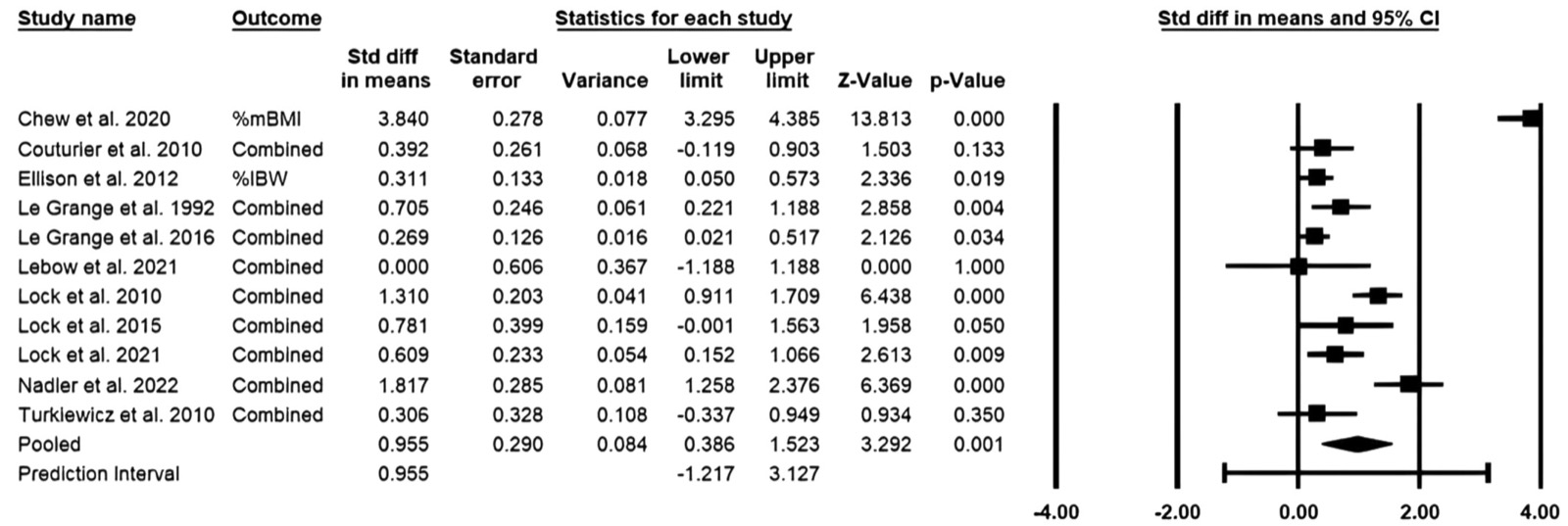
All but two studies reported outcomes continuously. Of these, 85% measured more than one behavioural outcome (i.e., body mass index, overall score on EDE, abstinence of bingeing and purging). The analysis of 11 studies revealed a large effect (d = 0.955, 95% CI [0.386–1.523], p < 0.001; see Figure 2). This suggests that FBT encourages weight gain and decreases ED symptomology. The heterogeneity between studies was significant, thus rejecting the null hypothesis of homogeneity, (Q(10) = 176.01, p < 0.001; I2 = 94%). One study, Chew et al. (2021), had a much larger effect size than any others; it was removed to see if this would substantially impact the heterogeneity. However, when Chew et al. (2021) was removed, it did not considerably change the effect size (d = 0.671, 95% CI [0.350–0.991], p < 0.001) or heterogeneity (Q(9) = 44.9, I2 = 80%), so it was retained.
Pre-post remission
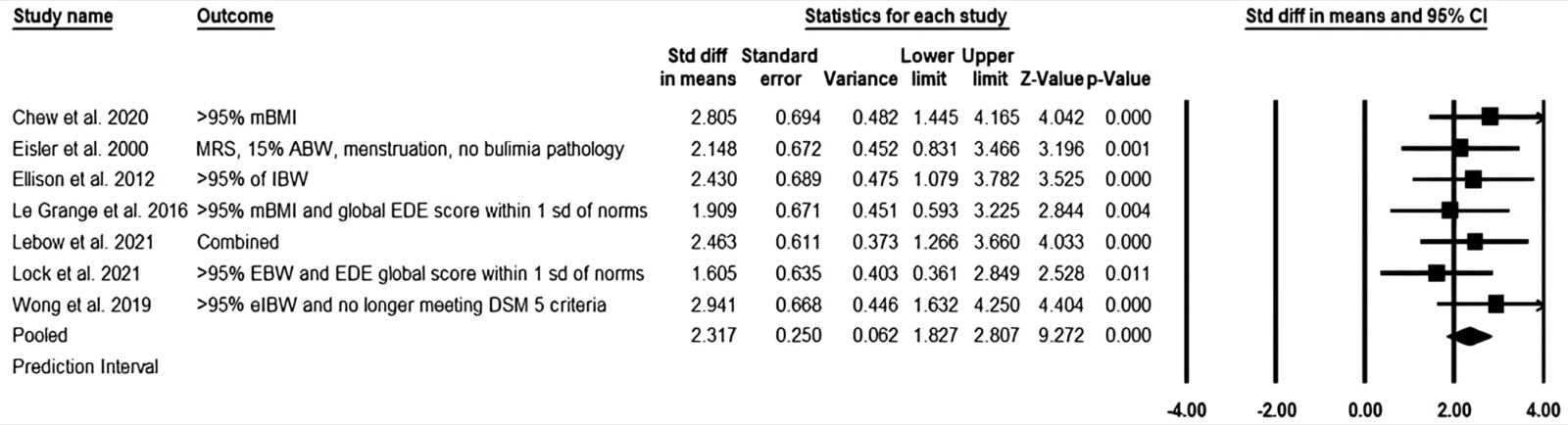
Seven studies included remission outcomes. This analysis revealed a large effect (d = 2.32, 95% CI [1.827, 2.807], p < 0.001, k = 7; see Figure 3). This suggests that FBT facilitates remission by encouraging weight gain and decreasing ED symptomology. Regarding heterogeneity, the Q-statistic was very small at Q(6) = 3.143. In fact, the Q-statistic was smaller than the degrees of freedom, meaning all indices of heterogeneity were set to zero.
DISCUSSION
The findings of the present study support the main hypothesis that FBT is an effective treatment for increasing weight gain and reducing ED behaviours in adolescents with AN. This finding is consistent with previous literature on the efficacy of FBT overall (Jewell et al., 2016) as well as previous literature demonstrating that FBT is more effective in achieving remission outcomes than other treatment formats (Gorrell et al., 2019). Distinct from the previous meta-analyses by Couturier et al. (2013), Fisher et al. (2018, 2019), Austin et al. (2025), and Wergeland et al. (2025) which examined the efficacy of FBT compared to other treatment approaches, the present meta-analysis only looked at pre-post outcomes. This resulted in the exclusion of some important studies and limits the conclusions that can be drawn. Nonetheless, the present findings contribute to existing literature that FBT is an effective treatment for adolescent EDs.
Novel contributions
The most novel contribution of the present study is its narrow focus on the manualised FBT approach (Lock & Le Grange, 2001, 2013). While FBT is widely regarded as the most effective treatment for adolescents with AN, the term has been inappropriately applied to a broader range of parent-involved interventions that do not follow the manualised approach. Consequently, no previous meta-analyses have examined the sole efficacy of FBT for this specific demographic. By addressing this gap, a more accurate evaluation of the effectiveness of FBT for adolescents is gained.
Strengths and limitations
The most overarching limitation of this study is the exclusion of between-group data from randomised controlled trials due to inconsistent control treatments, ranging from various family therapies to inpatient treatments, and cognitive behavioural therapy. Although pre-post results are useful in demonstrating changes within the same group of people, these findings may be less reliable due to potential maturational effects. An additional limitation pertaining to outcome measures was the inconsistency in definitions of remissions. However, this lack of consistency in remission outcomes reflects an issue in the ED literature at large noted by Miskovic-Wheatley et al. (2023). Although all studies included weight in their definition of remission, some also included scores on ED measures or considered whether DSM criteria were still met. As a result, differential measures of remission likely heightened the heterogeneity across studies and potentially skewed results. Another limitation is the inconsistent terminology regarding family-involved interventions, which may have led to the exclusion of relevant studies. Although broader terms like ‘family therapy’ were included in the search strategy, anecdotally, many were not manualised FBT.
Moreover, the main strength of this study is its comprehensive database search for eligible studies, focusing on those following the manualised or Maudsley treatment approach. Unlike previous meta-analyses, which limited their searches to a few databases and did not restrict inclusion to FBT principles, this study cast a wider net. Additionally, targeting adolescents with AN acknowledges substantial differences in EDs between adolescents and adults, providing a more specific analysis. Overall, despite certain limitations, this study offers an updated and comprehensive meta-analysis on the efficacy of FBT for adolescents with AN, incorporating a wide range of relevant studies up to November 2023.
Implications
Demonstrating the significant efficacy of FBT for treating AN in adolescents provides both theoretical and practical insights. First, given the high level of family involvement during FBT, it affirms the importance of engaging the family system during mental health challenges for children and adolescents. Additionally, given the fact that parents play a key role in ensuring follow-through with therapeutic practices at home, FBT supports models of help-seeking for adolescents, indicating parental involvement is important for treatment adherence (Hassett et al., 2018). Moreover, demonstrating the efficacy of FBT has benefits not only for patients, but also families, clinicians, and healthcare more broadly. Given the severity of AN, this presents a promising treatment modality to alleviate adolescents' physical and psychological suffering. Additionally, even though child mental health crises can negatively impact the entire family system (Gilbert et al., 2000), FBT may also play a role in improving family relationships (Wallis et al., 2017). Furthermore, outpatient treatment is more cost-effective than inpatient treatment models, which benefits healthcare broadly (Mairs & Nicholls, 2016). As a result, this treatment is both effective for the patient and beneficial to many surrounding systems, providing significant practical applications.
Future directions
The current study underscores several avenues future research may explore to enhance the understanding and utility of FBT. These suggestions pertain to both individual studies and future meta-analyses. When it comes to individual studies, perhaps the most important consideration would be utilising a consistent comparator treatment when conducting randomised controlled trials, which would allow for easier comparisons across studies. Additionally, consistent use of outcome measures specifically pertaining to remission would also allow for more accurate comparisons to be made. Another important factor is the use of proper terminology pertaining to family-based interventions. It is important precise terms are used so treatment types may be easily differentiated and eventually amalgamated for meta-analyses. Moreover, regarding treatment outcomes, future studies should consider broader psychological measures such as depression and anxiety symptomology. Due to the holistic, family-centred nature of FBT, family outcomes such as parental stress would also be useful to consider. Regarding treatment elements, researchers should also ensure to explicitly state characteristics of treatment that may function as potential moderators. This includes patient factors such as weight and symptom severity at baseline and the presence of comorbidities, as well as treatment factors, such as length of treatment or the number of family members involved.
Improvements and greater breadth to individual studies will ultimately allow for the development of more effective and meaningful meta-analyses. For instance, consistency in comparator conditions would also allow for the easier inclusion of between-group data in meta-analyses (something this study was lacking). Moreover, if studies report more detailed information regarding patient characteristics and treatment elements, meta-analyses will be able to effectively consider moderators' impacts and make stronger arguments pertaining to important elements for success. Additionally, once there is a growing body of studies evaluating the impact of FBT for more diverse genders and EDs, it would be important to consolidate this evidence. Similarly, if further outcome measures are considered, broader conclusions will be able to be drawn regarding the efficacy of FBT for patients and families. Ultimately, there are many areas for improvement and future consideration which is paramount for further exploration in an effort to make FBT as efficacious as possible.
CONCLUSION
In conclusion, the present meta-analysis effectively contributes to research on the efficacy of treatment options for EDs. More notably, it provides information on the unique utility of FBT separate from other family-involved interventions and also provides clarity on treatment terminology within the literature. The significant outcomes pertaining to FBT in this study also speak to the importance of including parents in the treatment of adolescent AN. Moreover, the effectiveness of FBT and positive stance on parental involvement may motivate family involvement in other mental health challenges for adolescents. This study is strengthened by limiting results to adolescents, the most at-risk demographic for developing severe AN. While this study confirms that FBT is an effective treatment for adolescents with AN, it encourages additional research to investigate the potential of FBT to treat other patient populations and EDs. Nonetheless, the present study is effective at differentiating FBT from other family-involved interventions and consolidating the literature for a crucial demographic and harmful disorder.
Complexe Systémique: key points
The main interest of this meta-analysis is to bring order to the vocabulary: “family therapy”, “Maudsley approach” and “FBT” do not mean the same thing, and only studies that follow the three-phase manual are included here. The clinical message echoes a shift systemic practitioners know well: parents, long held responsible for anorexia, become the treatment’s main resource, with the illness externalised and blame set aside. The figures should nevertheless be read with caution. Effect sizes are calculated pre-post, without a comparison group, with an imputed correlation and very high heterogeneity for continuous outcomes; part of the improvement may reflect time and maturation, as the team acknowledges. The meta-analysis thus confirms that FBT helps, without saying whether it helps more than another family therapy. For practice, the lesson is twofold: involve parents early, and name precisely the model being used, if only to be able to evaluate it. Read alongside the article on multi-family therapy for anorexia in Japan, and the article on treatments for eating disorders.
Notes from the original
1 'Bulimia' was also in our search strategy as we had planned to evaluate the impact of FBT for bulimia as well. However, only one eligible study with patients with bulimia was found and we therefore decided to limit the meta-analysis to anorexia nervosa.
Conflict of interest statement. The authors have no known conflicts of interest to disclose.
References
Accurso, E. C., Ciao, A. C., Fitzsimmons-Craft, E. E., Lock, J. D., & Le Grange, D. (2014). Is weight gain really a catalyst for broader recovery?: The impact of weight gain on psychological symptoms in the treatment of adolescent anorexia nervosa. Behaviour Research and Therapy, 56, 1–6. https://doi.org/10.1016/j.brat.2014.02.006
Adolescent Medicine Committee, & Canadian Paediatric Society. (1998). Eating disorders in adolescents: Principles of diagnosis and treatment. Paediatrics & Child Health, 3, 189–192.
American Academy of Child and Adolescent Psychiatry. (2018). Eating disorders in teens. https://www.aacap.org/AACAP/Families_and_Youth/Facts_for_Families/FFF-Guide/Teenagers-With-Eating-Disorders-002.aspx
American Psychiatric Association. (2022). Diagnostic and statistical manual of mental disorders ( 5th ed., text rev.). https://doi.org/10.1176/appi.books.9780890425787
Austin, A., Anderson, A. G., Lee, J., Vander Steen, H., Savard, C., Bergmann, C., Singh, M., Devoe, D., Gorrell, S., Patten, S., Le Grange, D., & Dimitropoulos, G. (2025). Efficacy of eating disorder focused family therapy for adolescents with anorexia nervosa: A systematic review and meta-analysis. The International Journal of Eating Disorders, 58(1), 3–36. https://doi.org/10.1002/eat.24252
Borenstein, M., Hedges, L., Higgins, J., & Rothstein, H. (2022). Comprehensive meta-analysis version 4. Biostat.
Campbell, K., & Peebles, R. (2014). Eating disorders in children and adolescents: State of the art review. Pediatrics, 134(3), 582–592. https://doi.org/10.1542/peds.2014-0194
Chew, C. S. E., Kelly, S., Tay, E. E., Baeg, A., Khaider, K. B., Oh, J. Y., Rajasegaran, K., Saffari, S. E., & Davis, C. (2021). Implementation of family-based treatment for Asian adolescents with anorexia nervosa: A consecutive cohort examination of outcomes. International Journal of Eating Disorders, 54(1), 107–116. https://doi.org/10.1002/eat.23429
Cohen, J. (2013). Statistical power analysis for the behavioral sciences. Academic Press. https://doi.org/10.4324/9780203771587
Couturier, J., Isserlin, L., & Lock, J. (2010). Family-Based Treatment for Adolescents with Anorexia Nervosa: A Dissemination Study. Eating Disorders, 18(3), 199–209. https://doi.org/10.1080/10640261003719443
Couturier, J., Isserlin, L., Norris, M., Spettigue, W., Brouwers, M., Kimber, M., McVey, G., Webb, C., Findlay, S., Bhatnagar, N., Snelgrove, N., Ritsma, A., Preskow, W., Miller, C., Coelho, J., Boachie, A., Steinegger, C., Loewen, R., Loewen, T., … Pilon, D. (2020). Canadian practice guidelines for the treatment of children and adolescents with eating disorders. Journal of Eating Disorders, 8(1), 4. https://doi.org/10.1186/s40337-020-0277-8
Couturier, J., Kimber, M., & Szatmari, P. (2013). Efficacy of family-based treatment for adolescents with eating disorders: A systematic review and meta-analysis. International Journal of Eating Disorders, 46(1), 3–11. https://doi.org/10.1002/eat.22042
Covidence systematic review software. (2024). Veritas Health Innovation. http://www.covidence.org
Dettori, J. R., Norvell, D. C., & Chapman, J. R. (2022). Fixed-effect vs random-effects models for meta-analysis: 3 points to consider. Global Spine Journal, 12(7), 1624–1626. https://doi.org/10.1177/21925682221110527
Eisler, I., Dare, C., Hodes, M., Russell, G., Dodge, E., & Le Grange, D. (2000). Family Therapy for Adolescent Anorexia Nervosa: The Results of a Controlled Comparison of Two Family Interventions. Journal of Child Psychology and Psychiatry, and Allied Disciplines, 41(6), 727–736.
Ellison, R., Rhodes, P., Madden, S., Miskovic, J., Wallis, A., Baillie, A., Kohn, M., & Touyz, S. (2012). Do the Components of Manualized Family-Based Treatment for Anorexia Nervosa Predict Weight Gain? International Journal of Eating Disorders, 45(4), 609–614. https://doi.org/10.1002/eat.22000
Erriu, M., Cimino, S., & Cerniglia, L. (2020). The role of family relationships in eating disorders in adolescents: A narrative review. Behavioral Science, 10(4), 71. https://doi.org/10.3390/bs10040071
Fairburn, C. G., Cooper, Z., & O'Connor, M. (2008). Eating disorder examination. In C. G. Fairburn (Ed.), Cognitive behaviour therapy and eating disorders (pp. 265–308). Guilford Press.
Fisher, C. A., Skocic, S., Rutherford, K. A., & Hetrick, S. E. (2018). Family therapy approaches for anorexia nervosa. The Cochrane Database of Systematic Reviews, 10(10), CD004780. https://doi.org/10.1002/14651858.CD004780.pub3
Fisher, C. A., Skocic, S., Rutherford, K. A., & Hetrick, S. E. (2019). Family therapy approaches for anorexia nervosa. Cochrane Database of Systematic Reviews, 5(5). https://doi.org/10.1002/14651858.CD004780.pub4
Gilbert, A. A., Shaw, S. M., & Notar, M. K. (2000). The impact of eating disorders on family relationships. Eating Disorders, 8(4), 331–345. https://doi.org/10.1080/10640260008251240
Gorrell, S., Byrne, C. E., Trojanowski, P. J., Fischer, S., & Le Grange, D. (2022). A scoping review of non-specific predictors, moderators, and mediators of family-based treatment for adolescent anorexia and bulimia nervosa: A summary of the current research findings. Eating and Weight Disorders - Studies on Anorexia, Bulimia and Obesity, 27(6), 1971–1990. https://doi.org/10.1007/s40519-022-01367-w
Gorrell, S., Loeb, K. L., & Le Grange, D. (2019). Family-based treatment of eating disorders: A narrative review. The Psychiatric Clinics of North America, 42(2), 193–204. https://doi.org/10.1016/j.psc.2019.01.004
Gull, W. (1874). Anorexia nervosa (apepsia hysterica, anorexia hysterica). Transactions of the Clinical Society of London, 7, 22–28.
Haine-Schlagel, R., Roesch, S. C., Trask, E. V., Fawley-King, K., Ganger, W. C., & Aarons, G. A. (2016). The parent participation engagement measure (PPEM): Reliability and validity in child and adolescent community mental health services. Administration and Policy in Mental Health, 43(5), 813–823. https://doi.org/10.1007/s10488-015-0698-x
Halmi, K. A. (2013). Perplexities of treatment resistance in eating disorders. BMC Psychiatry, 13(1), 292. https://doi.org/10.1186/1471-244X-13-292
Hassett, A., Green, C., & Zundel, T. (2018). Parental involvement: A grounded theory of the role of parents in adolescent help seeking for mental health problems. SAGE Open, 8(4), 2158244018807786. https://doi.org/10.1177/2158244018807786
Jewell, T., Blessitt, E., Stewart, C., Simic, M., & Eisler, I. (2016). Family therapy for child and adolescent eating disorders: A critical review. Family Process, 55, 577–594. https://doi.org/10.1111/famp.12242
Khalsa, S. S., Portnoff, L. C., McCurdy-McKinnon, D., & Feusner, J. D. (2017). What happens after treatment? A systematic review of relapse, remission, and recovery in anorexia nervosa. Journal of Eating Disorders, 5, 20. https://doi.org/10.1186/s40337-017-0145-3
Lasegue, C. (1873). On hysterical anorexia. Medical Times and Gazette, 2, 265–266, 367–369.
Lebow, J., Mattke, A., Narr, C., et al. (2021). Can Adolescents with Eating Disorders Be Treated in Primary Care? A Retrospective Clinical Cohort Study. Journal of Eating Disorders, 9, 55. https://doi.org/10.1186/s40337-021-00413-9
Le Grange, D., Eisler, I., Dare, C., & Russell, G. F. (1992). Evaluation of Family Treatments in Adolescent Anorexia Nervosa: A Pilot Study. International Journal of Eating Disorders, 12(4), 347–357. https://doi.org/10.1002/1098-108X(199212)12:4<347::AID-EAT2260120402>3.0.CO;2-W
Le Grange, D., Eckhardt, S., Dalle Grave, R., Crosby, R. D., Peterson, C. B., Keery, H., Lesser, J., & Martell, C. (2022). Enhanced cognitive-behavior therapy and family-based treatment for adolescents with an eating disorder: A non-randomized effectiveness trial. Psychological Medicine, 52(13), 2520–2530. https://doi.org/10.1017/S0033291720004407
Le Grange, D., Lock, J., Agras, W. S., Bryson, S. W., & Jo, B. (2015). Randomized clinical trial of family-based treatment and cognitive-behavioral therapy for adolescent bulimia nervosa. Journal of the American Academy of Child and Adolescent Psychiatry, 54(11), 886–894.e2. https://doi.org/10.1016/j.jaac.2015.08.008
Le Grange, D., Lock, J., Loeb, K., & Nicholls, D. (2009). Academy for eating disorders position paper: The role of the family in eating disorders. International Journal of Eating Disorders, 43(1), 1–5. https://doi.org/10.1002/eat.20751
Levinson, C. A., Cusack, C., Brown, M. L., & Smith, A. R. (2022). A network approach can improve eating disorder conceptualization and treatment. Nature Reviews Psychology, 1(7), 419–430. https://doi.org/10.1038/s44159-022-00062-y
Lock, J., & Le Grange, D. (2001). Can Family-Based Treatment of Anorexia Nervosa Be Manualized? Journal of Psychotherapy Practice and Research, 10(4), 253–261.
Lock, J. (2011). Evaluation of family treatment models for eating disorders. Current Opinion in Psychiatry, 24(4), 274–279. https://doi.org/10.1097/YCO.0b013e328346f71e
Lock, J., & Le Grange, D. (2012). Treatment Manual for Anorexia Nervosa: A Family-Based Approach ( 2nd ed.). Guilford Press.
Lock, J. (2018). Family therapy for eating disorders in youth: Current confusions, advances, and new directions. Current Opinion in Psychiatry, 31(6), 431–435. https://doi.org/10.1097/YCO.0000000000000451
Lock, J., & Le Grange, D. (2013). Treatment manual for anorexia nervosa: A family-based approach ( 2nd ed.). Guilford Press.
Le Grange, D., Hughes, E. K., Court, A., Yeo, M., Crosby, R. D., & Sawyer, S. M. (2016). Randomized Clinical Trial of Parent-Focused Treatment and Family-Based Treatment for Adolescent Anorexia Nervosa. Journal of the American Academy of Child and Adolescent Psychiatry, 55(8), 683–692. https://doi.org/10.1016/j.jaac.2016.05.007
Lock, J., Le Grange, D., Agras, W. S., & Dare, C. (2001). Treatment manual for anorexia nervosa: A family-based approach. Guilford Press.
Lock, J., Le Grange, D., Agras, W. S., Moye, A., Bryson, S. W., & Jo, B. (2010). Randomized Clinical Trial Comparing Family-Based Treatment with Adolescent-Focused Individual Therapy for Adolescents with Anorexia Nervosa. Archives of General Psychiatry, 67(10), 1025–1032. https://doi.org/10.1001/archgenpsychiatry.2010.128
Lock, J., Le Grange, D., Agras, W. S., Fitzpatrick, K. K., Jo, B., Accurso, E., Forsberg, S., Anderson, K., Arnow, K., & Stainer, M. (2015). Can Adaptive Treatment Improve Outcomes in Family-Based Therapy for Adolescents with Anorexia Nervosa? Feasibility and Treatment Effects of a Multi-Site Treatment Study. Behaviour Research and Therapy, 73, 90–95. https://doi.org/10.1016/j.brat.2015.07.015
Lock, J., Couturier, J., Matheson, B. E., Datta, N., Citron, K., Sami, S., Welch, H., Webb, C., Doxtdator, K., & John-Carson, N. (2021). Feasibility of Conducting a Randomized Controlled Trial Comparing Family-Based Treatment via Videoconferencing and Online Guided Self-Help Family-Based Treatment for Adolescent Anorexia Nervosa. International Journal of Eating Disorders, 54(11), 1998–2008. https://doi.org/10.1002/eat.23611
Loeb, K. L., & le Grange, D. (2009). Family-based treatment for adolescent eating disorders: Current status, new applications and future directions. International Journal of Child and Adolescent Health, 2(2), 243–254.
Mairs, R., & Nicholls, D. (2016). Assessment and treatment of eating disorders in children and adolescents. Archives of Disease in Childhood, 101(12), 1168–1175. https://doi.org10.1136/archdischild-2015-309481
Medway, M., & Rhodes, P. (2016). Young people's experience of family therapy for anorexia nervosa: A qualitative meta-synthesis. Advances in Eating Disorders, 4(2), 189–207. https://doi.org/10.1080/21662630.2016.1164609
Micali, N., Solmi, F., Horton, N. J., Crosby, R. D., Eddy, K. T., Calzo, J. P., Sonneville, K. R., Swanson, S. A., & Field, A. E. (2015). Adolescent eating disorders predict psychiatric, high-risk behaviors and weight outcomes in young adulthood. Journal of the American Academy of Child and Adolescent Psychiatry, 54(8), 652–659. https://doi.org/10.1016/j.jaac.2015.05.009
Miskovic-Wheatley, J., Bryant, E., Ong, S. H., Vatter, S., Le, A., National Eating Disorder Research Consortium, Touyz, S., & Maguire, S. (2023). Eating Disorder Outcomes: Findings from a Rapid Review of over a Decade of Research. Journal of Eating Disorders, 11(1), 85. https://doi.org/10.1186/s40337-023-00801-3
Morgan, H. G., & Hayward, A. E. (1988). Clinical assessment of anorexia nervosa. The Morgan-Russell outcome assessment schedule. The British Journal of Psychiatry: the Journal of Mental Science, 152, 367–371. https://doi.org/10.1192/bjp.152.3.367
Murray, S. B., & Le Grange, D. (2014). Family therapy for adolescent eating disorders: An update. Current Psychiatry Reports, 16(5), 447. https://doi.org/10.1007/s11920-014-0447-y
Murray, S. B., Quintana, D. S., Loeb, K. L., Griffiths, S., & Grange, D. L. (2019). Treatment outcomes for anorexia nervosa: A systematic review and meta-analysis of randomized controlled trials. Psychological Medicine, 49(4), 535–544. https://doi.org/10.1017/S0033291718002088
Nadler, J., Correll, C. U., Le Grange, D., Accurso, E. C., & Haas, V. (2022). The Impact of Inpatient Multimodal Treatment or Family-Based Treatment on Six-Month Weight Outcomes in Youth with Anorexia Nervosa: A Naturalistic, Cross-Continental Comparison. Nutrients, 14(7), 1396. https://doi.org/10.3390/nu14071396
Page, M. J., McKenzie, J. E., Bossuyt, P. M., Boutron, I., Hoffmann, T. C., Mulrow, C. D., Shamseer, L., Tetzlaff, J. M., Akl, E. A., Brennan, S. E., Chou, R., Glanville, J., Grimshaw, J. M., Hróbjartsson, A., Lalu, M. M., Li, T., Loder, E. W., Mayo-Wilson, E., McDonald, S., … Moher, D. (2021). The PRISMA 2020 statement: An updated guideline for reporting systematic reviews. BMJ, 372, n71. https://doi.org/10.1136/bmj.n71
Rienecke, R. D. (2017). Family-based treatment of eating disorders in adolescents: Current insights. Adolescent Health, Medicine and Therapeutics, 8, 69–79. https://doi.org/10.2147/AHMT.S115775
Rienecke, R. D., & Le Grange, D. (2022). The five tenets of family-based treatment for adolescent eating disorders. Journal of Eating Disorders, 10(1), 60. https://doi.org/10.1186/s40337-022-00585-y
Rosenthal, R. (1993). Meta-analytic procedures for social research. Sage Publications.
Sisk, L. M., & Gee, D. G. (2022). Stress and adolescence: Vulnerability and opportunity during a sensitive window of development. Current Opinion in Psychology, 44, 286–292. https://doi.org/10.1016/j.copsyc.2021.10.005
Turkiewicz, G., Pinzon, V., Lock, J., & Fleitlich-Bilyk, B. (2010). Feasibility, Acceptability, and Effectiveness of Family-Based Treatment for Adolescent Anorexia Nervosa: An Observational Study Conducted in Brazil. Revista Brasileira de Psiquiatria, 32(2), 169–172. https://doi.org/10.1590/s1516-44462010005000001
van Hoeken, D., & Hoek, H. W. (2020). Review of the burden of eating disorders: Mortality, disability, costs, quality of life, and family burden. Current Opinion in Psychiatry, 33(6), 521–527. https://doi.org/10.1097/YCO.0000000000000641
Wallis, A., Rhodes, P., Dawson, L., Miskovic-Wheatley, J., Madden, S., & Touyz, S. (2017). Relational containment: Exploring the effect of family-based treatment for anorexia on familial relationships. Journal of Eating Disorders, 5, 27. https://doi.org/10.1186/s40337-017-0156-0
Wergeland, G. J., Ghaderi, A., Fjermestad, K., Enebrink, P., Halsaa, L., Njardvik, U., Riise, E. N., Vorren, G., & Öst, L. G. (2025). Family therapy and cognitive behavior therapy for eating disorders in children and adolescents in routine clinical care: A systematic review and meta-analysis. European Child & Adolescent Psychiatry, 34(3), 883–902. https://doi.org/10.1007/s00787-024-02544-1
Wong, L., Goh, L. G., & Ramachandran, R. (2019). Family-Based Therapy for Anorexia Nervosa: Results from a 7-Year Longitudinal Singapore Study. Eating and Weight Disorders: EWD, 24(6), 1215–1219. https://doi.org/10.1007/s40519-019-00654-3
World Health Organization. (2019). International statistical classification of diseases and related health problems (11th ed.). https://icd.who.int/
Reformatted republication of Family-based treatment for adolescent anorexia nervosa: A meta-analysis, by Jada Benedictson, Lara Penner-Goeke, Emily Hogan, Rachel Wiens and Jen Theule, Australian and New Zealand Journal of Family Therapy, vol. 46, no 2 (2025), doi: 10.1002/anzf.70001, under a CC BY 4.0 licence. Edition and layout: Complexe Systémique, September 2026 — the work has been modified under the terms of the licence (table presented as a list). Neither the authors nor the publisher are responsible for this edition; the original version prevails.
This is the original article “Family-based treatment for adolescent anorexia nervosa: A meta-analysis”, published in Australian and New Zealand Journal of Family Therapy (2025) under a CC BY 4.0 licence. Republished by Complexe Systémique: the author’s text is unchanged; only the presentation has been adapted for reading online, as set out at the head of this page.
Read the original articleHow to cite this article
Benedictson, J., Penner-Goeke, L., Hogan, E., Wiens, R., et Theule, J. (2025). Family-based treatment for adolescent anorexia nervosa: A meta-analysis. Complexe Systémique. https://app.complexe-systemique.com/en_GB/articles/family-based-treatment-for-adolescent-anorexia-nervosa-a-meta-analysis (Original work published in 2025 in Australian and New Zealand Journal of Family Therapy, 46(2), e70001 (2025); republished in 2025 by Australian and New Zealand Journal of Family Therapy, https://onlinelibrary.wiley.com/doi/full/10.1002/anzf.70001)
To go further
- Adaptation of multi-family therapy for children and adolescents with anorexia nervosa in JapanMulti-family therapy.
- Anorexia and bulimia: what you need to know. Treatments for eating disordersTreating eating disorders.
- Beyond the project of anorexia nervosa: Integrating White’s externalizing conversations and Sartre’s existential approach to empower a new sense of agencyExternalising anorexia.
Related training courses
 Short course
The suicidal crisis in adolescents and young adults
Training: assessing and supporting the suicidal crisis in adolescents and young adults. Clinical landmarks and systemic tools. In French.
 Certifying course
Training in Systemic Therapy and Interventions – Cycle 1
Certifying training cycle in systemic therapy and interventions – year 1. Courses, supervision and practice, aligned with EFTA/SFTF. In French.
 Certifying course
Training in Systemic Therapy and Interventions – Cycle 2
Certifying training cycle in systemic therapy and interventions – year 2. Clinical complexity, supervision and practice. EFTA/SFTF aligned. In French.
 Certifying course
Training in Systemic Therapy and Interventions – Cycle 3
Certifying training cycle in systemic therapy and interventions – year 3. In-depth intervention, supervision and practice. EFTA/SFTF aligned. In French.
Related articles
 Article
 How Venezuelan mothers and their young children use storytelling to process immigration journeys
Seven Venezuelan mothers tell their young children about crossing the Darién: shared memories or superhero tales, six ways of facing fear together.
 Article
 The AFFIRM Model for Navigating Challenges in Continuously-Interfaith and Divergent-Interfaith Marriages
Thirty happy interfaith couples describe how they navigate their religious differences: five processes, from respecting each other’s choices to religious intimacy, gathered in the AFFIRM model.
 Article
 Parenting after critical illness: a biopsychosocial review of post-intensive care syndrome, family systems, and child outcomes
After post-intensive care syndrome, parenting falters, the co-parent is worn down and children help in silence. A biopsychosocial review proposes how to spot them.
 Article
 Are You Qualified, ChatGPT? Examining Clinical Skills and Competencies of ChatGPT in Delivering Systemic Interventions
A GPT trained in systemic interventions, blind-rated by twelve clinical supervisors: a rushed, dominating novice, whom the client nonetheless loved.