Journal of Solution Focused Practices · Ethics
Leave No Trace, Willful Unknowing, and Implications from the Ethics of Sustainability for Solution-Focused Practice Outdoors
“Leave no footprints in your clients’ lives,” said Insoo Kim Berg. Stephan Natynczuk and Will Dobud, outdoor therapists, take the phrase literally: the seven principles of Leave No Trace, the sustainability ethic of mountain and river guides, become metaphors for the solution-focused conversation – do not be a tourist in the client’s life, do not leave your own rubbish behind, do not dig deep, do not build a fire you cannot extinguish before the session’s end. From there the authors move to privilege, to the ‘willful unknowing’ that refuses to see it, and to the Traditional Custodians of the unceded lands on which so many outdoor programmes operate. Decolonising one’s practice begins with de-centering oneself.
This is the original article Leave No Trace, Willful Unknowing, and Implications from the Ethics of Sustainability for Solution-Focused Practice Outdoors, by Stephan Natynczuk and Will W. Dobud, published in Journal of Solution Focused Practices (2021), doi: 10.59874/001c.75049, under a CC BY 4.0 licence. Republished by Complexe Systémique: the authors’ text is unchanged; only the presentation has been adapted for reading online, Table 1 being rendered as seven cards. Boxes labelled “Complexe Systémique” are ours, not the authors’.
Leave no footprints in your clients’ lives
Insoo Kim Berg (2009), epigraph of the article
Abstract
Taking talking therapy outdoors is becoming increasingly popular, especially gaining traction in response to COVID restrictions on what can be done face-to-face indoors, and with increasing awareness of benefits from being outdoors in nature (Ewert & Davidson, 2021). In this paper, we draw on ethics of sustainability from the outdoor activity sector to look for metaphors for therapeutic practice outdoors, especially solution-focused brief therapy. We start with what is currently regarded as good practice for the preservation and conservation of the environments and habitats we frequent. We then develop these tenets of ethics, such as Leave No Trace, as metaphors for deliberate solution-focused therapeutic work outdoors, especially with regard to honoring the voices of our clients. Metaphors are provided to demonstrate why, and how, outdoor therapy practitioners should aim to ‘leave no trace’ in the lives of those they serve, as they would leave no trace of their presence on the land they travel. We illustrate how our practice can draw on sustainability ethics to enable the decolonization of our solution-focused outdoor work (Mlcek, 2017), and consider how a privilege-aware approach to practice can be used to help ‘decolonize’ therapeutic practice. We suggest that solution-focused approaches to outdoor therapy require additional work in counselling theory and ethics to supplement outdoor leadership qualifications.
Introduction
Solution-focused brief therapy (solution-focused) has been previously described as a useful theoretical framework for outdoor and adventure-based therapies (Gass & Gillis, 1995; Natynczuk, 2016; Natynczuk, 2020; Pyror et al., 2005). Despite contributions to the literature, little has been discussed about how the ethical attitudes of solution-focused practitioners and outdoor sustainability can inform therapy outdoors. According to Harper and Dobud’s (2020) review of outdoor therapies, there are many who engage in therapeutic work in natural areas.
While we know of psychotherapists, social workers, counselors, educators, and other clinically trained helpers doing this work, we also include the professionals without clinical training, such as adventure guides, instructors, and coaches providing de facto outdoor therapy services in this discussion. With that in mind, we refer to outdoor therapy and solution-focused providers as practitioners throughout this paper to remain as inclusive as possible. Throughout our paper, we make clear links to solution-focused assumptions of practice as a useful orientation for informing our therapeutic work outdoors, and by extension, to address privilege, and decolonizing therapy.
For many, and with therapeutic intent put aside, outdoor experiences are often perceived anecdotally as ‘character building’ for ‘troubled youth’. In our hopes as solution-focused outdoor therapy practitioners, the modern outdoor industry is, in a very real sense, becoming a caring profession in which clients’ needs and preferences are honored. Cook (2001) and Loynes (2002) wrote how the instructed outdoor sector in the UK has moved on from its origins of preparing young people for war and running the British Empire. In the present adventure leadership award system, a drift towards what we generically call the soft skills of facilitation, such as listening and coaching, has gradually gained more credence within the role of outdoor leaders as the therapeutic value of time in nature has gained traction (Harper et al., 2021). In addition to this, outdoor therapy practitioners require a refreshed and easily accessible ethic, from the seasoned psychotherapy clinician to the adventure guide, and vice versa. Blending ethics from therapy, outdoor leadership, and sustainability is an important aspect of shaping outdoor therapies as a professional undertaking (Natynczuk 2016; 2020).
Though brief, our discussion about this solution-focused ethical stance steered us towards power and privilege, the decolonization of therapeutic practices, and how the sustainability ethics of Leave No Trace (LNT) can inform the helping professions. LNT consists of seven principles: (a) Plan Ahead and Prepare, (b) Travel and Camp on Durable Surfaces, (c) Dispose of Waste Properly, (d) Leave What You Find, (e) Minimize Campfire Impacts, (f) Respect Wildlife, and (g) Be Considerate of Other Visitors. While at first glance the therapy practitioner might wonder how respecting wildlife and other visitors could lead to useful metaphors in solution-focused practice, we found our inquiry into these deceptively simple principles led to such inspiring metaphors for practice.
Addressing our own positionality, we write this paper as the sons of refugee fathers displaced by events in history and growing up both vicariously and directly different to our peers. Our ethical stance is informed by the dangers of the enforced removal of people, on the rounding up of ethnic groups in Europe for removal to labor and extermination camps, and on the dispossession and forcible displacement of other ethnic groups that should teach a lesson from history, let alone from the stance of Human Rights. One hopes that an anti-oppressive solution-focused approach (Natynczuk, 2014) can shortcut cultural barriers by being non-normative, with practitioners remaining the ultimate in client-centered practice; advising practitioners to tread lightly in clients’ lives (George, 2007). We link to principles of decolonization, power, and privilege. Not only were we informed by the death of George Floyd and the associated movements protesting this, but the theme of anti-oppressive and inclusive practice from the Solution-Focused Brief Therapy Association’s online conference in 2020.
Doing No Harm, Doing Least Harm, and Caring in Outdoor Therapy
Do no harm is a well-established primary ethic among the helping professions and is often attributed to Hippocrates’ famous oath. Though it can seem apocryphal, this is an aspirational stance helping ensure those that come to us with challenges leave in a better condition than when they arrived. To ‘do least harm’ might seem more pragmatic, while illustrating the complexity of both defining and adhering to ethical behavior, as Pope et al. (1987) showed among therapy practitioners. In writing about Outward Bound founder Kurt Hahn’s interest in developing compassion and service through outdoor experiences, McKenzie and Blenkinsop (2006) pointed out that while care for others is a universal concept, the construction of adequate care varies from culture to culture. While outdoor experiences can be useful in building a sense of co-existence and reconciliation between individuals and communities (Stidder & Haasner, 2007), combining therapy and outdoor activities is not always as simple as holding a meaningful conversation outdoors. According to Becker (2015), nature has much to remind us regarding our connection to it. Nonetheless, there are important conversations to be had and there are many ways of going about them (Harper & Dobud, 2020). We consider a solution-focus approach, as presented by Natynczuk (2014), to be a user-friendly guide for outdoor practitioners, drawing attention to aspects of outdoor professionalism that translates directly as metaphors for therapeutic practice, such as creating a climate of competence, success and mastery, and co-constructing a preferred future, duty of care, and being useful.
When we venture into wild places, there is a requirement for skills and experience to lead, navigate, and survive in what can quickly become harsh and unforgiving environments. Nature does not always heal, and has many ways of injuring, maiming, and killing the unwary and unprepared. Hence, insurance companies and regulating authorities’ requirements for thoroughly considered risk assessments and safety protocols. Aspirant outdoor therapy practitioners learn quickly that their influence goes beyond teaching skills, such as how to navigate with a compass, and depends largely on interpersonal skills (Gray & Collins, 2016) and risk management (Hickman & Stokes, 2016). Everything outdoor therapy practitioners do through their leadership influences the quality of therapeutic alliances (Natynczuk, 2019). There are numerous relevant acronyms, such as CLAP, which derives from river leadership, though applicable to other activities, such as abseiling underground. CLAP reminds us of elements of outdoor leadership: Communication, Line of sight, Avoidance of hazards, and Position of maximum usefulness. The therapeutic equivalence is readily apparent: good communication is essential. We keep a clear line of sight towards a client’s preferred future, avoid anything not pertinent to a client’s best interests, and remain most useful in our co-facilitation. Most importantly, there are considerations of safety, and when duty of care is not upheld, there can be serious consequences for all involved. Clients and practitioners can lose their lives (Kellet 2015). We are also concerned with how the environment is conserved and protected from erosion, pollution, and how flora and fauna are not damaged or destroyed. These ethics serve to protect people camping in wild places from infecting each other through inconsiderate hygiene practices and burning down the forest or dry moorland. Of course, there are too many metaphors we can borrow from best practice outdoors for this one paper. For example, a rock climber should avoid chipping rock to create holds to make the climbing easier. The result being a cheat that destroys the original grade of the climb with physical graffiti. In climbing circles, this would probably lead to the chipper being ostracized as a traditional climb would be ruined, both aesthetically and for the sport. As solution-focused practitioners, we would not endeavor ourselves to make our client’s life easier by doing the work for them; we do the equivalent of helping them find the natural holds themselves. As we have found, outdoor therapy practices include many useful metaphors for solution-focused brief therapy, challenging our privilege, and the decolonizing of therapeutic practice. Working outdoors is a practice rich in cheesy metaphors (for instance, not polluting water sources (client’s sense of authentic self perhaps, or their own useful resources) with one’s own waste (countertransference)). Thus, we can avoid the twin pitfalls of transference and countertransference, which we generally avoid in solution-focused practice. We invite our readers to consider the metaphors they can use for their solution-focused practice. Below are a few of the metaphors we uncovered while developing our inquiry into LNT and solution-focused therapy outdoors.
Readily transferable solution-focused metaphors include:
- Not being a tourist in your client’s life: We do not do the therapeutic equivalent of wandering around without purpose. When working outdoors, we should have a map so that at any given time we know exactly where we are, where we have been, and where we are going next. As solution-focused practitioners, we help clients draw their own figurative map to their own preferred future by inquiring about their best hopes for our work together (Ratner et al., 2012). Outdoor therapy practitioners are encouraged to consider the model of therapy they provide. Is their work a confused amalgamation of psychodynamic, trauma-informed, cognitive-behavioral, NLP, and solution-focused? If so, they may be reading from too many maps and can quite easily get lost or stuck, as well as perhaps sending mixed messages about their navigation skills. After all, how will they know if therapy is ‘off-track’ if there is no track to take?
- Not leaving your own rubbish behind: Giving advice from your own hindsight, or even mis-judged hindsight, can backfire should the practitioner get it wrong for the client. Remember as the song “Sunscreen” suggests, “Advice is a form of nostalgia.” By giving unsolicited advice, practitioners invite clients to blame them to the detriment of the therapeutic alliance. When clients notice positive change in their life, practitioners avoid appropriating that change to their own expertise and explore with their client how, despite their own real adversities, they demonstrate resilience, fortitude, and determination. Likewise, if the client reports deterioration to their wellbeing, practitioners do not blame the client or use terms like resistant, denial, pre-contemplative, or any other theoretical justification to rationalize the lack of progress.
- Avoid digging deep: Berg and de Shazer (2012) advised practitioners to stay on the surface, not to dig too deep; like how we avoid digging deep trenches at a remote campsite. We aim to camp on firm surfaces and not disturb sensitive environments. We avoid collecting flora, or trampling habitats for endangered fauna, like gravel stream beds, non-compacted soils, cave sediments, and speleothems. Underground explorers would expect to be guided by conservation tape placed to keep people away from fragile artefacts and calcite formations. It can be tempting to use these actions as a metaphor for re-awakening a client’s trauma, which is not useful when we strive to work towards outcomes rather than digging thoughtlessly through the past. We avoid going beneath the surface, respecting the fine line between careful and careless. Practitioners might know where, in a client’s narrative, it is not safe to venture for the risk of causing damage and might know the effects of bad practice outside of an ethical code.
Leaving No Trace in Outdoor Therapy Practice
As solution-focused practitioners, our therapeutic ideal is to leave no trace of one’s intervention (George, 2007). Clients should experience doing the work to bring about change themselves; being their own intervention. Ratner et al. (2012) reminded us that Insoo Kim Berg was a proponent of the aspirational ethic of leaving no footprints in a client’s life, including asking questions that do no harm; for example, through re-invoking trauma. This ethic relates directly to one foremost in recent sustainability ethics, Leave No Trace (LNT, 2020), which builds on the old saying: Take nothing but photographs and leave nothing but gratitude. For 25 years or so, LNT (2020) has grown into a stand-alone training course for outdoor instructors with a claimed reach of 15.5 million people. Such training educates people in practical ways to take the utmost care in considering their impact, and the impact of the groups they lead in fragile environments. There is evidence that LNT is generally accepted in the adventure community (Sharp et al., 2020) and features internationally in mountain leader and wilderness guide training. The ideal is that no trace of a groups’ presence can be noticed once they have moved on. There is no rubbish; no trace of anyone camping the night. The environment at that location is as pristine or better than when the group turned up. With increasing demand on ever accessible natural environments, such an ethical stance to do no harm and leave no trace is necessary.
We are indebted to our outdoor therapy colleagues with whom we piloted these ideas. For example, [Second Author] discussed our preliminary findings with Boandik Aboriginal Elder Uncle Ken Jones at an adventure therapy event in South Australia. With decades of experience working with vulnerable incarcerated populations, Uncle Ken’s attention was quickly drawn to the fifth LNT principle: Minimize Campfire Impacts. He said we should never smother a client. We must use small sticks to engage our fire, and never move ahead of our client. Most importantly, Uncle Ken argued against building a fire you cannot extinguish before a session’s end, thus avoiding retraumatization. In Table 1 below, we have taken the seven principles of LNT, compared the outdoor ethic with a therapeutic equivalent, and drawn on assumptions in solution-focused practice (Wheeler & Vinnicombe, 2011).
Our inquiry into how the LNT principles can lead us to useful metaphors for outdoor therapy practice reminded us to consider our own ethical stance. For example, by positioning our clients as experts in their own lives, we are reminded of the importance of anti-oppressive practice, to question our privilege, and acknowledge the many ways of knowing, thus decolonizing our approach. We expand on these themes below.
Table 1 — The seven tenets of Leave No Trace, their outdoor best practice, therapeutic, and solution-focused practice equivalents
1. Plan Ahead and Prepare
Outdoor Practice. Consent and contracting. Appropriate medical history and next of kin details. Thorough risk assessment is recommended. Choice of venue, route, timings, duration, location of facilities, pacing, late return/emergency call out & communication, local bye-laws, access restrictions, maps, compass, technical equipment, rescue kit, clothing with regard to climate & weather forecast, spare clothing, head torches, first aid kit, emergency shelter, facility to make a hot drink and so forth.
General Therapeutic Practice. Being able to cope with unexpected occurrences takes on a new meaning, especially in unfamiliar environments. Walk and talk pace can be very slow, the weather has a huge impact. Terrain has to be appropriate to clients’ fitness - it is difficult to talk when out of breath. Pacing conversation with respect to the effort of moving. Know places on your route where privacy is easier to find. For short walks know the route, timings, and places you can stand aside from the path while deep contemplation occurs. There are so many metaphors in the outdoors that can help or hinder. Understand the importance of landscape and how environment and nature can interact as co-facilitator. Anticipate the impact of distractions, such as playful dogs and chatty interlopers. Know how to finish the session if the route outlasts the conversation or vice versa.
Solution-focused Practice. Clients bring their own resources and strengths, both personal and in their social networks. Prepare to acknowledge the changes occurring all the time. Regard clients as resourceful and capable of change. Before the session, think of your client at their best.
2. Travel, Work, and Camp on Durable Surfaces
Outdoor Practice. Reduce erosion, soil damage, habitat destruction.
General Therapeutic Practice. Stay on the surface, not digging too deep unless it is helpful. Do not make assumptions. Do not give unsolicited advice.
Solution-focused Practice. Work with your clients’ resilience, strengths, and instances of coping well. Clients’ solutions are more likely to fit their particular situation and are more likely to be implemented and maintained. Work with what works well. Understand what your client wants from the session. Work with your client to navigate to their preferred future, or the destination for the session.
3. Dispose of Waste Properly
Outdoor Practice. Bag and take away all forms of waste in a hard leakproof container. Do not pollute water sources. Do not bury or burn rubbish.
General Therapeutic Practice. Take care not to ask careless questions and apologize for the ‘stupid’ questions. Avoid ‘diagnosing’ your client through the lens of your own experience, or through poorly understood theories and hypotheses.
Solution-focused Practice. Avoid countertransference and prescribing ‘solutions’ from one’s own narrative and experiences. The client is the expert.
4. Leave What You Find
Outdoor Practice. Do not remove flora, fauna, or artefacts. Do not add graffiti or carve natural surfaces. Do not hack at vegetation unnecessarily or throw rocks recklessly over cliffs or down steep slopes.
General Therapeutic Practice. Respect the client’s experience and position of expert on themselves. Maintain confidentiality.
Solution-focused Practice. Respect clients’ knowledge and preferences of what they want from talking with you. Do not be a tourist in clients’ lives. The client is not the problem.
5. Minimize Campfire Impacts
Outdoor Practice. Avoid scorching the ground, take care not to set peat or grassland or forests on fire. Use established fire pits, avoid excessive smoke, and keep fires as small as possible. If the fire is too big, we do not know what damage we will find should we leave it unattended. Extinguish all fires as soon as they are done with. Tidy fire pits and replace turf if digging a fresh pit.
General Therapeutic Practice. Avoid re-invoking or causing further trauma. Do not dig deep into issues you cannot extinguish before the session’s end. Avoid insensitivity and insincerity.
Solution-focused Practice. Be careful giving praise, should it sound inauthentic. Validate the client’s experience and avoid prescribing your own solutions. Problems that appear complex might not require a complex solution. In wet weather we find dry wood within a log and focus on growing a fire from it, as we would listen for exceptions and instances of a preferred future already in existence.
6. Respect Wildlife
Outdoor Practice. Do not chase, intimidate, damage fauna and flora. Keep disturbance through noise, for example, minimal.
General Therapeutic Practice. Respect everything our client brings to the session. Do not take anything away from a session without clear permission.
Solution-focused Practice. Recognize everything the client brings, especially ways to survive, their determination, perseverance, and determination for a better future. Tread lightly, conscientiously, and with respect.
7. Be Considerate to Other Visitors
Outdoor Practice. Be polite and considerate to other trail users, campsite users, river access and egress points. Give way to smaller or faster groups. Keep noise to a minimum at night.
General Therapeutic Practice. Be considerate to other stake-holders important to our clients.
Solution-focused Practice. Respect others supplying third person narratives. Be aware of solution-forced influences.
Note. The seven tenets of Leave No Trace, their outdoor best practice, therapeutic, and solution-focused practice equivalents.
Revisiting Power and Privilege in Outdoor Therapy
Kliman (2010) urged practitioners to reflect on their privilege, which was described as the “overlooked or minimized differences in relative power… in familiar, therapeutic, and supervisory relationships” (p. 39). For outdoor practitioners, Rose and Paisley (2012) argued that experiential learning is a privileged pedagogy, a product of whiteness, to maintain the status quo. Mitten (2020) reminded us that privilege can lead to assumptions about what is appropriate for clients, especially in regard to what we might consider as clichéd adventure participation models, such as ‘comfort zones.’ Aiming to push our clients out of their comfort zone is a precarious assumption for therapy practitioners to make. First is the speculation that our therapy clients are, in fact, comfortable, even when seeking change for something better through therapy. Second, practitioners who aim to move people beyond their ‘comfort zone’ might become too prescriptive or coercive, and risk ignoring clients’ existing strengths, and ways of coping. Third, as solution-focused practitioners, we explore what is working in a client’s life and ask, “What difference would more of what works make?” In effect, we are asking what is within a client’s comfort zone that would be most helpful rather than looking for new strengths that are not within their coping repertoire. The importance of bringing these questions in a topic about solution-focused outdoors is in challenging the status quo of outdoor facilitation, which often seems to be about pushing the sporting aspects rather than taking opportunities for therapy (Dobud, 2021). We must address the ‘taken for granted’ that has come from the origins of outdoor work.
Privilege can blind us to others less privileged and structures in society that maintain positions of disadvantage, such as through racism, sexism, heteronormativity, classism, differently abled, or neurologically divergent. We have termed the refusal to notice this as willful unknowing: it being a choice not to reflect on the impact of one’s own privilege. However, through a client friendly version of willful unknowing, we position our clients as experts of their own lives, respect all people, and trust they know what they want from our services.
Solution-focused practice requires us to manage privilege by becoming active and constructive listeners, collaboratively selecting aspects of our client’s preferred future to build together a detailed and evidenced description of what is possible; to stretch their world (McKergow, 2021). Solution-focused practitioners maintain respectful curiosity to help reduce inequality in privilege between practitioner and client. Froerer and Connie (2016) firmly identified solution-focused practitioners as allies and co-facilitators for change. We trust our clients, listen to everything they say, and ask questions to clarify our clients’ route to change; partly to ensure we do not make novice errors from our assumptions and privilege, though mostly to empower our client’s best interests. Our role as co-facilitators and allies of change is as tangible as our expert knowledge in the technical aspects of adventure guiding, which contributes to the collective sense of safety in any extreme environment: shared experiences and quality time are fundamental in hosting change (Natynczuk, 2019).
The ally of change listens with a constructive ear (Shennan, 2019), maintaining an intense focus on the client’s language (Froerer & Connie, 2016), just as we should when belaying, or using a rope to protect a rock climber from falling to the ground, so they can climb confidently. We give all our attention to the safety of the person doing the most challenging work: the climber. We are alert to the climber’s movement and listen intently for the climber’s voice to give more slack, to tighten the rope, prepare for a fall, to know when they are attempting the crux of the climb, resting, or safe on completing the climb. We feel through the rope every move and every hesitation the climber makes. Despite our position of power in maintaining safety, we listen for anxious questions that communicate vulnerability at the crux, “Have you got me?” Questions that demand the ultimate level of trust between two people and to give requested support immediately when needed. Privileging the client’s experience, by not over coaching, by focused care and attention, and through the trust we share adventuring help to position practitioners as reliable allies, and witnesses, to the inevitable change to come. This privileging of client experience, by aiming to leave no trace, ought to assist us in decolonizing our practice, where we invite the knowledge and perspectives of those we work with and decenter ourselves from acting as experts in another’s lived experience.
Using Solution-Focused Brief Therapy to Decolonize Outdoor Therapy Practice
Linking our outdoor solution-focused practice to decolonization requires clarification. Our work here is informed by consultation with scholars and practitioners from Indigenous backgrounds in the United States, Australia, Canada, and New Zealand. For example, critical guidance provided by Maori Associate Professor Susan Mlcek helped us understand decolonization as not a binary position in which Western philosophies are ‘bad,’ but a way of acknowledging how culture, history, oppression, and power can inform the theoretical lenses we bring to our work (Mlcek, 2017). The experiences of Indigenous peoples cannot be untied from the impacts of decolonization.
After consultation with elders and scholars, we settled to use Traditional Custodians to refer to the people who lived on land with unique practices, language, appearance, and beliefs (Cohn, 2011), later colonized by Europeans. We acknowledge that terms like Aboriginal, Indigenous, First Nations, Traditional Owners, Natives, and others have been used appropriately in the past, though we will use Traditional Custodians as this is commonly used for an Acknowledgement of Country in Australia (see https://www.indigenous.gov.au/contact-us/welcome_acknowledgement-country). Of course, no single term should homogenize the many different cultures, tribes, and peoples under the umbrella of ‘Traditional Custodians.’ Thus, we echo Harper, Gabrielson, and Carpenter’s (2018) acknowledgement of the influence of Traditional Custodians on outdoor and adventure practices and would ask outdoor therapy practitioners to research who the local Traditional Custodians are where you live, work, play, seek recreation, and acknowledge their presence in the land; and to avoid homogenizing anyone, or any group, in any sense.
This issue is wider than outdoor therapies. Jones and Segal (2018) wrote that issues around Settler Colonization are largely not considered within the allied field of ecopsychology, which seeks, as Brown (1993) reinforced, to bring about “the sensitivity of therapists, the expertise of ecologists, and the ethical energy of environmental activists” (p. xvi). Thus, Harper, Rose, and Segal (2019) recommended practitioners:
Harper, Rose and Segal, 2019, p. 245
“…make efforts to educate themselves the particular history of relations between Indigenous Peoples and settlers in their own countries, inform themselves of the lived realities of Indigenous Peoples by seeking out their voices through scholarship and building genuine relationships, and finally investigate how they may be able to support local Indigenous-led initiatives regarding addressing the ongoing injustices and reconnection with the land”
While addressing moral deliberation and environmental awareness, Thorburn (2018) reviewed the pedagogy of outdoor learning and reminded us that learners can be encouraged to “live more emotionally engaged and imaginative lives amidst the conflicts which are an everyday feature of life” (p. 32). What is missing, as Ritchie et al. (2015a, b) pointed out, is the voice of the Traditional Custodians, especially directly from local perspectives and with respect to culturally relevant experiential learning. Beringer and Martin (2003) argued that some outdoor therapy definitions silenced “the pivotal contributions . . . natural environments make in many an adventure therapy program” (p.31). We suggest that many approaches to the outdoor therapies unknowingly silence the voices of Traditional Custodians from the unceded lands many of our therapeutic programming operate.
For example, Cohn (2011) argued that ways of knowing from these communities have the “potential to inspire a fundamental change” (p. 15) in outdoor therapy by providing new frameworks for theory and practice. This is echoed through the authentic voice of Rameka (2016), writing about Māori perspectives and drawing attention to ‘philosophical’ and ‘religious’ considerations that contrast strongly with Eurocentric world views, such as how various peoples might understand their lived and spiritual relationships with time, ancestors and the past, future and present, birth, death, and the ‘in between’ to land and water. The interpretation of much Traditional Custodians’ knowledge, though useful in filling a philosophical gap in outdoor therapy, is often interpreted through Western eyes. In many parts of the Western world, it is not uncommon to be trekking or paddling on unceded territory. In essence, we are benefitting from our experiences on uninvited lands (Skidmore, 2017). Trekkers might be, at worst, willfully unknowing of rites, sacred places, lore, or archeological best practice concerning artefacts, and be the unwitting victims of cultural over generalization, a sort of Disneyesque view of nature, land, and the people who were there first (Loynes, 1998). By being a tourist in other peoples’ lives, this perpetuates subjugation, stigmatization, and discrimination (Leglisé & Migge 2007), maintains the Anglo-Saxon dominance of outdoor therapy interventions in terms of language and cultural concepts (Chang et al. 2017), leaving the Traditional Custodians effectively invisible and voiceless (Nelson & Wilson, 2012) by simply being ignored.
Here, the onus is on practitioners to demonstrate an informed respectful behavior (Berg, 2009), both as solution-focused practitioners and outdoor guides, with an eye to avoiding tokenism and romanticism, perhaps radicalizing solution-focused practice as Shennan (2020) proposed for a deeper alliance between practitioners and clients with respect to cultural and political influences. Embracing clients’ preferences, world views, and ways of knowing may help practitioners to move beyond models of outdoor therapy heavily influenced by Western Philosophy, hence decolonizing their approaches (Mckenzie & Blenkinsop, 2006; Russell & Farnum, 2004).
Conclusion
Decolonizing our therapeutic practice outdoors begins by ‘de-centering’ the practitioner and privileging our clients’ experience of care, their preferences, knowledges, and best hopes for the future. We avoid colloquially ‘staking our flag’ in our clients’ lives. Thus, we find revisiting our ‘care’ essential to the ethical stance of leaving no trace in our clients’ lives, thus reaffirming our solution-focused values and ethical considerations. As described by Rameka (2016), practitioners must “critically reflect on the lenses they utilize, and work towards new lenses and ways of seeing the world, teaching and children” (p. 394). Taking a broad stance and mindful of Shennan’s (2020) call for collective action, we invite solution-focused therapy practitioners, those working indoors and out, to explore how their own theoretical stance informs their practice.
Besides specific techniques, such as the miracle or scaling questions, solution-focused practice is unique in how practitioners view those they work with. As we examined outdoor sustainability ethics and engaged with some of our First Nations colleagues, we found similarities in the ethics of solution-focused practice worth revisiting. Again, relevant current events strengthened our drive to explore the importance of privileging the preferences and ways of knowing of those we work with. Discounting the aims of leaving no trace can reinforce paternalistic mental health practices, where the practitioners take center stage in the journey of change, and client experiences are neglected.
Complexe Systémique: key points
The article takes its thread from a phrase of Insoo Kim Berg that Chris Iveson used as a title: leaving no footprints. Here the phrase passes through the hands of river and mountain guides and becomes a seven-principle grid, each with its therapeutic equivalent: the map (knowing where you are going), the rubbish (unsolicited advice, countertransference), the surface (not digging), the fire (never light one you cannot put out before the session ends, says Boandik Elder Uncle Ken Jones). The second half shifts the question to the practitioner’s privilege and to unceded lands; it joins Guy Shennan’s call for a critical practice. For the French-speaking reader it is also one of the few concrete descriptions of walk-and-talk therapy, with its constraints of pace, weather and privacy.
Acknowledgements
The authors acknowledge Associate Professor Susan Mlcek from Charles Sturt University’s School of Humanities and Social Sciences for her inspirational conversations and critical guidance throughout the writing of this paper.
References
Becker, P. (2015). To be in the garden or not be in the garden - that is the question here: Some aspects of the educational chances that are inherent in tamed and untamed nature. Journal of Adventure Education and Outdoor Learning, 15(1), 79–92.
Berg, I. K. (2009). Assessment and Evaluation. Solution-focused Substance Abuse Treatment, 71.
Berg, I. K., & de Shazer, S. (2012). Making numbers talk: Language in therapy. InterAction, 4(2), 51.
Beringer, A. & Martin, P. (2003). On adventure therapy and the natural worlds: Respecting nature’s healing. Journal of Adventure Education and Outdoor Learning, 3(1) 29–40.
Brown, L. R. (1993). Ecopsychology: Restoring the earth, healing the mind. In T. Roszak, M. E. Gomes, & A. D. Kanner (Eds). Sierra Club Books.
Chang, T-H., Tucker, A., Norton, C. L., Gass, M., & Jaworski, S. E. (2017). Cultural issues in adventure programming; applying Hofsted’s five dimensions to assessment and practice. Journal of Adventure Education and Outdoor Learning, 17(4), 307–320.
Cohn, I. (2011). Indigenous Ways - fruits of our ancestors. Journal of Adventure Education and Outdoor Learning, 11(1), 15–34.
Cook, L. (2001). Differential social and political influences on girls and boys through education out of doors in the United Kingdom. Journal of Adventure Education and Outdoor Learning. 1(2) 43–52.
Dobud, W. W. (2021). Experiences of secure transport in outdoor behavioral healthcare: A narrative inquiry. Qualitative Social Work.
Ewert, A., & Davidson, C. (2021). After the plague: Revisiting experiential and adventure education outcome variables After COVID-19. Journal of Experiential Education, 44(2), 104–120.
Froerer, A. S., & Connie, E. E. (2016). Solution-building, the foundation of solution-focused brief therapy: A qualitative Delphi study. Journal of Family Psychotherapy, 27(1), 20–34.
Gass, M. A., & Gillis, H. L. (1995). Focusing on the ‘solution’ rather than the ‘problem’. Empowering client change in adventure experiences. Journal of Experiential Education, 18(2), 63–69.
George, E. (2007). Treading lightly, Counselling for work, Downloaded from https://systemika.g-i.cz/record/2103/files/original.pdf
Gray. P., & Collins, D. (2016). The adventure sports coach: all show and no substance? Journal of Adventure Education and Outdoor Learning, 16(2), 160–171.
Harper, N. J. (2017). Wilderness therapy, therapeutic camping and adventure education in child and youth care literature: A scoping review. Children and Youth Services Review, 83, 68–79.
Harper, N. J., & Dobud, W. W. (Eds.). (2020). Outdoor therapies: An introduction to practices, possibilities, and critical perspectives. Routledge.
Harper, N. J., Fernee, C. R., & Gabrielsen, L. E. (2021). Nature’s role in outdoor therapies: an umbrella review. International Journal of Environmental Research and Public Health. 18(10). https://doi.org/10.3390/ijerph18105117
Harper, N. J., Gabrielsen, L. E., & Carpenter, C. (2018). A cross-cultural exploration of ‘wild’ in wilderness therapy: Canada, Norway and Australia. Journal of Adventure Education and Outdoor Learning, 18(2), 148–164.
Harper, N. J., Rose, K., & Segal, D. (2019). Nature-based therapy: A practitioner’s guide to working outdoors with children, youth, and families. New Society Publishers.
Hickman, M., & Stokes, P. (2016). Beyond learning by doing: an exploration of critical incidents in outdoor leadership education. Journal of Adventure Education and Outdoor Learning, 16(1), 63–77.
Jones, A. T., & Segal, D. S. (2018). Unsettling ecopsychology: Addressing settler colonialism in ecopsychology practice. Ecopsychology, 10(3), 127–136.
Kellet, P. (2015). Should making a serious mistake be a criminal act? An examination of some legal consequences of gross negligence in outdoor leadership. In. C. L. Norton, C. Carpenter, & A. Pryor (Eds.), Adventure therapy around the world (pp. 521–535). Common Ground.
Kliman, J. (Winter, 2010). Intersections of social privilege and marginalization: A visual teaching tool. Expanding our social justice practices: Advances in theory and training, 39.
Leave No Trace [LNT]. (2020). Leave no trace: Center for outdoor ethics. https://lnt.org/
Léglise, I., & Migge, B. (2007). Language and colonialism. Applied linguistics in the context of creole communities. In M. Hellinger & I. Pauwels (Eds.), Language and communication: Diversity and change (297–338). Handbook of Applied Linguistics, Mouton de Gruyter. HAL Id: halshs-00292388 https://halshs.archives-ouvertes.fr/halshs-00292388
Loynes, C. (1998). Adventure in a bun. Journal of Experiential Education, 21(1), 35–39.
Loynes, C. (2002). The generative paradigm. Journal of Adventure Education & Outdoor Learning, 2(2), 113–125.
McKenzie, M., & Blenkinsop, S. (2006). An ethic of care and educational practice. Journal of Adventure Education and Outdoor Learning, 6(2), 91–106.
McKergow, M. (2021). The next generation of solution focused practice: stretching the world for new opportunities and progress. Routledge.
Meyer, K. (1994). How to shit in the woods: An environmentally sound approach to a lost art. Berkeley, Ten Speed Press.
Mitten, D. (2020). Critical perspectives on outdoor therapy practices. In N. J. Harper & W. W. Dobud (Eds.), Outdoor therapies: Introduction to practices, possibilities, and critical perspectives. Routledge.
Mlcek, S. (2017). Decolonizing methodologies to counter ‘minority’ spaces. Continuum: Journal of Media & Cultural Studies, 31(1), 84–92.
Natynczuk, S. (2014). Solution-focused practice as a useful addition to the concept of adventure therapy. Interaction, 6(1), 23–36.
Natynczuk, S. (2016). Perceptions of professionalism in adventure therapy: Working towards a competency framework. MBA Thesis, University of Worcester.
Natynczuk, S. (2019). Host leadership in wilderness, bush, and adventure Therapy. In M. McKergow and P. Pugliese (Eds.), A field manual for host leadership. Solutions Books.
Natynczuk, S. (2020). Adventure therapy analysiert; Eine Reise zum guten Praktiker und zur professionellen Praxis. Erleben und Lernen 2/2020, 10–14.
Pope, K. S., Tabachnick, B. G., & Keith-Spiegel, P. (1987). Ethics of practice: The beliefs and behaviors of psychologists as therapists. American Psychologist, 42(11), 993.
Pryor, A. Carpenter, C., & Townsend, M. (2005). Outdoor education and bush adventure therapy: A socio-ecological approach to health and wellbeing. Australian Journal of Outdoor Education, 9(1), 3–13.
Rameka, L. (2016). Kia whakatōmuri te haere whakamua: ‘I walk backwards into my future with my eyes fixed on my past’. Contemporary Issues in Early Childhood, 17(4) 387–398.
Ratner, H., George, E., & Iveson, C. (2012). Solution focused brief therapy; 100 key points & techniques. Routledge.
Ritchie, S. D., Wabano, M. J., Beardy, J., Curran, J., Orkin, A., Vanderburgh, D., Born, K., & Young, N. L. (2015a). Community-based participatory research and realist evaluation: Complimentary approaches for Aboriginal health and adventure therapy. In C. L. Norton, C. Carpenter, & A. Pryor (Eds.), Adventure therapy around the world (646–669). Common Ground.
Ritchie, S. D., Wabano, M. J., Corbiere, R. G., Restoule, B. M., Russel, K. C., & Young, N. L. (2015b). Connecting to the good life through outdoor adventure leadership experiences designed for Indigenous youth. Journal of Adventure Education and Outdoor Learning, 15(4), 350–370.
Rose, J. & Paisely, K. (2012). White privilege in experiential education: A critical reflection. Leisure Sciences, 34, 136–154.
Russell, K. C., & Farnum, J. (2004). A concurrent model of the wilderness therapy process. Journal of Adventure Education and Outdoor Learning, 4(1), 39–55.
Sharp, R. L., Maples, J. N., & Gerlaugh, K. (2020). Factors influencing knowledge and self-reported application of Leave no trace principles amongst rock climbers in Kentucky’s Red River Gorge. Journal of Adventure Education and Outdoor Learning, 10(1), 1–14.
Shennan, G. (2019). Solution-focused practice: Effective communication to facilitate change (2nd ed.). Red Globe Press.
Shennan, G. (2020). Towards a critical solution focused practice. Journal of Solution Focused Practices, 4(1). https://digitalscholarship.unlv.edu/journalsfp/vol4/iss1/6
Skidmore, K. (2017). Stealing wisdom: Cultural appropriation and misrepresentation within adventure therapy and outdoor education. University of New Hampshire. https://www.outdoored.com/articles/stealing-wisdom-cultural-appropriation-and-misrepresentation-within-adventure-therapy-and
Stidder, G. & Haasner, A. (2007). Developing outdoor and adventurous activities for co-existence and reconciliation in Israel: An Anglo-German approach. Journal of Adventure Education and Outdoor Learning, 7(2), 131–140.
Thorburn, M. (2018). Moral deliberation and environmental awareness: revising Deweyan-informed possibilities from contemporary outdoor learning. Journal of Adventure Education and Outdoor Learning, 18(1), 26–35.
Wheeler, J. & Vinnicombe, G. (2001). Some assumptions of solution-focused practice. The News Magazine for the Association of Family Therapy, 118, 40–42.
Original article by Stephan Natynczuk and Will W. Dobud, Leave No Trace, Willful Unknowing, and Implications from the Ethics of Sustainability for Solution-Focused Practice Outdoors, published in Journal of Solution Focused Practices, vol. 5, no. 2 (2021), doi: 10.59874/001c.75049, under a CC BY 4.0 licence. Republished by Complexe Systémique, September 2026: the authors’ text is unchanged; only the presentation has been adapted for reading online, as set out at the head of this page.
This is the original article “Leave No Trace, Willful Unknowing, and Implications from the Ethics of Sustainability for Solution-Focused Practice Outdoors”, published in Journal of Solution Focused Practices (2021) under a CC BY 4.0 licence. Republished by Complexe Systémique: the author’s text is unchanged; only the presentation has been adapted for reading online, as set out at the head of this page.
Read the original articleHow to cite this article
Natynczuk, S., & Dobud, W. W. (2021). Leave No Trace, Willful Unknowing, and Implications from the Ethics of Sustainability for Solution-Focused Practice Outdoors. Complexe Systémique. https://app.complexe-systemique.com/en_GB/articles/leave-no-trace-willful-unknowing-and-implications-from-the-ethics-of-sustainability-for-solution-focused-practice-outdoors (Original work published in 2021 in Journal of Solution Focused Practices, vol. 5, n° 2 (2021); republished in 2021 by Journal of Solution Focused Practices, https://journalsfp.org/article/75049)
To go further
- Leaving No FootprintsChris Iveson on Insoo Kim Berg’s phrase, which this article turns into an outdoor ethic.
- Towards a Critical Solution-Focused Practice?Guy Shennan’s call for a critical and collective practice, taken up by Natynczuk and Dobud to decolonise outdoor therapy.
- The Solution-Focused Approach as a ‘Virtue-Rich’ PracticeBrian Jennings on the ethics of the approach, seen this time from codes of practice and the practitioner’s virtues.
Related training courses
 Certifying course
Training in Systemic Therapy and Interventions – Cycle 1
Certifying training cycle in systemic therapy and interventions – year 1. Courses, supervision and practice, aligned with EFTA/SFTF. In French.
 Certifying course
Training in Systemic Therapy and Interventions – Cycle 2
Certifying training cycle in systemic therapy and interventions – year 2. Clinical complexity, supervision and practice. EFTA/SFTF aligned. In French.
 Certifying course
Training in Systemic Therapy and Interventions – Cycle 3
Certifying training cycle in systemic therapy and interventions – year 3. In-depth intervention, supervision and practice. EFTA/SFTF aligned. In French.
 Certifying course
Training in Systemic Therapy and Interventions – Cycle 4
Certifying training cycle in systemic therapy and interventions – year 4. Clinical integration, supervision and certification. EFTA/SFTF. In French.
Related articles
 Blog
Challenging in therapy: What a patient taught me
A couples therapy session led me to reflect on confrontation, authenticity and resonance: how to address difficult behaviour without invalidating the person.
 Scientific
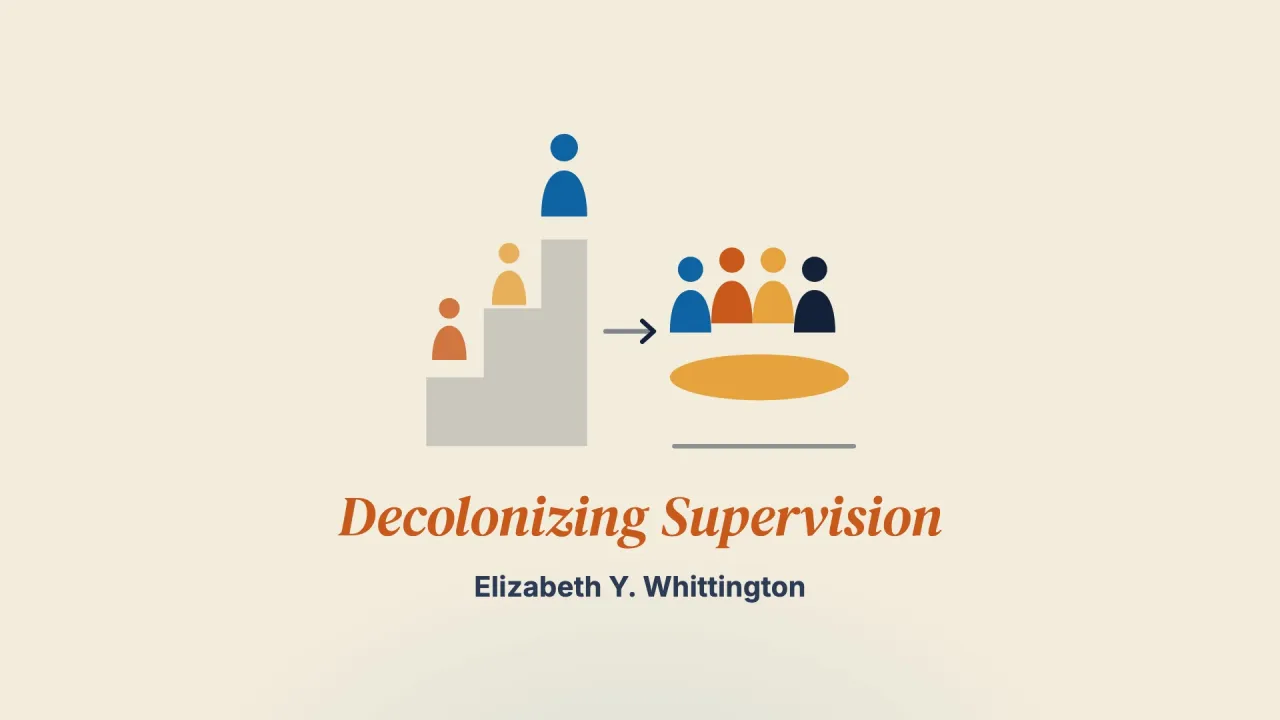
Decolonizing Supervision: A Critical Race and Queer Theory Framework for Marriage and Family Therapy
Supervision is not neutral: a framework drawing on Critical Race Theory and Queer Theory to name and share power in supervision, with a vignette.
 Scientific
Internal Family Systems Therapy as Part of the ‘Family of Systemic Therapies’: A Critical Exploration of Systemic Practice in the Intra-Personal Domain
Does IFS belong to the family of systemic therapies? A critical exploration, grounded in a family court vignette, of systemic work with “parts”.
 Scientific
How Venezuelan mothers and their young children use storytelling to process immigration journeys
Seven Venezuelan mothers tell their young children about crossing the Darién: shared memories or superhero tales, six ways of facing fear together.