The Family Journal · Family
Living with a Veteran with Trauma: Impact on Family Functioning Using the Genogram as a Research Tool
Fifty years after Portugal’s colonial war, what remains of former combatants’ trauma in their families? A team from the Autonomous University of Lisbon interviewed the veteran, his wife and an adult child separately in 32 families, then brought the three accounts together in a genogram. Far from automatic transmission, five profiles emerge, from the most destructive to the most protective.
This is a reformatted republication of Living with a Veteran with Trauma: Impact on Family Functioning Using the Genogram as a Research Tool, by Rute Brites, Odete Nunes, João Hipólito, Tânia Brandão, António Correia and Cristina Nunes, published in The Family Journal (SAGE) (2026), doi: 10.1177/10664807261415864, under a CC BY 4.0 licence. Prepared by Complexe Systémique in September 2026: the authors’ text is unchanged; the layout has been adapted for reading online, which constitutes a modification of the work under the terms of the licence. The five tables are presented as lists; the four genograms are reproduced with their original captions. This edition was made neither by the authors nor by the publisher, who are not responsible for its content or for any errors. The original version prevails.
Family members endeavor to care for the veteran, considering his suffering and vulnerability.
Rute Brites, Odete Nunes, João Hipólito, Tânia Brandão, António Correia and Cristina Nunes
Abstract
Although the psychological impact of war on veterans, particularly the development of post-traumatic stress disorder (PTSD), has been well documented, the long-term effects on their families have been less widely studied. Research suggests that veterans’ trauma can disrupt relationships and contribute to secondary/intergenerational trauma within the family.
This study uses genograms to explore how PTSD symptoms experienced by veterans have influenced family relationships over time, and to uncover patterns of intergenerational and systemic impact in families of Portuguese Overseas War veterans.
A qualitative approach involving semi-structured interviews with 32 families (each comprising a veteran, their spouse, and at least one adult child) was used (n = 100). The data were synthesized into genograms to visually map family structure, relationship quality, and patterns of psychological distress. Cross-family analysis was then conducted to identify common relational themes.
Families were clustered into four main impact groups: maximum negative impact, limited negative impact, no impact, and protective impact. These classifications reflect variations in family functioning, mental health symptoms, and relational patterns. In some families, the veteran's trauma appeared to affect multiple subsystems, while in others, spouses played a buffering/protective role. A fifth group was identified, with no consistent pattern.
Findings emphasize the complexity and variability of trauma transmission within families, highlighting both vulnerability and resilience. Using genograms proved effective in capturing systemic dynamics. These results emphasize the importance of adopting a family-systems approach in the clinical treatment of veterans affected by PTSD and suggest avenues for future research.
Keywords: war veterans, family functioning, genogram, secondary trauma, systemic theory
Introduction
The impact of armed conflicts on the mental health of military has been scientifically documented. Studies with war veterans have demonstrated a significantly higher risk for developing mental health problems, such as anxiety, depression, and post-traumatic stress disorder (PTSD) (e.g., Dekel et al., 2014; Ginzburg et al., 2010; Rahnejat et al., 2022; Selimbašić et al., 2019). In the Portuguese context, there was a similar pattern with regard to veterans from the Overseas War.
The Overseas War (or Ultramar War) (1961–1974) concerns the military conflict in the Portuguese colonies in Africa (Angola, Mozambique, and Guinea), during which it debated the right to Portugal presence in Africa. This war pitted Portugal against the independence movements for the liberation of these colonies (Cunha et al., 2022). The extreme weather conditions, the existence of three different theatres of operations far from Portuguese territory, and the fact that the Portuguese were outnumbered, made this war very difficult (Tavares, 2005).
Studies have shown that these veterans tend to present psychological problems such as post-traumatic stress disorder (Hipólito et al., 2017; Maia et al., 2011), and clinically significant depression and anxiety (Ferrajão & Oliveira, 2015; Pereira et al., 2012).
The problems associated with war trauma are not limited to the individuals directly affected, but must consider all the systems that are convulsed by the violence of the experience and its consequences (Catani, 2010; Galovski & Lyons, 2004; Papero, 2017). They generally affect interpersonal functioning, particularly family relationships. Davidson and Mellor (2001) refer to unhealthy family functioning as the main effect, materialized in the family's difficulties in adopting appropriate emotional responses and solving problems effectively, both internally and externally to the family.
On a marital level, several studies indicate that these kinds of traumatic events, particularly their psychological consequences, have a negative impact on marital relationships (Dekel et al., 2023; Itzhaky et al., 2017; Lambert et al., 2012; Taft et al., 2011). For example, studies showed that mental health problems associated with war exposure contribute to difficulties in terms of marital intimacy and communication (Cook et al., 2004), marital adjustment, satisfaction, and stability (Dekel & Goldblatt, 2008; Itzhaky et al., 2017; Maddah et al., 2024; Pereira et al., 2020). Some studies even highlighted the presence of higher rates of violence and physical aggression among couples (Savarese et al., 2001; Taft et al., 2011).
There are relatively few studies on the effects of war on veterans’ offspring, and findings have been somewhat inconsistent. Research indicates that veterans’ trauma can impact their children, leading to increased distress (Dekel & Goldblatt, 2008; Zerach et al., 2017), reduced psychological well-being (Ruscio et al., 2002), heightened anxiety and depression (Leen-Feldner et al., 2011), and poorer mental health with more exposure to negative life events (Collins, 2018; Kalmijn, 2018).
While many studies highlight negative mental health consequences for veterans’ children, such as increased risk for psychological difficulties due to their fathers’ exposure to war (Castro-Vale et al., 2019; Dias & Sales, 2009), some studies report different findings. For instance, Davidson and Mellor (2001) found no significant differences in post-traumatic stress symptoms or self-esteem between children of veterans with PTSD and children of civilians without PTSD. These variations may stem from methodological differences, as clinical studies tend to report more significant results (Kalmijn, 2018). The substantial heterogeneity in reported psychological effects suggests a complex and multifaceted process of secondary traumatization in veterans’ offspring (Davidson & Mellor, 2001).
Originally, secondary trauma described someone developing symptoms similar to PTSD after hearing about another's trauma, even without first-hand experience (Figley, 1983). However, the term has grown to encompass a wider range of emotional responses. In this broader sense, it refers to any distress transmitted from a traumatized person to those around them, not just symptoms mirroring PTSD (Galovski & Lyons, 2004).
A broader understanding of secondary trauma acknowledges the complexities of how trauma is experienced. Early research suggested that children directly absorb their parents’ pain, carrying it into adulthood (Kalmijn, 2018; Rosenheck, 1986). However, later studies reveal a more indirect impact. Parents struggling with trauma may have difficulty creating a safe and stable home environment, leading to secondary traumatization in their children (Yehuda et al., 1998). More recent findings even suggested that mothers may be a primary source of this indirect transmission and highlighted the importance of marital relationship to buffer the traumatization process (Bachem et al., 2018; Yehuda & Lehrner, 2018).
These findings highlight the interconnectedness within families. Trauma in one member can affect the entire family system. The parent–child bond, the couple's relationship, and even the spouse's interactions with the children can all be impacted. Given these complexities, this qualitative study aims to explore family dynamics through genograms. Genograms, while traditionally used in clinical practice within family therapy, have recently been applied in research to explore family dynamics. This tool allows for a detailed examination of relational patterns and intergenerational influences, enhancing our understanding of complex family processes (Wendt & Crepaldi, 2008) as detailed in the method section. By examining these genograms, we hope to identify any dysfunctional relational patterns that might contribute to the comprehension of the process of secondary trauma.
Method
Research Design
Approach to Inquiry
This study embraces both the family systemic theory (FST) and the Person-Centered Approach (PCA) applied to family.
Despite limited empirical evidence, FST are increasingly being applied to address and treat issues related to PTSD at both the individual and family levels (Monson et al., 2021; Rando & Thompson-Holland, 2022), an approach that aligns with the growing consensus among some experts who advocate for adopting a relational treatment model in PTSD contexts (McWey, 2022; Smedley & Nelson-Goff, 2025); similarly, the humanistic model of PCA has also been used to understand traumatic processes and their treatment (Joseph, 2004; Joseph, 2021; Murphy et al., 2019). These models constitute modest theoretical contributions to the understanding of PTSD. However, their interrelational focus and methods make them useful and appropriate for the present study.
Both FST and PCA underscore the individual's embeddedness within relationships and the importance of comprehending the intricate dynamics of these interactions to gain a comprehensive understanding of their overall functioning.
FST considers family as “a set of elements linked by a set of relationships, in a continuous relationship with the external environment, maintaining their internal balance in the course of a complex development process, with regular crises that require a flexible readjustment of all the rules that regulate the functioning of the family system” (Sampaio, 1984, p. 67). PCA adopts a phenomenological stance on the family system, recognizing that each individual occupies a unique phenomenological world comprising both internal and external experiential domains. The internal domain encompasses their experiences of intrapsychic dynamics, while the external domain encompasses their experiences of family system responses to their perceived experiences of both domains (Levant, 1978).
In adherence to a phenomenological approach to data collection, we delved into the notion of the “family concept,” which refers to an individual's awareness and conceptualization of their interpersonal family experiences. It encompasses the individual's lived experiences intertwined with the meaning they attribute to those experiences (Van der Deen, 1969). Consequently, we opted to conduct individual interviews with the three members of the nuclear family, and subsequently consolidated the information into a single-family genogram.
Study Participants
Researchers Description
The research team comprised individuals with clinical experience in treating veterans of the Overseas War, coupled with research expertise in studying PTSD among veterans and other populations. Two researchers additionally held qualifications as family therapists, bringing experience in genogram utilization. The interviewers were psychologists and social workers employed by the study's institution, League of Combatants, providing services to veterans and their families. Their prior understanding of these families guided the selection of data collection materials. Each technician interviewed all the members of a family. Only the prior relationship of trust between technicians, veterans, and their families allowed the interview to take place, considering the sensitivity of the subject. Also, given the participants’ age (veterans and their partners), interviews were deemed the most suitable method for gathering information on family history, relationships, and significant events. Throughout the data collection process, the interviewers met periodically with the research team to clarify doubts regarding open questions.
Participants
The study involved 32 Portuguese families of veterans from the Overseas War, encompassing the veterans themselves, their spouses, and adult children (total of 100 participants). Since the Overseas War occurred between 1961 and 1974, the participating veterans were at least 68 years old (Mage veterans = 74.39, SD = 4.04, min = 68, max = 83; Mage spouses = 70.97, SD = 5.46, min = 59, max = 80). Their adult children were aged between 30 and 54 (Mage = 43.62, SD = 6.17).
Hailing from the three branches of the armed forces—the army, navy, and air force—these veterans spent an average of 24 months on mission, in Angola, Mozambique, Guinea, or India.
Recruitment and Selection Process
Initially, families were identified from the institution's member databases (from all over the country). Intact families with adult children and a history of veteran's PTSD were prioritized. Subsequently, these families were contacted via telephone to gauge their willingness to participate. In cases where all three family members were available, individual interviews were scheduled. All families who agreed to participate and with whom it was possible to schedule the meetings were included.
The study was approved by the Ethics Committee of CIP-Psychology Research Centre (Approval 15/2021). Also, a Data Protection Impact Assessment was carried out. There was no compensation of any kind for taking part in the study. Informed consent was obtained from all participants.
Data Collection
We employed a semi-structured interview script, termed a family clinical history, which facilitated the subsequent construction of family genograms. This approach enabled us to gather in-depth information about the family's history, relationships, and patterns of interaction, providing a comprehensive understanding of the family system, from several individual perspectives. Interviews were held for 30 to 107 min, with an average interview time of 46 min. This variation may be due to several technicians conducting interviews with different families. The interviewing style of each technician may have made some participants feel comfortable enough to express themselves at greater length. Additionally, some participants recounted their experiences in great detail, resulting in longer interviews.
Family Clinical History
Individual clinical histories were collected to gain an in-depth understanding of participants’ life events, family dynamics, significant events, and other relevant aspects of family functioning. It also enabled the necessary data to be obtained to construct each family's genogram.
Data collection was carried out by the technicians (psychologists and social workers) from the Medical, Psychological, and Social Support Center of League of Combatants, an institution that provides support to Portuguese military personnel in various regions of the country. These technicians checked which of their members met the study's inclusion criteria (the willingness of the three family members to take part, the continuity of the marriage to the present day, and the absence of cognitive disorders in the veteran with implications for speech and memory). All participants signed a written informed consent.
Comprehensive data on family medical history and relational dynamics were collected through semi-structured interviews with veterans, their spouses, and adult children (in person or via Zoom). The interviews, guided by an open-ended script, sought to reconstruct individual life stories, identifying their development, educational, professional and relational background, clinical data (encompassing disorders, illnesses, hospitalizations), types of communication, relationships between subsystems, namely marital (division of tasks, roles, intimacy, communication and the couple's relationship), parental (parent–child relationship, parenting styles), and fraternal (fraternal position, relationship between siblings), stages of family development, changes in family life, secrets and taboos, rituals/everyday life, and functions/roles, hierarchy, and leadership. The open-ended interview questions were presented in an emergent order, guided by participant responses. For instance: “Tell me about your family history,” “What was the relationship like between you and your children?,” and “How were tasks distributed within your couple?.” Audio recordings of the interviews were transcribed using Happy Scribe.
Genogram
A researcher developed the genograms, only learning the content of the interviews once they had been transcribed and not taking part in any of the interviews. After transcribing the interviews, the researcher listened to them again and reread them several times before creating each genogram.
Although it is primarily a clinical instrument, the genogram has already been recognized as a scientific tool for data collection, specifically in qualitative research with families (Wendt & Crepaldi, 2008). It is an assessment and intervention tool that makes it possible to verify significant family symbolic legacies, both received and passed down from generation to generation, which constitute a map of the family's relational heritage (Krüger & Werlang, 2008). Identical to the structure of a family tree, it makes it possible to gather qualitative information on family dynamics, communication processes, established relationships, and analysis of family balances and imbalances (Nascimento et al., 2005).
A genogram facilitates two distinct types of analysis along two potential visualization axes. The horizontal axis focuses on the examination of current personal and familial interaction patterns and how each family member copes with crises and challenges. The vertical or transgenerational axis, on the other hand, pinpoints roles, functions, and the degree of autonomy (Carr, 2006; Penso & Costa, 2008). These transgenerational analyses also seek to decipher cultural values, beliefs, and behaviors passed down through generations (Rogers & Durkin, 1984; Sexton et al., 2003).
Analysis
Data-Analytic Strategies
The development and analysis of genograms followed Puhlman et al. (2023) three-step guidelines: (1) coding interviews; (2) genogram construction; and (3) cross-family genogram analysis.
The coding of the interview transcripts aimed to find and understand the quality of family relationships. An inductive (data-driven) approach was used, enabling the identification of specific interview evidence that could reflect relational processes depicted on the genograms. While respondent validation was not feasible, as each genogram was constructed from three distinct interviews, a comparative analysis of the gathered information was conducted.
The genograms were built using the Genopro software (https://genopro.com/), in a three-phase process. First, the structure of each family's genogram was created in order to understand its composition and basic organization (identification of members, formation and dissolution of relationships, children born or adopted, deaths, among others). In the second phase, the relational processes identified were inserted into the genograms with colored lines using the signs available or created. Red lines with different dashed patterns were used to code negative relationships such as disagreement, hostility, conflict, or violence. Green lines with several dashed patterns were used to code positive relationships such as friendship or harmony. Black lines were used to code other kind of relationships (distance or indifferent/apathetic) and shapes were used to code specific situations (colored squares for several diseases, specific symbols for problems like alcoholism, dependences among others). In the third phase, the team reviewed the genograms to confirm accuracy.
In the cross-family genogram analysis, all the genograms were visually analyzed together, with the aim of identifying relationship dynamics common to the various families and identifying “themes” around them. This process of analysis provides a more complex, dynamic, and holistic model for studying family functioning in the context of a specific research question (Puhlman et al., 2023), in this specific case, to examine the impact of the veteran's war trauma (PTSD symptoms) on nuclear family members and family relationships.
The themes used in this coding were the presence/absence of symptoms of psychological distress in the veteran, their spouse and/or children; the type of predominant relationships (negative, positive, or both); and the direction of negative relationships (the horizontal axis indicates difficulties between the veteran and his wife, and the vertical axis indicates difficulties between members of several generations). These themes enabled the families to be grouped together and will be used to describe the results.
To ensure coding consistency across families, all genograms were developed by a single researcher. This researcher had no prior contact with the participants and applied a standardized set of relational criteria derived from the Genopro software and the interview guide. Although intercoder reliability could not be calculated due to the single-coder approach, accuracy, and consistency were ensured through team-based review sessions. During these sessions, the research team reviewed each genogram against the transcripts, discussing ambiguous or complex relational patterns until consensus was reached. In cases of contradictory information across the individual interviews per family, we applied a convergence rule, adopting relational characteristics described by at least two family members in accordance with a triangulation strategy. This approach aimed to preserve the integrity of each perspective while prioritizing corroborated data.
Findings
Analyzing the relational patterns presented in the genograms allowed us to cluster the majority of families into four main “groups,” in terms of the impact of the veteran's PTSD symptoms on family members and relationships: the group with “maximum negative impact,” the group with “limited negative impact,” the group with “no-impact” and the group with “protective impact.” Four families did not fit into any of the other groups. They were grouped into a fifth group called the “specific vulnerability and partial resilience group,” referring to families with distinct patterns and dynamics.
The first group, which we called “maximum negative impact,” include four families. This group includes families in which so-called negative relationships (the red lines on the genogram) predominate. These relationships of conflict and/or violence can be observed both on the horizontal axis, with regard to the marital subsystem (the couple formed by the veteran and his wife), and on the vertical axis, in both parental subsystems (the veteran and his wife's relationship with their children). Poor mental health symptoms are found in both members of the couple (e.g., PTSD, depression, anxiety) and, in some cases, in their children (e.g., anxiety, depression, suicidal ideation). Table 1 shows the main characteristics of each of these families (Figure 1).
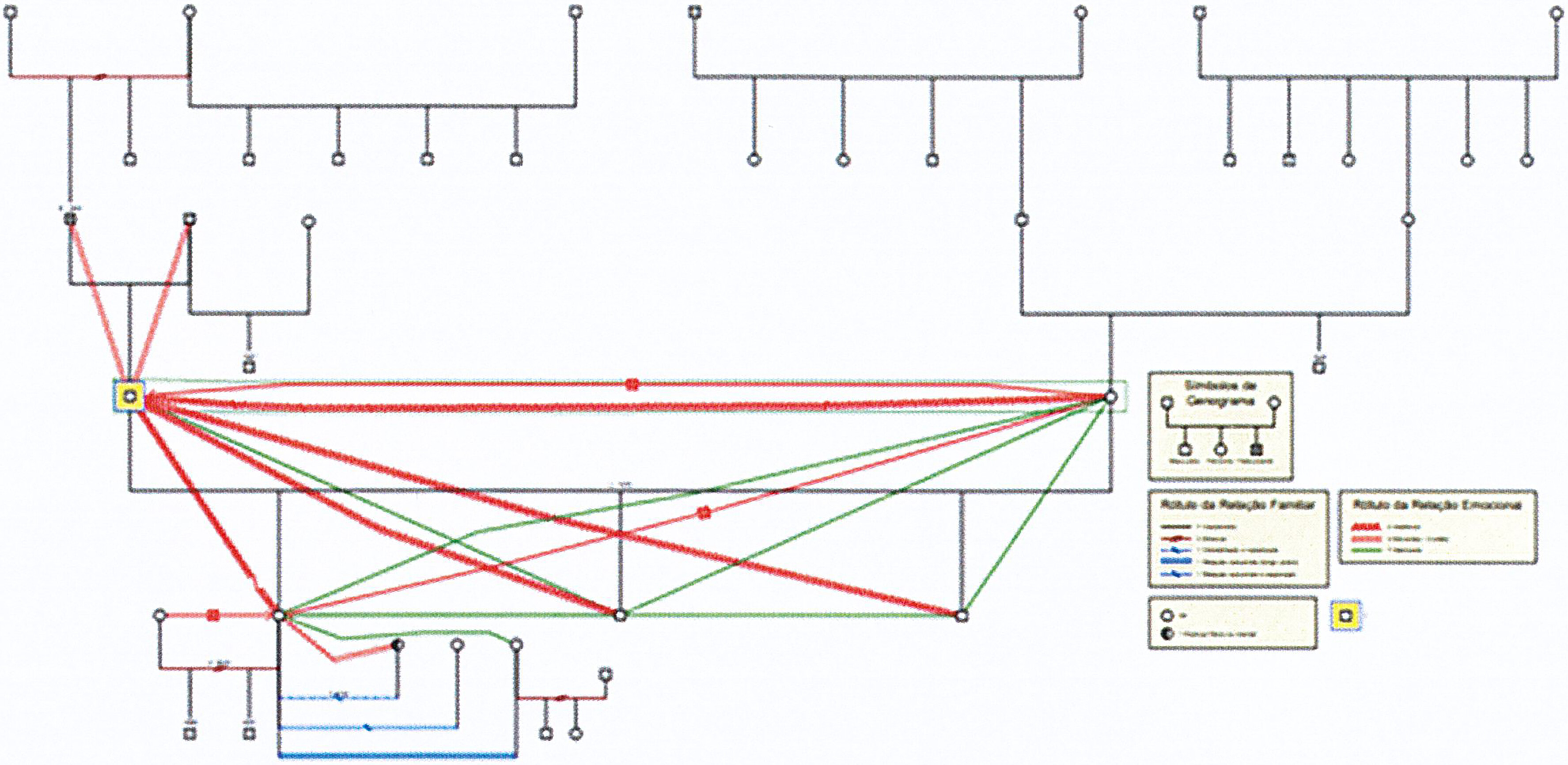
Table 1 — Description of the Families Belonging to the “Maximum Negative Impact” Group (n = 4)
Family (relationships and symptoms: horizontal axis, vertical axis; other relevant aspects)
- BIM001. Horizontal axis: Nuclear family: veteran/ wife/ son. Negative relationship (violence). Veteran: burnout and depression. Wife: depression, OCD Vertical axis: Veteran: negative relationship (conflict) with son Other relevant aspects: Three generations presented. Negative relationships prevail. Veteran and wife both followed in Psychiatry. Son followed in Psychology
- BIP001. Horizontal axis: Nuclear family: veteran/wife. Negative relationship (conflict). Wife: anxiety Vertical axis: Wife: positive relationship with son Other relevant aspects: Three generations presented. Positive relationships prevail. The veteran's mistrust damaged relations with his wife and sister
- CBRAC005. Horizontal axis: Nuclear family: veteran/ wife. Negative relationship (wife controlling husband) Vertical axis: Veteran: negative relationships with children; violent relationship with his father, stepmother, wife and children. Wife: controlling son. Son with suicidal ideation after his divorce Other relevant aspects: Five generations presented. Negative relationships prevail
- CBRAC007. Horizontal axis: Nuclear family: veteran/ wife. Negative relationship (violence). Veteran recognizes war trauma and its impact on his life Vertical axis: Veteran: negative relationship with children, especially daughters (violence). Daughter reports attempted rape by father. Wife: positive relationship with children Other relevant aspects: Five generations presented. Veteran and wife both followed in psychiatry
Below are some excerpts that exemplify the family dynamics described:
Veteran7: “Before I went into the army I never got angry with her. Never. It was totally different. When I came back from the army, that was it … I was already contaminated and … then … until it got to a point … I wanted to kill my youngest daughter and … my wife. And that's when … when I started seeing a psychiatrist” (J., 75 years old)Veteran's wife5:“my husband always had one, I say it's because he came from overseas, isn't it, those reactions he had, I mean, for anything and everything he'd beat me, sometimes when the children needed a slap he wouldn't give it and other times, poor things wouldn't do anything and they'd get beaten …” (M.I., 76 years old)Veteran's daughter5:“Now, really, very bad childhood memories. Very bad. Really bad. And I think I've erased most of my brain really, because … I don't have any moments of joy. When I'd see my dad playing, he'd even look good. It was … like he was changing. But … an hour or two later, he was already the … bad father. Ah … And my mum says it wasn't like that. She told me once, even … before I met him, before he went to war, he wasn't like that. But … only she can say that. Ah … but, well, he was always that person … He's the boss. He does it, everything he says has to be done and that's that!” (C., 52 years old)
The second group, the one with “limited negative impact,” includes nine families. In this group, it seems to have been specifically the veteran's relationships that were affected by the existing trauma. Although there are conflicting relationships in the marital subsystem, between the veteran and his wife, and in the veteran's parental subsystem (his relationship with his children), his wife's relationships with his children remain positive (green/thinner lines). Poor mental health outcomes are mainly identified in the veteran. The children have recognized the negative impact of their father's trauma on family relationships since childhood, especially on their father's relationships in general. Table 2 shows the description of these nine families (Figure 2).
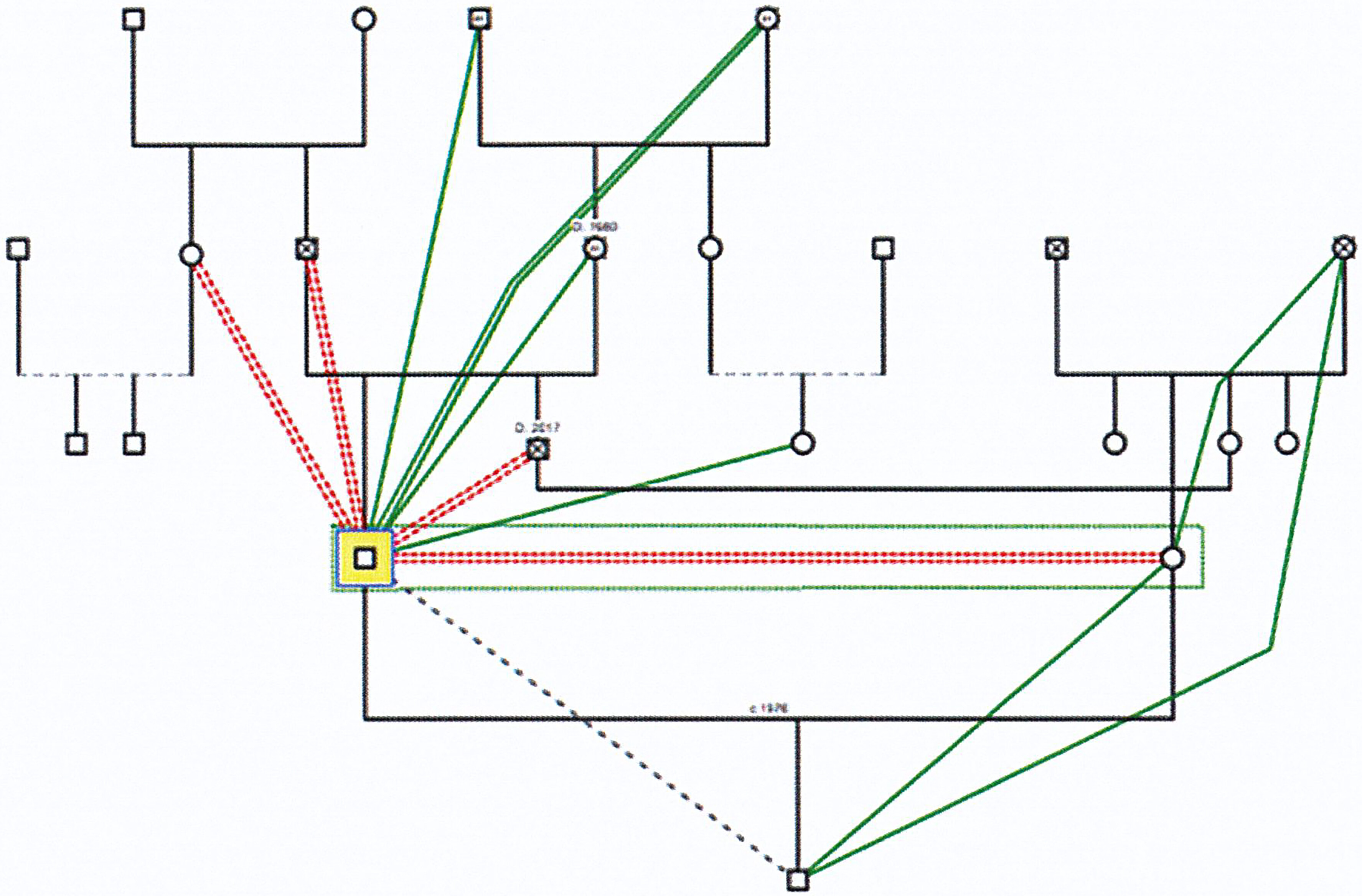
Table 2 — Description of the Families Belonging to the “Limited Negative Impact” Group (n = 9)
Family (relationships and symptoms: horizontal axis, vertical axis; other relevant aspects)
- CBRAC002. Horizontal axis: Nuclear family: veteran/ wife. Negative relationship (conflict). Wife has thought about killing her husband Vertical axis: Veteran: negative relationships (rupture) with son; distance with daughter-in-law. Positive relationship with grandson Other relevant aspects: Five generations presented
- CBRAC008. Horizontal axis: Nuclear family: veteran/ wife. Negative relationship (conflict) Vertical axis: Veteran: negative relationships with father and siblings; distant relationship with son. Wife: positive relationships Other relevant aspects: Four generations presented
- L001. Horizontal axis: Nuclear family: veteran/ wife. Negative relationship (distance). Father with depression; nightmares about war Vertical axis: Veteran: distant relationship with children. Wife: Positive relationships with children. Daughter: anxiety crisis. Conflict between the veteran's mother, the veteran and his wife Other relevant aspects: Three generations presented. Wife and children recognize negative impact of war on veteran
- L002. Horizontal axis: Nuclear family: veteran/ wife. Negative relationship (violence). Veteran with depression and two suicidal attempts Vertical axis: Veteran: distant relationship with daughter; conflict with son. Wife: positive relationships with children. Sons witnessed very serious domestic violence (mother's coma) and suffered aggression. Daughter says mother also encourages violence Other relevant aspects: Five generations presented
- L003. Horizontal axis: Nuclear family: veteran/ wife. Negative relationship (conflict, emotional violence) Vertical axis: Veteran: conflict relationship with children. Children report that veteran's war trauma had a negative impact on their relationship with him Other relevant aspects: Four generations presented
- L004. Horizontal axis: Nuclear family: veteran/ wife. Negative relationship (conflict. Trauma recognized by the veteran Vertical axis: Veteran: distant relationship with stepdaughter Other relevant aspects: Four generations presented
- L005. Horizontal axis: Nuclear family: veteran/ wife. Negative relationship (conflict, violence). Trauma and impulsive behavior recognized by the veteran Vertical axis: Veteran: distant relationship with son. Wife: positive relationship with son Other relevant aspects: Four generations presented
- L006. Horizontal axis: Nuclear family: veteran/ wife. Negative relationship (conflict) Vertical axis: Positive relationships. Children afraid of their father (childhood) Other relevant aspects: Five generations presented
- Lx010. Horizontal axis: Nuclear family: veteran/ wife. Negative relationship (conflict). Veteran with OCD (not related to war). He recognizes impact of war Vertical axis: Positive relationships Other relevant aspects: Four generations presented
We present now a few excerpts from family's members from these group:
Veteran3: “I think there was a fault in my lack of patience with them and that I paid more attention to myself or to the outside world than to them (…) the war, I'm not saying it was always on the table, but I was always going round and round, I have a great difficulty with myself because I'm talking to people and I'm always seeing the places of the war that I went to and everything ….” (F., 74 years old)Veteran's wife1:“But he was always out and about. He'd go here or there, or he'd work and he'd … make a living there. He didn't spend much time at home (…) He always put his work first. Never his family (…). But now, if we contradict him about something, he'll come over and say “no, but you should do this” or something else, or … he's crazy! (…) Sometimes I react, sometimes I say things, sometimes I keep quiet and he sulks! (B., 68 years old)Veteran's son2:“When he got angry, he got out of control and easily lost his … It wasn't something that … broke everything in the house, or beat anyone up, or mistreated anyone, or was violent, no. It was … it was that thing, it was agitation …” (P., 49 years old)
The third group, which it was designated as “no-impact,” includes five families. In these families, the genograms show a predominance of positive relationships (green/thin lines) between the members, both at the level of the marital subsystem and at the level of the parental subsystem. Family members report not having felt the impact of the consequences of the veteran's war experience on family functioning over the years. They recognize the existence of various problems in one or more members, but related to other (life) factors than the war. Table 3 describes the characteristics of these families (Figure 3).
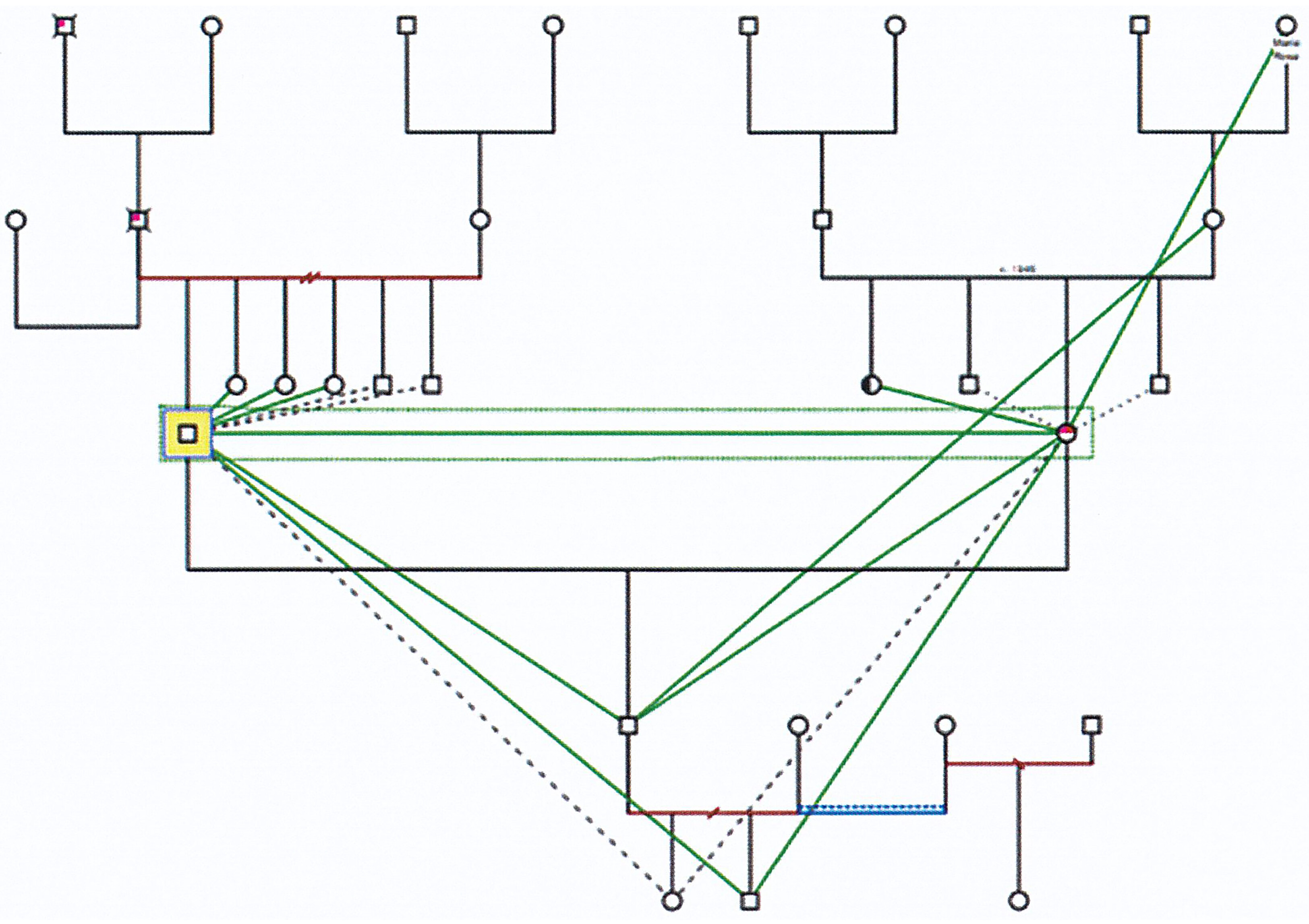
Table 3 — Description of the Families Belonging to the “No Impact” Group (n = 5)
Family (relationships and symptoms: horizontal axis, vertical axis; other relevant aspects)
- CBRAC001. Horizontal axis: Nuclear family: veteran/ wife. Positive relationship Vertical axis: Positive relationships. Wife's problems with her father (violence) Other relevant aspects: Three generations presented
- CBRAC003. Horizontal axis: Nuclear family: veteran/ wife. Positive relationship Vertical axis: Positive relationship with children and grandchildren. Couple's distant relationship with their parents Other relevant aspects: Six generations presented
- CBRAC004. Horizontal axis: Nuclear family: veteran/ wife. Positive relationship Vertical axis: Positive relationship. Wife's negative relationship with her father Other relevant aspects: Five generations presented
- CBRAC006. Horizontal axis: Nuclear family: veteran/ wife. Positive relationship Wife: depression Vertical axis: Positive relationships. Veteran: distant relationship with daughter-in-law. Veteran never knew his father (experienced as a trauma) Other relevant aspects: Five generations presented
- Lx001. Horizontal axis: Nuclear family: veteran/ wife. Positive relationship Vertical axis: Positive relationships Other relevant aspects: Three generations presented
Some excerpts from the interviews allow us to understand the positive family dynamic:
Veteran6: “our organization as a couple, I think it's good. What's needed is for us to understand each other and for there to be understanding on both sides (…). She's a bit angry now, she's a bit sulky (…), I sometimes get upset because she doesn't ask for help.” (M., 77 years old)Veteran's wife8:“Our relationship has always been very good, thank God. Very good. Because at home I was in charge of everything, as well as working outside I was in charge of everything. My children, both one and the other, were marvellous, they never gave us any problems.” (M. F., 80 years old)Veteran's son4:“My dad is more tolerant than my mum, but my dad gets to parts where I've come to the conclusion that there's no point in arguing anymore, because he's getting on with it and I don't have a chance, there's no chance …” (A.J., 46 years old)
The fourth group has been designated as “protective impact.” This is the largest of the four groups, with 10 families. In these families, there is clearly a predominance of good quality or positive relationships (green/thin lines) in the various family subsystems. Although family members recognize the consequences of the veteran's traumatic experience of war and his suffering, what we see is a dynamic of protecting him. Family members endeavor to care for the veteran, considering his suffering and vulnerability. Table 4 describes the main features of these families (Figure 4).
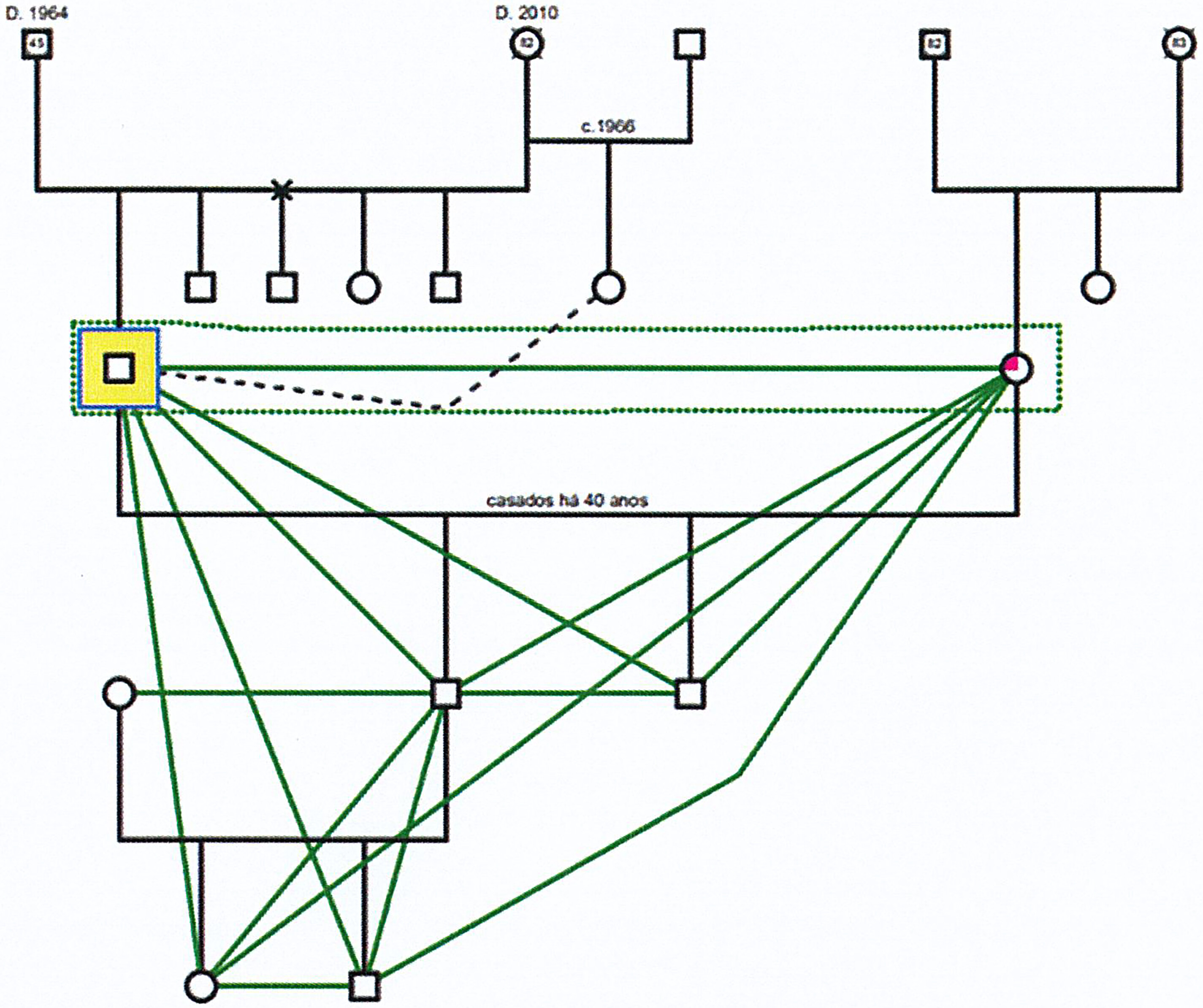
Table 4 — Description of the Families Belonging to the “Protective Impact” Group (n = 10)
Family code (relationships and symptoms: horizontal axis, vertical axis; other relevant aspects)
- B002. Horizontal axis: Nuclear family: veteran/ wife. Positive relationship Vertical axis: Positive relationships. Daughter recognizes father's suffering Other relevant aspects: Four generations presented. War as taboo, not talked about in the family
- BIC001. Horizontal axis: Nuclear family: veteran/ wife. Positive relationship. Temporary separation (30 years ago) due to the veteran's alcoholism. Veteran: depression Vertical axis: Positive relationships. Daughter recognizes family impact of father's alcoholism Other relevant aspects: Three generations presented
- L007. Horizontal axis: Nuclear family: veteran/ wife. Positive relationship. Veteran: depression Vertical axis: Positive relationships. Wife and daughters and protect veteran for his fragility Other relevant aspects: Four generations presented
- Lx003. Horizontal axis: Nuclear family: veteran/ wife. Positive relationship Vertical axis: Positive relationships. Children indicate that their father's PTSD had no impact on their childhood Other relevant aspects: Four generations presented
- Lx004. Horizontal axis: Nuclear family: veteran/ wife. Positive relationship. Veteran: alcoholism (it increases his aggressiveness) Vertical axis: Positive relationships Other relevant aspects: Three generations presented
- Lx005. Horizontal axis: Nuclear family: veteran/ wife. Positive relationship. Veteran suffers in silence (sic) Vertical axis: Positive relationships Other relevant aspects: Four generations presented
- Lx006. Horizontal axis: Nuclear family: veteran/ wife. Positive relationship. Veteran: violent impulses (war trauma) and depression Vertical axis: Positive relationships Other relevant aspects: Three generations presented
- Lx009. Horizontal axis: Nuclear family: veteran/ wife/ son. Positive relationship, low communication Vertical axis: Positive relationships Other relevant aspects: Four generations presented
- Prt003. Horizontal axis: Nuclear family: veteran/ wife. Positive relationship. Military: sleep problems (war trauma) Vertical axis: Positive relationships Other relevant aspects: Three generations presented
- Prt004. Horizontal axis: Nuclear family: veteran/ wife. Positive relationship. Military: sleep problems (war trauma) Vertical axis: Positive relationships. Daughter remember father's aggressiveness Other relevant aspects: Four generations presented
Here are some excerpts from the interviews with this group:
Veteran9: “Apart from the little educational things that parents sometimes have with their children, obviously, but it's a great family, the relationship with them is excellent, with my children it's excellent … in that respect everything's fine, everything's fine.”Veteran's wife10:“he's talking to me and I say: ‘Hey man, talk, it's good for you to talk,’ and sometimes I go and get the photos and we're there looking at the photos from the army. He cries when he sees certain things and I say ‘cry, it's good for you to cry,’ then he cries and talks to me …” (E., 65 years old)Veteran's daughter11:“He has support, and there are other people there who he's met who were also there overseas, so it seems that they all speak the same language. And he likes it. And there's the annual meeting with colleagues, my sister and I went with my parents, we'd never been to a meeting before and he really liked that we went (…) And even today, unfortunately … when there are visitors and they put their things away … my father might go through the person's bag to see if they have any money, yes. We have to be vigilant, because we already know and so does the grandson, my son, so we have to be vigilant about that.” (A., 42 years old)
The remaining four families were included in a fifth group, the “specific vulnerability and partial resilience group.” These families have different dynamics and don't fit into any of the groups described. In two of these families, positive relationships predominate but the various elements of the system show symptoms of psychological distress. There is recognition of the veteran's behavioral changes after the traumatic event (aggression, bizarre behavior). In the other two families, the relationship between the veteran and his wife are positive, but there is a relational distancing between the veteran and his children. In one of these families, the daughter described symptoms of suffering (attempted suicide). Table 5 shows the characteristics of the families.
Table 5 — Families Not Belonging to the Precedent Groups (n = 4)
Family code (relationships and symptoms: horizontal axis, vertical axis; other relevant aspects)
- B001. Horizontal axis: Nuclear family: veteran/ wife. Positive relationship. Wife: symptoms of secondary trauma Vertical axis: Positive relationships. Mental disease in several generations. Son: suicidal attempt and divorce. He recognizes effects of father's bizarre behavior and fantasies on family Other relevant aspects: Four generations presented
- Lx002. Horizontal axis: Nuclear family: veteran/ wife/daughter/veterans’ mother. Negative relationship (conflict). Aggressiveness of the veteran after the war Vertical axis: Positive relationships. Daughter: anxiety and depression Other relevant aspects: Three generations presented
- Prt001. Horizontal axis: Nuclear family: veteran/ wife/ daughter/son-in-law/grandchildren. Positive relationship Vertical axis: Veteran: distant relationship with daughter. Daughter: suicidal attempt Other relevant aspects: Four generations presented
- Prt002. Horizontal axis: Nuclear family: veteran/ wife. Positive relationship. Veteran: relational difficulties (war trauma) Vertical axis: Veteran: distant relationship with children Other relevant aspects: Three generations presented
Discussion
The present study examined family dynamics using genograms to identify predominant relational patterns. The findings show substantial variability in how families respond to the long-term presence of a member (the veteran) with PTSD. As described by Figley and Kiser (2013), families may fall along a continuum ranging from thriving to struggling and failing—an observation that aligns closely with our data.
In a small subset of families, the impact of PTSD symptoms seemed to be particularly severe. Leshem et al. (2023) emphasize the role of “emotionally charged relationships with a traumatized person” (p. 2) in facilitating trauma transmission. This helps explain the relational climate observed in these families. These systems may experience chronic stress due to accumulated vulnerabilities and the ongoing demands of caring for a distressed family member (Papero, 2017).
In these families, few “containment barriers” appeared to limit the spread of distress. Symptoms of secondary trauma (or at least psychopathological symptoms) were evident in the veterans’ wives and, in some cases, their children. This pattern aligns with previous studies documenting the high prevalence of PTSD symptoms among war veterans (Rahnejat et al., 2022; Selimbašić et al., 2019) and its disruptive effects on family functioning (Bensimon & Afota Assaf, 2025; Catani, 2010; O’Toole et al., 2018). Zerach et al. (2017) similarly reported that parental PTSD, whether in mothers or fathers, can adversely affect children's mental health. Additionally, several studies have shown that spouses’ exposure to their husband's symptoms can significantly impact their children's outcomes (Shrira, 2015; Yehuda & Lehrner, 2018), given the pivotal role in managing the veteran's challenges (Maddah et al.,2024; Norris et al., 2024).
Together, these results highlight the important role of mothers in the “contagion” processes that characterize these families. As Bachem et al. (2018) have shown, when spouses lack adequate internal resources, they may become symptomatic themselves, thereby increasing their children's vulnerability. Conversely, in families showing only limited negative impact, wives often acted as protective buffers, shielding children from distress and preserving relational stability overall, even when the veteran's relationships were strained.
By contrast, most families tin this study experienced only minimal negative effects, with some demonstrating adaptive or protective patterns. In these households, relatives supported the veteran in ways that mitigated the effects of PTSD on the family. Thompson-Hollands et al. (2022) highlight the meaningful impacts of family on veterans’ PTSD trajectories. While previous studies have emphasized the importance of including families in clinical treatment (Laws et al., 2018; Thompson-Hollands et al., 2021), our findings indicate that these protective processes may also develop naturally within daily family interactions.
According to Papero (2017), a family is considered well-adapted to trauma when the needs of its members are met. Figley and Kiser (2013) described the characteristics of these families: they accept the stressor; they recognize the stressor as a family problem; they are solution-oriented, instead of problem-oriented; they have high tolerance for each other; they have clear and direct expressions of commitment and affection; they communicate open and effectively; they show high family cohesion and flexible family roles; they maintain their structure and routines; they use resources in an efficient way; they believe in their coping skills, and share a common belief system. The protective families in our study appear to embody many of these characteristics, suggesting that their adaptability enabled them to navigate the veteran's symptoms more effectively.
Social support within the family is a well-established protective factor against PTSD symptoms in both civilian (Ozer et al., 2003; Zalta et al., 2021) and military (Xue et al., 2015) populations. Consistent with this, Blais et al. (2021) found that support received at home significantly mitigates long-term PTSD severity among veterans, which is consistent with the experiences of protective families in our study.
Taken together, the family profiles identified in this study—ranging from maximum negative impact to protective functioning—mirror the broader empirical evidence showing that families vary greatly in their ability to cope with trauma. Maladaptive or conflictual family functioning is known to intensify PTSD symptoms and sustain relational distress (e.g., Dorrington et al., 2019; Milenković et al., 2013). These patterns closely resemble those observed in our “maximum negative impact” and “limited negative impact” groups, in which high conflict, emotional reactivity, and rigid relational patterns appeared to exacerbate the effects of trauma.
Research on families exposed to war or interpersonal trauma has identified distinct relational profiles, such as secure, neutral, discrepant, or insecure/negative, each of which has different implications for adjustment and intergenerational transmission (Punamäki et al., 2018). This framework parallels the diversity found in our study. Some families showed predominantly dysfunctional dynamics; others displayed positive or “no-impact” climates; and a subset demonstrated protective adaptation through cohesion and shared meaning-making.
Research on family and developmental trauma further shows that the quality of communication, cohesion, and flexibility are key determinants of whether trauma spreads or remains contained within a family system. Meta-analytic evidence indicates that high cohesion and open communication predict fewer PTSD symptoms and greater resilience among youth, while conflict and disengagement increase vulnerability (Ye et al., 2023). These findings reinforce our observation that strong relational functioning can mitigate the effects of veterans’ trauma, as evidenced by the “protective impact” group.
Finally, studies focusing on parental responses to trauma highlight how specific behaviors such as overprotection, emotional avoidance, or inconsistent communication can increase children's risk of developing post-traumatic stress symptoms (Afzal et al., 2023). This literature helps contextualize the families in our “specific vulnerability and partial resilience” group, in which caregiving efforts coexisted with distress-transmitting behaviors, resulting in uneven adaptation across family members.
Together, these findings underscore that the variability identified in our five family groups reflects broader systemic patterns described in the trauma literature. They further highlight the importance of assessing not only individual symptomatology but also relational climate, communication processes, and intergenerational relational structures when evaluating how trauma shapes family functioning over time.
Limitations
Despite the important contribution made by this study, there are limitations that must be acknowledged. The interviews with the members of each family were carried out by a single technician, which may have somewhat biased the information collected.
The data was collected individually from each member of the family, and the genograms were constructed based on this information. However, it was not possible to gauge the families’ perception of the accuracy of the genogram in representing the family dynamic. While genograms can effectively map relational patterns and family history, they may not capture the depth of psychological processes.
The interviews were conducted by different technicians, each with their own feedback style throughout the interview. This may have contributed to the wide range of interview lengths. Although the interview guide was the same for everyone, the different feedback may have prompted different approaches to the interview, enabling some participants to express themselves more deeply than others.
As the data were collected retrospectively, decades after the traumatic events of the Overseas War, the reported family dynamics may be influenced by current perceptions, reconstructions of past experiences or selective memory. This introduces the potential for recall bias, particularly in accounts of relational processes over time. Although we tried to minimize this issue by interviewing all three members of each nuclear family separately and cross validating their narratives during genogram construction, we acknowledge that retrospective accounts can limit the accuracy of temporal and causal interpretations.
Clinical Implications
This study highlights the importance of family dynamics throughout the veteran's life as a protective factor against the lifelong impact of PTSD. It emphasizes the need to see PTSD as a problem for the family and not just for the individual, helping the family to get involved in treatment as a shared family goal (Shepherd-Banigan et al., 2023) and improving the good prognosis of treatment. Incorporating family systems theory as a therapeutic approach for individuals with PTSD highlights the importance of involving all family members in the intervention. Engaging the entire family can address the collective impact of altered dynamics, allowing each member to contribute positively to the family's trajectory and potentially enhancing the effectiveness of the intervention (Senecal et al., 2022).
In addition to their importance, the results suggest several concrete therapeutic applications to guide clinicians working from person-centered or systemic perspectives. The genograms used in this study can serve as both assessment tools and therapeutic instruments that facilitate joint meaning-making in sessions. From a systemic perspective, visually mapping intergenerational relational patterns enables families to express entrenched relational cycles and explore alternative patterns of interaction collaboratively.
Clinicians can use these patterns to inform interventions, bearing in mind the family impact profile identified in this study. For families experiencing a negative impact, a systemic intervention may focus on decreasing emotional reactivity and strengthening boundaries between subsystems. Within the PCT framework, therapeutic work can support these goals by providing a therapeutic climate that promotes emotional safety for those who have historically lacked it, enabling veterans, spouses and children to freely explore the lived experience of trauma and its consequences on relationships.
In families that function in a protective or adaptive manner, therapists can reinforce existing resilience processes by explicitly acknowledging these “strengths” to the family. This approach is consistent with the principles of PCT, which emphasize organismic valuation and facilitation of growth, as well as with systemic approaches that view resilience as emerging from adaptive relational patterns rather than merely from individual traits.
Finally, the now-identified typologies can help clinicians to tailor the timing and intensity of family involvement. For instance, families exhibiting high-conflict patterns could benefit from individual sessions before engaging in joint work, whereas protective families could leverage their existing support resources from the outset. Both PCT and FST emphasize respecting the family's level of readiness, autonomy and capacity for change—principles that can guide the pace and preparation of interventions.
Considering all the findings and implications, there is a need for further longitudinal research with families of individuals with PTSD, in order to deepen our knowledge of the individual and relational factors that lead (or not) to the development of symptoms of psychological distress in family members throughout their life cycle.
Complexe Systémique: key points
The study’s interest is methodological as much as clinical: turning the genogram, a consulting-room tool, into a research instrument by cross-referencing three separate accounts of the same family. The result runs against the idea of an inevitable transmission of war trauma. A minority of families concentrate violence and distress across several generations; in others, the veteran alone carries the conflict while the wife maintains positive bonds with the children; and the largest group organizes itself to protect the veteran. For systemic practice, the lesson is twofold: read PTSD as a family matter, and notice the often silent buffering role played by the spouse, which invites supporting her rather than seeing her only as a carer. The limits are real: retrospective accounts gathered fifty years later, genograms coded by a single person, and a “protective” family that may also be one where the war remains taboo. Read alongside the article on parental PTSD as experienced by children in military families, and the article on the genogram as a research tool with families.
Notes from the original
Consideration for Publication This manuscript comprises original, unpublished material and is not under consideration for publication elsewhere. The primary data have not been published previously nor accepted for publication.
Declaration of conflicting interests. The authors declared no potential conflicts of interest with respect to the research, authorship, and/or publication of this article.
Funding. The authors disclosed receipt of the following financial support for the research, authorship, and/or publication of this article: This work was supported by the Fundação para a Ciência e a Tecnologia (Grant No. UID/06317/2023; DOI https://doi.org/10.54499/UID/0, UID/4345/2020).
Notes. Consideration for Publication This manuscript comprises original, unpublished material and is not under consideration for publication elsewhere. The primary data have not been published previously nor accepted for publication.
References
Afzal N., S. Ye, A. C. Page, D. Trickey, M. D. Lyttle, R. M. Hiller, Halligan S. L. (2023). A systematic literature review of the relationship between parenting responses and child post-traumatic stress symptoms. European Journal of Psychotraumatology, 14(1), Article 2156053. https://doi.org/10.1080/20008066.2022.2156053
Bachem R., Y. Levin, X. Zhou, G. Zerach, Solomon Z. (2018). The role of parental posttraumatic stress, marital adjustment, and dyadic self-disclosure in intergenerational transmission of trauma: A family system approach. Journal of Marital Family Therapy, 44(3), 543–555. https://doi.org/10.1111/jmft.12266
Bensimon M., Afota Assaf E. (2025). Intergenerational transmission of combat-related posttraumatic stress disorder: The offspring’s lived experience. Psychological Trauma: Theory, Research, Practice, and Policy, 17(7), 1459–1468. https://psycnet.apa.org/doi/10.1037/tra0001825
Blais R. K., V. Tirone, D. Orlowska, A. Lofgreen, B. Klassen, P. Held, N. Stevens, Zalta A. K. (2021). Self-reported PTSD symptoms and social support in U.S. Military service members and veterans: A meta-analysis. European Journal of Psychotraumatology, 12(1), Article 1851078. https://doi.org/10.1080/20008198.2020.1851078
Carr A. (2006). Family therapy – Concepts, process and practice (2nd ed). John Wiley & Sons Ltd.
Castro-Vale I., M. Severo, D. Carvalho, Mota-Cardoso R. (2019). Intergenerational transmission of war-related trauma assessed 40 years after exposure. Annals of General Psychiatry, 18(14), 1–10. https://doi.org/10.1186/s12991-019-0238-2
Catani C. (2010). War at home – A review of the relationship between war trauma and family violence. Verhaltenstherapie, 20(1), 19–27. https://doi.org/10.1159/000261994
Collins T. (2018). Military parent’s PTSD and children’s mental health: A scoping review. The Qualitative Report, 23(5), 1237–1255. https://doi.org/10.46743/2160-3715/2018.3225
Cook J. M., D. S. Riggs, R. Thompson, J. C. Coyne, Sheikh J. I. (2004). Posttraumatic stress disorder and current relationship functioning among world war II ex-prisoners of war. Journal of Family Psychology, 18(1), 36–45. https://psycnet.apa.org/doi/10.1037/0893-3200.18.1.36 https://doi.org/10.1037/0893-3200.18.1.36
Cunha M., D. Gomes, A. Caria, C. Menezes, Ribeiro J. L. (2022). Accounting in the context of war: The Portuguese case of the “guerra do ultramar” (1961–1974). Accounting History, 27(1), 41–74. https://doi.org/10.1177/10323732211049570
Davidson A. C., Mellor D. J. (2001). The adjustment of children of Australian Vietnam veterans: Is there evidence for the transgenerational transmission of the effects of war-related trauma? Australian and New Zealand Journal of Psychiatry, 35(3), 345–351. https://doi.org/10.1046/j.1440-1614.2001.00897.x
Dekel R., Goldblatt H. (2008). Is there intergenerational transmission of trauma? The case of combat veterans’ children. American Journal of Orthopsychiatry, 78(3), 281–289. https://doi.org/10.1037/a0013955
Dekel R., Z. Solomon, Horesh D. (2023). Predicting secondary posttraumatic stress symptoms among spouses of veterans: Veteran’s distress or spouse’s perception of that distress? Psychological Trauma: Theory, Research, Practice, and Policy, 15(Suppl 2), S409–S417. https://doi.org/10.1037/tra0001182
Dekel S., Z. Solomon, D. Horesh, Ein-Dor T. (2014). Posttraumatic stress disorder and depressive symptoms: Joined or independent sequelae of trauma? Journal of Psychiatric Research, 54, 64–69. https://doi.org/10.1016/j.jpsychires.2014.03.003
Dias A., Sales L. (2009). War’s mental health legacies for children of combatants. Peace Review: A Journal of Social Justice, 21(2), 182–187. https://doi.org/10.1080/10402650902877427
Dorrington S., H. Zavos, H. Ball, P. McGuffin, A. Sumathipala, S. Siribaddana, F. Rijsdijk, S. L. Hatch, Hotopf M. (2019). Family functioning, trauma exposure and PTSD: A cross sectional study. Journal of Affective Disorders, 245, 645–652. https://doi.org/10.1016/j.jad.2018.11.056
Ferrajão P. C., Oliveira R. A. (2015). The effects of combat exposure, abusive violence, and sense of coherence on PTSD and depression in Portuguese colonial war veterans. Psychological Trauma: Theory, Research, Practice, and Policy, 8(1), 1–8. https://doi.org/10.1037/tra0000043
Figley C. R. (1983). Catastrophes: An overview of family reactions. In Figley C. R., McCubin H. I. (Eds.), Coping with catastrophe, stress and the family (Vol. II, pp. 3–20). Brunner/Mazel.
Figley C. R., Kiser L. J. (2013). Helping Traumatized Families (2nd ed.). Routledge Ltd.
Galovski T., Lyons J. A. (2004). Psychological sequelae of combat violence: A review of the impact of PTSD on the veteran’s family and possible interventions. Aggression and Violent Behavior, 9(5), 477–501. https://doi.org/10.1016/S1359-1789(03)00045-4
Ginzburg K., T. Ein-Dor, Solomon Z. (2010). Comorbidity of posttraumatic stress disorder, anxiety and depression: A 20-year longitudinal study of war veterans. Journal of Affective Disorders, 123(1–3), 249–257. https://doi.org/10.1016/j.jad.2009.08.006
Hipólito J., O. Nunes, R. Brites, T. Laneiro, A. Correia, Anunciação C. (2017). A perturbação de stresse pós-traumático (PTSD) em Portugal: Relação com a estima de si e o coping. PSICOLOGIA, 31(2), 313–319. https://doi.org/10.17575/rpsicol.v31i2.1348
Itzhaky L., J. Y. Stein, Y. Levin, Solomon Z. (2017). Posttraumatic stress symptoms and marital adjustment among Israeli combat veterans: The role of loneliness and attachment. Psychological Trauma: Theory, Research, Practice, and Policy, 9(6), 655–662. https://doi.org/10.1037/tra0000259
Joseph S. (2004). Client-centred therapy, post-traumatic stress disorder and post-traumatic growth: Theoretical perspectives and practical implications. Psychology and Psychotherapy: Theory, Research and Practice, 77(1), 101–119. https://doi.org/10.1348/147608304322874281
Joseph S. (2021). Posttraumatic growth as a process and an outcome: Vexing problems and paradoxes seen from the perspective of humanistic psychology. The Humanistic Psychologist, 49(2), 219–239. https://doi.org/10.1037/hum0000156
Kalmijn M. (2018). Secondary traumatization, relationship problems, and adult children’s wellbeing: Long-term effects of world war II in The Netherlands. Advances in Life Course Research, 36, 70–79. https://doi.org/10.1016/j.alcr.2018.04.004
Krüger L., Werlang B. (2008). O genograma como recurso no espaço convencional terapêutico. Avaliação Psicológica, 7(3), 415–426.
Lambert J. E., R. Engh, A. Hasbun, Holzer J. (2012). Impact of posttraumatic stress disorder on the relationship quality and psychological distress of intimate partners: A meta-analytic review. Journal of Family Psychology, 26(5), 729–737. https://doi.org/10.1037/a0029341
Laws H. B., S. M. Glynn, S. J. McCutcheon, T. M. Schmitz, Hoff R. (2018). Posttraumatic stress symptom change after family involvement in veterans’ mental health care. Psychological Services, 15(4), 520–528. https://doi.org/10.1037/ser0000200
Leen-Feldner I. W., M. T. Feldner, L. Bunaciu, Blumenthal H. (2011). Associations between parental posttraumatic stress disorder and both offspring internalizing problems and parental aggression within the national comorbidity survey-replication. Journal of Anxiety Disorders, 25(2), 169–175. https://doi.org/10.1016/j.janxdis.2010.08.017
Leshem S., E. Keha, Kalanthrof E. (2023). Post-traumatic stress in war veterans and secondary traumatic stress among parents of war veterans five years after the 2014 Israel-gaza military conflict. European Journal of Psychotraumatology, 14(2), Article 2235983. https://doi.org/10.1080/20008066.2023.2235983
Levant R. (1978). Family therapy: A client-centered perspective. Journal of Marriage and Family Counselling, 4(2), 35–42https://doi.org/10.1111/j.1752-0606.1978.tb00510.x
Maddah Z., R. Negarandeh, S. Rahimi, Pashaeypoor S. (2024). Challenges of living with veterans with post-traumatic stress disorder from the perspective of spouses: a qualitative content analysis study. BMC Psychiatry, 24, Article 151. https://doi.org/10.1186/s12888-024-05572-y
Maia A., T. McIntyre, M. G. Pereira, Ribeiro E. (2011). War exposure and post-traumatic stress as predictors of Portuguese colonial war veterans’ physical health. Anxiety, Stress, & Coping, 24(3), 309–325. https://doi.org/10.1080/10615806.2010.521238
McWey L. M. (2022). Systemic interventions for traumatic event exposure: A 2010–2019 decade review. Journal of Marital and Family Therapy, 48(1), 204–230. https://doi.org/10.1111/jmft.12547
Milenković T., M. Simonović, M. Stanković, Samardžić L. (2013). Disturbed family functioning in patients suffering from posttraumatic stress disorder. Med Glas (Zenica), 10(1), 120–125.
Monson C., A. Macdonald, S. Fredman, J. Schumm, Taft C. (2021). Empirically supported couple and family therapies for PTSD. In Friedman J., P. Schnurr, Keane T. M. (Eds.), Handbook of PTSD: Science and practice (3rd ed., pp. 377–399). Guilford Press.
Murphy D., R. Elliott, Carrick L. (2019). Identifying and developing therapeutic principles for trauma-focused work in person-centred and emotion-focused therapies. Counselling and Psychotherapy Research, 19(4), 497–507. https://doi.org/10.1002/capr.12235
Nascimento L., S. Rocha, Hayes V. (2005). Contribuições do genograma e do eco mapa para o estudo de famílias em enfermagem pediátrica. Texto Contexto Enfermagem, 14(2), 280–286. https://doi.org/10.1590/S0104-07072005000200017
Norris D., M. Cox, H. Cramm, Mahar A. (2024). Adult children in Canadian military families (1950-91): Balancing demands with capabilities. Journal of Military, Veteran and Family Health, 10(2), 140–149. https://doi.org/10.3138/jmvfh-2023-0060
O'Toole B., M. Dadds, M. J. Burton, A. Rothwell, Catts S. V. (2018). Growing up with a father with PTSD: The family emotional climate of the children of Australian Vietnam veterans. Psychiatry Research, 268, 175–183. https://doi.org/10.1016/j.psychres.2018.06.071
Ozer E. J., S. R. Best, T. L. Lipsey, Weiss D. S. (2003). Predictors of posttraumatic stress disorder and symptoms in adults: A meta-analysis. Psychological Bulletin, 129(1), 52–73. https://doi.org/10.1037/0033-2909.129.1.52
Papero D. (2017). Trauma and the family: A systems-oriented approach. Australian and New Zealand Journal of Family Therapy, 38(4), 582–594. https://doi.org/10.1002/anzf.1269
Penso M., Costa L. (2008). A Transmissão Geracional em diferentes contextos - da pesquisa à intervenção (1st ed). Summus Editorial.
Pereira M. G., S. Pedras, Lopes C. (2012). Posttraumatic stress, psychological morbidity, psychopathology, family functioning, and quality of life in Portuguese war veterans. Traumatology, 18(3), 49–58. https://doi.org/10.1177/1534765611426794
Pereira M. G., D. Pereira, Pedras S. (2020). PTSD, psychological morbidity and marital dissatisfaction in colonial war veterans. Journal of Mental Health, 29(1), 69–76. https://doi.org/10.1080/09638237.2018.1487532
Puhlman D., A. Shigeto, G. A. Murillo-Borjas, R. K. Maurya, Vincenti V. B. (2023). J qualitative genogram analysis: A methodology for theorizing family dynamics. Journal of Family Theory & Review, 15(2), 276–291. https://doi.org/10.1111/jftr.12496
Punamäki R. L., S. R. Qouta, Peltonen K. (2018). Family systems approach to attachment relations, war trauma, and mental health among Palestinian children and parents. European Journal of Psychotraumatology, 8(Suppl 7), Article 1439649. https://doi.org/10.1080/20008198.2018.1439649
Rahnejat A. M., M. Ebrahimi, A. Khoshdel, A. A. Noorbala, B. H. Shahmiri, L. Avarzamani, F. Avakh, Taghva A. (2022). The prevalence of depression among Iran-Iraq war veterans, combatants and former prisoners of war: A systematic review and meta-analysis. International Journal of Psychology, 57(2), 295–305. https://doi.org/10.1002/ijop.12813
Rando A., Thompson-Holland J. (2022). Veteran and romantic partner goals for family involvement in PTSD treatment: A qualitative study of dyads. Couple and Family Psychology: Research and Practice, 11(3), 193–204. https://doi.org/10.1037/cfp0000229
Rogers J., Durkin M. (1984). The semi-structured genogram interview. I: Protocol. II: Evaluation. Family Systems Medicine, 2(2), 176–187. https://doi.org/10.1037/h0091655
Rosenheck R. (1986). Impact of posttraumatic stress disorder of world war II on the next generation. The Journal of Nervous and Mental Disease, 174(6), 319–327. https://doi.org/10.1097/00005053-198606000-00001
Ruscio A. M., F. W. Weathers, L. A. King, King D. W. (2002). Male war-zone veterans’ perceived relationships with their children: The importance of emotional numbing. Journal of Traumatic Stress, 15(5), 351–357. https://doi.org/10.1023/A:1020125006371
Sampaio D. (1984). Terapia familiar sistémica: Um novo conceito, uma nova prática. Acta Médica Portuguesa, 5, 67–70.
Savarese V. W., M. K. Suvak, L. A. King, King D. W. (2001). Relationships among alcohol use, hyperarousal, and marital abuse and violence in Vietnam veterans. Journal of Traumatic Stress, 14(4), 717–732. https://doi.org/10.1023/A:1013038021175
Selimbašić Z., A. Kurtić, M. Selimbašić, M. Brkić, Hrvić D. (2019). Psychological characteristics of war veterans after the war in Bosnia and Herzegovina. Medicinski Glasnik, 16(2), 327–332. https://doi.org/10.17392/1005-19
Senecal G., R. Lopez Adorno, R. LaFleur, McNamara K. A. (2022). Autoethnographic family case study: Combat veteran PTSD and its effects on familial dynamics, parenting, and marriage. Journal of Veterans Studies, 8(3), 140–150. https://doi.org/10.21061/jvs.v8i3.309
Sexton T., G. Weeks, Robbins M. (2003). Handbook of Family Therapy. The Science and Practice of Working with Families and Couples. Brunner-Routledge.
Shepherd-Banigan M., A. Shapiro, K. Sheahan, P. Ackland, L. Meis, J. Thompson-Hollands, D. Edelman, P. S. Calhoun, H. Weidenbacher, Van Houtven C. H. (2023). Mental health therapy for veterans with PTSD as a family affair: A qualitative inquiry into how family support and social norms influence veteran engagement in care. Psychological Services in the Public Domain, 20(4), 839–848. https://doi.org/10.1037/ser0000742
Shrira A. (2015). Perceptions of aging among middle-aged offspring of traumatized parents: The effects of parental holocaust-related communication and secondary traumatization. Aging & Mental Health, 20(1), 65–73. https://doi.org/10.1080/13607863.2015.1013921
Smedley D. K., Nelson-Goff B. S. (2025). An update of the Couple Adaptation to Traumatic Stress Model: Systematic research synthesis of the association between secondary trauma survivor functioning and couple functioning. Journal of Marital and Family Therapy, 51(1), Article e12737. https://doi.org/10.1111/jmft.12737
Taft C. T., L. E. Watkins, J. Stafford, A. E. Street, Monson C. M. (2011). Posttraumatic stress disorder and intimate relationship problems: A meta-analysis. Journal Consulting and Clinical Psychology, 79(1), 22–33. https://doi.org/10.1037/a0022196
Tavares J. M. (2005). Indústria Militar Portuguesa no Tempo da Guerra - 1961–1974. Caleidoscópio.
Thompson-Hollands J., D. J. Lee, Sloan D. M. (2021). The use of a brief family intervention to reduce dropout among veterans in individual trauma-focused treatment: A randomized controlled trial. Journal of Traumatic Stress, 34(4), 829–839. https://doi.org/10.1002/jts.22680
Thompson-Hollands J., A. A. Rando, S. A. Stoycos, L. A. Meis, Iverson K. M. (2022). Family involvement in PTSD treatment: Perspectives from a nationwide sample of veterans health administration clinicians. Administration and Policy in Mental Health, 49(6), 1019–1030. https://doi.org/10.1007/s10488-022-01214-1
Van der Deen F. (1969). Family psychotherapy and a person’s concept of his family: Some clinical and research formulations. Institute for Juvenile Research Reports, 6(16), Institute for Juvenile Research.
Wendt N., Crepaldi M. A. (2008). A utilização do genograma como instrumento de coleta de dados na pesquisa qualitativa. Psicologia: Reflexão e Crítica, 21(2), 302–310. https://doi.org/10.1590/S0102-79722008000200016
Xue C., Y. Ge, B. Tang, Y. Liu, P. Kang, M. Wang, Zhang L. (2015). A meta-analysis of risk factors for combat-related PTSD among military personnel and veterans. PLoS ONE, 10(3), 1–21. https://doi.org/10.1371/journal.pone.0120270
Ye Y., Y. Li, S. Jin, J. Huang, R. Ma, X. Wang, Zhou X. (2023). Family function and post-traumatic stress disorder in children and adolescents: A meta-analysis. Trauma, Violence & Abuse, 24(5), 3151–3169. https://doi.org/10.1177/15248380221126182
Yehuda R., Lehrner A. (2018). Intergenerational transmission of trauma effects: Putative role of epigenetic mechanisms. World Psychiatry, 17(3), 243–257. https://doi.org/10.1002/wps.20568
Yehuda R., J. Schmeidler, M. Wainberg, K. Binder-Brynes, Duvdevani T. (1998). Vulnerability to posttraumatic stress disorder in adult offspring of holocaust survivors. American Journal of Psychiatry, 155(9), 1163–1171. https://doi.org/10.1176/ajp.155.9.1163
Zalta A. K., V. Tirone, D. Orlowska, R. K. Blais, A. Lofgreen, B. Klassen, P. Held, N. R. Stevens, E. Adkins, Dent A. L. (2021). Examining moderators of the relationship between social support and self-reported PTSD symptoms: A meta-analysis. Psychological Bulletin, 147(1), 33–54. https://psycnet.apa.org/doi/10.1037/bul0000316
Zerach G., Y. Levin, R. Aloni, Solomon Z. (2017). Intergenerational transmission of captivity trauma and posttraumatic stress symptoms: A twenty three-year longitudinal triadic study. Psychological Trauma: Theory, Research, Practice, and Policy, 9(Suppl 1), 114–121. https://doi.org/10.1037/tra0000203
Reformatted republication of Living with a Veteran with Trauma: Impact on Family Functioning Using the Genogram as a Research Tool, by Rute Brites, Odete Nunes, João Hipólito, Tânia Brandão, António Correia and Cristina Nunes, The Family Journal, vol. 34, no 2 (2026), doi: 10.1177/10664807261415864, under a CC BY 4.0 licence. Edition and layout: Complexe Systémique, September 2026 — the work has been modified under the terms of the licence (tables presented as lists). Neither the authors nor the publisher are responsible for this edition; the original version prevails.
This is the original article “Living with a Veteran with Trauma: Impact on Family Functioning Using the Genogram as a Research Tool”, published in The Family Journal (2026) under a CC BY 4.0 licence. Republished by Complexe Systémique: the author’s text is unchanged; only the presentation has been adapted for reading online, as set out at the head of this page.
Read the original articleHow to cite this article
Brites, R., Nunes, O., Hipólito, J., Brandão, T., Correia, A., et Nunes, C. (2026). Living with a Veteran with Trauma: Impact on Family Functioning Using the Genogram as a Research Tool. Complexe Systémique. https://app.complexe-systemique.com/en_GB/articles/living-with-a-veteran-with-trauma-family-functioning-and-the-genogram-as-a-research-tool (Original work published in 2026 in The Family Journal, 34(2), 380-395 (2026); republished in 2026 by The Family Journal, https://journals.sagepub.com/doi/10.1177/10664807261415864)
To go further
- Le TSPT parental vécu par les enfants de 9 à 17 ans des familles militaires et des services d’urgenceParental PTSD through children’s eyes.
- Nouvelles stratégies d’étude des familles dans le trouble de la personnalité borderline : défis et potentialités du génogrammeThe genogram in research.
- Construire la confiance et le lien : une perspective systémique familiale sur la réintégration des personnes vétéranes noiresVeterans coming home to family.
Related articles
 Article
 How Venezuelan mothers and their young children use storytelling to process immigration journeys
Seven Venezuelan mothers tell their young children about crossing the Darién: shared memories or superhero tales, six ways of facing fear together.
 Article
 Parenting after critical illness: a biopsychosocial review of post-intensive care syndrome, family systems, and child outcomes
After post-intensive care syndrome, parenting falters, the co-parent is worn down and children help in silence. A biopsychosocial review proposes how to spot them.
 Article
 “Tired of Being Tired”: Intergenerational Trauma and Relational Bridging Among 1.5‐Generation East African Refugees
Sixteen Somali, Oromo and Ethiopian refugees who arrived as children describe their role as bridges between generations, between inherited silences and burdened resilience.
 Article
 Silent Witnesses, Protective Bonds: Sibling Memories and Shielding Behaviors in Households Affected by Intimate Partner Violence
Fourteen sibling pairs recount how they protected one another during violence between their parents: a “sibling shield”, divergent memories, a long silence.