Family Relations · Family
The impact of fathers' overseas employment on left‐behind children in Turkey: A phenomenological exploration
In the villages of Central Anatolia, many fathers leave to work on construction sites in Israel, the Gulf or Serbia. Duygu Türker and Elif Çimşir listened to sixteen children aged 10 to 13 who are growing up with a father far away: adult chores, longing, fear of accidents, estrangement, but also resources, when the extended family steps in and the bond with the father stays alive.
This is a reformatted republication of The impact of fathers' overseas employment on left‐behind children in Turkey: A phenomenological exploration, by Duygu Türker and Elif Çimşir, published in Family Relations (Wiley) (2025), doi: 10.1111/fare.13146, under a CC BY 4.0 licence. Prepared by Complexe Systémique in September 2026: the authors’ text is unchanged; the layout has been adapted for reading online, which constitutes a modification of the work under the terms of the licence. This edition was made neither by the authors nor by the publisher, who are not responsible for its content or for any errors. The original version prevails.
The quality and continuity of the father–child relationship emerged as a significant protective factor.
Duygu Türker and Elif Çimşir
Abstract
Objective. This study aimed to explore the lived experiences of Turkish children left behind (N = 16, age range 10–13 years) due to fathers' international work migration.
Background. International labor migration is prevalent among fathers in the rural areas of Turkey, significantly impacting the lives of left-behind children (LBC).
Method. Using a phenomenological qualitative approach, data were gathered through semistructured interviews and a focus group.
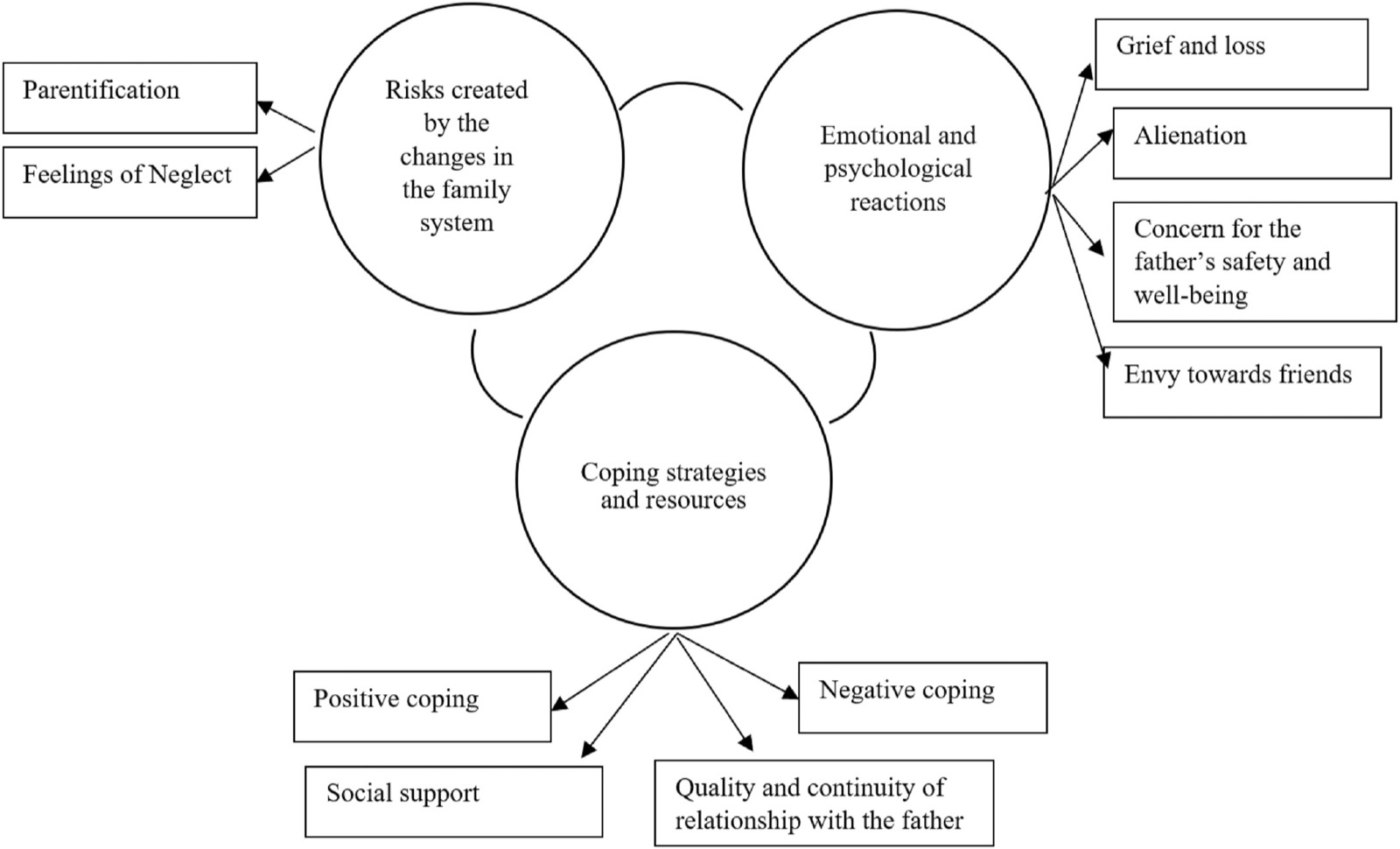
Results. Three primary themes and 10 subthemes emerged, including (a) risks associated with changes in the family system, such as parentification and neglect; (b) emotional and psychological reactions, such as grief and loss, feelings of alienation, concerns for the father's safety and well-being, and envy of peers; and (c) coping strategies and resources employed by participants, encompassing both positive and negative coping mechanisms, social support, and the quality and continuity of their relationship with their father.
Conclusion. LBC experience the impact of changes in familial structure resulting from their father's work migration, potentially leading to specific adverse circumstances such as parentification and neglect. In addition to facing the negative psychological effects of paternal absence, some of these children can effectively cope with the situation.
Implications. Addressing the potential risks of parentification, neglect, and psychological impacts at a structural level is crucial for promoting the well-being and resilience of LBC in Turkey and other countries.
INTRODUCTION
The global phenomenon of parental international labor migration profoundly affects the lives of children left behind, particularly in low- and middle-income countries such as Turkey (Valtolina & Colombo, 2012). Typically, parents remain in work destinations until the completion of their contractual commitments, and the duration of familial separation may extend beyond 2 years, especially when working abroad becomes a routine or a regular source of income for the families left behind (e.g., Adams & Page, 2005; Roy & Basu, 2018). In the rural areas of Turkey, where parental work migration is prevalent, especially among fathers traditionally perceived as providers, a considerable number of children are categorized as left-behind children (LBC). LBC refers to children who are cared for by their other parent, grandparents, or other relatives after one or both of their parents leave them in their hometown or native country for employment for more than 6 months (Huang et al., 2018).
Existing international research exploring the consequences of parental migration has suggested that LBC may not face as grim prospects as initially feared. For instance, Vanore et al. (2015) demonstrated that parental migration is not invariably linked to adverse psychosocial health outcomes for LBC in Moldova. Asis (2006) uncovered that LBC of migrant workers in the Philippines exhibit effective coping mechanisms in dealing with parental absence, displaying heightened autonomy and independence. Further studies have emphasized the advantages of heightened household income, resulting in increased expenditures on food, health, and education for children (e.g., Adams & Page, 2005; Roy & Basu, 2018). Moreover, despite the physical distance, migrant parents have been shown to actively fulfill their parenting responsibilities from afar. This is facilitated by modern communication technologies, making it more convenient for transnational family members to maintain frequent and instantaneous contact (Antia et al., 2020; Brown & Grinter, 2014; Carling et al., 2012).
On the other hand, extensive research has documented the adverse effects of parental work migration on LBC, such as heightened levels of insecurity, depression, anxiety, loneliness, anger, and suicidal thoughts, along with decreased school performance, poorer health, and delayed development (e.g., Guo et al., 2022; Fan et al., 2017; C. V. Nguyen, 2016; L. V. Nguyen et al., 2022; Tang et al., 2019; Valtolina & Colombo, 2012; Van Luot et al., 2018). For example, Guo et al. (2022) found significantly higher rates of intestinal helminth infections among rural Chinese LBC compared to non-LBC, indicating more severe infections. Additionally, Bălțătescu et al. (2023), in a large study across six European countries, discovered that LBC generally exhibit lower levels of subjective well-being and report lower satisfaction with school and family compared to non-LBC, with girls showing particular vulnerability, and this disparity increasing with age. Moreover, Cappelloni (2011) argued that these children may take on parental responsibilities or care for other dependents, which can limit their time for education and leisure activities.
With the growing imbalance in the global economy leading to an increase in the number of LBC worldwide, the physical and mental well-being of these children demands greater attention, requiring collaborative efforts from governments, parents, schools, and society as a whole (Zhu et al., 2023). Therefore, studying LBC is crucial for developing effective solutions and ensuring their well-being (Zhu et al., 2023), particularly considering that the health and development of all children are critical for the future of humanity and sustainable development. Given that the experiences of LBC are influenced by factors such as the gender of the migrant parent, cultural influences, and the specific characteristics of transnational families (Antia et al., 2020; C. V. Nguyen, 2016), it is essential to examine the unique experiences of Turkish LBC related to paternal work migration.
Historical context of Turkish labor migration and the impact on LBC
Migration from Turkey has been driven by factors commonly observed in other low- and middle-income countries, such as rapid population growth, limited job opportunities, and the desire for better living conditions (Genç et al., 2019; Koca, 2021). Historically, the largest influx of labor migration from Turkey occurred following World War II, primarily to alleviate labor shortages in Europe, particularly in Germany (Ayas, 2021). Bilateral agreements made in the 1960s with countries such as Germany, Austria, Belgium, and the Netherlands facilitated this movement, aimed at revitalizing industrial and mining sectors postwar (Erbaş, 2019; İyi, 2020). Initially intending temporary stays, many Turkish male migrants chose permanent settlement due to favorable economic and political conditions, supported by host countries' acceptance and family reunification opportunities (İyi, 2020; Yıldız, 2022).
In the 1980s, the “oil crisis” prompted a shift in migration routes from Turkey, leading Turkish migrants to target the Commonwealth of Independent States and Middle Eastern countries with a demand for labor (Özözen Kahraman, 2012). Countries such as Saudi Arabia, Libya, Afghanistan, Russia, Qatar, and Israel became common destinations. Nearly all migrants to these countries were men who left their families behind, working mainly in construction (Özözen Kahraman, 2012; Şahin Kütük, 2015).
Migration from Turkey has been rapidly increasing since the 2000s, largely driven by political and economic changes in the country (Geurts et al., 2021). In 2022 alone, nearly half a million Turkish citizens out of approximately 85 million migrated, marking a 62.3% increase compared to the previous year (Turkish Statistical Institute, 2023). More than half of these migrants are well-educated and skilled workers of both genders from major cities in western Turkey (e.g., Istanbul and Ankara) who moved to European countries, the United States, and Canada. The majority of the remaining migrants are males relocating as unskilled laborers from regions with fewer employment opportunities, such as rural Central Anatolia, where this study was conducted. As a result, many children are categorized as left behind in these rural areas.
Current study
Despite the prevalence of paternal labor migration, particularly in the rural areas of Turkey, there is a noticeable dearth of studies focusing on the families left behind. Existing research, primarily concentrated on the roles and perspectives of left-behind wives and extended family members, has revealed an increase in household responsibilities, encompassing both domestic tasks and activities like agriculture and farming (e.g., Abacı, 2021; Kalaycıoğlu et al., 2010). Women left behind, who often have no say in their husbands' migration, have been observed to reside with the extended family (Emer Şimşek, 2010). Despite the emotional challenges posed by separation, these women generally accept their situation and assume heightened responsibilities for their children as a consequence (Abacı, 2021).
Research is particularly limited when it comes to the Turkish children left behind due to paternal labor migration. To the best of our knowledge, there has been no comprehensive study delving into the perspectives of these children regarding their fathers' migration and the experiences they encounter during their fathers' absence. This study aims to fill this void by employing a phenomenological approach to understand the lived experiences of Turkish children left behind. Considering the widespread occurrence of parental migration in Turkey, such research is considered crucial for gaining insights into the well-being and needs of children separated from their fathers and for formulating more effective responses to address these needs. The central question investigated in this research is as follows:
RQ. What are the lived experiences of Turkish children who were left behind due to their fathers' international work migration?
METHOD
Research setting
This study was conducted in a small rural town in Sivas, located in the Central Anatolia region of Turkey. The province of Sivas is characterized by underdeveloped industry and challenging climatic conditions, leading to limited job opportunities, similar to much of Central Anatolia (Ergün, 2016). In rural Sivas, limited access to education and cultural dynamics contributes to a situation where a significant portion of the population does not complete formal education and tends to marry at an early age. To support their families, some men migrate to larger cities in western Turkey, either with their families or alone, seeking better economic prospects. Others choose international labor migration as a viable option. This pattern of male migration for work, often leaving their families behind, has become a common response to the challenging economic and social conditions in rural Sivas (Kalaycıoğlu et al., 2010). In the specific town where this research was conducted, the migration of men for work abroad often results in their wives and children relocating to live with extended family members, such as grandparents and uncles.
Participants
Children with fathers employed abroad were invited to participate in this phenomenological qualitative study, which employed semistructured interviews and a focus group meeting. The inclusion criteria specified that participants must have had fathers working abroad since at least their toddler years to ensure their experiences are directly, fully, and authentically relevant to the phenomenon under investigation (see Wertz, 2005). Additionally, they were required to exhibit typical development and possess adequate conversational skills to comprehend the research's nature and provide informed consent. The study was conducted following the Declaration of Helsinki and was approved by the Ethics Committee of Anadolu University (#441077).
Sixteen participants (13 female and three male) between the ages of 10 and 13 took part in semistructured interviews. Four participants had fathers working in Israel, four in Saudi Arabia, three in Serbia, two in Qatar, and one in Kuwait. Five children lived with their extended families, whereas the others (n = 11) lived with their nuclear families. Most children (n = 10) were not born when their fathers were first employed overseas, whereas the rest were between the ages of 0 and 3 years old. The average duration of the current migration episode was approximately 1 year. The educational level of both parents was typically elementary or middle school. Detailed information about the participants can be seen in Table 1.
Table 1 — Summary table of participant characteristics.
- P1*. Age: 13; Gender: Female; Family living situation: Extended; Father's employment country: Israel; Age at father's first overseas employment: 5 years before her birth; Time since father's last departure: 2 years; Mother's education: Middle school; Father's education: Middle school.
- P2*. Age: 11; Gender: Female; Family living situation: Nuclear; Father's employment country: Israel; Age at father's first overseas employment: 5 years before her birth; Time since father's last departure: 1 year; Mother's education: Middle school; Father's education: Middle school.
- P3. Age: 12; Gender: Female; Family living situation: Extended; Father's employment country: Serbia; Age at father's first overseas employment: 5 years before her birth; Time since father's last departure: 7 months; Mother's education: Middle school; Father's education: Elementary school.
- P4. Age: 12; Gender: Female; Family living situation: Nuclear; Father's employment country: Saudi Arabia; Age at father's first overseas employment: 1 year old; Time since father's last departure: 1.5 years; Mother's education: Middle school; Father's education: High school.
- P5*. Age: 10; Gender: Female; Family living situation: Nuclear; Father's employment country: Qatar; Age at father's first overseas employment: 2 years old; Time since father's last departure: 3 months; Mother's education: Middle school; Father's education: Elementary school.
- P6*. Age: 10; Gender: Female; Family living situation: Nuclear; Father's employment country: Iraq; Age at father's first overseas employment: 1 year old; Time since father's last departure: 3 months; Mother's education: Middle school; Father's education: Middle school.
- P7*. Age: 13; Gender: Female; Family living situation: Nuclear; Father's employment country: Kuwait; Age at father's first overseas employment: 1 year old; Time since father's last departure: 1 year; Mother's education: Middle school; Father's education: Middle school.
- P8. Age: 12; Gender: Female; Family living situation: Extended; Father's employment country: Qatar; Age at father's first overseas employment: Infant (0 years old); Time since father's last departure: 8 months; Mother's education: Elementary school; Father's education: Elementary school.
- P9. Age: 11; Gender: Female; Family living situation: Nuclear; Father's employment country: Serbia; Age at father's first overseas employment: 3 years before her birth; Time since father's last departure: 3 months; Mother's education: Middle school; Father's education: Middle school.
- P10. Age: 13; Gender: Female; Family living situation: Nuclear; Father's employment country: Saudi Arabia; Age at father's first overseas employment: 2 years before her birth; Time since father's last departure: 1 year; Mother's education: Elementary school; Father's education: Elementary school.
- P11*. Age: 10; Gender: Female; Family living situation: Extended; Father's employment country: Malta; Age at father's first overseas employment: 3 years before her birth; Time since father's last departure: 1.5 years; Mother's education: Middle school; Father's education: Elementary school.
- P12*. Age: 13; Gender: Female; Family living situation: Extended; Father's employment country: Serbia; Age at father's first overseas employment: 6 years before her birth; Time since father's last departure: 7 months; Mother's education: Elementary school; Father's education: Elementary school.
- P13. Age: 13; Gender: Female; Family living situation: Nuclear; Father's employment country: Israel; Age at father's first overseas employment: 5 years before her birth; Time since father's last departure: 1.5 years; Mother's education: Elementary school; Father's education: Elementary school.
- P14. Age: 11; Gender: Male; Family living situation: Extended; Father's employment country: Saudi Arabia; Age at father's first overseas employment: 8 years before his birth; Time since father's last departure: 1 year; Mother's education: Elementary school; Father's education: Elementary school.
- P15. Age: 11; Gender: Male; Family living situation: Nuclear; Father's employment country: Saudi Arabia; Age at father's first overseas employment: 9 years before his birth; Time since father's last departure: 7 months; Mother's education: Middle school; Father's education: Middle school.
- P16. Age: 12; Gender: Male; Family living situation: Extended; Father's employment country: Israel; Age at father's first overseas employment: 3 years old; Time since father's last departure: 2 years; Mother's education: Middle school; Father's education: Middle school.
* Indicates those who also participated in the focus group.
During individual interviews, the interviewer observed that some of the children (n = 9) exhibited hesitancy compared to other participants. Consequently, researchers decided to invite these children to participate in a focus group, anticipating that a social environment might encourage them to verify, elaborate on, or clarify the information they provided (see Zwaanswijk & van Dulmen, 2014). This approach aimed to enhance the credibility and validity of the collected data and deepen the existing qualitative insights. Seven participants agreed to take part in the focus group session.
Procedure
Upon obtaining approval from both the university review board and the Directorate of National Education for the study, the first author, who works as a school counselor at a Turkish middle school located in a town in Sivas—a province with a significant number of LBC in its rural areas—identified eligible participants. Although the first author was already familiar with the LBC at the school, which has 130 registered students, she informed the teachers about the study to ensure that no eligible students were overlooked. This process led to the identification of 21 students who met the study's criteria.
The students and their families were informed about the nature and purpose of the study, and their consent was sought for participation. However, three students were unable to participate due to frequent school absences, one student chose not to volunteer, and another lacked parental permission. Consequently, the study was conducted with 16 students, and no incentives were provided to the participants. Parents, initially providing verbal consent, were also requested to sign and return the parent consent form and the introduction letter sent through their children. Once the signed and completed forms were received from the participating students, the first author scheduled and conducted both the interviews and focus group in her office, which doubles as the counseling room, as the interviewer also serves as the school's counselor.
Data were collected over 2 months through semistructured interviews, each lasting approximately 20 minutes, and a focus group session lasting 43 minutes. The two authors of this study initially formulated potential interview questions based on the existing literature. These questions were then submitted to two counselor educators for expert review, resulting in the final version of the interview form. This form consisted of four main questions: (a) How is your relationship with your father? (b) What would you like to say about your father working abroad? (c) What are your experiences due to your father working abroad and being away from home for an extended period? (both positive and negative aspects) and (d) How do you believe things would be different if your father didn't have to work abroad and lived with you?
Although the interviews primarily followed the suggested questions, additional inquiries and prompts were introduced for clarity. These included “You can start by focusing first on your experiences at home, and then perhaps on other places such as school”; “Could you give an example of the last time or place you experienced this (or felt that way)?”; “How do you think this is related to your father being abroad?”; and “For example, you could discuss how the daily activities of you and your family members differ when your father is visiting versus when he is abroad for work.”
The focus group used the same set of questions as the individual interviews, albeit with a modified introduction. This decision was influenced by the observed timidity of some children (n = 9) during the individual interviews, likely due to their young age and/or regional sociocultural norms where children can be reserved in speaking freely to adults out of respect. Consequently, researchers invited them to participate in a focus group, anticipating that a social setting might encourage them to verify, elaborate on, or clarify the information they previously provided. With the participants' permission, all interviews and the focus group were recorded and transcribed verbatim by the first author. The second author checked the transcriptions for accuracy.
Information about the researchers
The interviews and the focus group were led by the first author (female), a woman of Turkish descent in her early 20s. Being the counselor at the school attended by all participants, the first author was already acquainted with them, which may have facilitated genuine and intimate dialogues. However, some participants may have felt intimidated by her role as the school counselor. This study formed part of the first author's dissertation while she was completing her master's degree at a university in Eskisehir, Turkey (Türker, 2024).
The second author (female), who has 10 years of clinical supervision experience, currently serves as a faculty member in counselor education at the same university where the first author received her master's degree. She is also a Turkish national with previous experience as a school counselor working with children and is currently researching the impact of adverse childhood experiences on mental health and well-being. Both authors grew up in rural areas of Turkey, although not in central Anatolia, where the study was conducted. They had peers whose fathers worked abroad and were familiar with some of the challenges these children and their families face. The authors discussed how their own identities and experiences might have impacted their perspectives on these children's experiences, a process called “bracketing” (Broom et al., 2009; Moustakas, 1994).
Data analysis
The data analysis was conducted through thematic analysis (Braun & Clarke, 2006). The process began with an immersive approach to grasp the overall context, involving active participation from both authors. Adopting a data-driven and inductively reasoned approach, no predefined conceptual framework was employed. Both authors first read the transcripts without taking any notes, aiming to understand the content broadly and contextually. They then read the transcripts twice independently. During these readings, initial notes were made to capture early impressions and reflections on the data (Barry et al., 1999). This process ensured that both authors were deeply immersed in the data, as recommended by qualitative research best practices (e.g., Braun & Clarke, 2006; Creswell, 2013).
During their subsequent reading, the authors identified initial codes by highlighting relevant passages directly on the transcripts. After this independent coding, the authors met to discuss their initial codes (e.g., longing, sadness, financial gain/advantages, communication), resulting in a total of 23 codes through recursive discussions and consensus reaching. Through thorough discussions, they compared and contrasted their codes, leading to a consensus on the preliminary themes. These preliminary themes were reviewed and refined through an iterative process and reexamination of the data to ensure the themes were representative and coherent. All data analysis was conducted manually. Additionally, a colleague with extensive experience in qualitative research checked the themes and passages to ensure reliability and validity.
RESULTS
Three primary themes and 10 subthemes were generated from the analysis, which can be seen in Figure 1.
Risks created by changes in the family system
This theme illustrates the potential risks of neglect and parentification resulting from changes in the family system due to the father's absence. The narratives revealed an increase in the mothers' workload both inside and outside the household, a reduction in the care and attention provided to the children, and an added responsibility for the children to assist with household tasks or attend to the physical and educational needs of their siblings.
Feelings of neglect
According to the participants, while mothers strive to meet the responsibilities of both the nuclear and extended family, finding time to care for their children becomes challenging. As a result, children who are already deprived of their father's care and attention may also feel neglected by their mothers due to the mothers' multiple responsibilities. P6 (female, 10) highlighted the nature of neglect she experiences in her educational life now that her father is away: “We used to read books together, and my dad would help me with my homework, especially in the parts I didn't understand. We would solve tests together. Things change a bit when my dad is not around.” She further explained this during the focus group: “My father's leaving makes me sad. The house becomes boring. When my mom deals with household chores, it becomes even more boring.” When asked for the reason, she elaborated, “Because we cannot play with my mother. We need someone who can play.”
In a similar vein, P12 (female, 13) mentioned that when her father is not around, she does not spend much time with her mother as her mother is burdened with household chores. P2 expressed how she spends time due to the absence of another parent to share activities with: “At home … It becomes quiet. I mostly watch TV and that becomes boring too. When my dad was here, we used to have more fun. For example, we would go downstairs. We used to play ball outside.”
As also indicated by P7 (female, 13), the father's work migration led to an increase in her mother's responsibilities, resulting in a transition from nuclear family to extended family dynamics. This was illustrated in her statement that her mother “gets very tired.” Similarly, P12 expressed concerns about not spending enough time with her mother due to the increased responsibilities in the absence of her father: “Right now, we can't spend much time together because my mom has household chores and all. We used to do things with my dad, but not anymore.”
Parentification
The child assuming a parental role, often described as parentification, is a notable outcome resulting from shifts in the family dynamic following the father's work migration. As the tasks and responsibilities left by the father need to be distributed among other family members, it is apparent that the child assumes either the father's duties or the increased responsibilities of the mother. For example, P12 (female, 13) described her roles and household tasks with the following statements:
I usually help with household chores when it's my mom's job. I cook, wash the dishes, and sweep the house. When they [referring to the extended family] are working, responsibilities like cooking for them and making tea often fall on me.
Similarly, P10 (13, female) handles “cooking and cleaning tasks,” P4 (female, 13), and P5 (female, 10) “sweep and clean the house,” and P8 (female, 12) takes care of tasks such as carrying coal. P6 (female, 10) explained,
My father, as I mentioned, used to make salad and such. When my mom went to the barn, he would help with the meals. Now that my dad is away, my sister and I take on his responsibilities. If my mom is sick, we do things. When my mom is cleaning the windows, I sweep the house. I clean the doors and such. We wash the dishes and things.
In the narratives, it's evident that while girls are involved in household tasks, boys often take on the responsibilities of caring for animals and tending to the garden. For example, P16 (male, 12) mentioned that he “waters the animals every day.” P15 (male, 11) stated that he assists with “irrigating the field,” while his brother (13) “operates the tractor.” P14 (male, 11) described his responsibilities for animal care with the following statements: “I take care of the animals. Feeding them and such. Along with my two male cousins, we look after 120 chickens, 37 geese, and 67 cows.”
Another specific type of parentification experienced by children is “sibling-focused parenting,” which highlights the care and attention that older siblings try to provide for their younger siblings. For example, P7 (female, 13) made the following statement: “Because my mom is a bit older, she automatically gets tired and goes to bed early. Sometimes, I am the one giving baths to my siblings.” Similarly, P5 (female, 10) mentioned “helping her sibling get dressed”; P8 (female, 12) stated that she “dresses her sibling and provides support while brushing her teeth.” P10 (female, 13) described her caregiving roles for her sibling as follows: “Sometimes when my mom is not around, I take care of him. I change his clothes, and I also bathe him.”
It is evident in the narratives that participants fulfill responsibilities such as supporting their siblings' education and being involved in their school experiences. P15 (male, 11) mentioned that he does his homework together with his brother; P8 (female, 12) stated that she helps her sibling with homework and tries to organize his study schedules. P4 (female, 12) described her assistance in his brother's school life: “Sometimes I make him read books. His reading is weak; he reads syllable by syllable. I help him. I also assist a bit with his homework.” Finally, P6 (female, 10) used the following statement: “My sibling has an activity book. We do the activities together. I teach him numbers and such.”
Emotional and psychological reactions
This theme indicates that LBC also share common emotional and psychological experiences. It is possible to categorize these experiences as grief and loss, concerns about the father's health and safety, feelings of envy toward peers, and a sense of alienation.
Grief and loss
The participants' narratives shared emotional reactions such as longing, sadness, loneliness, anger, and ambiguous loss, with some expressing that they constantly feel the absence of their father. For example, P4 (female, 12) emphasized the depth of her longing by stating, “1.5 years felt like a giant hundred years for me.” P6 (female, 10) conveyed her eager anticipation of her father's return with the following statements: “I used to go to my mom and ask this, ‘Mom, when is dad coming?’ My mom would say he would come in about three months or so. Then, I would count like this with my fingers. [shows fingers].”
P11 (female, 10) expressed feelings of loneliness in the absence of her father: “When I'm away from my dad, I feel lonely, I'm left alone.” P1 (female, 13) expressed her sadness using the following statements: “When my dad leaves, it becomes tearful. We all cry, and he cries too. Because when you get used to each other, and then he leaves, something happens inside a person.” P12 (female, 13) described her sadness: “Not being able to be together while my father is away makes me feel bad. It affects me a lot because my longing for him increases every day … I miss him.”
The participants experienced anger as they struggled to comprehend the reasons behind their fathers' decision to migrate for work. For example, P1 (female, 13) stated, “Absurd. Isn't it absurd? With Turkey being an option, why go abroad? At least when he is in Turkey, it's a 2-hour journey. Many things happen there. He can't come whenever he wants. It seems very absurd to be abroad.” P4 (female, 12) expressed her resentment toward her father with the following statements:
My father completed high school but quit afterward. I wish he had continued his education. He would have seen me, and we would have lived together as a family. I would have wanted that. Being apart is a bad thing, in my opinion. My uncle is now a civil servant, a policeman. He sees his children every day. I also wish my father could see me every day.
The experience of a father being away from the family without divorce or death and then returning to rejoin the family seems to be quite confusing for some children. This can be contextualized as ambiguous loss, as described by P1 (female, 13): “Actually, not having a father. It's like a feeling less than what people without fathers feel. I can't feel what they feel, yes, but … I don't feel like I don't have a father, but it's clear that my father is not there.”
Concern for the father's safety and well-being
Another emotional and psychological experience expressed by the participants is the concern about their father's health and safety. Participants' narratives included intense anxiety, particularly because the majority of fathers work in construction, which entails potential risks. For example, P3 (female, 12) expressed her worry about her father's life, stating, “Construction is very dangerous, indeed. Because something sudden can happen. Anything can happen to you at any moment.” P11 (female, 10) similarly mentioned the possibility of workers falling from a height in construction, stating that her father “wouldn't want to die in such a way.” P2 (11, female) provided an additional explanation regarding the constant anxiety that is a part of these children's lives:
We worry a lot about him. For instance, the possibility of him falling or getting injured is very high. It affects us negatively in that regard. It affects us very badly that he is there. May God not make anyone experience the feeling of losing a father. If we don't hear his voice for even a day, we immediately get worried. Has something happened? Is he okay?
Envying friends
The findings also indicate that participants experience a sense of envy toward friends whose fathers do not work abroad. A prevalent characteristic of the sociocultural environment they inhabit is that the majority of fathers in families work overseas. However, the presence of peers living with their fathers triggers feelings of sadness and longing in the participants. This is illustrated in the account of P1 (female, 13), who mentioned that she “feels the absence of her father when she sees her friends' fathers during school meetings.”
P9 (female, 11) shared that she “gets upset when her friends' fathers come to the village.” P8 (female, 12) described the impact of seeing their friends' fathers on themselves with the following statements: “H's [friend's] father is always with her. I feel sad when she talks to her father because my father is not with me. That's why I avoid going to them, so as not to feel sad.” P1 (female, 13) provided a similar explanation: “For example, C's [friend's] father works in Antalya [another city in Turkey]. Her father comes to the village. Although C misses him, I think it's not as much as I do.”
Alienation
A significant number of the LBC found themselves becoming alienated from their fathers. This can manifest as indifference to living separately from their father, eventually normalizing the situation. Consequently, some children don't experience any emotions about their father's absence and perceive growing up without a father as a normal situation. For instance, P3 (female, 12) expressed this sentiment: “I don't know how things would be different if we lived with my father. This situation is very familiar to me.” P15 (male, 11) echoed a similar sentiment: “I don't feel anything when my father goes abroad.” P16 (male, 12) shared thoughts on family togetherness: “If my father worked here, everything would be the same.”
The narratives indicated that, due to the time spent apart from their fathers, participants began to perceive them as strangers, leading to difficulties in communication. Some children mentioned they could not have video conversations with their fathers because of feeling “embarrassed.” For example, P5 (female, 10) stated, “Since he left, I couldn't talk to him. How? Because I'm embarrassed; I'm a shy person. We only exchanged messages once. But, when he comes, how can I say? One day passes, and then I get used to it.” P1 (female, 13) expressed a similar sentiment:
The reason I may not be able to express my feelings to my father could be embarrassment. … Until last year, I was very embarrassed to talk to my father. When I say embarrassed, I would just ask, “What are you doing, dad?” and I would laugh and pass. It happened a lot.
As seen in the narratives, alienation experienced by the participants features a decline of established communication and the difficulty in rebuilding the father–child relationship when the father visits. P7 (female, 13) described this as “feeling weird when her father comes home.” P1's narrative also demonstrated how difficult it becomes at times to get reacquainted with her father:
Sometimes we even forget to talk to my father. Our relationships become irregular most of the time. Because my father gets busy. You start forgetting over time. For example, my father comes to the village. You can't establish the connection as before. It takes a few days. You can't do much in conversations and such.
Coping strategies and resources
As previously mentioned, the father's work migration induces changes in the family system, leading to challenging experiences. Faced with these challenges, children seem to employ various coping strategies and resources, such as positive coping, negative coping, social support, and the quality and continuity of the relationship established with the father.
Positive coping
The findings indicate that some children engage in positive reframing of their father's departure, potentially contributing to the preservation of their well-being. In the focus group, a majority of participants reported perceiving their fathers' departure as a means to “contribute to the family and improve their lives,” “ensuring a ‘better future for them.’” This perspective is evident in the narrative of P12 (female, 13) who stated,
It's all for us. He's working for us, to provide a good future. He's working. I would prefer him to work domestically and be close to us. But, since it's not possible in Turkey, he works abroad. He works for us. He strives for us. We can't repay him.
Participants expressed their understanding of the purpose behind their fathers' absence with satisfaction and appreciation. For instance, P5 (female, 10) elaborated on this, saying, “I know my dad went for a purpose, and I'm not sad. He went there for our school to be good.” Similarly, P10 (female, 13) conveyed her father's work abroad, stating, “He's already working for us. He's working for our future. It's not a problem that he works abroad.” P6 (female, 10) exemplified this sentiment: “To protect us, my dad … How can I say … Sometimes our situation gets a little bad. That's why his work makes us happy. His work makes us very happy.”
Negative coping
Although this theme was reported by a single participant, its significance lies in suggesting potential manifestations of negative coping mechanisms among certain children. In this particular case, P1 recounted instances of acting-out behaviors within her brother related to his academic performance. The participant's narrative suggests that her sibling attributes the relocation, prompted by the family's move from the city to the town to live with the extended family after the father's migration, to their mother, expressing blame toward her. P1 mentioned the anger expressed by her brother toward their mother in the following way: “For example, this year the principal asked my brother why he didn't study at all. He replied, ‘I wanted to punish my mom; I punished myself.’”
Social support
The findings suggest that social support serves as a coping mechanism for children, potentially acting as a protective factor against the negative consequences of the process. The primary source of social support appears to be derived from extended family members, such as uncles, aunts, and cousins. This observation is unsurprising, as, following the migration of the father, some families either initiate cohabitation with their extended family or opt for relocation to the same apartment building.
In essence, extended family members not only assume the domestic and external duties typically carried out by the father but also appear to offer emotional support to the child. Participants' statements underscore the discernible capacity of uncles to assume the father's role and provide emotional support in the child's life. This phenomenon was illuminated through the narratives of P7 (female, 13) whose father provided support to her cousins: “In previous years, one of my cousins cried because my father had come. My father tried not to make his father's absence felt. He hugged him as if hugging his children.” P4 (female, 12) exemplified this by stating, “When we are together with uncles and others, we go to the mountains, have picnics.” Some children found consolation in both friends and cousins following the father's departure, as explained by P2 (female, 11):
When he first left, I was sad for about two weeks. Then I started getting used to it. I got better because I got more used to it. Sometimes, when I spent time with my friends and such, I would forget. Like that. We were playing in the snow with my cousins. It made me forget.
Quality and continuity of relationship with the father
Another coping strategy mentioned by LBC is maintaining the quality and continuity of the relationship with the father. Despite the physical distance, some fathers sustain a close and intimate relationship with these children through the use of communication technologies. For instance, participant P6 (female, 10) described their close relationship with her father as follows: “We are very close with my father, you know. We never want to be separated. For example, if something happens to one of us, we rush to help immediately.”
The continuity of the father's involvement in different aspects of the child's life appears to contribute to them coping more effectively with the process. P3 (female, 12) described this: “In our conversations, he says, ‘My daughter studies, I trust her,’ and supports me even more. It's good to chat with my dad. It's good to talk about problems.”
In other words, findings suggest that some fathers can maintain a vibrant connection with their children even from afar. Some actively engage in their children's educational and personal affairs, even sending gifts from afar to reinforce the child's belief that “my dad is working for me.” This practice seems to instill a sense of paternal care and attention in the participants, aiding them in coping more effectively with the separation process. Participant P9 (female, 11) illustrated how her father, despite being physically distant, maintained a strong connection with her through modern communication methods while also fulfilling the “provider” role from abroad:
Yes, we do video calls. For example, when I like something online, I send him a photo. He can buy it a week or two later. He mostly fulfills my wishes. For example, if I like something but our financial situation is not that good, he finds something similar and buys it.
DISCUSSION
This qualitative study was conducted to gain a holistic understanding of the lived experiences of Turkish children left behind due to their fathers' overseas employment. Collected from children aged 10–13 years through semistructured interviews and a focus group, the data revealed three superordinate and 10 subordinate themes. These include (a) risks associated with changes in the family system, such as parentification and neglect; (b) emotional and psychological reactions, such as grief and loss, feelings of alienation, concerns for the father's safety and well-being, and envy of peers; and (c) coping strategies and resources employed by participants, encompassing both positive and negative coping mechanisms, social support, and the quality and continuity of their relationship with their father.
The results suggest that alterations in the familial structure following the father's work migration potentially give rise to specific adverse circumstances in the child's life, specifically manifesting as parentification and neglect. In the father's absence, the mother is forced to assume increased responsibilities for domestic chores, as well as agricultural and livestock, consistent with the literature highlighting such role changes in the family dynamics and the lives of the left-behind wives (e.g., Castañeda & Buck, 2011; Giannelli & Mangiavacchi, 2010; Kalaycıoğlu et al., 2010; Poeze, 2019; Suárez-Orozco et al., 2011). These conditions, combined with the father's absence in providing care and attention, appear to result in feelings of neglect in LBC, manifested through increased TV time and a lack of parental care and assistance for educational and leisure activities.
The theme of neglect articulated by our participants aligns with previous research conducted in other countries, such as Vietnam and China, indicating that parental migration can lead to neglect in various domains, including nutrition, education, personal care, and health (Fellmeth et al., 2018; C. V. Nguyen, 2016; L. V. Nguyen et al., 2022; Valtolina & Colombo, 2012). For example, a recent meta-analysis comparing a large sample of LBC and non-LBC in China (Wen et al., 2021) quantitatively demonstrated this, revealing that LBC faced significantly more severe neglect in areas such as medical care, emotional support, physical security, education, and social interactions. However, the theme of neglect reported by our participants may not be specific to LBC alone but could be prevalent among all children in the region due to the cultural and sociodemographic characteristics of the parents. Given our study's qualitative and small-scale nature, along with this observation, additional research is necessary to establish the prevalence of neglect among LBC.
In addition, almost all participants in our study reported taking on parental responsibilities within the family structure, whether it be assisting with household duties or attending to the educational and familial requirements of their siblings, a phenomenon termed parentification (Hooper et al., 2011, 2015). Existing literature emphasizes a decrease in the time available for LBC to participate in education and leisure activities, attributing it to heightened roles and responsibilities related to household and other dependents (e.g., Antman, 2012; Cappelloni, 2011). Consequently, consistent with existing literature suggesting that children in single-parent households may experience increased parentification (Hooper et al., 2011, 2015; Jurkovic et al., 2001), our study highlights the risk of parentification among Turkish LBC. Girls reported household tasks, whereas boys often took on outside responsibilities, such as animal care and garden maintenance.
Parentification is known to be particularly prevalent among lower socioeconomic families with multiple children (e.g., for a review, see Masiran et al., 2023), a demographic shared by our participants, suggesting it might be common in other families in the region. Additionally, many of our participants, especially females, reported taking on caregiving duties for their siblings. This could reflect typical sibling interactions, as Turkish culture often views caregiving as a form of respect among siblings (Hanöz et al., 2024; Kağıtçıbaşı, 2002). Alternatively, it might align with traditional gender norms, where girls are commonly expected to assume caregiving roles, particularly in rural areas of Turkey (Çakıroğlu & Seren, 2021). Further studies are needed to reveal whether these caregiving activities extend beyond cultural norms, gendered roles, or typical sibling interactions, indicating a distinct pattern specifically among LBC.
A noteworthy finding was that, although a minority in number, our male participants emphasized taking on paternal responsibilities, mirroring their fathers' roles as primary providers. In the region, it is notable that male children often follow their fathers' example by leaving their hometown to work abroad once they reach adulthood (e.g., Ergün, 2016). Consequently, male children may demonstrate a tendency not to prioritize academic pursuits, which aligns with observations made by the first author, who is a school counselor at the participants' school. These observations highlight the significant role that gender may play in shaping the experiences of LBC, influencing patterns of parentification, academic engagement, and personal narratives. As already suggested, future studies can benefit from delving deeper into how gender dynamics may influence the experiences of LBC, especially concerning parentification.
Participants reported experiencing grief and loss, including emotions such as sadness, loneliness, anger, and ambiguous loss, which aligns with previous research (Albin et al., 2013; Cortina, 2014; Hu et al., 2014; Schapiro et al., 2013; Su et al., 2013). This finding suggests that parental absence, whether caused by labor migration, divorce, or death, may lead to similar emotional and behavioral responses such as anger issues, a pessimistic outlook, diminished life satisfaction, yearning, sadness, and loneliness in children (e.g., Bedel & Işık, 2015; Demir & Çelebi, 2017). Consequently, LBC may be considered vulnerable to comparable outcomes, such as poorer educational performance and reduced mental well-being in adulthood, akin to individuals facing parental absence due to divorce or death (e.g., Amato & Anthony, 2014; Poole et al., 2017).
Another common psychological experience among the participants was the concern regarding the father's health and safety. Although existing literature indicates that LBC may show heightened anxiety and stress (Fellmeth et al., 2018; Schapiro et al., 2013), our findings highlight a distinct form of anxiety linked to the father's occupational conditions, particularly those involved in construction work. Children expressed concerns about their fathers' safety despite not having direct experience with their worksites. It is plausible that these children have overheard older family members discussing potential risks associated with such occupations. Therefore, future research could benefit from investigating the origins of these concerns, illustrating how familial and social dynamics shape children's perceptions and emotional responses to parental absence due to work.
The findings revealed that LBC may also be more likely to feel alienated from their fathers, a phenomenon commonly observed in children after their parents' divorce (Torun, 2011). Given that our participants lived apart from their fathers for an extended period, with many growing up without them, it is plausible that they exhibited a lack of emotional attachment. This could manifest as viewing their fathers' absence as routine or facing communication challenges due to feelings of awkwardness or embarrassment. This may explain the findings by Iosim et al. (2022), who revealed that left-behind adult children of migrant workers reported a deterioration in relationships with family members and experienced substantial psycho-emotional deprivation, negatively impacting the social sustainability of the succeeding generation.
Our findings largely align with the notion that these children can effectively cope with parental absence (Asis, 2006; Vanore et al., 2015). Some children seem to perceive the financial gains positively and reframe their fathers' departure as a demonstration of love and care for them and the family. Although derived from interviews with left-behind adult children, Iosim et al. (2022) similarly uncovered that all participants unanimously acknowledged the primary benefit of their parents working abroad as an improvement in their financial situation and opportunities.
A significant coping resource for the LBC was the quality and continuity of the relationship with the father. Some children reported that despite being physically distant, migrant fathers actively performed their parental roles from afar, consistent with previous research that contemporary communication technologies make it more convenient for transnational parents and their families to maintain frequent and instantaneous contact (Antia et al., 2020; Brown & Grinter, 2014; Carling et al., 2012). This discovery is also consistent with the results of Su et al.'s (2013) study, which indicated that Chinese LBC who reported greater levels of parent–child communication also displayed increased satisfaction with their life and school, along with higher levels of happiness.
Social support emerged as another coping resource for participants, who noted that extended family members, including uncles, aunts, and cousins, could provide a source of love and affection, aligning with previous research (e.g., Song et al., 2021; Vanore et al., 2015). It is important to highlight that these participants reside in the rural areas of Turkey, where a prevalent practice among left-behind mothers is to either cohabit with extended family members or allow male members of the extended family to assume authoritative roles within the family structure (Abacı, 2021; Emer Şimşek, 2010). Though this may pose challenges for left-behind mothers, it could serve as a protective factor for LBC. This aligns with the argument that factors such as the gender of the migrant parent, cultural influences, and specific characteristics of transnational families play a role in the well-being and mental health of LBC (Antia et al., 2020; C. V. Nguyen, 2016).
The findings also indicate that some children may not positively cope with the process, exhibiting problem behaviors. This aligns with previous research documenting problem behaviors among Chinese, Indonesian, and Thai LBC, such as low school performance, drop out from school, conflicts with teachers and peers, and substance abuse (e.g., Graham & Jordan, 2011; Valtolina & Colombo, 2012). However, it should be noted that the specific child reported as punishing his mother by not studying was a boy, which may support Vanore et al.'s (2015) assertion that conduct problems tend to be more prevalent among male children, whereas emotional problems are more common among female children.
Implications for practice and policy
The findings indicate that LBC experience neglect, parentification, sadness, loneliness, anger, ambiguous loss, and envy toward friends living with their parents, which are comparable to responses seen in cases of divorce or death. These responses highlight the importance of addressing the issue across various structural dimensions. Collaborative action and increased awareness among governments, nongovernmental organizations, parents, teachers, and mental health practitioners are critical to meet the unique needs of LBC and recognize and mitigate the possible consequences these children and their families face. Although Turkey may not yet have well-established programs specifically tailored to the needs of LBC, other countries, such as China, have developed models that could be adapted. For example, China implemented the “Children's Companion Mothers Program” (CCMP), a 3-year, community-based intervention aimed at building a child welfare and protection system for rural infants, children, and adolescents up to age 18, with a focus on LBC and those in difficult circumstances. This innovative program was developed through collaboration between the government, a national foundation, and a leading research institution, and was implemented in 213 rural villages in southeast China (Guan & Deng, 2019).
International governmental organizations should emphasize the impact of unequal economic development on the lived reality of LBC and work toward its elimination. Nongovernmental organizations could advocate for and facilitate the provision of educational, social, and emotional support, especially in low- and middle-income countries such as Turkey. For instance, UNICEF partnered with Turkey's Directorate General of Family and Community Services to create the “Modular Family Education Program,” which helps parents improve communication and child-rearing skills, address digital risks, manage school issues, and develop problem-solving skills for family resilience (Ministry of Family and Social Services, 2024). Expanding such collaborations to include support for LBC and their families would be a valuable step forward. Similarly, governments should prioritize local economic development and create job opportunities for migrant workers in their hometowns to reduce parental migration for work. Additionally, they should allocate resources to fund psychological, emotional, practical, and educational support programs for LBC and their families within schools and the community. For example, China has implemented several intervention programs addressing social, psychological, physical, developmental, and sexual difficulties or needs of LBC within schools and the community, which could provide valuable insights for Turkey (see Zhuang & Wu, 2024, for a review).
Practitioners such as social workers, educators, and mental health professionals should be trained to recognize and address the specific challenges faced by LBC and their families. Their interventions should aim to mitigate the social, emotional, and educational challenges experienced by these children and promote healthy family dynamics despite paternal absence. Given that regular and healthy father–child communication plays a protective role in how LBC cope with paternal absence, educating fathers on distant parenting skills and quality communication, and providing them with strategies to enhance family cohesion and emotional well-being is crucial. These programs can be implemented by teachers and/or social workers through online platforms, considering that many fathers are frequently absent from home due to employment abroad. For instance, Turkey has implemented online educational and psychosocial support programs aimed at parents of children with disabilities, which could be adapted for use in these father–child communication programs (see TÜBİTAK & Anadolu University, 2020). Lastly, the results indicate that providing emotional and practical support to left-behind mothers is vital, given their evolving roles and increased responsibilities. Programs can be implemented in various settings, including schools, community centers, and online platforms, offering resources such as parenting workshops, mental health services, and community networks. These resources will assist mothers in managing their responsibilities effectively, thereby supporting their well-being and likely benefiting the overall family dynamic and enhancing the resilience of LBC.
Limitations
Being the inaugural study conducted with LBC of Turkish migrant fathers, this research significantly contributes to comprehending the lived experiences of this specific population. There are also certain limitations, with the primary constraint being the composition of the sample, consisting of Turkish children aged 10–13, predominantly girls residing in the same town within the central Anatolia region. The lower socioeconomic conditions of the families in the study environment, along with gender imbalance (mostly female) and the relatively narrow age range of the participants, should be taken into account when assessing the transferability of the findings to broader contexts. Future research could be conducted with a more diverse and representative sample.
Considering the young age of our participants and the interviewer's dual role as a school counselor at their school, both age and power differentials might have influenced the findings. The interviewer's role as a school counselor, while providing familiarity and rapport with participants, might have influenced their responses due to social desirability bias. Participants might have altered their answers to align with the perceived expectations or preferences of the counselor. Moreover, interviews took place in the counselor's office, a setting familiar to most students for confidential counseling conversations. Despite efforts to create a comfortable environment, some students may have felt intimidated by the formal setting and being interviewed by the school counselor. Therefore, the complex interactions of gender and power dynamics potentially influencing the quality of our qualitative data should be considered when interpreting the findings.
The study's final limitation pertains to conducting interviews with children aged between 10 and 13. Some participants exhibited timidity during individual interviews, possibly due to their young age and regional sociocultural norms that encourage children to be reserved when speaking with adults out of respect. Although additional inquiries and prompts improved clarity for some children, others remained hesitant. To address this, we conducted a focus group, which we believe effectively encouraged participants to expand on their experiences. However, this social setting might have introduced additional social desirability bias. One notable difference from individual interviews was that a few children (n = 3) who initially did not express positivity about their fathers working abroad later spoke positively about their fathers' motivations, likely influenced by peers who shared positive perspectives during the focus group. These dynamics, alongside initial challenges related to age and cultural norms, may have impacted the study's findings.
Conclusion
Conducted to provide a comprehensive understanding of the lived experiences of Turkish children left behind due to their fathers' overseas employment, this study underscores the adverse impacts of changes in the family system, such as parentification and neglect, resulting from the father's absence. The children reported emotional and psychological challenges, including grief, loss, feelings of alienation, concerns for the father's safety, and envy of peers. Despite these difficulties, the quality and continuity of the father–child relationship emerged as a significant protective factor, and the children employed various coping mechanisms. The results underscore the importance of raising awareness among international and community-level policymakers, parents, teachers, social workers, and mental health professionals about the emotional and behavioral consequences of paternal work migration for LBC. More importantly, they highlight the need for providing targeted services and interventions for these children and their families at national and international levels.
Complexe Systémique: key points
The study gives a voice to children rather than to the adults who speak about them, and that is its strength. We see the family system reorganise around an absent member: the mother absorbs the father’s tasks, the extended family takes on a position of authority, and part of the load shifts to the children, girls in the house and with their siblings, boys in the fields and with the animals. Ambiguous loss, a father neither gone nor present, and the estrangement that makes reunions awkward will speak to any clinician working with transnational families. The main resource identified is the continuity of the bond: video calls, interest in school, attention from afar. For practice, this invites us to explore what circulates between visits and to recognise parentification without pathologising it straight away, since it is also embedded in cultural and gender norms. The sample is small and mostly female, and the interviewer was the school counsellor: the findings remain exploratory. Read alongside the article on parentification, and the article on migration, ambiguous loss and rituals.
References
Abacı, S. (2021). Ortadoğu ülkelerine yaşanan erkek göçlerinin aileye ve ailedeki kadın rollerine etkileri: Hatay örneği üzerinden bir değerlendirme [The effects of male migration to Middle Eastern countries on families and women's roles within the family: An evaluation based on the example of Hatay] [Unpublished master's thesis]. Karabük University.
Adams, R. H., Jr., & Page, J. (2005). Do international migration and remittances reduce poverty in developing countries? World Development, 33(10), 1645–1669. https://doi.org/10.1016/j.worlddev.2005.05.004
Albin, B., Qin, J., & Hong, Z. (2013). Mental health in the left-behind children in the Fujian province of China. Journal of Public Mental Health, 12(1), 21–31. https://doi.org/10.1108/17465721311304212
Amato, P. R., & Anthony, C. J. (2014). Estimating the effects of parental divorce and death with fixed effects models. Journal of Marriage and Family, 76(2), 370–386. https://doi.org/10.1111/jomf.12100
Antia, K., Boucsein, J., Deckert, A., Dambach, P., Račaitė, J., Šurkienė, G., Jaenisch, T., Horstick, O., & Winkler, V. (2020). Effects of international labour migration on the mental health and well-being of left-behind children: A systematic literature review. International Journal of Environmental Research and Public Health, 17(12), Article 4335. https://doi.org/10.3390/ijerph17124335
Antman, F. M. (2012). Gender, educational attainment, and the impact of parental migration on children left behind. Journal of Population Economics, 25, 1187–1214. https://doi.org/10.1007/s00148-012-0423-y
Asis, M. M. (2006). Living with migration: Experiences of left-behind children in the Philippines. Asian Population Studies, 2(1), 45–67. https://doi.org/10.1080/17441730600700556
Ayas, M. Ö. (2021). Türkiye'de Avrupalılaşma ve Avrupa Birliği'ne uyum sürecinde göç politikaları [Immigration policies in Turkey in the process of Europeanization and harmonization with the European Union]. In V. Öngel, S. Boğa, & H. S. Tatlı (Eds.), Sosyal bilimlerde göç (pp. 115–135). Gazi Kitabevi.
Bălțătescu, S., Strózik, T., Soo, K., Kutsar, D., Strózik, D., & Bacter, C. (2023). Subjective well-being of children left behind by migrant parents in six European countries. Child Indicators Research, 16(5), 1941–1969. https://doi.org/10.1007/s12187-023-10054-w
Barry, C. A., Britten, N., Barber, N., Bradley, C., & Stevenson, F. (1999). Using reflexivity to optimize teamwork in qualitative research. Qualitative Health Research, 9(1), 26–44. https://doi.org/10.1177/104973299129121677
Bedel, A., & Işık, E. (2015). A comparison of interpersonal problem solving and life satisfaction level between students with single parents and two parents. Journal of Theoretical Educational Science, 8(1), 70–85. https://doi.org/10.5578/keg.7966
Braun, V., & Clarke, V. (2006). Using thematic analysis in psychology. Qualitative Research in Psychology, 3(2), 77–101.
Broom, A., Hand, K., & Tovey, P. (2009). The role of gender, environment and individual biography in shaping qualitative interview data. International Journal of Social Research Methodology: Theory & Practice, 12(1), 51–65. https://doi.org/10.1080/13645570701606028
Brown, D., & Grinter, R. E. (2014). Aboard abroad: Supporting transnational parent-school communication in migration-separated families. Information Technologies & International Development, 10(2), 49–63.
Çakıroğlu, O. Ç., & Seren, A. K. H. (2021). Psychometric properties of the gender role attitudes scale among Turkish nursing students and factors affecting their attitudes. Perspectives in Psychiatric Care, 58(2), 706–714. https://doi.org/10.1111/ppc.12840
Cappelloni, C. (2011). Going beyond material well-being: Looking at the hidden costs of migration on children left behind. PRAXIS, The Fletcher Journal of Human Security, 27, 24–37. https://sites.tufts.edu/praxis/files/2020/05/2.-Cappelloni.pdf
Carling, J., Menjívar, C., & Schmalzbauer, L. (2012). Central themes in the study of transnational parenthood. Journal of Ethnic and Migration Studies, 38(2), 191–217. https://doi.org/10.1080/1369183X.2012.646417
Castañeda, E., & Buck, L. (2011). Remittances, transnational parenting and the children left behind: Economic and psychological implications. The Latin Americanist, 55(4), 85–110. https://doi.org/10.1353/tla.2011.a706534
Cortina, J. (2014). Beyond the money: The impact of international migration on children's life satisfaction: Evidence from Ecuador and Albania. Migration and Development, 3(1), 1–19. https://doi.org/10.1080/21632324.2014.885635
Creswell, J. W. (2013). Qualitative inquiry & research design: Choosing among five approaches ( 3rd ed.). Sage.
Demir, S., & Çelebi, Ş. (2017). Tek ebeveynli ailelerin sorunları: Nitel bir araştırma [Problems of single-parent families: A qualitative study]. Yalova Sosyal Bilimler Dergisi. 7(13), 111–128. https://doi.org/10.17828/yalovasosbil.333891
Emer Şimşek, A. (2010). Türkiye'de uluslararası göç sürecinde geride kalan kadınlar: 1960–1990 Denizli örneği [Women left behind in the process of international migration in turkey: 1960–1990 Denizli case] [Unpublished master's thesis]. Istanbul University. http://nek.istanbul.edu.tr:4444/ekos/TEZ/47245.pdf
Erbaş, H. (2019). Göç ve göçmenler [Migration and migrants]. Phoenix Yayınevi.
Ergün, A. (2016). Sivas ilinde coğrafi faktörlerin göç olgusu üzerine etkileri [The effects of geographical factors on the phenomenon of migration in Sivas province] (Publication No. 28679742.) [Doctoral Dissertation, Necmettin Erbakan University]. ProQuest Dissertations & Theses. https://www.proquest.com/docview/2569992896?pq-&sourcetype=Dissertations%20&%20Theses
Fan, X., Yu, S., Peng, J., & Fang, X. (2017). The relationship between perceived life stress, loneliness, and general well-being among the left-behind rural children: Psychological capital as a mediator and moderator. Journal of Psychological Science, 40(2), 388–394. https://doi.org/10.16719/j.cnki.1671-6981.20170221
Fellmeth, G., Rose-Clarke, K., Zhao, C., Busert, L. K., Zheng, Y., Massazza, A., Sonmez, H., Eder, B., Blewitt, A., Lertgrai, W., Orcutt, M., Ricci, K., Mohamed-Ahmed, O., Burns, R., Knipe, D., Hargreaves, S., Hesketh, T., Opondo, C., & Devakumar, D. (2018). Health impacts of parental migration on left-behind children and adolescents: A systematic review and meta-analysis. The Lancet, 392(10164), 2567–2582.
Genç, Y., Ustabaşı Gündüz, D., & Çöpoğlu, M. (2019). Göç ve kalkınma ilişkisi [The relationship between migration and development]. Avrasya Uluslararası Araştırma Dergisi, 7(18), 479–498. https://dergipark.org.tr/en/download/article-file/768399
Geurts, N., Davids, T., & Spierings, N. (2021). The lived experience of an integration paradox: Why high-skilled migrants from Turkey experience little national belonging in the Netherlands. Journal of Ethnic and Migration Studies, 47(1), 69–87. https://doi.org/10.1080/1369183X.2020.1770062
Giannelli, G. C., & Mangiavacchi, L. (2010). Children's schooling and parental migration: Empirical evidence on the ‘left-behind'generation in Albania. Labour, 24(S1), 76–92. https://doi.org/10.1111/j.1467-9914.2010.00504.x
Graham, E., & Jordan, L. P. (2011). Migrant parents and the psychological well-being of left-behind children in Southeast Asia. Journal of Marriage and Family, 73(4), 763–787. https://doi.org/10.1111/j.1741-3737.2011.00844.x
Guan, S., & Deng, G. (2019). Whole-community intervention for left-behind children in rural China. Children and Youth Services Review, 101, 1–11. https://doi.org/10.1016/j.childyouth.2019.03.033
Guo, Y., Lu, M. K., Dong, H. Y., Zhao, Y., Zhang, L., Shen, X. L., Shen, S. Y., & Meng, Y. Z. (2022). Rural left-behind children are seriously afflicted with Intestinal Helminth Infections in Southern Sichuah, China. The Journal of Parasitology, 108(1), 53–56. https://doi.org/10.1645/20-173
Hanöz, L., Özgün, S., Zeytinoğlu Saydam, S., Şen, C. N., & Ayyıldız, E. (2024). Siblings under the shadow: A qualitative study of young adults' parentification experiences with siblings with special needs. International Journal of Systemic Therapy, 35(1), 127–144. https://doi.org/10.1080/2692398X.2023.2282954
Hooper, L. M., DeCoster, J., White, N., & Voltz, M. L. (2011). Characterizing the magnitude of the relation between self-reported childhood parentification and adult psychopathology: A meta-analysis. Journal of Clinical Psychology, 67(10), 1028–1043. https://doi.org/10.1002/jclp.20807
Hooper, L., Tomek, S., Bond, J., & Reif, M. (2015). Race/ethnicity, gender, parentification, and psychological functioning. The Family Journal, 23(1), 33–48. https://doi.org/10.1177/1066480714547187
Hu, H., Lu, S., & Huang, C. C. (2014). The psychological and behavioral outcomes of migrant and left-behind children in China. Children and Youth Services Review, 46, 1–10. https://doi.org/10.1016/j.childyouth.2014.07.021
Huang, Y., Song, Q., Tao, R., & Liang, Z. (2018). Migration, family arrangement, and children's health in China. Child Development, 89(2), e74–e90. https://doi.org/10.1111/cdev.12699
Iosim, I., Runcan, P., Runcan, R., Jomiru, C., & Gavrila-Ardelean, M. (2022). The impact of parental external labour migration on the social sustainability of the next generation in developing countries. Sustainability, 14(8), Article 4616. https://doi.org/10.3390/su14084616
İyi, M. M. (2020). İncesu köyü: yurtdışı işçi göçünün köydeki toplumsal değişmeye etkisi [İncesu village: the effect of overseas labor migration on social change in the village]. Kültür Araştırmaları Dergisi, 7, 255–261. https://dergipark.org.tr/en/download/article-file/1333215
Jurkovic, G. J., Thirkield, A., & Morrell, R. (2001). Parentification of adult children of divorce: A multidimensional analysis. Journal of Youth and Adolescence, 30(2), 245–257. https://doi.org/10.1023/a:1010349925974
Kağıtçıbaşı, C. (2002). A model of family change in cultural context. Online Readings in Psychology & Culture, 6(3). https://doi.org/10.9707/2307-0919.1059
Kalaycıoğlu, S., Çelik, K., & Beşpınar, F. U. (2010). “Gitmek mi zor kalmak mı?”Avrupa'ya erkek göçü ve geride kalan kadının gözünden göç deneyimi [“Is it difficult to leave or to stay?”: Male migration to Europe and the migration experience from the eyes of the women left behind]. Edebiyat Fakültesi Dergisi, 27(1), 123–146. https://dergipark.org.tr/en/download/article-file/619329
Koca, Ş. N. (2021). Fransa'da Türk diasporası [Turkish diaspora in France]. Göç Araştırmaları Dergisi, 7(1), 140–162. https://dergipark.org.tr/en/download/article-file/1374345
Masiran, R., Ibrahim, N., Awang, H., & Lim, P. Y. (2023). The positive and negative aspects of parentification: An integrated review. Children and Youth Services Review, 144, Article 106709. https://doi.org/10.1016/j.childyouth.2022.106709
Ministry of Family and Social Services. (2024, September 20). Modular family education program started to be implemented as a pilot. https://www.aile.gov.tr/athgm/haberler/moduler-aile-egitim-programi-pilot-olarak-uygulanmaya-baslandi/
Moustakas, C. (1994). Phenomenological research methods. Sage.
Nguyen, C. V. (2016). Does parental migration really benefit left-behind children? Comparative evidence from Ethiopia, India, Peru and Vietnam. Social Science & Medicine, 153, 230–239. https://doi.org/10.1016/j.socscimed.2016.02.021
Nguyen, L. V., Nguyen, N. H. D., Truong, H. K. T., & Giang, M. T. T. (2022). School problems among left-behind children of labor migrant parents: A study in Vietnam. Health Psychology Report, 10(4), 266–279. https://doi.org/10.5114/hpr.2022.115657
Özözen Kahraman, S. (2012). Türkiye'den Ortadoğu-Kuzey Afrika (ODKA) ülkelerine işgücü göçünün kuramsal ve mekânsal değerlendirmesi [Theoretical and spatial evaluation of labor migration from Turkey to Middle East-North Africa (MENA) countries]. İnsan Bilimleri Dergisi, 9(2), 1158–1178.
Poeze, M. (2019). Beyond breadwinning: Ghanaian transnational fathering in the Netherlands. Journal of Ethnic and Migration Studies, 45(16), 3065–3084. https://doi.org/10.1080/1369183X.2018.1547019
Poole, J. C., Dobson, K. S., & Pusch, D. (2017). Childhood adversity and adult depression: The protective role of psychological resilience. Child Abuse & Neglect, 64, 89–100. https://doi.org/10.1016/j.chiabu.2016.12.012
Roy, A., & Basu, S. (2018). Role of international remittance on rural development in south-central region of Bangladesh. Society and Change, 12(1), 35–47. https://societyandchange.com/public/upload/1650513500.pdf
Şahin Kütük, B. (2015). Türkiye'den Batı Avrupa'ya işçi göçünün sosyolojik çalışmalara yansıması [The reflection of labour migration from Turkey to western Europe to sociological studies]. Journal of Sociological Studies, 52, 609–654. https://doi.org/10.18368/IU/sk.19012
Schapiro, N. A., Kools, S. M., Weiss, S. J., & Brindis, C. D. (2013). Separation and reunification: The experiences of adolescents living in transnational families. Current Problems in Pediatric and Adolescent Health Care, 43(3), 48–68. https://doi.org/10.1016/j.cppeds.2012.12.001
Song, J., Ma, C., & Ruan, Y. (2021). Left-behind children's grandparent–child and parent–child relationships and loneliness: A multivariable mediation model. Family Relations, 70(1), 195–206. https://doi.org/10.1111/fare.12480
Su, S., Li, X., Lin, D., Xu, X., & Zhu, M. (2013). Psychological adjustment among left-behind children in rural China: The role of parental migration and parent–child communication. Child: Care, Health and Development, 39(2), 162–170. https://doi.org/10.1111/j.1365-2214.2012.01400.x
Suárez-Orozco, C., Bang, H. J., & Kim, H. Y. (2011). I felt like my heart was staying behind: Psychological implications of family separations & reunifications for immigrant youth. Journal of Adolescent Research, 26(2), 222–257. https://doi.org/10.1177/0743558410376830
Tang, D., Choi, W. I., Deng, L., Bian, Y., & Hu, H. (2019). Health status of children left behind in rural areas of Sichuan province of China: A cross-sectional study. BMC International Health and Human Rights, 19(1), 4. https://doi.org/10.1186/s12914-019-0191-9
Torun, F. (2011). Ebeveyn yabancılaştırma sendromu [Parental alienation syndrome]. Psikiyatride Güncel Yaklaşımlar, 3(3), 466–482. https://dergipark.org.tr/en/download/article-file/115109
TÜBİTAK & Anadolu University. (2020). Online parent home support program (Project EV-DES). https://www.evdedestekprojesi.com/
Türker, D. (2024). Experiences of children whose fathers work abroad (Publication No. 862492) [Master's thesis, Anadolu University]. Council of Higher Education Thesis Center.
Turkish Statistical Institute. (2023, July 24). International migration statistics. https://data.tuik.gov.tr/Bulten/Index?p=Uluslararasi-Goc-Istatistikleri-2022-49457
Valtolina, G. G., & Colombo, C. (2012). Psychological well-being, family relations, and developmental issues of children left behind. Psychological Reports, 111(3), 905–928. https://doi.org/10.2466/21.10.17.PR0.111.6.905-928
Van Luot, N., Dat, N. B., & Lam, T. Q. (2018). Subjective well-being among “left-behind children” of labour migrant parents in rural Northern Vietnam. Pertanika Journal of Social Sciences & Humanities, 26(3), 1529–1545
Vanore, M., Mazzucato, V., & Siegel, M. (2015). “Left behind” but not left alone: Parental migration & the psychosocial health of children in Moldova. Social Science & Medicine, 132, 252–260. https://doi.org/10.1016/j.socscimed.2014.08.040
Wen, Y. J., Hou, W. P., Zheng, W., Zhao, X. X., Wang, X. Q., Bo, Q. J., Pao, C., Tang, Y. L., Tan, T., Li, X. B., & Wang, C. Y. (2021). The neglect of left-behind children in China: A meta-analysis. Trauma, Violence, & Abuse, 22(5), 1326–1338. https://doi.org/10.1177/1524838020916837
Wertz, F. J. (2005). Phenomenological research methods for counseling psychology. Journal of Counseling Psychology, 52(2), 167–177. https://doi.org/10.1037/0022-0167.52.2.167
Yıldız, F. (2022). Hollanda örneğinde Türkiye'den Avrupa'ya işgücü göçü [Labor migration from Turkey to Europe in the example of the Netherlands]. Muhakeme Dergisi, 5(1), 25–33. https://doi.org/10.33817/muhakeme.1121537
Zhu, Z., Wang, Y., & Pan, X. (2023). Health problems faced by left-behind children in low/middle-income countries. BMJ Global Health, 8(8), Article e013502. https://doi.org/10.1136/bmjgh-2023-013502
Zhuang, J., & Wu, Q. (2024). Interventions for left-behind children in Mainland China: A scoping review. Children and Youth Services Review, 166, Article 107933. https://doi.org/10.1016/j.childyouth.2024.107933
Zwaanswijk, M., & van Dulmen, S. (2014). Advantages of asynchronous online focus groups and face-to-face focus groups as perceived by child, adolescent and adult participants: A survey study. BMC Research Notes, 7, Article 756. https://doi.org/10.1186/1756-0500-7-756
Reformatted republication of The impact of fathers' overseas employment on left‐behind children in Turkey: A phenomenological exploration, by Duygu Türker and Elif Çimşir, Family Relations, vol. 74, no 2 (2025), doi: 10.1111/fare.13146, under a CC BY 4.0 licence. Edition and layout: Complexe Systémique, September 2026 — the work has been modified under the terms of the licence. Neither the authors nor the publisher are responsible for this edition; the original version prevails.
This is the original article “The impact of fathers' overseas employment on left‐behind children in Turkey: A phenomenological exploration”, published in Family Relations (2025) under a CC BY 4.0 licence. Republished by Complexe Systémique: the author’s text is unchanged; only the presentation has been adapted for reading online, as set out at the head of this page.
Read the original articleHow to cite this article
Türker, D., et Çimşir, E. (2025). The impact of fathers' overseas employment on left‐behind children in Turkey: A phenomenological exploration. Complexe Systémique. https://app.complexe-systemique.com/en_GB/articles/the-impact-of-fathers-overseas-employment-on-left-behind-children-in-turkey (Original work published in 2025 in Family Relations, 74(2), 870-890 (2025); republished in 2025 by Family Relations, https://onlinelibrary.wiley.com/doi/full/10.1111/fare.13146)
To go further
- Parentification: when to worry and what to doSpotting parentification.
- Migration, ambiguous loss and ritualsAmbiguous loss.
- Mobility and migration: rethinking the systemic approach in a globalized worldFamilies and globalisation.
Related training courses
 Symposium
État des Lieux: a psychological approach to spaces
Replay of the “État des Lieux” conference (Paris, 16 October 2026): Ivy Daure, Maurizio Frisina, Viola Sallay and Gilbert Pregno on places as a clinical resource. In French.
Related articles
 Scientific
Sickle Cell Disease and Young Couples: Understanding the Influence of Shared and Individual Meaning on Couples’ Experience of Illness
Nine young adult couples facing sickle cell disease: how each partner makes sense of the illness, and how the couple moves from caregiving to equality from one crisis to the next.
 Scientific
Family group conference provision across the lifespan of child welfare intervention: A mixed-method realist-informed evaluation comparing three stages of welfare concern
Early help, child protection or children in care: among 155 UK families, experiences and outcomes of family group conferences vary very little by stage.
 Scientific
Internal Family Systems Therapy as Part of the ‘Family of Systemic Therapies’: A Critical Exploration of Systemic Practice in the Intra-Personal Domain
Does IFS belong to the family of systemic therapies? A critical exploration, grounded in a family court vignette, of systemic work with “parts”.
 Scientific
Beyond Self-Blame: A Qualitative Study of the Changing Experience of Parental Guilt Following the Death of a Child
Twenty-seven bereaved parents describe five forms of guilt after a child’s death, shaped by the cause of death, and a guilt that becomes integrated into grief without disappearing.