Concept · Change
Theory of change: the 3 levels of change
I don’t know if it is your case too, but the question I have most often asked myself in my life — and probably most often asked others — could be summed up in one word: why?
Everyone who has children knows that period of life when their little one has only that word on their lips, which can sometimes lead to very embarrassing situations: “Why is the man in a wheelchair? Why doesn’t the lady have any hair?”
As we grow up, we ask others this question less often, but it keeps haunting us: “Why did he talk to me like that? Why do I feel bad?” The question of why grows more complex, sometimes taking on an existential turn. That is why, instinctively, when we do not feel well or when a problem arises — in our personal life as in our professional life — we always ask ourselves the question of why, with the idea that by identifying the causes of the problem, we will know how to solve it.
What if I told you that this basic assumption may not be entirely true, and that a much wider field of possibilities opens up if we manage to ask ourselves a different question?
For a few decades now, a certain kind of revolution has been under way in certain branches of psychology, with the idea that knowing the cause of problems is not necessarily what makes it possible to solve them. Many professionals and researchers are now interested in the process of change: in what allows people to shift their representations towards more functional, more soothing patterns — in other words, towards a happier life.
This is what we call the theory of change, and here is the programme of this presentation:
- The definition of change
- Level 1 change
- Level 2 change
- Higher level 2 change
- The magic question
I will let you discover this presentation — in French — in the video below.
How to cite this article
Besse, J. (2021, October 15). Theory of change: the 3 levels of change. Complexe Systémique. https://app.complexe-systemique.com/en_GB/articles/theory-of-change-the-3-levels-of-change
To go further
- Provoking change: the 9 premises of changeNine premises for understanding what any change involves, according to the strategic-resolutive method.
- Gregory Bateson's logical levels: thinking change in depthWhen Bateson stacks levels of learning to shed light on how deep a change goes.
- The strategic approach in systemic therapyAn approach that works on change in an active and directive way, in the legacy of Milton Erickson.
Related training courses
 Short course
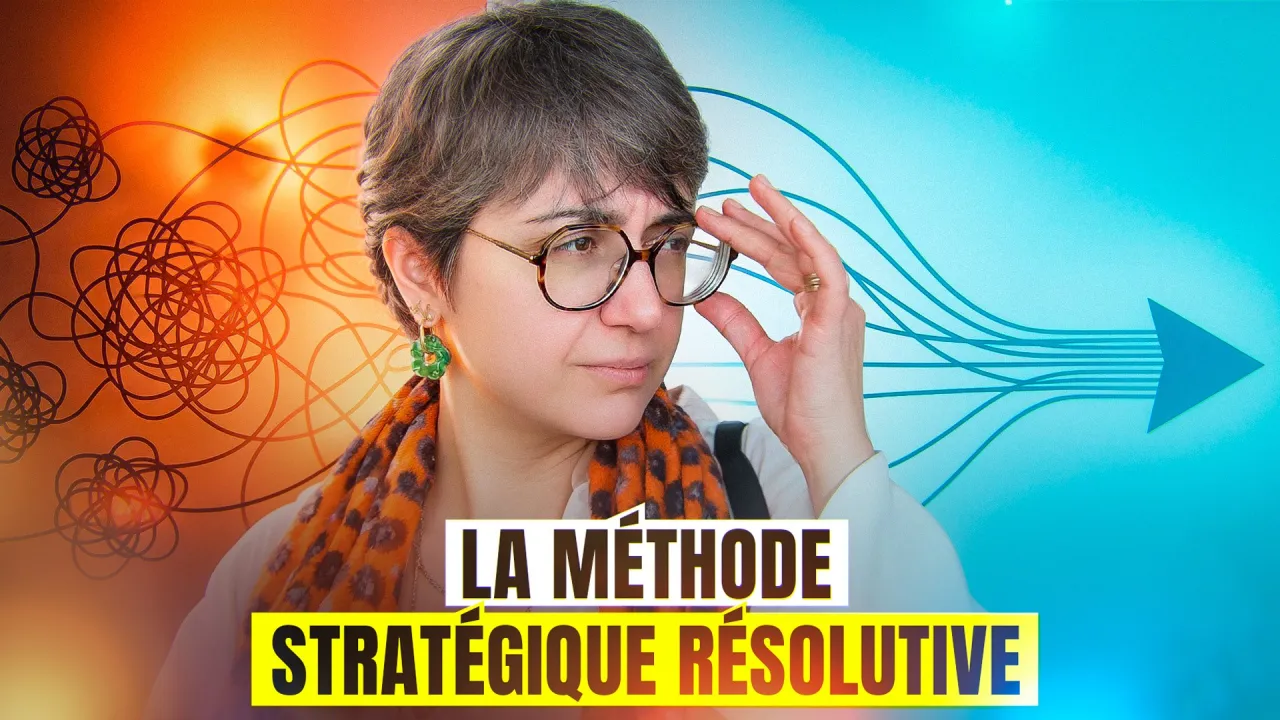
Training in the Strategic Resolutive Method
Training in the Strategic Resolutive Method: analysing how problems persist and building strategies for change. Online, delivered in French.


Comments 0
Log in to join the discussion. Log in