AI-assisted translation
This version was translated from French by Complexe Systémique with the help of artificial intelligence. In case of doubt, the original version prevails.
Encounter · Becoming a therapist
Becoming a therapist: Stessie Fougeroux's journey
In this new episode of Confidences de thérapeute, I had the pleasure of talking with Stessie Fougeroux, a systemic family therapist known in particular for having created the crossed beliefs game. A tool used today by many practitioners, so well does it make visible certain relational loops that lock couples and families into painful repetitions.
Meeting a practitioner, not just a tool
In this interview, however, it was not only a matter of talking about a tool. It was above all about meeting a practitioner, a journey, a way of being a therapist.
What strikes you straight away with Stessie Fougeroux is how embodied her way of speaking about her profession is. She looks back with great sincerity on her own story, on her place within her own family, on what made her sensitive very early to psychological suffering, and also on her professional path. Like many clinicians, she went through theoretical frameworks that nourished her intellectually, without always giving her the feeling of having fully found her place. It was ultimately in systemic family therapy that she found an approach able to connect understanding, movement and intervention.
The Mony Elkaïm turning point
Over the course of the conversation, she recounts with great simplicity how important her encounter with Mony Elkaïm’s thinking was for her. Reading him was a turning point. She found there a way of thinking about relationships, beliefs, resonances and the impasses of the bond that echoed her own clinical experience, and her personal one too.
A living therapeutic style
One of the particularly interesting aspects of this conversation is the way Stessie describes her therapeutic style. She speaks of a living, natural practice, shot through with humour, metacommunication, co-therapy and a very fine attention to what is happening in the moment. Far from a fixed or lofty stance, she defends a deeply human way of being a therapist, in which technique matters, of course, but never replaces the encounter.
What the crossed beliefs game really opens up
The interview also gives a better grasp of the logic behind the crossed beliefs game. This tool is not reducible to a playful medium. It opens a space of mutual understanding. It helps each person to identify their own construction of the world, to perceive the other’s more clearly, and to see how certain interactions come, unintentionally, to reinforce everyone’s protections and wounds. Therein lies the whole finesse of the systemic approach: going beyond an individual reading of difficulties in order to think about the relational loops that keep them going.
Thinking “family” inside institutions
Finally, this interview also brings to light an essential question: that of the place of systemic thinking within institutions, and in psychiatry in particular. Stessie Fougeroux points out how difficult it sometimes remains to think “family” in contexts still largely organised around an individual reading of the symptom. Her experience nonetheless shows how far an openness to the relational system can transform clinical understanding.
Key point
Behind the concepts, the tools and the models, there is always a person, a trajectory, a sensibility, a singular way of inhabiting the therapeutic relationship.
That is what makes this conversation precious. The full episode — in French — can be watched below.
How to cite this article
Besse, J. (2026, March 29). Becoming a therapist: Stessie Fougeroux's journey. Complexe Systémique. https://app.complexe-systemique.com/en_GB/articles/becoming-a-therapist-stessie-fougeroux-s-journey
To go further
- The crossed-beliefs game: a versatile tool for systemic therapyThe tool she created, described step by step and illustrated in session.
- Mony Elkaïm, a pioneer of the systemic approachThe body of thought whose reading was, for her, a genuine turning point.
- The therapy wars: who really has the right to treat?Titles, statuses and legitimacies: what the word “therapist” really covers.
- Supervision in systemic therapyThe profession’s other pillar, the one that goes on training us long after the diploma.
Related training courses
 Certifying course
Training in Systemic Therapy and Interventions – Cycle 1
Certifying training cycle in systemic therapy and interventions – year 1. Courses, supervision and practice, aligned with EFTA/SFTF. In French.
 Certifying course
Training in Systemic Therapy and Interventions – Cycle 2
Certifying training cycle in systemic therapy and interventions – year 2. Clinical complexity, supervision and practice. EFTA/SFTF aligned. In French.
 Certifying course
Training in Systemic Therapy and Interventions – Cycle 3
Certifying training cycle in systemic therapy and interventions – year 3. In-depth intervention, supervision and practice. EFTA/SFTF aligned. In French.
 Certifying course
Training in Systemic Therapy and Interventions – Cycle 4
Certifying training cycle in systemic therapy and interventions – year 4. Clinical integration, supervision and certification. EFTA/SFTF. In French.
Related articles
 Scientific
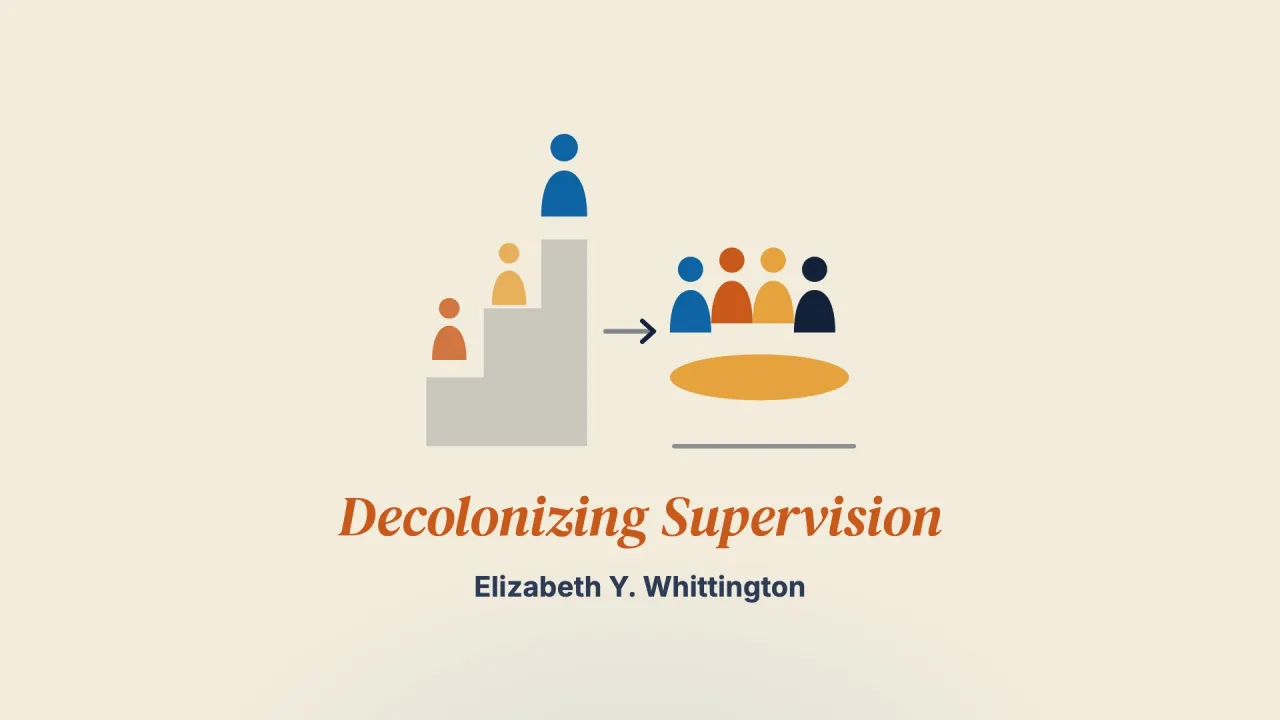
 Decolonizing Supervision: A Critical Race and Queer Theory Framework for Marriage and Family Therapy
Supervision is not neutral: a framework drawing on Critical Race Theory and Queer Theory to name and share power in supervision, with a vignette.
 Scientific
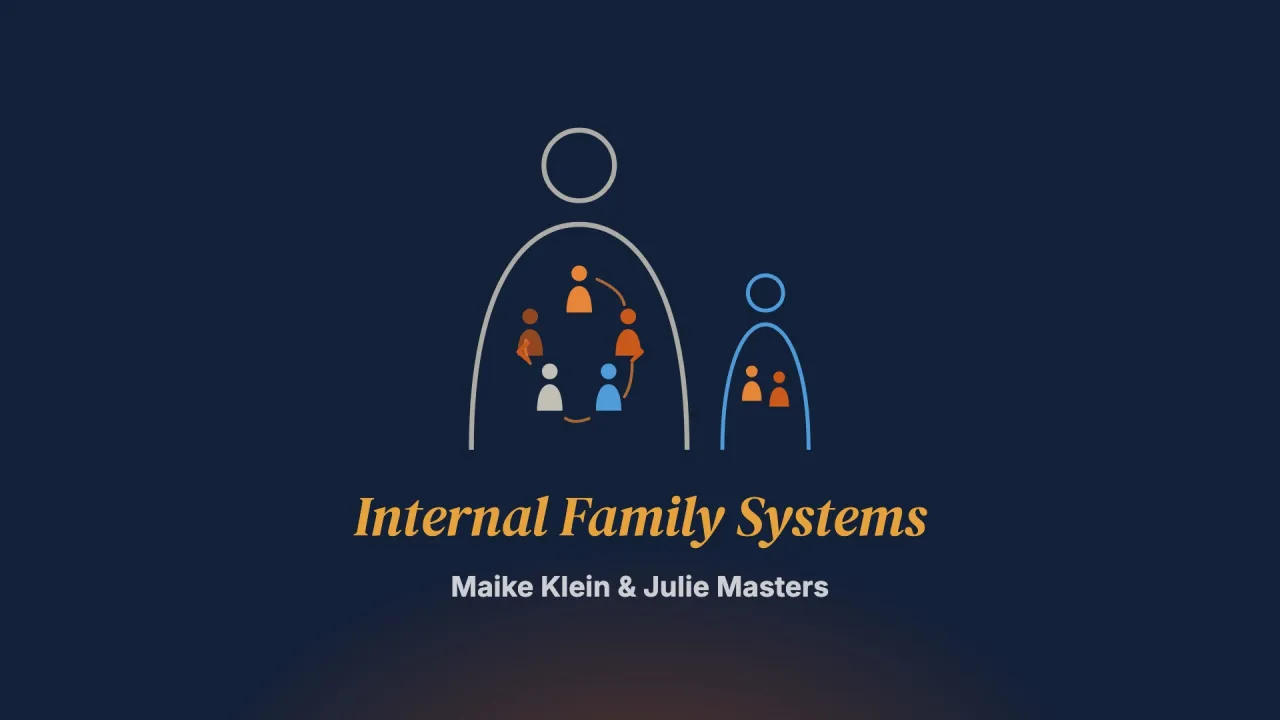
 Internal Family Systems Therapy as Part of the ‘Family of Systemic Therapies’: A Critical Exploration of Systemic Practice in the Intra-Personal Domain
Does IFS belong to the family of systemic therapies? A critical exploration, grounded in a family court vignette, of systemic work with “parts”.
 Scientific
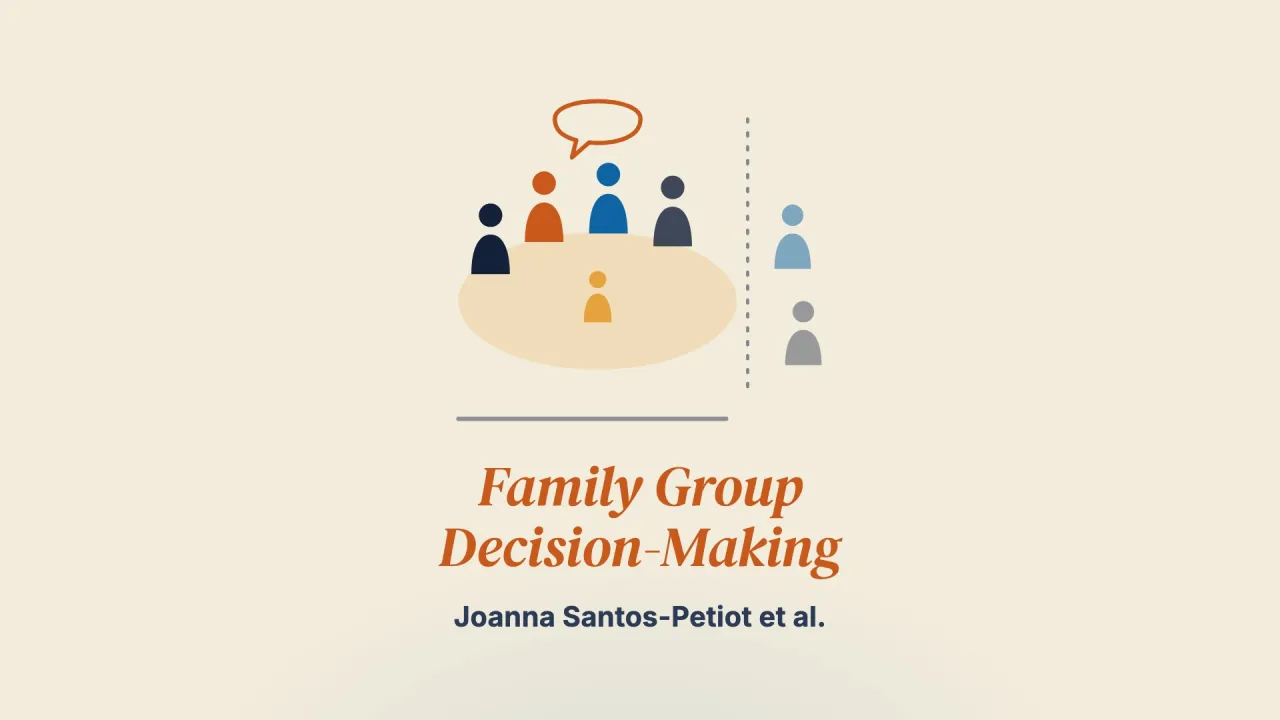
 Implementing Family Group Decision-Making within statutory child protection social work in Scotland: Challenges and opportunities
Family group decision-making offered automatically in Scottish child protection: families find a voice, social workers doubt the plans, and everyone wants it offered earlier.
 Scientific
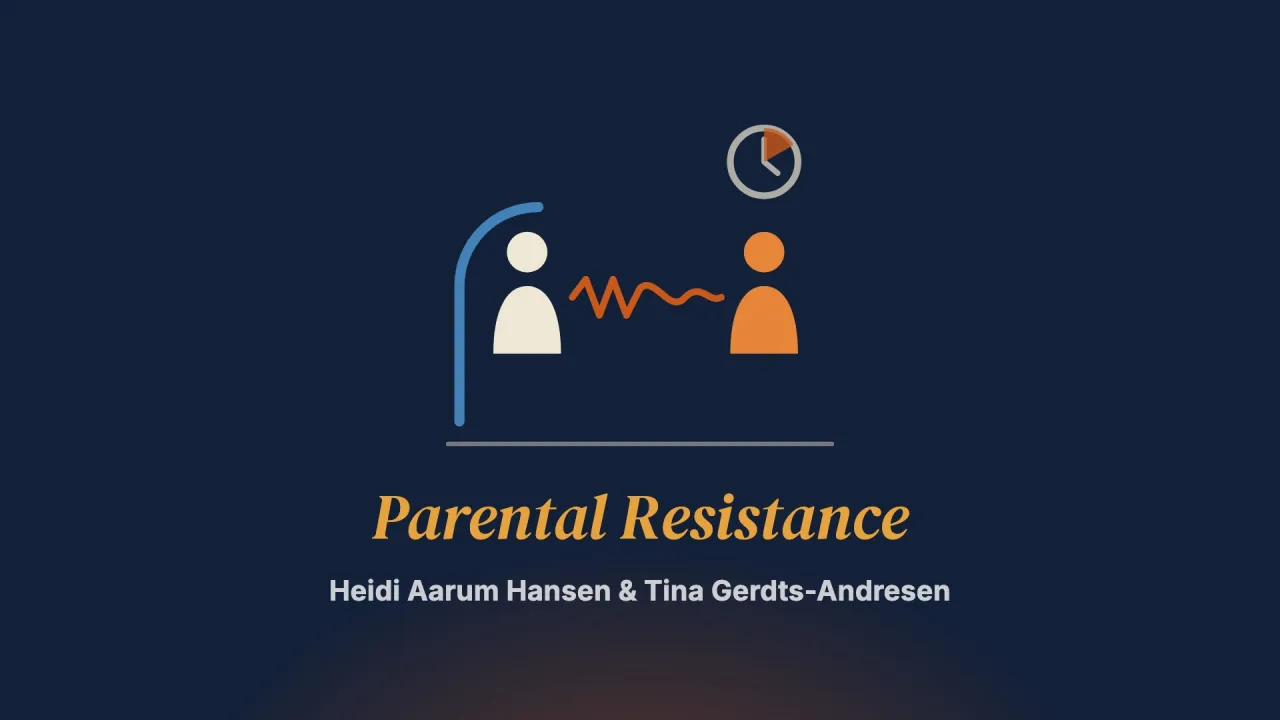
 Making Sense of Parental Resistance in Involuntary Child Welfare Relationships: Child Welfare Workers' Perspectives
Eleven Norwegian child welfare workers make sense of parental resistance: learned fear, exclusion and services with no time for the relationship.
Comments 0
Log in to join the discussion. Log in