Journal of Solution Focused Practices · Essay
Co-Creating Solution-Focused Conversations in Disagreement
Five solution-focused practitioners — in the United States, Scotland, Belgium, Ghana and Sweden — met online through the autumn of 2020 to think about what solution-focused practice might bring to antiracism work. One question kept returning: what becomes of a conversation with someone we disagree with, when the disagreement matters to us? Not with a client, where the professional role extends grace, but with a partner, a parent, a friend. This article is what they found they could carry home from their own practice — radical acceptance, cultural humility, best hopes, compliments, the other person’s own words — and one thing they defend against the expectation of composure: a spark of anger.
This is the original article Co-Creating Solution-Focused Conversations in Disagreement, by Marcella D. Stark, Rayya Ghul, Marjan Gryson, Brian Jennings and Jonas Wells, published in Journal of Solution Focused Practices (2021), doi: 10.59874/001c.75042, under a CC BY 4.0 licence. Republished by Complexe Systémique: the authors’ text is unchanged; only the layout has been adapted for reading online. The authors’ own section headings are kept as they stand; one heading, “Introduction”, has been added over their untitled opening section; the authors’ closing contact details have been gathered into a box; and internal links have been added to related articles on this site.
That’s a way to see it and there is also another way to see it.
Insoo Kim Berg
Introduction
During the autumn of 2020, a group of solution-focused (SF) practitioners from around the globe gathered virtually for two months to discuss possibilities for applying solution-focused practice to antiracism work. We collected articles, blog posts, podcasts and other media relevant to racism in therapeutic contexts, first person accounts and theoretical investigations. We used our engagement with these resources as the basis of our discussions, both to raise our own consciousness and to improve our professional practice.
A topic that seemed to regularly arise involved conversations with those with whom we disagree, especially when we have an emotional investment in the topic/cause. Talking about race and white privilege had, in our experience, resulted in conversations with family members, friends and colleagues that had sometimes become unpleasantly personal, heated or worse, sometimes resulting in damaged relationships. It seemed that for all of us, our passionate conviction that racism should be dismantled to create a more just and peaceful world was in stark contrast with the consequences of the way we were expressing that conviction.
In response to a 1959 interview question about what advice he would give to future generations, British philosopher Bertrand Russell shared:
“In this world, which is getting more and more closely interconnected, we have to learn to tolerate each other, we have to learn to put up with the fact that some people say things that we don’t like. We can only live together in that way. But if we are to live together, and not die together, we must learn a kind of charity and a kind of tolerance, which is absolutely vital to the continuation of human life on this planet.” (Metzger, 2015, 1:25).
Russell’s words are, in our minds, even more relevant today for humans in community. As an increasing number of people engage in public discourse, it appears that the world is becoming more polarized. This polarization is particularly noted through social media where the expression of fiercely opposing views can take the form of personal attacks that demonize an opponent. To hold a particular view is no longer simply taking a position in an argument, but can often be experienced as an expression of the core essence of one’s being. Rejection of that view has become an excuse to reject the whole person. This was played out for instance during the U.S. presidential elections of 2016 and 2020 and throughout the period of Trump’s presidency, where families were ‘torn apart’ because of conflicting political allegiances (Tavernise, 2020). In the U.K., similar rifts were reported regarding ‘Brexit’, Britain’s exit from the European Union (The Guardian, 2016).
Solution-focused practitioners are just as susceptible to such behaviors in these times of conflict as anyone else, and although we may consider ourselves to be well intentioned and feel justified in our respective positions, we sometimes miss the mark. It is easier to remain neutral in a professional context with clients, even clients who disagree with us, than with our own family and personal contacts. As much as SF practitioners try to minimize hierarchy, there is a power differential when someone is seeking our assistance, and our professional role allows us to extend grace in these instances. We adopt the mindset where the client is the expert, believing they are applying their best possible solutions and resources, and we aim to be cooperative, not confrontative. We respond with curiosity and respect, conveying confidence in the other person, frequently applying questions recognized by many as solution-focused. Yet, when a discussion becomes heated while engaging those with whom we are close (and who are NOT necessarily seeking assistance), remembering these SF qualities and putting them into action becomes more challenging. For the purposes of this article, we are limiting our discussion of disagreement to divisive conversations occurring in the personal context.
We invite you to reflect on this in your own life. Can you recall a time when you were dealing with a disagreement where it resulted in an undesired outcome? Were you left with a nagging feeling that ‘being right’ was a hollow victory in comparison to the disrupted relationship you left in your wake? These are questions we asked ourselves in our group. One of us asked, “how can I imagine a world without racism, but where I can still be angry about racism?” We accept that the world is always changing, and we must be able to recognize the shape of hatred even when we are striving for a community of love.
This article is an exploration of how solution-focused conversation could be used when people disagree, especially where passionately-held views are at stake. In her interview with Kirsten Dierolf (2021), Loretta Ross suggests self-assessment is necessary prior to attempting difficult conversations. If we are too angry to be gracious, it is better to walk away and come back later. She advises to “practice some form of self-awareness and responsibility for the consequences of your actions, that we can actually successfully build a human rights movement, dealing with our differences as strengths instead of liabilities.” Framing difficult conversations as part of human rights work positions SF (as a conversation-based practice) as a potential contributor to human flourishing, while also cautioning against complacency; the model might be neutral, but humans rarely are. We therefore approached raising our own awareness of racism, entitlement and privilege as a way of holding ourselves accountable and ready to engage in such constructive conversations.
Difficult conversations tend to happen spontaneously and can catch us unawares. It can be helpful to have a few phrases at the ready, such as “Hmm. I’ll have to think on that” or “I see it differently.” Allowing ourselves the time to get our emotions in check and adopt a SF mindset may prevent us from emotionally reacting in an unhelpful manner. Solution-focused practice tends to create a change in the way we regard others, not just in professional contexts, but also personal. Through our everyday practice, we become able to see others as (even) more capable, resourceful and cooperative—a change in us leading to further changes in our lives. We are exploring how SF thinking can influence living in ways that change our ways of being outside of professional spaces. It is similar to how Ghul (2015) in “The Power of The Next Step” explores solution-focused living or how Tara Gretton and Elfie Czerny are exploring solution-focused parenting (forthcoming The Blossoming Family course starting in 2021).
Similarly, reflecting together on our own relationship to racism in our group created a profound shift in our subjective experience. We recognized increased calmness, humility and willingness to listen rather than argue. It was as if the understanding of the complexity of the issues nurtured greater compassion for how hard the work to dismantle racism in ourselves actually is, and made it less of an imperative to fight. Listening became mutually authentic and less performative or forced.
Imagining Solution-Focused Disagreement
We warmly invite you to join us in imagining conversations with disagreement where we can draw on our SF practice and other wisdom, being at our best in those moments, while remaining true to our convictions. We examine the presuppositions, stances and practices of the solution-focused approach and how they could be utilized in improving the quality of conversations around disagreements. We also bring in some of the complimentary ideas and practices developed in our Dismantling Racism group. We present an amalgam of our thoughts, but we hope you will build and improve on this imagining.
- What would you notice?
- What would you be doing differently?
- How can SF practice help us to have better conversations when disagreeing in a personal context?
Radical Acceptance
Steve de Shazer introduced the concept of radical acceptance as a useful stance for SF practice (de Shazer, 1997), noting the importance of accepting all of the client’s utterances and responses. de Shazer’s experience in the therapeutic context demonstrated that rejecting the client’s response hampers the conversational process itself. He suggested that although making judgements is not easy to give up, with self-discipline and a good deal of close listening, practitioners may find that “clients are more reasonable than we expect” (de Shazer, 1997, p. 378). Likewise, we propose embracing just how radical “radical acceptance” can be, not just in the therapeutic context, but also in our personal lives.
Commonly-held SF assumptions that extend acceptance, such as ‘people are applying their best possible solutions and resources,’ lead to a stance of curiosity and respect. We recognize this in the SF questions we often ask, which probe the other person’s imagining of their preferred future/outcome to elicit a rich description of noticeable difference/s. We are encouraged not to judge these descriptions, to resist imposing our own ideas of what is realistic, possible or desirable. If we notice our own judgmental thoughts, we put them aside; we do not use our concerns as a starting point for discussion. Like an anthropologist, we assume the other is strange, and we treat even the familiar, as exotic (Agar, 1996). In our professional roles, we want to know what ‘happy’, ‘confident’ or ‘safe’ look like for clients, in their world. Outside of the professional conversation space, however, perhaps we see others as part of our world; a world we are heavily invested in shaping the way we think it should be. Our attachment to our own preferred future(s) may blind us to what we know to be true in our SF work: that every person has a unique life experience and is trying to live it to their best ability. When we interact in a way that highlights hopes, strengths and resources, people blossom.
Cultural Humility
Developing cultural humility could also help us extend radical acceptance. Cultural humility (Hook et al., 2013) describes a stance to working with clients from different cultural backgrounds than our own that is based on humility. This form of humility involves having “an interpersonal stance that is other-oriented rather than self-focused, characterized by respect and lack of superiority toward an individual’s cultural background and experience” (Hook et al., p. 1). Cultural humility is characterized by a stance which is open to the other, particularly in relation to aspects of cultural identity that are most important to the person. Hook et al. discussed the need to understand the unique intersection of the client’s various aspects of identities and how that affects the therapeutic alliance. One can already begin to see the relevance of this stance in the personal context where, as we have discussed above, we would adopt postures of radical acceptance, cultural humility, curiosity of the other and openness to learn. Our passionate convictions, political or otherwise, are often strong aspects of our identities and closely linked to cultural groups and practices. Being part of an activist group, a member of a political party or simply taking on attitudes and beliefs within a family or friendship group are all ways that we identify with and perform cultural roles. Therefore, the idea of understanding the intersections of the other’s culture and cultural identity with our own adds another useful dimension to help us navigate these trickier conversations.
In order to support the development of cultural humility, we believe that we, who are white or ‘white-passing’ people, must engage in critical self-reflection on our own individual, deep-rooted perceptions, misconceptions and behaviours that contribute to the ongoing racism and discrimination faced by black and other minority ethnic groups (Saad, 2020). In our discussion group, we noticed that through thinking, talking and reflecting together on real life experiences of discrimination, oppression and neglect, our ways of being have slightly, but significantly, changed. Differences in our way of inviting others into or holding the space for conversation has enabled more respectful discussions. This has been particularly true when the clashing of beliefs and perspectives occurred with people closest to us. We are finding that the process actually improves our capacity to acknowledge, accept and invite other people to also be in a brave and safe enough space for what could be difficult conversations.
Reflecting on what it might mean to be human and the various ways it is imaginable to be in the world seems to help us to better adapt to our fellow conversationalist. Conversations can be calmer, and both parties more receptive, as a result of our own inner work. By offering compassion for ourselves, compassion can be found more readily in the spaces we offer others. Conversations are complex and nuanced; attempts to control them through pretending that we are listening (or interested or open) rarely succeed. For authenticity to be perceived, it is necessarily embodied. The assumptions we hold dear as SF practitioners become embedded within the dialogue, not just as spoken language but also as sentiment, atmosphere and instinct, minutely and momentarily offered and co-constructed with our clients or our family members and/or other significant others.
Focusing on Outcomes Rather than the Problem
Solution-focused practice is characterized by engagement that shifts the focus from analysis of the problem to a detailed exploration of desired outcomes. Problem analysis is not always useful for human situations because the tools of problem-solving are limited; you have to find something broken to mend (‘fix’), or some deficit to correct (‘add’) or a barrier to remove (‘take away’). Furthermore, for problem-solving, we need an idea of what the perfect state of the object or process would be—the well-functioning washing machine, for example. Problem-solving works well even for complicated problems, like finding what has caused an aeroplane to malfunction, because it is still possible through detailed analysis to find something to fix, add or take away. However, it is rarely effective for complex situations, which are dynamic, unpredictable and contingent on other factors (e.g., all characteristics of people in their contexts, otherwise known as ‘everyday life’).
In difficult conversations, a problem-solving mindset will be seeking things to fix, add or take away. There are various options to focus on. Firstly, one might concentrate on the other person, who can be regarded as ‘difficult’, ‘racist’, ‘woke’, ‘naïve’, or ‘stupid’. Secondly, one could emphasize the person’s attitudes or beliefs, which could be perceived as wrong-headed, illogical, biased or unethical, for example. Thirdly, attention may be given to the other person’s behavior, which might be viewed as aggressive, rude, or patronizing and so on. If we think about the kinds of things which might be said in an argument, it’s not hard to see how the three problem-solving tools are being used. For example,
(add)
“You need to start developing some compassion”
(take away)
“You should stop watching XXX News Channel, it’s all fake news”
(fix)
“You need a course in logical thinking, what you’ve said makes no sense”
In SF practice, we are aware that spending time on problem-solving/analysis tends to limit the discussion to the problem’s parameters while reinforcing it. Research has shown that it can increase feelings of negativity and does little to generate hopefulness or self-efficacy (Grant, 2014), which is why these kinds of conversation can leave everyone feeling frustrated, drained and upset. A dissonance develops between defending one’s own deeply held belief and tending the relationship.
Adopting a SF stance could offer a way out of this downward spiral by shifting the conversation early on to each other’s best hope for the conversation. By focusing on a preferred future, it becomes easier to collaborate. This preferred future could be at the macro-level (e.g., related to the state of the world) or micro-level (i.e., what they hope to achieve in the conversation). In nonprofessional conversations, introducing a ‘best hopes’ question might need a more naturalistic phrasing and tone, such as “I really don’t want to end up falling out with you over this. So how would we know, despite our differences, that we ended up in a good place?” At times, you may need to set boundaries and make the limits of negotiable issues clear. For instance, you may be able to discuss the issue of racism in criminal justice but not whether a police officer murdered George Floyd. You have the right to make clear what you do and don’t want to discuss, compromise or negotiate. Sometimes you can do that in a clear, but warm manner; other times, it requires a firmer tone.
A way to approach these conversations, engaging an outcome-focused mindset, could be to think about the underlying relationship between the two parties; what are the significance, benefits and values of it to you (both)? Thinking about your desired outcome for the continuation of the relationship could help to manage some of the trickier aspects of difficult conversations, like sharing pauses or silence, listening with respect and choosing your battles (what to argue and what to drop). The least useful desired outcome would probably be one where you want the other person to change, and yet, if we are honest with ourselves, it is probably the most common way we enter such conversations. Rather than adopting a curious, not-knowing stance, we may behave in ways that are not aligned with SF practice in our personal lives. In such cases, it may be necessary to accept the limits of what we can do and co-construct a good enough outcome for the conversation. For example, modifying expectations to understanding and respecting one another’s perspective may be helpful.
Once parameters for the conversation have been agreed upon, it may be helpful to ask about the person’s preferred future at a broader level. In one political conversation, one of us asked her partner “I know who you want to win the election, but what is it that you want the future to look like regardless of who wins?” In this case, her partner responded with who would win a specific part of the election (which party would control the U.S. Senate, rather than the presidency). In our collective professional experience, we note that clients don’t always provide a clear response to a question about their hoped-for outcome, at least not in the way we intend. Rather than responding with what they want to come from the work, they respond with how they think the work should go. Knowing this, the individual above persisted by asking her partner what he hoped might happen in the country as a result. Asking questions such as “How would that be helpful?” and “What difference might that make?” allowed her to discover more points of agreement with her partner. As the conversation continued, the two noticed that they shared a preferred future of people getting along and looking out for one another because they choose to rather than being forced to do so. These shared values were more important than differences in political allegiance.
Compliments
In their book, “I think you’re wrong (but I’m listening): A guide to grace-filled political conversations,” Holland and Silvers (2019) issue a series of challenges to help the reader engage with those who disagree with them. One such challenge is to compliment the other side. In fact, the authors make point of doing this regularly in their podcast. Although the purpose, methods and frequency of complimenting in SFBT may differ (McKergow, 2020), most SF practitioners use some form of complimenting as they look for strengths and resources that might be amplified. Yet, we may find that the practice is more challenging in personal situations involving emotional disagreement. Perhaps putting ourselves in the SF trainee seat can be beneficial in applying these skills to our personal lives. In Rayya Ghul’s training exercise “Moan, moan, moan.” (see Nelson, 2005), one partner complains about a problem in depth, going into great detail for three minutes. The second partner simply listens to the complaints without interruption, and afterwards they offer compliments based on what they have heard. For example, after listening to someone complain about disrespectful drivers who speed and ignore stop signs, the partner may note that the individual is a person who values keeping people safe. Participants note that in the exercise, this process very quickly elicits the other person’s strongly held values and/or principles. When we find ourselves in disagreement with someone, finding the value or principle that underlies the person’s position facilitates greater understanding.
Much has been written about the art of complimenting. Thomas (2016) writes about three types: direct compliments (as illustrated in the aforementioned ‘moan, moan, moan’ exercise), indirect compliments (questions that probe favorable implications about the person), and self-compliments (those which ask the person to answer a question that involves explaining their own accomplishments). When disagreements become emotional, it may be difficult to find something positive to compliment directly, and in some cases, any attempt could be received as disingenuous. When simply struggling to stay curious, indirect compliments and self-compliments may prove more useful because they draw upon the person’s words and perspective.
Indirect compliments often use relationship questions (De Jong & Berg, 2013) to entice the person to reflect on the affirming perspective of someone they respect and care about (e.g., what would your son say about you?). In 2016, in a debate between U.S. political adversaries Donald Trump and Hillary Clinton, the candidates were asked if they could say anything nice about the other. It was a question that took the rivals aback. Clinton responded that she found Trump’s children to be able and devoted, which Clinton felt reflected well on him. Although the context was different (debates are intended to show contrast rather than agreement between two perspectives), we might use this same strategy to gain a new perspective of the person with whom we are engaged. Learning about the good their loved one sees in them can help us to find that good as well. Alternatively, self-compliment questions, such as “How did you know to do X?” and “What does it say about you that you are the sort of person who . . .?” allow the individual to fill in the blank and provide you with information about what they value. For instance, in asking “How did you know that your preferred political candidate was the right choice?” may allow you to affirm the person’s decision making, while discovering the person’s priorities in a candidate. Learning about these priorities and qualities from an authentically curious stance (as opposed to with a snarky tone) may provide useful information for finding common ground.
Intentional Language
In a disagreeing conversation, we can use our language as a catalyst for hopeful and mutual understanding, or as a hurtful and destructive weapon. Disagreement sharpens all our senses so every word can make a difference; every word can be perceived with double the intensity than in other conversations. This means we should be extremely conscious of our own language in these interactions. The disagreements discussed in this article are often rooted in semantic reactions. Rather than comprehending objective definitions of the words used, we automatically evaluate and respond on an emotional level to the idiosyncratic meaning we have associated with the words. This is why presenting rational, factual or academic arguments rarely has an impact on disagreements. Our sharpened senses will make sure we are already extremely conscious of the language the other party is using. Honing that sharpened sensitivity so you are able to notice some, maybe surprisingly, positive messages is a useful activity.
In the Bruges’ SF model (Isebaert, 2017), language is reality. Successful conversations are defined by solution talk, and questions are viewed as the shortest way to the solutions of a client. Things or issues don’t have an inherent meaning; they acquire a meaning through our language. Consciously putting on a positive lens when thinking about and listening to others has many advantages: it feels more comfortable, it aligns with resources, problems and symptoms become ‘the best solutions for now’, and it is guilt reducing. It is hopeful and encouraging, and it implies responsibility and trust.
When we step into difficult or disagreeing conversations, it might be more crucial to do so with a positive lens that encourages us to look at the other person, our relationship and our conversation in the brightest, most hopeful way possible. When this lens is too difficult to find within the issue of the disagreement, we should look for it in other domains twice as hard, before entering the conversation. The lens will not only have an impact in our own minds (e.g., allowing us to step in with wide open arms, enabling us to listen to whatever the other person is saying with the expectation that he/she will say something interesting, inspiring, or surprising), but it will also shine through in our words, gestures and facial expressions. You are thereby able to influence safety and opportunity within the space of your conversations. Thinking, “I will get the opportunity to learn about a world I have no clue about,” will orient one completely differently than “I am stepping into a debate with an extremist who is so dumb to get brainwashed by politicians.”
Using Their Words
The positive lens discussed above does not equate with only looking at the positive. A former military chaplain posited that people who tell the same sad stories over and over are people who have never felt fully heard (Manning, 2011). This is probably true for people who argue the same points over and over. So how do you help people to feel fully heard? The first way is obvious—fully listen. This means listening completely, rather than half-way listening while you plan out counterarguments in your head. A listening exercise often prescribed by couples counsellors involves having Person #2 listen to Person #1 without interruption and then repeat back what was heard to Person #1’s satisfaction before moving on. This often involves different attempts at paraphrasing what was said. In SF work, we encourage simply using the other person’s own words, which appears to help people feel heard (and validated). When Nelson Mandela was fighting Apartheid from his prison cell, he wrote: “Because when you speak a language, English, well many people understand you, including Afrikaners, but when you speak Afrikaans, you know you go straight to their hearts” (Mandela, p. 144). Mandela knew the impact of the speaking his opponent’s language. Doing so validates their concerns more forcefully than any reframe we might use to make their words more palatable to us.
Amplifying What Works
Many SF practitioners would argue that a tenet of SF practice is to ‘find what works and do more of it’. It is therefore ironic that in our personal conversations with those with whom we disagree, we seem to persist in courses of action which seem ineffective or make things worse. We have presented some ways that shifting to a SF stance within these conversations might give us greater opportunity to find ‘what works’, especially if we have gained greater clarity of the direction of the conversation. We can then use our self-awareness to focus on the ways of presenting and questioning ideas that are more likely to produce conversations where we can disagree more respectfully and with love. For example, one of us noticed that she is better able to disagree with love when she reminds herself of her partner’s character and life experiences. One disagreement with her partner was about the existence of “rape culture” or the idea that some groups minimize the occurrence of sexual assault and defend men who commit such assaults; her partner did not accept that anyone minimizes or defends the crime of rape. By reminding herself that her partner is a man of character who would never dream of harming a woman, as well as an introvert who rarely engages with females outside of the family on a personal level, she was able to understand why he sees the issue differently than a female counsellor who has had multiple interactions with survivors of assault. Although they still disagree, such reminders are helpful in preserving the relationship in a variety of disputes.
Respectfully Taking a Stand
So far, we have discussed ways to use SF and associated ideas and practices to make disagreeing conversations more respectful, productive and less destructive. We acknowledge, however, that sometimes you might need to take a stand. Deciding whether or not to take a stand is a personal choice, and knowing when to do that will depend on wisdom and experience. Following the murder of George Floyd in 2020 and the ensuing public outrage, many SF associations and organizations put out statements of condemnation of his treatment in solidarity with the black community. What is important is why, how and when you take a stand. If you choose to take a stand, we suggest that: (a) you make a conscious choice to do so, knowing very well why you make this choice, (b) you do it respectfully, and (c) you consider your moment and timing. The relationship, the context of the conversation, and the time you have to manage the consequences of your stance should be taken into account.
Loretta Ross makes a distinction between calling out and calling in when we take a stand (Dierolf, 2021). She suggests that calling people out when an offense (intended or not) is committed may come from a place of trauma. Calling out can result in a toxic environment that alienates people. She describes calling in as calling out with love. When you call someone in, you respectfully communicate your beliefs in a private setting with the intent of maintaining your own integrity rather than changing the other person. We believe Ross’s work gives us many options for enriching our ideas of what taking a stand, in a good or better way, might look like.
Productive Anger
Although we don’t want to call people out in anger, the emotion itself may be useful. Anger is often considered the opposite of love and depicted as an emotion that disrupts harmonious scenes, or even worse, makes it impossible to get along and live together. Work carried out by Touché, a SF agency working with ex-prisoners and youth at risk in Belgium has shown that we couldn’t be more mistaken. Touché develops therapy, training, boxing, stillness and sensitization programs that enable people to better recognize, control, and channel their anger and utilize the energy to realize positive life goals. Several ex-prisoners, who had been previously labelled as extremely aggressive, switched roles over time by utilizing the exact same angry energy in a positive sense and with one purpose: to play a meaningful, positive role in the life of somebody else who is struggling. Ex-prisoners serve as mental coaches for youngsters in boxing classes, provide workshops in schools and trainings in other organizations, or offer one-on-one mentorship for starting clients. They show immense willpower, hope, goal focus, dignity, gratefulness, belief, resilience, energy, strength, and ability to engage in fair fighting. The impact of this work is shown on various levels: increase in self-respect; positive emotions; more sustainable, solidary relationships; more successful re-integration trajectories; fewer ruptures in life, school, professional or developmental trajectories; less harmful violence; and even an economic return for society of 72 euros per invested euro (Gryson & De Waele, 2017).
Anger only shows up when something important is at stake. It can help you decide whether to take a stand and/or if there is potential for a constructive conversation to take place. Anger also energizes, unlike anxiety or sadness. It mobilizes and gives us the courage we need to take action, to make a stand, to oppose. To face disagreement with somebody important to us, or about an issue that touches our heart, we need a sensitive balance, like a tightrope walker. If we are not true to the strength of our convictions, we may end up feeling as if we are selling our soul, compromising our self-esteem and causing inner grief. Conversely, holding too tightly to our own beliefs may hurt the other person or the relationship deeply. Only standing our ground bravely while listening until we truly understand what the other person is trying to say, what they are longing for and find important enough to fight for, opens the possibilities for a win-win outcome. Anger may be the ingredient we need to be willing and daring enough to face this difficult task.
When it comes to conversations with people with whom we disagree, we should not be afraid to add at least a spark of anger. We sometimes tell ourselves we have to be completely calm before we are able to go into this kind of conversation effectively; we would dare to disagree a bit, or at least add nuance. To be willing to start and persevere in such a conversation, we need to be in touch with the importance of it for ourselves. And maybe the other party must feel at least a bit of our anger, or the importance of the issue to us, to be willing to listen to what we have to say. It is only when we feel the importance, or the genuine curiosity of the other person that we are willing to dive into a real conversation about differences, with enough trust in the possibility of a positive outcome. Of course, this spark of anger should not become a fire. It should not become the driver of the conversation, take over control, or burn the other one down. But we would dare to plead in favor of a spark of anger to make difficult conversations possible, effective and maintained.
An Ethical Perspective
Because disagreement can evoke strong moral and emotional responses, we would like to conclude with an ethical perspective. Could values or assumptions that are critical for successful SF practice with clients also be relevant for healthy human relationships in wider contexts of disagreement? Could the approach to engagement, as described in this article, be understood as virtues critical for building the common good in the face of disagreement?
A relational connection between client and SF practitioner is, of course, foundational in SF work, and it is part of the practitioner’s responsibility to nurture the partnership to enable clients to build their solutions. The client’s wider relational network is also seen as a resource for the work of constructing the client’s solution – the solution will have to be worked out in these relationships. Could part of the reason for this be that we have a wider good or purpose (a telos; MacIntyre, 1985, 1999, 2016) of ensuring the integrity of the relational framework of our lives in different dimensions in the workplace with colleagues, in the home with our partners and family, with our friends, and in wider social spaces even with diverse strangers with (to us) strange opinions? This would explain why we want to retain a SF stance with people who hold an opposing point of view in various life contexts.
We have noted some skills from SF practice that we can draw on to enhance relationships with those with whom we disagree. Our discussion has indicated that there are characteristics or dispositions manifest in our attitudes, thoughts and behaviors that incline us to make the best use of our SF skills toward the greater human good. In moral philosophy, these characteristics or dispositions are defined as “virtues” (Jennings, 2009; Peterson & Seligman, 2004; Wright et al., 2021). When we listen carefully to those with whom we disagree and emphasize humility, curiosity and openness to discovery; these virtues also complement our virtues of compassion, respect and affirmation of the person with whom we are engaging. These virtues enable us to understand more of the other person’s stories and the strengths and resources they have developed. We can then develop a deeper understanding of their situation and gain new understanding and insight.
We do not ask questions to belittle, disempower, and push people to the margins. Rather, we converse with a positive intent to discover and build those areas of shared interest that might contribute to potential for collaboration in life and work. Such a process of questioning indicates deep respect for the person(s) we engage with as human beings who are to be valued, welcomed as partners in building community. These are all expressions of compassion.
Similarly, when we are using compliments, our purpose is neither to manipulate nor flatter but to recognize real strengths, achievements and values and enable those with whom we engage to have a more positive view of themselves. In such interactions, it is then possible to build on these strengths collaboratively, which may be more significant when occurring in private spaces with partners, family and friends. Compliments possibly intensify the virtue of respect to affirmation and ultimately, expectation that these strengths are of value and may be enhanced even further. This is a person with the potential to learn and grow and who offers us opportunities to do the same for ourselves.
In conclusion, utilizing SF ways of thinking in this manner can be more challenging when experiencing discord in personal relationships, particularly when discussions are a departure from pre-established conversational norms. When we work with clients, we are often paid for our work, or we are prompted to do so out of professional duty or training. But to have SF conversations with personal contacts we disagree with is all just so much bother! Why would we do it? Perhaps the ‘spark of anger’ is one of the clues. In SF practice, we learn to cherish the relational framework of human life that becomes so real to us in the moments with clients. Maybe when we see relationships challenged in the wider social context by what appears to us to be hateful and destructive (e.g., racism), we are impassioned to affirm the strengths and resources that build possibilities for enhancing the relational framework of life. By using SF strategies in disagreement, perhaps we can contribute to creating the kind of charity and tolerance (described by Russell) essential for creating a sustainable human community.
The authors
Marcella D. Stark, Texas Christian University — m.stark@tcu.edu
Rayya Ghul, University of Edinburgh — rayya.ghul@ed.ac.uk
Marjan Gryson, Touché — marjan.gryson@vzwtouche.be
Brian Jennings, Ghana Christian University College — briankjennings@gmail.com
Jonas Wells, Lund University — jonas.wells@avesta.se
References
Agar, M. H. (1996). The professional stranger: An informal introduction to ethnography (2nd ed.). Academic Press.
De Jong, P., & Berg, I. K. (2013). Interviewing for solutions (4th ed.). Brooks/Cole.
de Shazer, S. (1997). Radical acceptance. Families, Systems, & Health, 15(4), 375-378. https://doi.org/10.1037/h0090136
Dierolf, K. (Host). (2021, January 7). Calling in the calling out culture: How to have constructive conversations holding others accountable. [Audio podcast episode]. In ICF Deutschland Charter Chapter. https://anchor.fm/coachfederation/episodes/Calling-in-the-calling-out-culture-How-to-have-constructive-conversations-holding-others-accountable-eolvlj/a-a49t039
The Guardian. (2016, June 27). Family rifts over Brexit: ‘I can barely look at my parents.’ The Guardian. https://www.theguardian.com/lifeandstyle/2016/jun/27/brexit-family-rifts-parents-referendum-conflict-betrayal
Ghul, R. (2015). The power of the next small step. The Connie Institute.
Grant, A. M. (2014). The efficacy of executive coaching in times of organisational change. Journal of Change Management, 14(2), 258-280. https://doi.org/10.1080/14697017.2013.805159
Gryson, M., & De Waele, V. (2017). Positief agressief. Hoe woede benutten? Ultgeverij Lannoo Campus.
Holland, S. S., & Silvers, B. A. (2019). I think you’re wrong (but I’m listening): A guide to grace-filled political conversations. Nelson Books.
Hook, J. N., Davis, D. E., Owen, J., Worthington Jr., E. L., & Utsey, S. O. (2013). Cultural humility: Measuring openness to culturally diverse clients. Journal of Counseling Psychology, 60(3), 353–366. https://doi.org/10.1037/a0032595
Isebaert, L. (2017). Solution-focused cognitive and systemic therapy: The Bruges model. Routledge.
Jennings, B. K. (2009). Leading virtue: A model for the contextualisation of Christian ethics. Peter Lang.
MacIntyre, A. (1985). After virtue: A study in moral theory (2nd ed.). Duckworth.
MacIntyre, A. (1999). Dependent rational animals: Why human beings need the virtues. Duckworth
MacIntyre, A. (2016). Ethics in the conflicts of modernity: An essay on desire, practical reasoning, and narrative. Cambridge University Press.
Mandela, N. (2011). Nelson Mandela by himself: The authorised book of quotations. Macmillan.
Manning, D. (2011). Don’t take my grief away from me (3rd ed.). In-Sight.
McKergow, M. (2020). SFBT 2.0: The next generation of Solution-Focused Brief Therapy has arrived. Journal of Solution Focused Practices, 2(2), 1-17. https://digitalscholarship.unlv.edu/journalsfp/vol2/iss2/3
Metzger, R. (2015, February 27). Bertrand Russell’s advice for future generations. [Video]. YouTube. https://www.youtube.com/watch?v=s7HOMfcRFmY
Nelson, T. (Ed.). (2005). Education and training in solution-focused brief therapy. Hawthorn Press.
Peterson, C., & Seligman, E. P. (2004) Character strengths and virtues: A handbook and classification. American Psychological Association; Oxford University Press.
Saad, L. F. (2020). Me and white supremacy: How to recognise your privilege, combat racism and change the world. Quercus.
Tavernise, S. (2020, November 26). Families have been torn apart by politics. What happens to them now? New York Times. https://www.nytimes.com/2020/11/26/us/2020-election-family-conflict.html
Thomas, F. (2016). Complimenting in solution-focused brief therapy. Journal of Solution Focused Practices, 2(1). https://digitalscholarship.unlv.edu/cgi/viewcontent.cgi?article=1032&context=journalsfp
Wright, J. C., Warren, M. T., & Snow, N. E. (2021). Understanding virtue: theory and measurement. Oxford University Press.
Original article Co-Creating Solution-Focused Conversations in Disagreement, by Marcella D. Stark, Rayya Ghul, Marjan Gryson, Brian Jennings and Jonas Wells, published in Journal of Solution Focused Practices, vol. 5, no. 2 (2021), doi: 10.59874/001c.75042, under a CC BY 4.0 licence. Republished by Complexe Systémique in September 2026; the text is the authors’ own, with the layout adapted for reading online.
This is the original article “Co-Creating Solution-Focused Conversations in Disagreement”, published in Journal of Solution Focused Practices (2021) under a CC BY 4.0 licence. Republished by Complexe Systémique: the author’s text is unchanged; only the presentation has been adapted for reading online, as set out at the head of this page.
Read the original articleHow to cite this article
Stark, M. D., Ghul, R., Gryson, M., Jennings, B., & Wells, J. (2021). Co-Creating Solution-Focused Conversations in Disagreement. Complexe Systémique. https://app.complexe-systemique.com/en_GB/articles/co-creating-solution-focused-conversations-in-disagreement (Original work published in 2021 in Journal of Solution Focused Practices, vol. 5, n° 2, 2021; republished in 2021 by Journal of Solution Focused Practices, https://journalsfp.org/article/75042)
To go further
- Complimenting in Solution-Focused Brief TherapyFrank Thomas’s article, whose typology the authors take up: direct compliments, indirect compliments, self-compliments.
- Towards a Critical Solution-Focused Practice?Guy Shennan asks the same question from the other side: what does power do to a conversation that claims to have no hierarchy?
- Leaving No FootprintsChris Iveson on the art of using the client’s words without adding one’s own — the very practice this text puts to private use.
Related training courses
 Certifying course
Training in Systemic Therapy and Interventions – Cycle 1
Certifying training cycle in systemic therapy and interventions – year 1. Courses, supervision and practice, aligned with EFTA/SFTF. In French.
 Certifying course
Training in Systemic Therapy and Interventions – Cycle 2
Certifying training cycle in systemic therapy and interventions – year 2. Clinical complexity, supervision and practice. EFTA/SFTF aligned. In French.
 Certifying course
Training in Systemic Therapy and Interventions – Cycle 3
Certifying training cycle in systemic therapy and interventions – year 3. In-depth intervention, supervision and practice. EFTA/SFTF aligned. In French.
 Certifying course
Training in Systemic Therapy and Interventions – Cycle 4
Certifying training cycle in systemic therapy and interventions – year 4. Clinical integration, supervision and certification. EFTA/SFTF. In French.
Related articles
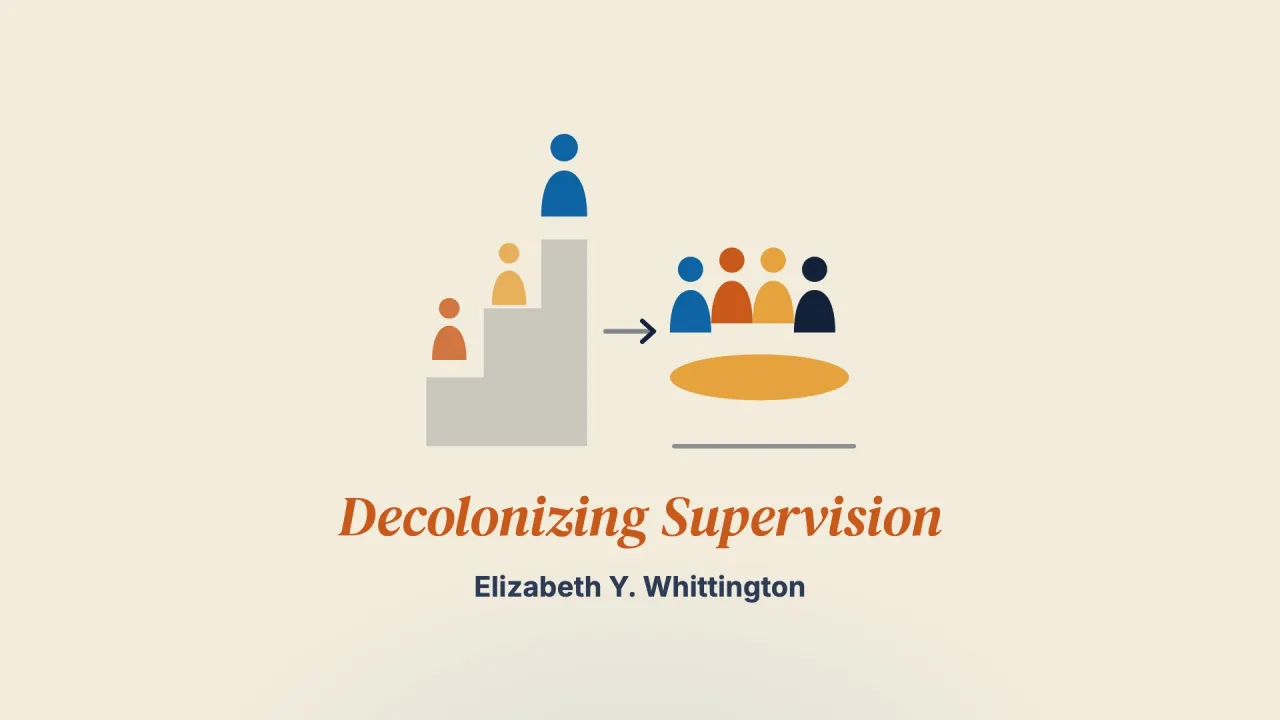 Scientific
 Decolonizing Supervision: A Critical Race and Queer Theory Framework for Marriage and Family Therapy
Supervision is not neutral: a framework drawing on Critical Race Theory and Queer Theory to name and share power in supervision, with a vignette.
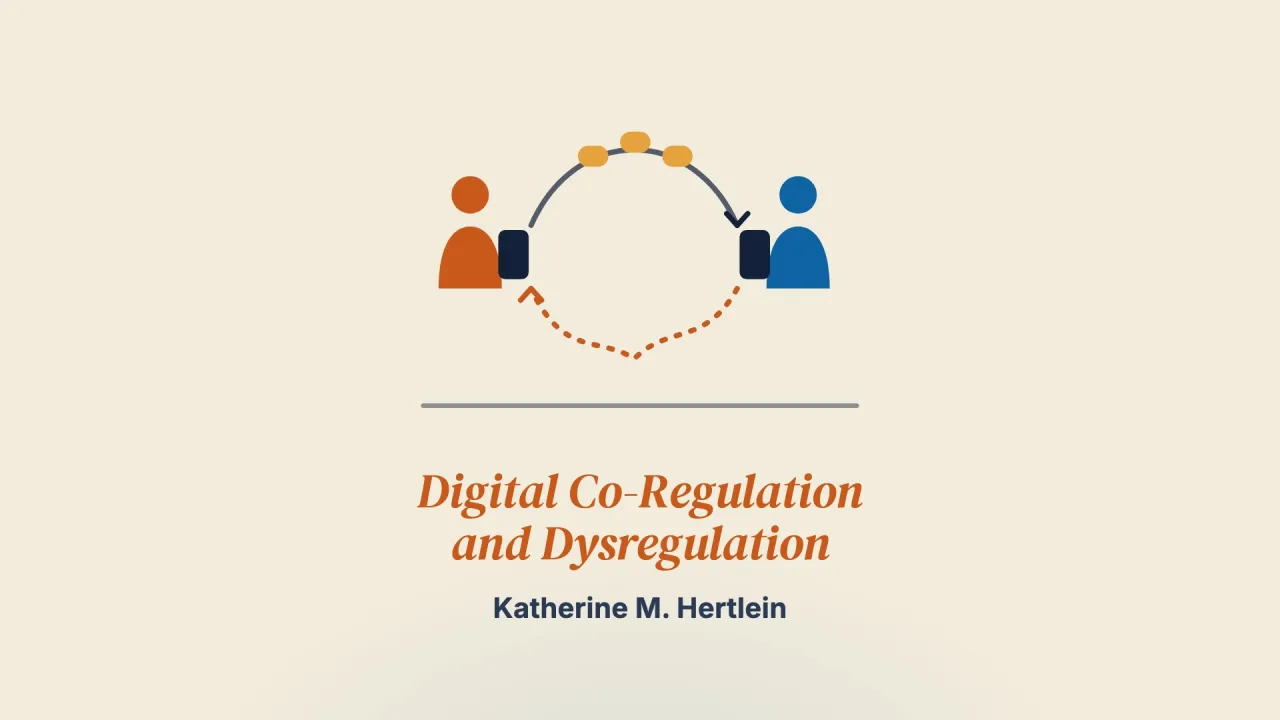 Scientific
 Digital Co-Regulation and Dysregulation in Romantic Relationships: A Systemic Model of Technology-Mediated Emotional Processes
Checking, chasing, blocking: 31 interviews show how the phone regulates or dysregulates a couple’s anxiety, with a systemic model of the loop.
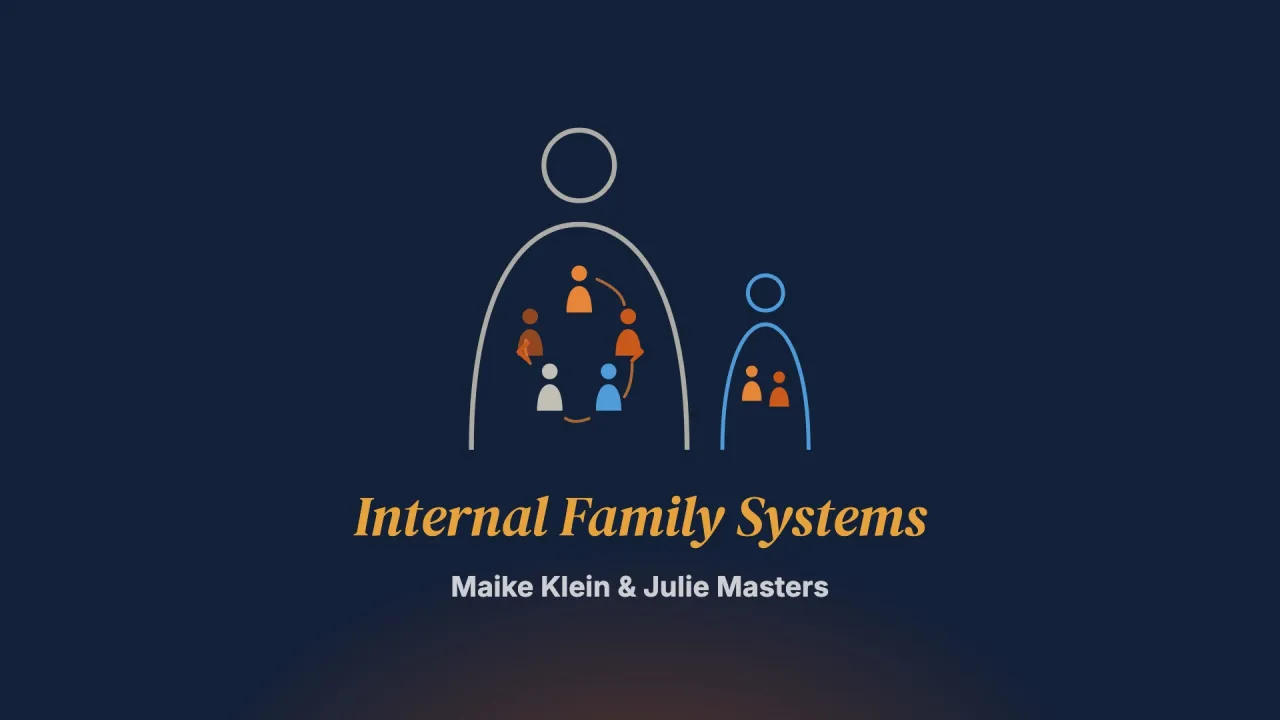 Scientific
 Internal Family Systems Therapy as Part of the ‘Family of Systemic Therapies’: A Critical Exploration of Systemic Practice in the Intra-Personal Domain
Does IFS belong to the family of systemic therapies? A critical exploration, grounded in a family court vignette, of systemic work with “parts”.
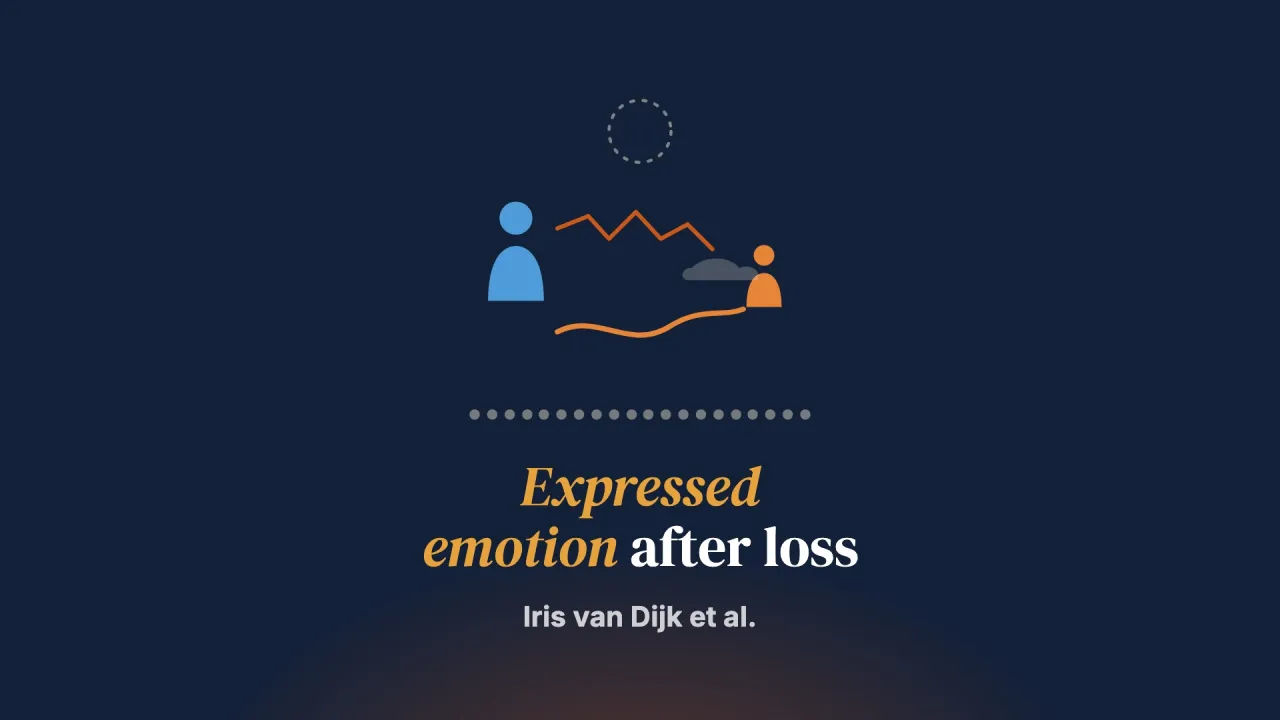 Scientific
 The Role of Parental Expressed Emotion and Loss-Specific Parental Responses in Children’s Loss-Related Outcomes Following Traumatic Loss: A Mixed-Methods Observational Study
After a road-traffic bereavement, parental criticism goes with the child's depression, positive appraisals of the loss with better well-being.
Comments 0
Log in to join the discussion. Log in