AI-assisted translation
This version was translated from French by Complexe Systémique with the help of artificial intelligence. In case of doubt, the original version prevails.
Systemic tool · Crossed beliefs
The crossed-beliefs game: a versatile tool for systemic therapy
Deep-seated beliefs influence our relationships, our behaviours and the way we interact with the world. Inherited from our personal history or shaped by significant experiences, they often form patterns that lock individuals, couples or families into repetitive, conflict-ridden dynamics. To meet these challenges, the crossed-beliefs game, developed by Stessie Fougeroux, offers an innovative answer suited to a variety of therapeutic contexts.
A tool inspired by systemics
The crossed-beliefs game is based on the systemic concepts developed by Mony Elkaïm, in particular the reciprocal double bind. This mechanism describes how our deep beliefs can reinforce one another within our relationships, creating vicious circles of conflict or misunderstanding.
The game, made up of specific cards for each type of therapy (individual, couple and family), brings these beliefs to light, allows them to be worked on in a safe setting, and creates a space conducive to transformation.
One game, three therapeutic contexts
1. In family therapy
In a family setting, the crossed-beliefs game makes it possible to explore the relational dynamics between the different members. Each participant selects cards that reflect their beliefs, such as: “I cannot be recognised”, “I always have to choose”, “I can only be rejected”.
Through the scenarios proposed on the back of the cards, family members discover how their beliefs can interact and reinforce one another. A teenager might, for example, express a belief such as “I have no worth”, while a parent realises they are acting in a way that, unintentionally, validates that belief.
By working on these interactions, the family can develop new ways of communicating, strengthen bonds and create a more harmonious dynamic.
2. In couple therapy
For couples, the game is particularly useful for identifying and defusing reciprocal double binds. Take, for instance, beliefs such as “I can never measure up” and “Whatever I do, it’s never right”.
The therapist guides the partners through scenarios that illustrate these beliefs and helps them find responses that do not amplify them. This process fosters better mutual understanding, develops empathy and gives the couple concrete tools to break repetitive cycles of conflict.
3. In individual therapy
In individual therapy, the crossed-beliefs game takes on a very particular dimension. The therapist plays both the role of the patient’s communication partners (colleagues, loved ones, family members) and that of the patient themselves. This dual role allows the patient:
- to observe their own reactions to other people’s behaviour;
- to understand how they may unconsciously contribute to reactions that reinforce their own limiting beliefs.
Take the example of a belief such as “I can only be abandoned”. By simulating a fictional situation, the therapist can show how certain behaviours of the patient (a defensive or distant attitude, for example) help trigger responses in others that validate this belief. This work helps the patient develop a heightened awareness of their role in interactions and experiment with alternative reactions.
Why three sets of cards?
Stessie Fougeroux designed three distinct sets of cards to meet the specific needs of each therapeutic setting. Each set reflects the realities of the context it targets, while remaining faithful to the systemic framework underpinning the game.
Couple therapy
Scenarios centred on couple dynamics and everyday interactions.
Family therapy
Situations involving several members of a family, adapted to diverse configurations.
Individual therapy
Examples that apply to personal, professional and social life.
The stages of the game
Whatever the context in which it is used, the crossed-beliefs game follows similar stages:
- Selecting the beliefs: each participant chooses the beliefs that resonate with their experience.
- Identifying the central beliefs: through circular questioning, the participants identify each person's main beliefs, fostering empathy.
- Playing through situations: through fictional scenarios, the participants learn to respond to each other's beliefs without reinforcing them.
- Task prescription: the work continues at home with concrete exercises designed to integrate what was learned in the session.
A tool that transforms therapy
The crossed-beliefs game does more than make limiting beliefs visible: it invites individuals, couples and families to experiment with new ways of thinking and interacting. By drawing on creativity and empathy, it helps set deep, lasting changes in motion.
Want to go further?
Article: the paper in the journal Thérapie familiale, on Cairn
Books: Vivre en couple. Plaidoyer pour une stratégie du pire and Si tu m’aimes, ne m’aime pas. Approche systémique et psychothérapie.
To see the game in practice and hear it presented in detail, the video — in French — is below.
How to cite this article
Besse, J. (2024, December 1). The crossed-beliefs game: a versatile tool for systemic therapy. Complexe Systémique. https://app.complexe-systemique.com/en_GB/articles/the-crossed-beliefs-game-a-versatile-tool-for-systemic-therapy
To go further
- Becoming a therapist: Stessie Fougeroux's journeyThe game's creator looks back on her path towards becoming a therapist.
- Floating objects in systemic therapyAn overview of the symbolic supports that mediate the therapeutic relationship.
- Amour Monstre: a playful floating object for relational therapyAnother therapeutic card game, designed by Ivy Daure to explore relationships.
Related training courses
 Symposium
État des Lieux: a psychological approach to spaces
Replay of the “État des Lieux” conference (Paris, 16 October 2026): Ivy Daure, Maurizio Frisina, Viola Sallay and Gilbert Pregno on places as a clinical resource. In French.
 Certifying course
Training in Systemic Therapy and Interventions – Cycle 1
Certifying training cycle in systemic therapy and interventions – year 1. Courses, supervision and practice, aligned with EFTA/SFTF. In French.
 Certifying course
Training in Systemic Therapy and Interventions – Cycle 2
Certifying training cycle in systemic therapy and interventions – year 2. Clinical complexity, supervision and practice. EFTA/SFTF aligned. In French.
 Certifying course
Training in Systemic Therapy and Interventions – Cycle 3
Certifying training cycle in systemic therapy and interventions – year 3. In-depth intervention, supervision and practice. EFTA/SFTF aligned. In French.
Related articles
 Scientific
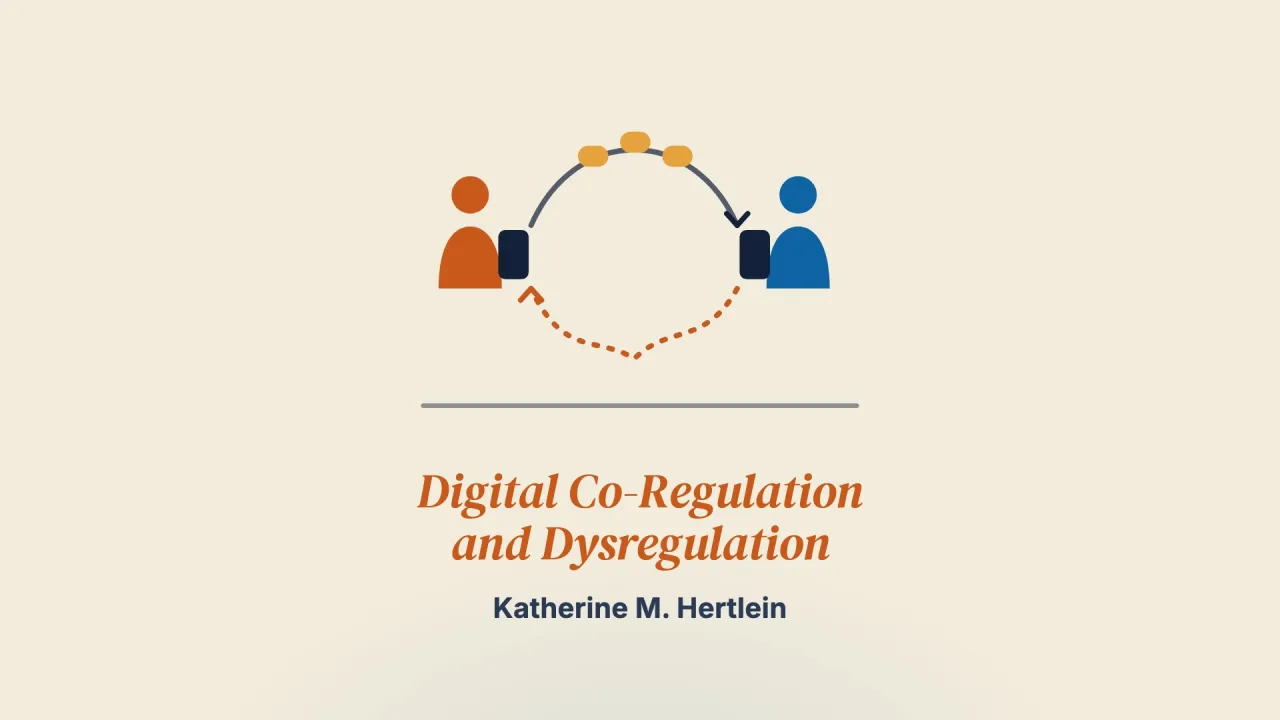
 Digital Co-Regulation and Dysregulation in Romantic Relationships: A Systemic Model of Technology-Mediated Emotional Processes
Checking, chasing, blocking: 31 interviews show how the phone regulates or dysregulates a couple’s anxiety, with a systemic model of the loop.
 Scientific
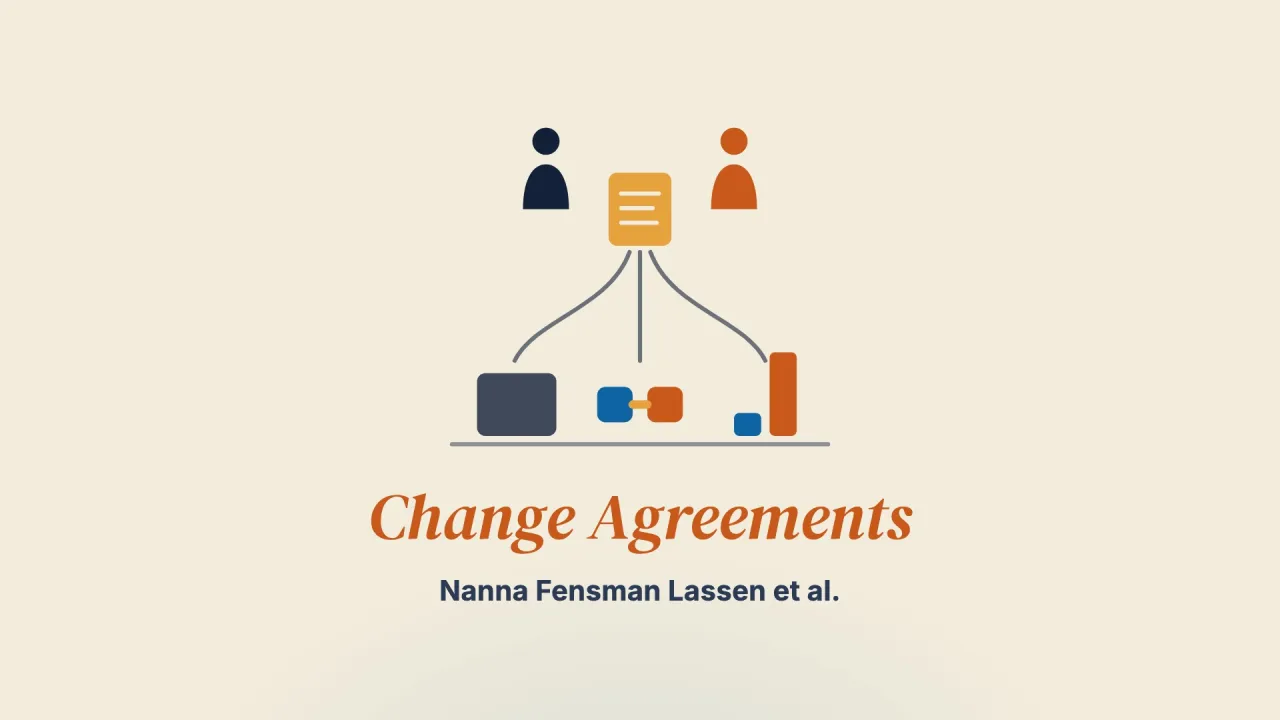
 “One Can Have All Sorts of Good Intentions but Sometimes in Everyday Life, It Turns Out Differently”: Change Agreements in Couples' Everyday Lives
Six Danish couples followed after an online couple program: their change agreements become guilt-inducing contracts, shared understanding or revealers of inequality.
 Scientific
 The AFFIRM Model for Navigating Challenges in Continuously-Interfaith and Divergent-Interfaith Marriages
Thirty happy interfaith couples describe how they navigate their religious differences: five processes, from respecting each other’s choices to religious intimacy, gathered in the AFFIRM model.
 Blog
Blog Toxic, narcissistic, borderline: what therapy speak does to your relationships
Narcissistic, borderline, toxic: therapy speak has left the consulting room. Julien Besse shows how these labels close the debate and relieve us of our own part.
Comments 0
Log in to join the discussion. Log in