Current Psychology · Family
From grandmother to granddaughter: a phenomenological study to assess the intergenerational transmission of birth-related traumatic experiences
How does a traumatic birth pass from one generation of women to the next? In Türkiye, a team from Kütahya interviewed thirty women from ten families, grandmother, mother and granddaughter. Their accounts trace a transmission through silence, shame and caregiving, but also ruptures: better-informed daughters, more present partners, and new wounds linked to medicalization.
This is a reformatted republication of From grandmother to granddaughter: a phenomenological study to assess the intergenerational transmission of birth-related traumatic experiences, by Sercan Mansuroğlu and Ayşegül Unutkan, published in Current Psychology (Springer) (2026), doi: 10.1007/s12144-026-09142-1, under a CC BY 4.0 licence. Prepared by Complexe Systémique in September 2026: the authors’ text is unchanged; the layout has been adapted for reading online, which constitutes a modification of the work under the terms of the licence. Tables are presented as lists; a paragraph duplicated in the online version of the original (“Data collection tool”) is reproduced as published; acknowledgements and end-of-article statements are grouped in the notes; the supplementary material (interview guides) is not reproduced. This edition was made neither by the authors nor by the publisher, who are not responsible for its content or for any errors. The original version prevails.
This silence represents not only trauma transmission but also the inheritance of ignorance.
Sercan Mansuroğlu and Ayşegül Unutkan
Abstract
Childbirth is not only a biological event but also a deeply embedded psychological and sociocultural experience that can shape women’s well-being across the life course. While the psychological consequences of traumatic birth have been increasingly documented, far less is known about how these experiences are transmitted across generations, particularly within patriarchal and family-centered societies. This study aimed to explore how traumatic birth experiences are transmitted across three generations of women and to identify the relational and sociocultural mechanisms underlying this transmission. In this phenomenological research, semi-structured interviews were conducted with 30 participants from 10 families (grandmother, mother, granddaughter). The data were analyzed by thematic analysis. Thematic analysis yielded three overarching themes: (1) Sources and Manifestations of Trauma, (2) Pathways of Intergenerational Transmission, and (3) Generational Differences and Transformation. The findings demonstrate that birth-related trauma is not only an individual psychological experience but also a socially and culturally mediated phenomenon transmitted through silence, caregiving practices, and evolving family dynamics. By examining three generations simultaneously, this study contributes to the international literature by revealing how intergenerational trauma is reproduced and, in some cases, transformed over time. These results highlight the need for trauma-informed, culturally sensitive maternity care and intergenerational interventions that extend beyond individual-level clinical approaches.
Keywords: Pregnancy, Childbirth, Intergenerational trauma, Trauma transmission, Women’s experiences
Introduction
Pregnancy and childbirth are not merely biological events; they are complex experiences interwoven with psychological, social, and cultural meanings in a woman’s life story (Olza et al., 2018). These transitional periods may sometimes serve as empowering moments of transformation, while at other times they leave traumatic imprints that deeply disturb one’s psychological integrity. Factors such as lack of support systems, loss of control, violations of bodily autonomy, and feelings of isolation can turn childbirth into a traumatic experience for women (Unutkan et al., 2025; Avcı & Kaydırak, 2023).
The effects of such trauma are not limited to the moment they occur; they can shape subsequent generations’ perceptions of femininity, motherhood, and the female body through a process of intergenerational transmission (Roubinov et al., 2022). The growing body of literature on intergenerational trauma emphasizes that trauma not only affects the psychological structure of the individual but also creates enduring impacts within familial, societal, and cultural contexts. This transmission occurs not only through explicit narratives but also through suppressed emotions, parenting patterns, silence, and even epigenetic mechanisms (Aydın & Yıldız, 2018; Horsch & Stuijfzand, 2019).
The long-lasting and often unrecognized effects of birth trauma become particularly visible in the transmission among women (Ayers et al., 2024; Horsch & Garthus-Niegel, 2019). A woman’s own birth experiences are frequently passed on—often unintentionally—to her daughters through stories, attitudes, or emotional responses. This phenomenon is not just about personal memory; it also reflects the intergenerational circulation of gender norms, patriarchal values, and silenced traumas related to the female body (Aydın & Yıldız, 2018).
Background
There are several mechanisms through which trauma is transmitted across generations. Abraham and Torok (2005) introduced the concept of “cryptic identification” to describe how trauma may be unconsciously inherited. Individuals exposed to trauma often exhibit symptoms such as anxiety, depression, post-traumatic stress, heightened threat perception, and pessimism toward themselves and the world. These psychological patterns may appear in their children as well. Children of traumatized parents may adopt similar parenting styles and psychological issues. Symptoms such as vulnerability to stress, guilt, anxiety, depression, phobias, and panic may manifest in them. A parent’s unprocessed trauma can have a direct impact on the child, who may absorb unspoken fears and internalize them as if they were their own. Lebovici (1993) describes this process using the concept of “family mandate,” referring to the roles and responsibilities assigned to a child from birth. Similarly, Stierlin and colleagues (1979) and Boszormenyi-Nagy (2014) suggest that parents often unconsciously impose certain roles and expectations on their children—to repair past mistakes, alleviate parental pain, or calm anxieties. These implicit transmissions can foster a profound sense of loyalty and obligation toward previous generations, forming what may be called “intergenerational debt.” Over time, such burdens accumulate, and new members of the family are born into these inherited emotional legacies.
Epigenetic trauma theory proposes that these transmissions may have not only psychosocial but also biological underpinnings. For example, studies indicate that high levels of stress during pregnancy can affect fetal neurodevelopment and may even be passed on to the next generation (Yehuda et al., 2016). Yamagata and colleagues explored the intergenerational psychopathology between mothers and daughters by examining the similarity in gray matter volume in the cortico-limbic systems of parent-child pairs via magnetic resonance imaging. Their findings revealed a significantly stronger resemblance between mothers and daughters compared to other dyads (e.g., mother-son, father-daughter), suggesting a possible neural basis for intergenerational transmission (Yamagata et al., 2016).
Psychodynamic theories posit that trauma which remains unprocessed at the conscious level may be passed down unknowingly to future generations (Bowe et al., 2025). This unconscious transmission can hinder a child’s psychological development, manifesting later in life as unexplained anxieties, discomforts, or psychological symptoms (Abraham & Torok, 1994). While research on this topic is often traced back to studies of Holocaust survivors’ grandchildren (Rakoff et al., 1966), early psychoanalytic conceptualizations already emphasized that unspoken emotions and guilt stemming from parental trauma may be projected onto children (Ferenczi, 1988). Later theorists likened these unresolved traumas to invisible “ghosts” or haunting presences that continue to influence future generations (Fraiberg et al., 1975). Such burdens may disrupt the development of a child’s sense of self (Fraiberg et al., 1975; Abraham & Torok, 1994). Psychoanalytic thought also suggests that collective traumas—experienced by entire societies—can become part of the collective unconscious, passed on silently when suppressed, ignored, or left unacknowledged (Jung, 1964; Feldman, 2022).
From an attachment theory perspective, a mother’s traumatic birth experience may impair her emotional investment in her child, potentially shaping future relational patterns (Frankham et al., 2023). Systems theory further emphasizes that trauma is not just an individual phenomenon but one that affects the entire family system (Fitzgerald et al., 2020; Reshef et al., 2023).
Feminist perspectives contribute significantly to this field by highlighting how women’s birth experiences are often rendered invisible, confined to the private domain, and enveloped in systemic silence. Birth, when subjected to medical authority and control, may cause women to lose agency over their bodies, leading to unrecognized trauma. This silence is reproduced across generations not just individually but as part of a collective memory (Tsakmakis et al., 2023).
Purpose of the study
This study was conducted in the context of Türkiye. Türkiye is a society where patriarchal values and gender roles are strongly felt, and where the family structure persists in both nuclear and extended family arrangements. Women’s autonomy in decision-making during childbirth is often influenced by family elders and spouses. Furthermore, it has been reported that women experience anxiety and depression during the birth process due to social expectations, motherhood roles, and lack of support, and exhibit symptoms of traumatic stress (Ozansoy Tunçdemir, 2024; Unutkan et al., 2024; Yildiz et al., 2017). In addition, inadequate access to health services makes traumatic birth experiences more likely, which leads to an increase in psychological burden at both the individual and intergenerational levels (Özcan et al., 2017). Although significant progress has been made in access to healthcare services in general, findings from the Türkiye Demographic and Health Survey (TNSA, 2018) indicate that prenatal care services are more limited in rural areas and among women with low levels of education. In such a social context, the strong influence of patriarchal structures and gender norms creates a foundation for birth trauma to be reproduced through family roles and cultural values, beyond being an individual experience. Therefore, Türkiye offers a unique and critical context for examining intergenerational trauma transmission specifically in relation to birth processes.
In countries like Türkiye, where traditional values are deeply rooted, intergenerational transmission of childbirth experiences has been insufficiently studied, with most existing research relying on quantitative methods (Demir, 2024; Aktaş Reyhan & Dağlı, 2022). The relevant literature has examined the transmission of birth-related trauma at the level of one or two generations, which only partially reveals the complexity of transmission mechanisms and their multi-layered effects on intra-family dynamics. A qualitative approach encompassing three generations simultaneously enables a deeper understanding of the pathways of trauma transmission, intergenerational similarities, and transformations. Furthermore, conducting this study within Turkish culture can be said to fill an important gap in the literature by revealing how cultural norms, access to healthcare, and gender roles play a formative role in the transmission of trauma.
This study seeks to address that gap and to explore how women’s traumatic birth experiences leave lasting traces across generations.
The research is guided by the following core questions:
- What are the traumatic experiences women face during pregnancy and childbirth?
- How are these traumatic experiences transmitted across generations, and through which mechanisms?
Methods
Research design
This study was designed using a phenomenological approach, one of the qualitative research methods, and was conducted between November 2024-February 2025. Phenomenology aims to explore the subjective meanings that individuals assign to their lived experiences (Creswell, 2013). This research adopts a hermeneutical phenomenology approach from phenomenological research designs. Hermeneutical phenomenology aims not only to describe experiences but also to understand how individuals make sense of these experiences within their social, cultural, and relational contexts (Errasti-Ibarrondo et al., 2019). Therefore, the approach is based on an epistemological stance constructed by individuals’ subjective experiences, in contrast to the assumption of a single and unchanging reality. According to this approach, the researcher’s interpretation of the data is as important as the individuals’ narratives. For this reason, the principle of reflectivity has been adopted to ensure that researchers are aware of their own biases. In this study, phenomenology was chosen to reveal how women make sense of their traumatic birth experiences, how these experiences are structured through body, emotions, and relationships, and how they gain continuity through intergenerational transmission. Through women’s narratives, the study is based on the assumption that traumatic birth experiences are not only an individual experience but also a phenomenon that can be shaped within cultural, familial, and social contexts. In this respect, the research aims to make visible the individual, relational, and intergenerational dimensions of trauma by analyzing the changing or enduring representations of birth experiences.
Participants
The study group consisted of 30 women from 10 families, each including three generations of female participants (grandmother–mother–granddaughter). The study’s context is based on the assumption that birth experiences are not merely individual experiences, but also experiences transmitted through family narratives and intergenerational interactions. Therefore, the research is designed within a family-based context, considering women from three generations grandmother-grandmother-granddaughter together. Participants were selected using purposive/criterion sampling, provided they met the following criteria: being over 18 years old, having experienced childbirth, and being able to participate in interviews across three generations within the same family. This sampling method prioritizes selecting individuals rich in relevant experience who can contribute meaningfully to the study’s aim (Patton, 2002).
Participants were recruited through an announcement posted at a public university where the researchers are employed. This university is an educational institution that accepts a large number of students from different regions of the country. Therefore, the family triads (grandmother-mother-granddaughter) included in the study were not limited to the campus geography; the participants’ origins were spread across the country (see Table 1 for the rural-urban difference among participants). The sample selection was based on a purposive aim and maximum variation strategy: the inclusion criteria in the study included the presence of three generations together, the existence of narratives related to the birth experience, and the representation of different sociocultural backgrounds. Furthermore, during the fieldwork process, both on-campus announcements and participant referrals were used to ensure that grandmothers or mothers residing in different provinces also participated in the interviews. When face-to-face interviews were not possible, online interview options were offered; this method facilitated the inclusion of family members living in different geographical locations in the data collection process. Thanks to these strategies, despite being sourced from a single institution, the sample achieved geographical, rural-urban, and socio-cultural diversity; this diversity allowed for an in-depth examination of the intergenerational transmission mechanisms aimed by the study. A total of 19 students responded to the announcement. However, 9 were excluded due to lack of access to other generational family members. Ultimately, through referrals from 10 students, three generations of women from 10 families were recruited for the interviews.
Table 1 Demographic characteristics of participants
- Variable: Age at Marriage; Group: Under 18; Grandmother (n): 8; Mother (n): 7; Daughter (n): 6
- Group: 18 and above; Grandmother (n): 2; Mother (n): 3; Daughter (n): 4
- Variable: Number of Children; Group: 2–4 children; Grandmother (n): 4; Mother (n): 10; Daughter (n): 10
- Group: 5–8 children; Grandmother (n): 3; Mother (n): –; Daughter (n): –
- Group: 9 and above; Grandmother (n): 3; Mother (n): –; Daughter (n): –
- Variable: Miscarriage/Stillbirth; Group: Yes; Grandmother (n): 8; Mother (n): 4; Daughter (n): 4
- Group: No; Grandmother (n): 2; Mother (n): 6; Daughter (n): 6
- Variable: Place of Residence; Group: Rural; Grandmother (n): 6; Mother (n): 6; Daughter (n): 6
- Group: Urban; Grandmother (n): 4; Mother (n): 4; Daughter (n): 4
- Variable: Family Type; Group: Nuclear; Grandmother (n): 7; Mother (n): 9; Daughter (n): 9
- Group: Extended; Grandmother (n): 3; Mother (n): 1; Daughter (n): 1
- Variable: Mental Illness; Group: Yes; Grandmother (n): 1; Mother (n): 1; Daughter (n): 1
- Group: No; Grandmother (n): 9; Mother (n): 9; Daughter (n): 9
- Variable: Psychiatric Treatment; Group: Received; Grandmother (n): 1; Mother (n): 1; Daughter (n): 1
- Group: Not received; Grandmother (n): 9; Mother (n): 9; Daughter (n): 9
All 10 students included in the study were enrolled in the faculty where the researchers worked. This situation was carefully considered in terms of the researcher-participant relationship, which is frequently discussed in qualitative research. Since the researchers’ academic relationship with the students could potentially influence participants’ responses, the impact of this relationship on the research process was evaluated from both ethical and methodological perspectives. In this context, the principles of voluntariness, confidentiality, and participant autonomy were particularly emphasized in the data collection process. Furthermore, due to the nature of the phenomenological approach, the researcher is not in a position of a distant observer, but rather in a reflective and interpretive position in the meaning-making of narratives. Therefore, the researchers, aware of their own academic roles and potential biases, adopted the principle of reflectivity and continuously questioned this relationship throughout the data analysis process. At the same time, the fact that some of the participants were the researchers’ students was considered among the limitations of the study. This situation may have led to a social desirability effect, particularly in the narratives of the grandchild generation. However, since the grandmother and mother generation, the main focus of the research, did not have a direct academic relationship with the researchers, it is thought that this effect remained limited in the transmission of intergenerational narratives. In this respect, the study adopts a qualitative research approach that identifies, transparently reports, and includes interpretations of potential power balances.
According to demographic data (see Table 1), grandmothers (1st generation) had a mean age of 71.10 ± 9.14 years. Eight of them had married before the age of 18, four had between 2 and 4 children, eight had experienced miscarriage or stillbirth, six lived in rural areas, seven lived in nuclear family settings, and nine reported no psychiatric history or mental illness. Mothers (2nd generation) had a mean age of 46.90 ± 5.72 years. Seven had married under the age of 18, all had 2–4 children, six had not experienced miscarriage or stillbirth, six lived in rural areas, and nine lived in nuclear family settings and reported no psychiatric conditions. Granddaughters (3rd generation) had a mean age of 23.01 ± 4.48 years. Six had married before the age of 18, all had 2–4 children, six had not experienced miscarriage or stillbirth, six lived in rural areas, and nine lived in nuclear family settings with no psychiatric history reported.
Data collection tool
Data were collected through a demographic information form and semi-structured interview guides developed by the researchers. The interview guides were designed to support participants in expressing their experiences during pregnancy, childbirth, and the postpartum period in their own narratives and in depth, in accordance with the fundamental principles of the phenomenological approach. The development of the questions considered previous qualitative studies in the field of traumatic birth experiences, intergenerational transmission, and women’s mental health, as well as clinical and academic experiences. Due to the unique nature of the research, separate interview forms were prepared for each generation. The interview guides for the grandmother (1st generation), mother (2nd generation), and grandchild (3rd generation) groups were differentiated considering the social, cultural, and familial context of the participants’ time period, while maintaining thematic continuity. This allowed for a comparative observation of the transmission and transformation of experiences between generations. All interview guides are provided as supplementary files.
Data were collected through a demographic information form and semi-structured interview guides developed by the researchers. The interview guides were designed to support participants in expressing their experiences during pregnancy, childbirth, and the postpartum period in their own narratives and in depth, in accordance with the fundamental principles of the phenomenological approach. The development of the questions considered previous qualitative studies in the field of traumatic birth experiences, intergenerational transmission, and women’s mental health, as well as clinical and academic experiences (Horsch & Stuijfzand, 2019; Feldman, 2022; Aktaş Reyhan & Dağlı, 2022; Bekes & Starrs, 2024; Aydın & Yıldız, 2018). Due to the unique nature of the research, separate interview forms were prepared for each generation. The interview guides for the grandmother (1st generation), mother (2nd generation), and grandchild (3rd generation) groups were differentiated considering the social, cultural, and familial context of the participants’ time period, while maintaining thematic continuity. This allowed for a comparative observation of the transmission and transformation of experiences between generations. All interview guides are provided as supplementary files.
Data collection process
Interviews were conducted individually and either face-to-face/online by the first researcher, in a setting where each participant could feel safe and comfortable. Each generation was interviewed separately. Interview durations ranged between 40 and 70 min and were audio-recorded with the participants’ consent. Before ending the sessions, participants were asked if they had anything to add or ask, and interviews were concluded with expressions of appreciation. Data collection continued until thematic saturation was achieved. Despite an increasing number of interviews during the coding process up to the 10th family in the study, no new codes or main themes emerged in the three consecutive interviews after the 8th family; therefore, data collection was terminated at 10 families. The saturation criterion was defined as three consecutive interviews that did not yield new information. No repeat interviews were conducted. The recordings were later transcribed by the researcher and prepared for analysis.
Various facilitative interview strategies were used to strengthen communication and overcome potential impasses during the interviews. In addition to open-ended questions, researchers posed in-depth and reflective questions such as “Could you elaborate on this a little more?” and “Could you describe how you felt at that moment?” when necessary. There were no interruptions during face-to-face interviews or when participants were emotionally distressed. While there were some interruptions during online interviews, the connection was re-established and the interview continued. Furthermore, silences were not suppressed, allowing participants time to gather their thoughts. This flexibility was adopted as a fundamental element of the semi-structured interview technique. All interviews were audio-recorded with the explicit consent of the participants and transcribed verbatim after the interview. The interview guide was used not as a fixed list of questions throughout the data collection process, but as a flexible guide that supported participant narratives without directing them. This approach aimed to preserve the principle of “understanding experience from the participant’s own perspective,” which is the fundamental goal of phenomenological research. Audio recordings were stored in a cloud account accessible only to researchers, with participant names coded.
Before data collection, ethics committee approval was obtained from Kütahya Health Sciences University ethics committee (Date: 30.09.2024-Decision no. 2024/11–46). Participants were informed about the purpose of the study, principles of voluntary participation, data confidentiality and their right to withdraw at any time. Written/verbal informed consent was obtained from each participant. The ethical considerations of the current Declaration of Helsinki were strictly adhered to at every stage of the study.
Data analysis
The collected data were analyzed using thematic analysis (Braun & Clarke, 2006). This method focuses on identifying meaningful patterns in the narratives, coding them, and then organizing the codes into thematic clusters. No a priori conceptual framework was imposed at the outset of the analysis. The study followed an inductive phenomenological approach in which meanings, themes, and interpretive structures emerged directly from participants’ narratives. Although phenomenology primarily aims to understand how individuals make sense of their lived experiences, thematic analysis was employed as an analytic strategy to systematically identify shared patterns of meaning across participants. In this study, thematic analysis served as a phenomenologically informed method, allowing the researchers to remain grounded in participants’ subjective experiences while also identifying common experiential structures related to traumatic childbirth across generations. Conceptual linkages to intergenerational trauma and sociocultural processes were developed analytically during and after the coding process, rather than serving as predetermined guiding assumptions. The analysis followed these steps:
- All interview transcripts were thoroughly read to identify meaning units.
- Open codes were created based on these meaning units, and similar content was grouped.
- Themes and subthemes were developed from these groupings.
- The themes were structured according to the theoretical framework and research questions.
- In addition to recurring expressions, elements like emotional emphasis, silences, and contradictory narratives were also considered significant in the analysis.
- The validity of themes was enhanced by supporting them with direct participant quotations.
- The SRQR (Standards for Reporting Qualitative Research) checklist was used as a reporting guide for this study (O’Brien et al., 2014).
Theoretical saturation was operationalized in this study using the criterion of “no new main theme or meaningful subcode emerging in at least three consecutive interviews” (Guest et al., 2006; Saunders et al., 2018). A total of 30 interviews from 10 families were analyzed; and the analyses showed that the core themes and key categories were repeatedly observed in the available data set and did not produce new information; therefore, thematic saturation was considered analytically achieved.
Rigour and reflexivity
All interviews conducted during the research process were recorded and transcribed verbatim. To enhance the credibility of the findings, the transcribed participant opinions were shared with the participants for confirmation. The resulting transcripts were independently reviewed multiple times by both researchers. This study was conducted in line with the academic backgrounds and field experience of the researchers. The first researcher, through her work in the field of trauma and mental health, offers a theoretical and applied perspective on the analysis of the psychological and relational dimensions of traumatic experiences. Additionally, her experience with qualitative research methods provided an interdisciplinary depth in the interpretation of narratives. The second researcher holds a doctorate in women’s health nursing and specializes in childbirth experiences, perceptions of traumatic birth, and women’s subjective birth experiences. Her published international studies on qualitative research methods contributed to the effective application of the phenomenological approach in this study. The researchers’ different but complementary areas of expertise made it possible to consider traumatic birth experiences not only as an obstetric process but also as an experience with psychological and intergenerational effects. However, both researchers adopted a reflective approach throughout the study, aware that their professional positions and expertise in the field of trauma could influence the analysis process; they considered awareness of potential biases and their critical questioning as a methodological requirement. Aware of their academic roles, values regarding women’s health, and assumptions about traumatic birth experiences, the researchers documented these presuppositions in writing before beginning the data analysis. In this context, the reflective bracketing approach, recommended in phenomenological research, was used to separate the researchers’ interpretations from the participants’ experiences as much as possible (Errasti-Ibarrondo et al., 2019).
During the coding and theme development process, the researchers met periodically to reach a common analytical consensus on the final themes. Throughout this process, particular attention was paid to deriving the themes directly from the data and ensuring that the researchers’ presuppositions did not guide the analysis. The themes agreed upon by the two researchers were then reviewed by a researcher unfamiliar with the subject but experienced in qualitative research, thus completing the three-part analysis. Based on feedback, Sub-theme 1.2, initially titled “Loneliness and Lack of Support,” has been revised to “Violence, Loneliness, and Lack of Support” to increase clarity. Inter-coder consistency was determined according to the Miles and Huberman model. According to this model, inter-coder agreement is expected to be at least 80% (Miles & Huberman, 1994). In this study, inter-coder agreement was calculated as 88%.
Additionally, the research was conducted within the framework of methodological rigor, credibility, transferability, consistency, and verifiability principles. The study context and participant characteristics were described in detail, and transferability was strengthened by supporting the themes with direct quotations from participant narratives. Verifiability was ensured by clearly reporting all decisions related to the analysis process. Researchers took care to maintain internal consistency by continuously comparing data, codes, and themes throughout the analysis process. The researchers’ positions in the study were clearly defined, along with both their strengths and limitations, and the potential impact of this position on data generation and interpretation was critically evaluated at every stage of the research process. This approach is considered to have strengthened the methodological transparency and scientific credibility of the study.
Findings
As a result of the thematic analysis, three main themes were identified: the sources and manifestations of trauma, pathways of ıntergenerational transmission, ıntergenerational differences and transformation. Under the first main theme, subthemes included physical strain and excessive workload, violence, loneliness and lack of support, lack of knowledge, and medical support. The second main theme encompassed the culture of silence and shame, knowledge transfer and maternal knowledge, and the conscious repetition or disruption of negative experiences. The third main theme revealed subthemes such as shifting roles and marital dynamics, changes in birth settings and access to healthcare, intergenerational changes in spousal and family support across generations (Table 2). The findings of this study reveal that traumatic childbirth experiences are not isolated events but are embedded within a dynamic and interrelated structure that unfolds across generations. As illustrated in Fig. 1, the analysis identified three main themes that collectively explain how trauma emerges, is transmitted, and is transformed over time. These themes should be understood as analytically interconnected rather than discrete categories, reflecting the complex interplay between individual experiences, family dynamics, and sociocultural contexts.
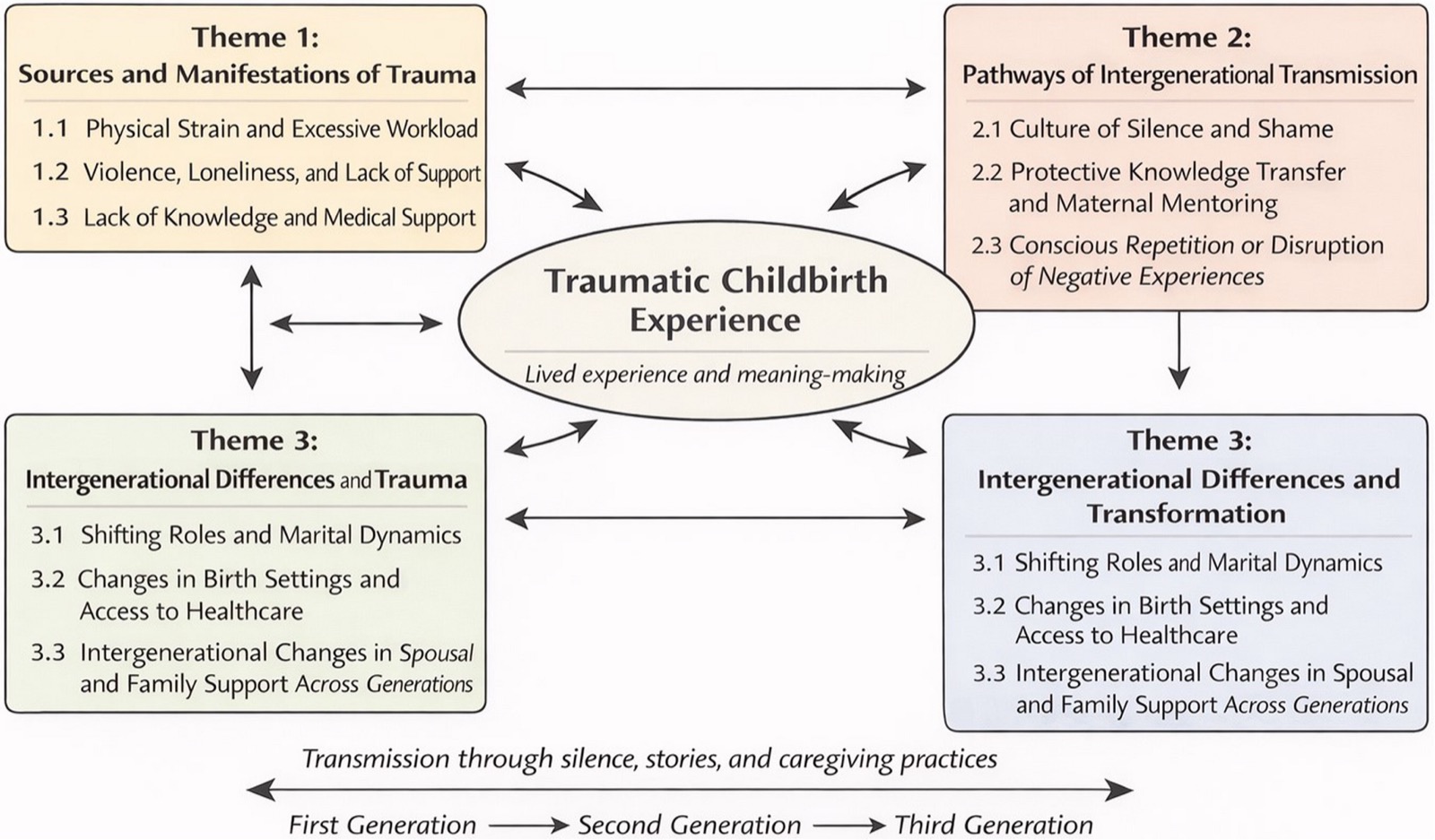
Table 2 Interview quotations reflecting the main themes and sub-themes in women’s birth experiences
- Main theme: Sources and Manifestations of Trauma; Sub-theme: Physical Strain and Excessive Workload; Representative participant quotation: “I gave birth, tied the baby to my back, and went to the field. Both the baby and the work. No one would ease my burden.”; Participant code: Interview 9 – Grandmother
- Sub-theme: Violence, Loneliness, and Lack of Support; Representative participant quotation: “My father-in-law was verbally abusive. My husband never protected me. I felt completely alone.”; Participant code: Interview 3 – Mother
- Sub-theme: Lack of Knowledge and Medical Support; Representative participant quotation: “They gave me induction. I didn’t know what it was. I suffered for 50 hours. No one explained how birth would be.”; Participant code: Interview 10 – Granddaughter
- Main theme: Pathways of Intergenerational Transmission; Sub-theme: Culture of Silence and Shame; Representative participant quotation: “My mother never told me anything. I didn’t even tell her I had my first period—I was too ashamed.”; Participant code: Interview 10 – Mother
- Sub-theme: Protective Knowledge Transfer and Maternal Knowledge; Representative participant quotation: “I always told her so she wouldn’t be as ignorant as I was. I warned her not to trust every midwife.”; Participant code: Interview 6 – Grandmother
- Sub-theme: Conscious Repetition or Disruption of Negative Experiences; Representative participant quotation: “I told my daughter ‘don’t do it, ’ but she didn’t listen. She was pregnant and still ran around like I used to.”; Participant code: Interview 10 – Mother
- Main theme: Intergenerational Differences and Transformation; Sub-theme: Shifting Roles and Marital Dynamics; Representative participant quotation: “My mother-in-law wanted me to help her, but my husband refused. He prioritized me. I felt valued.”; Participant code: Interview 10 – Granddaughter
- Sub-theme: Changes in Birth Settings and Access to Healthcare; Representative participant quotation: “I suffered 50 hours of induction. My pelvis was narrow, so delivery was hard. The staff said, ‘she can’t even give birth.’"; Participant code: Interview 10 – Granddaughter
- Sub-theme: Intergenerational Changes in Spousal and Family Support Across Generations; Representative participant quotation: “My husband wasn’t present at any of my births. We had modesty back then—we wouldn’t even raise our voices.”; Participant code: Interview 10 – Grandmother
Theme 1: sources and manifestations of trauma
This theme focuses on the physical and psychosocial traumatic experiences encountered by participants during pregnancy, childbirth, and postpartum and captures the conditions under which traumatic childbirth experiences initially arise. Among first-generation participants, trauma often stemmed from gender roles, poverty, family hierarchy, and lack of support. In the second and third generations, emotional pressure, loneliness, medical interventions, and systemic violence emerged as more prominent sources. This theme highlights how physical strain and excessive workload, experiences of violence, loneliness, and lack of support, as well as insufficient knowledge and medical support, converge to shape women’s early encounters with pregnancy and childbirth. These experiences constitute the foundational layer of trauma, forming the emotional and experiential backdrop against which subsequent meanings are constructed.
Subtheme 1.1: physical strain and excessive workload
Many women from the first generation reported being forced to perform heavy labor throughout their pregnancies, which sometimes resulted in miscarriages or premature births. Their physical limits were disregarded, reflecting a perception of the female body as one obligated to work.
“Gayınnam (a local dialect word for in-laws) never treated me like I was pregnant. They made me do everything. They sent me to the field, and I went. I did all the cooking and laundry.” (Interview 3 – Grandmother).
“My mother-in-law gave me the tougher donkey to herd. I had to cut fodder in the fields. I couldn’t manage it with my huge belly. I just lay down and cried.” (Interview 10 – Grandmother).
“I gave birth, tied the baby to my back, and went to the fields. Work and child, both at once. No one would help me.” (Interview 9 – Grandmother).
This subtheme not only highlights physical trauma but also shows how women were denied the chance to recognize or honor their own physiological processes.
Subtheme 1.2: Violence, Loneliness, and lack of support
Many participants felt emotionally neglected during pregnancy and childbirth, often facing pressure from their mothers-in-law or receiving no support from their spouses. Forms of violence ranged from overt (slapping, verbal abuse) to covert (ignoring, burdening with responsibility).
“My father-in-law was verbally abusive. My husband never protected me. I felt completely alone.” (Interview 3 – Mother).
“After the birth, my baby cried a lot one night. I couldn’t calm him down. My father-in-law slapped me because he couldn’t sleep. I’ll never forget it.” (Interview 10 – Grandmother).
“My mother-in-law made a face because I gave birth to a girl. She blamed me for the gender. I held back tears.” (Interview 10 – Granddaughter).
Emotional loneliness and invisibility were especially common among the second generation. Some questioned their ability to parent due to this isolation.
Subtheme 1.3: lack of knowledge and medical support
Many women entered labor without understanding what childbirth entailed, what to expect, or what symptoms signaled danger. This lack of knowledge was a major source of trauma, particularly for the first generation.
“I thought I had soiled myself. Turns out labor had started. If my sister-in-law hadn’t told me, I wouldn’t have known.” (Interview 10 – Grandmother).
“They gave me synthetic contractions. I didn’t know what it was. I suffered for 50 hours. No one explained what childbirth would be like.” (Interview 10 – Granddaughter).
“The midwife came, said the baby hadn’t descended yet, and left. I suffered for 10 days. The baby was stillborn in the end.” (Interview 6 – Grandmother).
In some cases, indifference, poor communication, or mistakes by healthcare professionals led to traumatic outcomes across generations.
Theme 2: pathways of intergenerational transmission
This theme examines how women transmitted—or failed to transmit—their pregnancy and childbirth experiences to the next generation. Three primary modes emerged: silence and shame, protective sharing of information, and either repetition or disruption of trauma. This theme explains how childbirth-related trauma extends beyond the individual and becomes embedded within familial relationships. This theme elucidates the mechanisms through which meanings attached to childbirth are preserved, altered, or contested within family narratives and caregiving practices.
Subtheme 2.1: culture of silence and shame
Women from the first and second generations considered topics like pregnancy, childbirth, and sexuality taboo. This prevented the transmission of crucial knowledge, leaving younger generations unprepared.
“You didn’t talk about such things. It was shameful. We were embarrassed.” (Interview 10 – Mother).
“My daughters never heard any of it. I told a little to my daughters-in-law, but they were shy, too.” (Interview 7 – Grandmother).
“My mother never told me anything. I didn’t even say I had started my period—I was too embarrassed.” (Interview 10 – Mother).
This silence represents not only trauma transmission but also the inheritance of ignorance.
Subtheme 2.2: protective sharing and maternal knowledge
Some mothers and grandmothers sought to protect their daughters by offering practical advice and passing on their hard-earned knowledge.
“I didn’t want her to be as ignorant as I was. I told her not to trust just any midwife.” (Interview 6 – Grandmother).
“I did what my mom told me. She always said, ‘Don’t lift anything heavy, don’t stress.’” (Interview 10 – Granddaughter).
“I always told my daughters to keep their feet warm, not to lift heavy things.” (Interview 7 – Grandmother).
These exchanges reflect care-based relationships, but the shared knowledge often remained limited and practical in scope.
Subtheme 2.3: conscious repetition or disruption of negative experiences
Some women became aware of harmful patterns and tried not to pass them on to their children. Others observed their daughters repeating similar experiences despite their warnings.
“If it were me, I would’ve told my daughter about labor signs. I would’ve taught her about hygiene. But we were never taught.” (Interview 10 – Granddaughter).
“I told my daughter not to do it, but she didn’t listen. She ended up like me—working hard even while pregnant.” (Interview 10 – Mother).
“I wish my mom had told me about childbirth. I would’ve been more prepared and less scared.” (Interview 10 – Granddaughter).
This subtheme demonstrates that trauma can be transmitted silently or consciously interrupted, especially by third-generation women who show a greater willingness to seek information.
Theme 3: intergenerational differences and transformation
This theme explores the significant differences across the three generations. Over time, changes in social, economic, and cultural conditions have altered women’s perceptions, roles, and experiences related to pregnancy and childbirth. It also reflects how these experiences transmitted across generations are reshaped over time. Changes in gender roles and marital dynamics, shifts in birth settings and access to healthcare, and evolving patterns of spousal and family support demonstrate that intergenerational transmission does not imply a static repetition. Rather, women actively reinterpret and renegotiate inherited experiences within changing social and structural conditions, allowing for both continuity and transformation across generations.
Subtheme 3.1: shifting roles and marital dynamics
In the first generation, early marriages and roles based on obedience and silence were common. In contrast, third-generation women set clearer boundaries and enjoyed more equitable spousal relationships.
“I got married at 15. I was heavily pregnant and still working in the fields. No one even asked how I was feeling.” (Interview 10 – Grandmother).
“My mother-in-law wanted me to help. My husband refused her request and prioritized me. I felt valued.” (Interview 10 – Granddaughter).
“In our time, the woman gave birth, worked, and raised the child. The man didn’t even look at the baby. Now? Men play with their children, they cook.” (Interview 4 – Grandmother).
These shifts suggest that women’s roles within the family are evolving and that patriarchal systems are beginning to loosen across generations.
Subtheme 3.2: access to healthcare and differences in birth settings
First-generation women mostly gave birth at home under primitive conditions with the help of traditional midwives. By the third generation, births occurred in hospitals with medical support—though sometimes these interventions created new traumas.
“They made me kneel. Rubbed my back. The baby wouldn’t come out. They pushed on my belly.” (Interview 10 – Mother).
“I had 50 hours of synthetic contractions. It was a hard birth because my pelvis was narrow. The staff said, ‘She can’t even give birth.’” (Interview 10 – Granddaughter).
“The midwife wouldn’t come. It was the village women or neighbors who helped. They pushed down on my belly with an elbow—I thought I couldn’t breathe.” (Interview 6 – Grandmother).
While medicalization reduced certain risks, it also introduced new sources of stress such as obstetric violence, inattentive staff, and poor communication.
Subtheme 3.3: changes in spousal and family support across generations
Spousal support was almost nonexistent in the first generation. By the third generation, emotional and physical support was more common and had a positive effect on postpartum well-being.
“My husband was never around during any of my births. Back then, modesty meant we couldn’t even raise our voices.” (Interview 10 – Grandmother).
“My husband cooked for me, made orange juice, gave me massages. He never left me alone during postpartum.” (Interview 10 – Granddaughter).
“I supported my daughter in every way. I didn’t want her to go through what I did.” (Interview 10 – Mother).
Some women actively tried to offer their daughters the support they themselves never received.
Taken together, these three main themes offer a coherent analytic framework that illustrates how traumatic childbirth experiences are lived, remembered, and meaningfully interpreted across generations. The findings demonstrate that birth-related trauma cannot be reduced to isolated events; rather, it emerges as an ongoing lived experience shaped within women’s bodily experiences, emotional responses, and relational contexts. These experiences arise under specific conditions, are transmitted across generations through family interactions and implicit narratives, and are reinterpreted by women within changing social and structural contexts. This process reveals that intergenerational transmission does not constitute a mechanical repetition, but instead reflects a dynamic structure in which continuity and transformation coexist through women’s meaning-making processes.
Discussion
This study aimed to understand how women’s traumatic birth experiences leave lasting marks across generations. The findings reveal that birth and pregnancy experiences are not solely personal but are shaped by cultural, historical, and structural conditions. While poverty, patriarchy, and lack of information were dominant factors in the first generation, emotional needs became more prominent in the latest generation. Access to information and expectations for social support also emerged as central concerns. One striking finding is how trauma, when passed down through silence, manifests in later generations as ignorance and helplessness. Yet, some women have recognized this cycle and attempted to break it. These themes directly address the core research question and illustrate that intergenerational trauma transmission operates through both internal (cognitive-emotional) and external (social-structural) mechanisms. The discussion is grounded in an inductive logic, with interpretations emerging directly from the study findings. Relevant literature is subsequently integrated to contextualize and deepen understanding of these empirically derived themes rather than to impose predefined theoretical assumptions.
In the first theme, although the sources and forms of trauma varied across generations, certain elements remained persistent. First-generation women, in particular, suffered physical trauma due to excessive workloads and inadequate access to healthcare. The societal perception of the female body as one that must continue laboring even during pregnancy reflects entrenched gender norms (Shibeshi et al., 2023). This perspective is linked to viewing the female body primarily in terms of its productivity and denying women the right to rest. Nhampoca and Maritz (2024) found that women married at an early age were often assigned the role of “housewife” within the family and left to bear heavy domestic burdens. In this study sample, structured disadvantages such as early marriage rates and living in rural areas increased physical stress in the first generation; thus, macro-level socio-economic factors shaped both the formation of trauma and its transmission.
In the second and third generations, trauma was shaped more by emotional neglect, loneliness, systemic violence, and medical interventions. Especially during childbirth, unconsented or poorly explained medical procedures left lasting psychological scars. The participants’ accounts align with the literature on obstetric violence, which highlights how uninformed and dismissive care can become a trauma in itself (Unutkan et al., 2025). Several women in our study described how childbirth, once a woman-centered natural process, had turned into a mechanized procedure controlled by healthcare professionals—rendering them passive objects. These narratives reflect a broader trend identified in the literature: the loss of female agency during childbirth (Karabulut & Unutkan, 2025; Sidesinger, 2024). The findings indicate the necessity of respectful birth/humane care principles implemented at the health system level, family-centered antenatal education programs, empathy-focused communication training in maternal health delivery, practices that encourage family participation, and easily accessible mechanisms for reporting obstetric violence.
The second theme shows that trauma does not end with a single generation. It continues through transmission—often via silence, shame, and the taboo surrounding women’s reproductive experiences. This aligns with Foucault’s (1978) concept of “the politics of silence,” whereby societal control is maintained by suppressing and rendering unspeakable any knowledge related to the female body (Caneda-Cabrera & Carregal-Romero, 2023). Entering labor with no prior knowledge or preparation deepens not only the physical but also the psychological trauma (Callister, 2004). This psychological trauma affects the mother’s emotional capacity and emotional regulation skills, threatening the healthy attachment between mother and child and potentially laying the groundwork for relationship, anxiety, and adjustment problems in the child as they grow older (Bowlby, 1982). From a family systems perspective, trauma is perpetuated not only within individuals but also through family roles, responsibilities, and implicit expectations (Fitzgerald et al., 2020). The ‘self-repetition’ attitudes observed in some narratives point to the transmission of family responsibilities from generation to generation with feelings of ‘duty’ or ‘obligation’; this can also be linked to trauma-bonding processes (Dutton & Painter, 1993). Therefore, healthcare professionals should not only provide medical care but also support women psychologically and emotionally before childbirth. Respect for informed consent and bodily autonomy plays a critical role in preventing traumatic births and breaking the cycle of trauma transmission.
In contrast, the efforts of some participants to avoid transmitting their own suffering—or to transform it—represent hopeful signs of change. Third-generation women were especially open to acquiring knowledge, preparing for childbirth, and seeking spousal support. This growing awareness reflects van der Kolk’s (1994) argument that “the body keeps the score,” meaning that even unspoken traumas find expression in behavior. In our study, some mothers who grew up in silence explicitly stated that they were trying to break that silence for the sake of their daughters. It can be argued that the resilience processes Masten (2001) refers to as ‘ordinary magic’ may explain this situation. This approach argues that children growing up in disadvantaged conditions (such as poverty, trauma, or negative socioeconomic environments) do not necessarily experience similar problems and show problematic development, but rather that resilience is a normal state and that healthy development is possible through protective systems. Similarly, Walsh’s (2003) family resilience model may point to the role of social support networks and intra-family reorganization in breaking the intergenerational transmission cycle. On the other hand, according to the historical intergenerational trauma transmission model, parents who have experienced trauma may perceive the world as dangerous, unjust, or uncontrollable. When this worldview is transferred to their children, it can lead to heightened anxiety, distrust, or emotional caution. A lack of open dialogue about past trauma can also create gaps in how children understand the world—yet at the same time, this may prompt them to question, investigate, and construct new meanings (Békés & Starrs, 2024). On the other hand, the perception of birth-related trauma may also have varied across generations due to cultural changes. In line with Jordan’s (1993) approach, which emphasizes that birth is culturally constructed, our study found that older generations tend to interpret birth experiences more in the context of privacy, while younger generations evaluate them in terms of individual rights, conscious choices, and planned birth. This differentiation suggests that intergenerational transmission is not limited to traumatic experiences; cultural values may also transform and exert influence over time.
The third theme illustrates how birth experiences evolve both socially and individually over time. Shifts in marriage age, familial roles, and spousal involvement have directly impacted how women perceive and experience childbirth. Early marriages and obedience-centered roles in the first generation reflect the deeply embedded nature of gender inequality (Yoosefi Lebni et al., 2023). In contrast, third-generation women actively sought information, set personal boundaries, and advocated for their rights—indicating a convergence of personal awareness and social transformation. Supporting this, studies suggest that educational advancement across generations leads to higher levels of awareness and mental well-being (Raghupathi & Raghupathi, 2020). These changes observed in the third generation can be considered protective factors that may break the transmission cycle. These findings support the potential of antenatal psychoeducation, family-focused counseling, and interventions involving partners to reduce intergenerational transmission.
Differences in healthcare access across generations were also significant. While earlier generations struggled with access, later generations benefited from medicalized births—though not without new risks. Studies confirm disparities in system access across generations (Hussein et al., 2020). Though home births with traditional midwives gave way to hospital births, the rise in medical interventions has not eliminated trauma. In fact, lack of personalized care and the mechanization of childbirth have sometimes created new forms of distress. These findings align with previous research suggesting that inhumane medical practices during childbirth can have long-term psychological consequences (Leinweber & Stramrood, 2024; Olza et al., 2018). While older generations faced challenges due to lack of access, newer generations risk trauma from the over-medicalization of birth. Thus, reducing unnecessary interventions and preserving the human aspect of childbirth are essential not only for present but also future generations.
Finally, dramatic intergenerational shifts in spousal and family support were observed. In the first generation, husbands were completely detached from the childbirth process. By the third generation, many partners were providing emotional and physical support. This reflects a redefinition of fatherhood and a more equitable distribution of caregiving responsibilities (Doğan & Dudu Karaman, 2023). Moreover, findings show that supported women experienced better postpartum psychological well-being. Earlier generations’ lack of support seems to have motivated later generations to offer intentional care to their daughters. Supporting studies indicate that women from all generations need information and social support—and that mothers and spouses are the most accessible sources of that support (Demir, 2024; Taghizdeh et al., 2017). Therefore, it is crucial for healthcare providers to recognize these evolving generational needs and equip families to provide appropriate care.
Limitations
This study has some limitations. As a phenomenological study, the analysis is inherently interpretive and shaped by the researchers’ positionality and reflexive engagement with the data, which may have influenced the meanings attributed to participants’ experiences. This study did not employ a predetermined theoretical framework at the outset. While this inductive approach allowed findings to emerge directly from participants’ narratives, it may have limited the exploration of alternative theoretical interpretations of intergenerational trauma. The sample was drawn from a culturally homogeneous group, which may limit the diversity and generalizability of the findings. Participants were recruited through a notice posted at a state university and through referrals from relevant students. This approach facilitated reaching three-generation family triads suitable for the research aim; although maximum diversity was intended, this method may limit socioeconomic diversity due to its university-based initial sampling. Since this study focuses solely on women’s narratives, the role of male figures within the family (husband, father-in-law) could not be directly examined. However, the literature indicates that partner support or partner-related trauma has a decisive impact on the mother’s birth experience and subsequent attachment processes. This limitation prevents a complete understanding of family dynamics; future studies that include the experiences of spouses and other male family members will enable a more comprehensive explanation of transmission mechanisms. Furthermore, accounts provided by older generations rely on retrospective recall and may reflect selective remembering or narrative reconstruction over time rather than objective representations of past events. Another limitation is that interviews were conducted only once, which constrains the ability to analyze how experiences and narratives evolve over time. Longitudinal interviews would enable a more dynamic and nuanced understanding of the transmission process. Finally, this study examined the mechanisms of trauma transmission within families by focusing on the birth experiences of women across three generations. However, it should be noted that traumatic birth experiences may have repercussions not only within families but also on community relationships and health policies. This study does not cover this aspect; therefore, future research examining the societal consequences of birth trauma and its interaction with health policies would make significant contributions to the literature. Despite these limitations, this study offers an original and in-depth contribution to the understanding of the intergenerational dimensions of birth trauma. The findings have important implications for clinical practice, particularly for maternity care professionals who work with women across different life stages. Although the study is situated within a specific regional and cultural context, the identified processes of emotional transmission, silence, and meaning-making may be transferable to other sociocultural settings where childbirth is similarly embedded in family narratives. These insights may also inform educational programs and future qualitative research focusing on trauma-informed maternity care.
Conclusions
The findings of this study demonstrate that birth trauma extends far beyond an individual experience and is often unconsciously transmitted from one generation to the next through everyday family interactions, shared narratives, and, in many cases, silence. Mediating factors such as silence, shame, and lack of information play a critical role in the perpetuation of trauma by shaping not only what is told, but also what remains unspoken within families. Nonetheless, the efforts of some women to recognize and break this cycle of silence illustrate that transformation is indeed possible, highlighting women’s agency in reinterpreting inherited experiences within their familial contexts.
This study sheds light on how gender norms, systemic inequalities in healthcare, and patriarchal structures shape the childbirth experience, revealing the long-term psychological and bodily consequences of such interventions on women within the specific sociocultural and healthcare context of Türkiye, where childbirth remains strongly embedded in family and gendered expectations. In this context, there is a pressing need for comprehensive health policies that prioritize not only individual well-being but also collective social welfare by addressing childbirth as a relational and intergenerational phenomenon rather than solely a clinical event.
The intergenerational transmission of traumatic birth experiences can lead to emotional ruptures within the family and contribute to the erosion of intergenerational well-being through disrupted patterns of communication, trust, and emotional support between mothers, daughters, and other family members. The effects of intergenerational trauma transmission within families also impact the mental health burden and demand for healthcare services at the societal level, particularly in settings where psychosocial dimensions of maternity care are under-recognized or inadequately integrated into routine practice. Therefore, it is essential that healthcare professionals support women during childbirth preparation not only physically, but also psychologically and emotionally, with an awareness of both personal and inherited childbirth experiences.
Moreover, the findings highlight the importance of promoting respectful and inclusive practices in birth care and integrating family-focused psychosocial support programs into health policies that are culturally sensitive and responsive to existing family structures. These programs should foster a safe and trusting environment between mothers and daughters, replacing the culture of silence with openness and shared dialogue, thereby creating opportunities to interrupt the intergenerational transmission of trauma. Future research should also be designed to incorporate multiple perspectives, including those of men, to promote a more holistic understanding of trauma transmission within the family system, while remaining attentive to regional and cultural specificity and avoiding unwarranted generalizations. In doing so, interventions can be developed that support the well-being of not only women but all members of the family unit within comparable sociocultural contexts.
Complexe Systémique: key points
The interest of this study lies in its design: three generations of women from the same family, interviewed separately about their births. Trauma is seen to circulate less through stories than through what goes unsaid: shame, transmitted ignorance, practical advice that protects without explaining. For a systemic reading, two points deserve attention. First, birth is never a matter for the mother alone: mother-in-law, father-in-law, husband and midwife make up the context that renders a birth traumatic or bearable, and that context changes from one generation to the next. Second, transmission is not fate: some mothers deliberately break the silence for their daughters, and medicalization, which has reduced certain risks, creates new wounds. For clinicians, exploring the family history of births, in a genogram for instance, can open a dialogue between generations. The limits are clear: a small sample recruited through the team’s students, memories reconstructed decades later, the absence of men, and quotations drawn mostly from a single family. Read alongside the article on family members in perinatal interventions, and the article on the intergenerational transmission of trauma and sibling resilience.
Notes from the original
Acknowledgements. Thanks to women of all generations who voluntarily participated in the study.
Funding. Open access funding provided by the Scientific and Technological Research Council of Türkiye (TÜBİTAK).
Ethics Committee Approval. Written permissions were obtained from the ethics committee of the Kütahya Health Sciences University (number 2024/11-46 on 30.09.2024).
Informed Consent. After the purpose of the study was clarifyed to the women participating in the study, their informed consent was obtained. Throughout the study, the ethical principles of the current Helsinki Declaration were followed.
Conflict of interest. As the authors, we declare that there is no conflict of interest.
References
Abraham, N., & Torok, M. (1994). The Shell and the Kernel: Renewals of Psychoanalysis (Vol. Volume 1). University of Chicago Press.
Abraham, N., & Torok, M. (2005). The Wolf Man’s magic word: a cryptonymy (Vol. Vol. 37). University of Minnesota Press.
Aktaş Reyhan, F., & Dağlı, E. (2022). Doğum Anılarının Üç Kuşak-Kuşaklararası Aktarımı ve Üçüncü Kuşaktaki Doğum Algısına Etkisi. Gümüşhane Üniversitesi Sağlık Bilimleri Dergisi, 11(3), 1143–1150. https://doi.org/10.37989/gumussagbil.1000908
Avcı, N., & Kaydırak, M. M. (2023). A qualitative study of women’s experiences with obstetric violence during childbirth in Turkey. Midwifery, 121, Article 103658. https://doi.org/10.1016/j.midw.2023.103658
Aydın, N., & Yıldız, H. (2018). Travmatik doğum Deneyiminin etkileri ve Nesiller arası aktarımı. Journal of Human Sciences, 15(1), 604–618. https://doi.org/10.14687/jhs.v15i1.5175
Ayers, S., Horsch, A., Garthus-Niegel, S., Nieuwenhuijze, M., Bogaerts, A., Hartmann, K., & Lalor, J. (2024). Traumatic birth and childbirth-related post-traumatic stress disorder: International expert consensus recommendations for practice, policy, and research. Women and Birth, 37(2), 362–367. https://doi.org/10.1016/j.wombi.2023.11.006
Békés, V., & Starrs, C. J. (2024). Assessing transgenerational trauma transmission: Development and psychometric properties of the Historical Intergenerational Trauma Transmission Questionnaire (HITT-Q). European Journal of Psychotraumatology, 15(1), Article 2329510. https://doi.org/10.1080/20008066.2024.2329510
Boszormenyi-Nagy, I. (2014). Foundations of contextual therapy: … collected papers of Ivan: Collected papers Boszormenyi-Nagy. Routledge.
Bowe, C., Thomas, C., & Mackey, P. (2025). Perspective to practice: Theoretical frameworks explaining intergenerational trauma, violence, and maltreatment and implications for the therapeutic response. International Journal of Environmental Research and Public Health, 22(3), Article 321. https://doi.org/10.3390/ijerph22030321
Bowlby, J. (1982). Attachment and loss: Retrospect and prospect. American Journal of Orthopsychiatry, 52(4), 664–678. https://doi.org/10.1111/j.1939-0025.1982.tb01456.x
Braun, V., & Clarke, V. (2006). Using thematic analysis in psychology. Qualitative Research in Psychology, 3(2), 77–101. https://doi.org/10.1191/1478088706qp063oa
Callister, L. C. (2004). Making meaning: Women's birth narratives. Journal of Obstetric, Gynecologic, and Neonatal Nursing: JOGNN, 33(4), 508–518. https://doi.org/10.1177/0884217504266898
Caneda-Cabrera, M. T., & Carregal-Romero, J. (2023). Introduction: Silences that speak. In M. T. Caneda-Cabrera, & J. Carregal-Romero (Eds.), Narratives of the unspoken in contemporary Irish Fiction. New directions in Irish and Irish American literature. Palgrave Macmillan. https://doi.org/10.1007/978-3-031-30455-2_1
Creswell, J. W. (2013). Research Design: Qualitative, Quantitative, and Mixed Methods Approaches (4th Edition). SAGE Publications, Inc.
Demir, R. (2024). Intergenerational analysis of some characteristics of women’s birth and perceptions of birth. Gümüşhane Üniversitesi Sağlık Bilimleri Dergisi, 13(3), 1066–1077. https://doi.org/10.37989/gumussagbil.1366928
Doğan, N., & Dudu Karaman, E. (2023). Toplumsal cinsiyet Rollerini tersinden anlamlandırmak: Babalık ve Erkeklik rolünün Reklamlar üzerinden analizi. RumeliDE Dil ve Edebiyat Araştırmaları Dergisi, 36, 809–824. https://doi.org/10.29000/rumelide.1369120
Dutton, D. G., & Painter, S. (1993). Emotional attachments in abusive relationships: A test of traumatic bonding theory. Violence and Victims, 8(2), 105–120. https://doi.org/10.1891/0886-6708.8.2.105
Errasti-Ibarrondo, B., Jordán, J. A., Díez-Del-Corral, M. P., & Arantzamendi, M. (2019). van Manen’s phenomenology of practice: How can it contribute to nursing? Nursing Inquiry, 26(1), e12259. https://doi.org/10.1111/nin.12259
Feldman, B. (2022). After the catastrophe: Working with the intergenerational transmission of collective trauma in Jungian analysis. The Journal of Analytical Psychology, 67(1), 105–118. https://doi.org/10.1111/1468-5922.12752
Ferenczi, S. (1988). Confusion of tongues between adults and the child: The language of tenderness and of passion. Contemporary Psychoanalysis, 24(2), 196–206. https://doi.org/10.1080/00107530.1988.10746234
Fitzgerald, M., London-Johnson, A., & Gallus, K. L. (2020). Intergenerational transmission of trauma and family systems theory: An empirical investigation. Journal of Family Therapy, 42(3), 406–424. https://doi.org/10.1111/1467-6427.12303
Foucault, M. (1978). An Introduction. The History of Sexuality. (Vol. vol. 1). Pantheon.
Fraiberg, S., Adelson, E., & Sharpiro, V. (1975). Ghosts in the nursery: A psychodynamic approach to the problems of impaired infant-mother relationships. Journal of the American Academy of Child and Adolescent Psychiatry, 14, 387–421. https://doi.org/10.1016/s0002-7138(09)61442-4
Frankham, L. J., Thorsteinsson, E. B., & Bartik, W. (2023). Birth related PTSD and its association with the mother-infant relationship: A meta-analysis. Sexual & Reproductive Healthcare, 38, Article 100920. https://doi.org/10.1016/j.srhc.2023.100920
Guest, G., Bunce, A., & Johnson, L. (2006). How many interviews are enough? An experiment with data saturation and variability. Field Methods, 18(1), 59–82. https://doi.org/10.1177/1525822X05279903
Horsch, A., & Garthus-Niegel, S. (2019). Posttraumatic stress disorder following childbirth. In C. Pickles, & J. Herring (Eds.), Childbirth, vulnerability and law (1st ed., pp. 49–66). Routledge.
Horsch, A., & Stuijfzand, S. (2019). Intergenerational transfer of perinatal trauma-related consequences. Journal of Reproductive and Infant Psychology, 37(3), 221–223. https://doi.org/10.1080/02646838.2019.1629190
Hussein, S. A. A. A., Dahlen, H. G., Ogunsiji, O., & Schmied, V. (2020). Jordanian women’s experiences and constructions of labour and birth in different settings, over time and across generations: A qualitative study. BMC Pregnancy and Childbirth, 20(1), Article 357. https://doi.org/10.1186/s12884-020-03034-3
Jordan, B. (1993). Birth in four cultures: A cross-cultural investigation of childbirth in Yucatan, Holland, Sweden, and the United States (4th ed). Waveland Press.
Jung, C. G. (1964). After the catastrophe. In H. Read, M. Fordham, & G. Adler (Eds.), The collected works of C. G. Jung (Vol. 10, pp. 194–217). Princeton University Press.
Karabulut, K., & Unutkan, A. (2025). A phenomenological study on the traces of obstetric violence in women’s birth experiences. BMC Pregnancy and Childbirth, 25(1), Article 1210. https://doi.org/10.1186/s12884-025-08426-x
Lebovici, S. (1993). On the transmission of information across generations: From afiliation to affiliation. Infant Mental Health Journal, 14, 260–272. https://doi.org/10.1002/1097-0355(199324)14:4<260::AID-IMHJ2280140402>3.0.CO;2-Z
Leinweber, J., & Stramrood, C. (2024). Improving birth experiences and provider interactions: Expert opinion on critical links in maternity care. European Journal of Midwifery, 8(53), 1–8. https://doi.org/10.18332/ejm/191742
Masten, A. S. (2001). Ordinary magic: Resilience processes in development. American Psychologist, 56(3), 227–238. https://doi.org/10.1037/0003-066X.56.3.227
Miles, M. B., & Huberman, A. M. (1994). Qualitative Data Analysis: An Expanded Sourcebook. Sage Publications.
Nhampoca, J. M., & Maritz, J. E. (2024). Early marriage, education and mental health: Experiences of adolescent girls in Mozambique. Frontiers in Global Women’s Health, 5, Article 1278934. https://doi.org/10.3389/fgwh.2024.1278934
O’Brien, B. C., Harris, I. B., Beckman, T. J., Reed, D. A., & Cook, D. A. (2014). Standards for reporting qualitative research: A synthesis of recommendations. Academic Medicine : Journal of the Association of American Medical Colleges, 89(9), 1245–1251. https://doi.org/10.1097/ACM.0000000000000388
Olza, I., Leahy-Warren, P., Benyamini, Y., Kazmierczak, M., Karlsdottir, S. I., Spyridou, A., Crespo-Mirasol, E., Takács, L., Hall, P. J., Murphy, M., Jonsdottir, S. S., Downe, S., & Nieuwenhuijze, M. J. (2018). Women’s psychological experiences of physiological childbirth: A meta-synthesis. BMJ Open, 8(10), Article e020347. https://doi.org/10.1136/bmjopen-2017-020347
Ozansoy Tunçdemir, N. (2024). Toplumsal cinsiyet ve annelik: Kadınların deneyimleri üzerinden Nitel Bir araştırma. Akdeniz Kadın Çalışmaları Ve Toplumsal Cinsiyet Dergisi, 7(1), 26–55. https://doi.org/10.33708/ktc.1379935
Özcan, N. K., Boyacıoğlu, N. E., & Dinç, H. (2017). Postpartum depression prevalence and risk factors in Turkey: A systematic review and meta-analysis. Archives of Psychiatric Nursing, 31(4), 420–428. https://doi.org/10.1016/j.apnu.2017.04.006
Patton, M. Q. (2002). Qualitative research and evaluation methods (3rd ed). Sage Publications.
Rakoff, V., Sigal, J. J., & Epstein, N. B. (1966). Children and families of concentration camp survivors. Canada’s Ment Health, 14, 24–26.
Reshef, S., Mouadeb, D., Sela, Y., Weiniger, F. C., & Freedman, S. A. (2023). Childbirth, trauma and family relationships. European Journal of Psychotraumatology. https://doi.org/10.1080/20008066.2022.2157481
Roubinov, D., Browne, D., LeWinn, K. Z., Lisha, N., Mason, W. A., & Bush, N. R. (2022). Intergenerational transmission of maternal childhood adversity and depression on children’s internalizing problems. Journal of Affective Disorders, 308, 205–212. https://doi.org/10.1016/j.jad.2022.04.030
Saunders, B., Sim, J., Kingstone, T., Baker, S., Waterfield, J., Bartlam, B., Burroughs, H., & Jinks, C. (2018). Saturation in qualitative research: Exploring its conceptualization and operationalization. Quality & Quantity, 52(4), 1893–1907. https://doi.org/10.1007/s11135-017-0574-8
Shibeshi, K., Lemu, Y., Gebretsadik, L., Gebretsadik, A., & Morankar, S. (2023). Understanding gender-based perception during pregnancy: A qualitative study. International Journal of Women’s Health, 15, 1523–1535. https://doi.org/10.2147/IJWH.S418653
Sidesinger, T. (2024). Introduction to the special issue on maternal subjectivity: An essential link in relational-social psychoanalysis. Psychoanalytic Perspectives, 21(3), 281–305. https://doi.org/10.1080/1551806X.2024.2377936
Stierlin, H., Jeudy, J., & Rücker-Embden, I. (1979). Le premier entretien familial: Théorie, pratique, exemples. J.-P. Delarge.
Taghizdeh, Z., Ebadi, A., Dehghani, M., Gharacheh, M., & Yadollahi, P. (2017). A time for psycho-spiritual transcendence: The experiences of Iranian women of pain during childbirth. Women and Birth, 30(6), 491–496.
Tsakmakis, P. L., Akter, S., & Bohren, M. A. (2023). A qualitative exploration of women’s and their partners’ experiences of birth trauma in Australia, utilising critical feminist theory. Women and birth : journal of the Australian College of Midwives, 36(4), 367–376. https://doi.org/10.1016/j.wombi.2022.12.004
Türkiye Nüfus ve Sağlık Araştırması (TNSA) (2018). 2018 Türkiye Nüfus ve Sağlık Araştırması. Hacettepe Üniversitesi Nüfus Etütleri Enstitüsü. https://hips.hacettepe.edu.tr/tr/2018_tnsa_analiz_ve_rapor-56
Unutkan, A., Mansuroğlu, S., & Karabulut, K. (2024). Factor affecting the perception of traumatic childbirth: A cross-sectional study in pregnant women women. Ebelik ve Saglik Bilimleri Dergisi, 7(2), 217–227. https://doi.org/10.62425/esbder.1509060
Unutkan, A., Mansuroğlu, S., Karabulut, K., Boylu Gülek, I., Elem, E., & Sayiner, F. D. (2025). A phenomenological study on the views of birthing room professionals on obstetric violence. Midwifery, 144, Article 104346. https://doi.org/10.1016/j.midw.2025.104346
van der Kolk, B. A. (1994). The body keeps the score: Memory and the evolving psychobiology of posttraumatic stress. Harvard Review of Psychiatry, 1(5), 253–265. https://doi.org/10.3109/10673229409017088
Walsh, F. (2003). Family resilience: A framework for clinical practice. Family Process, 42(1), 1–18. https://doi.org/10.1111/j.1545-5300.2003.00001.x
Yamagata, B., Murayama, K., Black, J. M., Hancock, R., Mimura, M., Yang, T. T., Reiss, A. L., & Hoeft, F. (2016). Female-specific intergenerational transmission patterns of the human corticolimbic circuitry. Journal of Neuroscience, 36(4), 1254–1260. https://doi.org/10.1523/JNEUROSCI.4974-14.2016
Yehuda, R., Daskalakis, N. P., Bierer, L. M., Bader, H. N., Klengel, T., Holsboer, F., & Binder, E. B. (2016). Holocaust exposure ınduced ıntergenerational effects on FKBP5 methylation. Biological Psychiatry, 80(5), 372–380. https://doi.org/10.1016/j.biopsych.2015.08.005
Yildiz, P. D., Ayers, S., & Phillips, L. (2017). The prevalence of posttraumatic stress disorder in pregnancy and after birth: A systematic review and meta-analysis. Journal of Affective Disorders, 208, 634–645. https://doi.org/10.1016/j.jad.2016.10.009
Yoosefi Lebni, J., Solhi, M., Ebadi Fard Azar, F., Khalajabadi Farahani, F., & Irandoost, S. F. (2023). Exploring the consequences of early marriage: A conventional content analysis. Inquiry : the Journal of Health Care Organization, Provision, and Financing, 60, Article 469580231159963. https://doi.org/10.1177/00469580231159963
Reformatted republication of From grandmother to granddaughter: a phenomenological study to assess the intergenerational transmission of birth-related traumatic experiences, by Sercan Mansuroğlu and Ayşegül Unutkan, Current Psychology, vol. 45, no 6, article 554 (2026), doi: 10.1007/s12144-026-09142-1, under a CC BY 4.0 licence. Edition and layout: Complexe Systémique, September 2026 — the work has been modified under the terms of the licence (tables presented as lists). Neither the authors nor the publisher are responsible for this edition; the original version prevails.
This is the original article “From grandmother to granddaughter: a phenomenological study to assess the intergenerational transmission of birth-related traumatic experiences”, published in Current Psychology (2026) under a CC BY 4.0 licence. Republished by Complexe Systémique: the author’s text is unchanged; only the presentation has been adapted for reading online, as set out at the head of this page.
Read the original articleHow to cite this article
Mansuroğlu, S., et Unutkan, A. (2026). From grandmother to granddaughter: a phenomenological study to assess the intergenerational transmission of birth-related traumatic experiences. Complexe Systémique. https://app.complexe-systemique.com/en_GB/articles/from-grandmother-to-granddaughter-a-phenomenological-study-to-assess-the-intergenerational (Original work published in 2026 in Current Psychology, 45(6), 554 (2026); republished in 2026 by Current Psychology, https://link.springer.com/article/10.1007/s12144-026-09142-1)
To go further
- La transmission intergénérationnelle du trauma, les expériences adverses de l’enfance et les expériences familiales adversesTransmitted trauma, resilient siblings.
- Examiner le rôle des membres de la famille dans les interventions périnatales ciblant la dépression post-partumThe family around birth.
- Vers un cadre intégratif de la coparentalité intergénérationnelle au sein des systèmes familiauxGrandparents and parents together.
Related articles
 Article
 Family group conference provision across the lifespan of child welfare intervention: A mixed-method realist-informed evaluation comparing three stages of welfare concern
Early help, child protection or children in care: among 155 UK families, experiences and outcomes of family group conferences vary very little by stage.
 Article
 The Role of Parental Expressed Emotion and Loss-Specific Parental Responses in Children’s Loss-Related Outcomes Following Traumatic Loss: A Mixed-Methods Observational Study
After a road-traffic bereavement, parental criticism goes with the child's depression, positive appraisals of the loss with better well-being.
 Article
 How Venezuelan mothers and their young children use storytelling to process immigration journeys
Seven Venezuelan mothers tell their young children about crossing the Darién: shared memories or superhero tales, six ways of facing fear together.
 Article
 Parenting after critical illness: a biopsychosocial review of post-intensive care syndrome, family systems, and child outcomes
After post-intensive care syndrome, parenting falters, the co-parent is worn down and children help in silence. A biopsychosocial review proposes how to spot them.