Journal of Family Trauma, Child Custody & Child Development · Violence
A socio-interpersonal perspective on the disclosure of childhood adversity: A qualitative comparative approach in Irish survivors
Why do so many maltreated children stay silent, or go unheard? Shauna Rohner’s team interviewed 29 Irish adults who had suffered abuse in their family or in religious institutions. The family secret on one side, the power of the Church on the other, and everywhere the lack of support long made speaking out impossible.
This is a reformatted republication of A socio-interpersonal perspective on the disclosure of childhood adversity: A qualitative comparative approach in Irish survivors, by Shauna L. Rohner, Aileen N. Salas Castillo, Jessica Michel, Andreas Maercker, Alan Carr and Myriam V. Thoma, published in Journal of Family Trauma, Child Custody & Child Development (Taylor & Francis) (2023), doi: 10.1080/26904586.2023.2177234, under a CC BY 4.0 licence. Prepared by Complexe Systémique in September 2026: the authors’ text is unchanged; the layout has been adapted for reading online, which constitutes a modification of the work under the terms of the licence. Tables are presented as lists. This edition was made neither by the authors nor by the publisher, who are not responsible for its content or for any errors. The original version prevails.
It was a secret in our family and that we couldn’t talk about it.
A participant, quoted by Shauna L. Rohner et al.
Abstract
Childhood adversity (i.e., sexual, physical, or emotional abuse, and physical or emotional neglect) is a widespread, but often underreported, issue. While disclosure can be important for recovery, findings are inconsistent and often lack consideration of wider social and interpersonal contexts. This study aimed to examine disclosure in survivors of childhood adversity by applying a socio-interpersonal perspective. It further aimed to explore cultural and contextual influences on disclosure by assessing survivors from two distinct adversity contexts. Semi-structured interviews were conducted with 12 Irish survivors from an intrafamilial adversity context (mean age: 57.4 years, 11 females) and 17 Irish survivors from an institutional adversity context (mean age: 60.7 years, 10 females). Data was analyzed using framework analysis and the application of the socio-interpersonal model. Findings indicate unsuccessful and non-disclosure in childhood, with increased disclosure in adulthood. Themes identified shared disclosure-related factors (e.g., shame, inaction, lack of infrastructural and social support, societal acknowledgement); as well as context-specific findings (e.g., engrained family secret in the intrafamilial sample, power and influence of the church in the institutional sample). Results emphasize the necessity of considering not only the child-perpetrator relationship, but also the complex social, cultural, and interpersonal contexts within which the individual is embedded.
Keywords: Childhood adversity; disclosure; framework analysis; qualitative research methods; socio-interpersonal factors
Childhood adversity and trauma in the form of sexual, physical, or emotional abuse, and physical or emotional neglect, is a widespread, but often underreported, issue. A review of meta-analyses assessed 244 publications with 551 prevalence rates of childhood adversity from across the globe (Stoltenborgh et al., 2015). Results revealed a vast gap between informant and self-report prevalence rates, with higher self-report prevalences of 36.3% for emotional abuse, 22.6% for physical abuse, 7.6% for sexual abuse (boys), 18.0% for sexual abuse (girls), 18.4% for emotional neglect, and 16.3% for physical neglect (Stoltenborgh et al., 2015). Such findings place childhood adversities as a global public health and human rights matter. Childhood represents a vulnerable stage in human development, in which individuals are largely dependent on their immediate environment for care and nurture (Hertzman, 2013). When the environment is characterized by adversity or dysfunction, it can have detrimental consequences for a child’s health, well-being, and development (e.g., risk behaviors, physical health impairments, mental health disorders, psychosocial maladjustment) (Carr et al., 2020a; Kalmakis & Chandler, 2015).
While much research exists on the negative consequences of childhood adversities, comparably little attention has been devoted to the contexts within which these adversities occur. This is crucial as the specific adversity environment could impact long-term trajectories of adjustment (Assink et al., 2019). A common context-driven classification of adversity environments is the differentiation between intrafamilial (i.e., perpetrators within the family) and extrafamilial (i.e., perpetrators who are not a family member) childhood adversity. There is evidence to suggest that intrafamilial abuse may have an earlier onset, longer duration, and higher frequency of abuse in comparison to extrafamilial abuse (Loinaz et al., 2019). Additionally, research has shown that children are more likely to delay reporting of physical and sexual abuse when the perpetrators are parents compared to non-familial perpetrators (Hershkowitz, 2006). Such complexities highlight the importance of assessing adversity contexts.
One extrafamilial setting, namely institutional care, is receiving growing research attention. A recent systematic review identified significant associations between institutional child abuse and negative outcomes across the lifespan in the domains of physical and mental health, and psychosocial adjustment (Carr et al., 2020b). Institutional child abuse may be of particular interest when comparing adversity environments, as the institution can represent an extrafamilial counterpart to the familial microsystem (Derksen, 2010).
In childhood adversity research, there has been a shift away from the pathological perspective and toward a focus on resilience and adaptive capacity, as well as contributing factors (Höltge et al., 2018). Within this new perspective, the concept of disclosure, i.e., the exposure or revelation of traumatic experiences, has emerged as a key variable in post-adversity adjustment (Müller & Maercker, 2006). A meta-analysis of 146 studies on disclosure reported benefits in five out of six major outcomes, i.e., psychological health, physiological functioning, reported health, subjective impact of intervention, and general functioning (Frattaroli, 2006). However, findings on trauma disclosure are inconsistent, with some research suggesting a negative side to disclosure. Research on posttraumatic stress disorder (PTSD) identified dysfunctional disclosure attitudes, including the reluctance or urge to disclose, and intense emotional reactions during disclosure (Müller & Maercker, 2006). Similarly, a study with adult survivors of child abuse by the Austrian Catholic Church found that those with high mental health symptoms (compared to no or low symptoms) reported a significantly greater reluctance to disclose and more emotional reactions during disclosure (Lueger-Schuster et al., 2014). These studies show that disclosure can play a complex role in post-adversity adjustment and highlight the need for further clarification.
While initial disclosure research focused on individual factors (e.g., age, gender), disclosure is not a unilateral process as it involves an exchange between the individual and their social and interpersonal environments (Alaggia et al., 2019). An interview study examined informal disclosure in children who experienced sexual abuse and their parents (McElvaney et al., 2014). Interpersonal factors were pivotal to the child’s ability to tell, including being asked or prompted to disclose, others creating opportunities for disclosure, and peer encouragement. The results emphasized the dialogic and interpersonal dynamics involved in the disclosure process (McElvaney et al., 2014). In line with this perspective, the socio-interpersonal framework model by Maercker and Horn (2013) was applied in the current study as it describes interactions of socio-interpersonal factors that can facilitate or hinder trauma processing and post-trauma adjustment. The model proposes three levels of social contexts within which the individual is nested (Maercker & Horn, 2013): (1) The individual level extends traditional individual-centred perspectives by considering social affects and cognitions (e.g., shame, guilt, anger); (2) the close social relationships level describes interactions in relationships with high psychological intimacy (e.g., social support, negative exchange, empathy, disclosure); and (3) the distant social contexts level comprises societal and cultural processes that influence the processing of trauma (e.g., cultural value orientations, societal acknowledgment/injustice) (Maercker & Horn, 2013). Studies applying this model in different populations, such as former indentured child laborers (Maercker et al., 2016), or in the assessment of adjustment disorder (Lorenz et al., 2018), have identified meaningful socio-interpersonal factors, including loneliness, (dysfunctional) disclosure, perceived social support, and social acknowledgement. However, in-depth research is needed to examine relevant socio-interpersonal influences on the disclosure of childhood adversity.
It was the aim of the current study to examine trauma disclosure in survivors of childhood adversity by applying a socio-interpersonal perspective. This study further aimed to gain a better understanding of cultural and contextual influences on trauma disclosure, by assessing survivors from two adversity contexts, namely, intrafamilial and institutional childhood adversity. To assess the disclosure-related factors within and across different socio-interpersonal levels, a qualitative approach was applied to provide an in-depth understanding of this complex topic.
Method
This study draws on the qualitative data from a larger research project on resilience and healthy aging in older adults who experienced childhood adversities in Ireland. The study is a collaborative effort, led by a research team in the Psychological Institute of the University of Zurich, with the University College Dublin, National College of Ireland, and Ulster University. Accordingly, the study protocol was approved by both the Ethics Committee of the Faculty of Arts and Social Sciences in the University of Zurich, Switzerland (ID 18.6.1); and the Human Research Ethics Committee—Humanities in University College Dublin (ID HS-18-30-Carr). In compliance with the Declaration of Helsinki, the study was executed with the written informed consent of all participants.
Sample and recruitment
The sample was composed of Irish individuals with experiences of adversity in childhood and/or adolescence. Additional inclusion criteria were being a native English speaker, aged 50 or older, and no diagnosis of cognitive impairment or dementia. The sample was comprised of two groups: (1) Intrafamilial survivors, for whom the childhood adversity was experienced within the domestic family environment; and (2) Institutional survivors, for whom the childhood adversity was experienced within an institutional welfare setting. A sample size of a minimum of 12 interviews was estimated using empirical research recommendations for achieving theoretical saturation (Guest et al., 2006). Recruitment involved contacting survivor-led organizations, word-of-mouth between survivors, radio interviews with the study lead (first author), as well as the distribution of flyers in public spaces, and on social media platforms, open-access forums, and blogs. Interested individuals contacted the study team and completed a set of screening questions to determine eligibility. Eligible participants for the qualitative interview were assigned to their respective group (i.e., intrafamilial or institutional survivors), which were matched with respect to the severity of childhood adversities using the Adverse Childhood Experiences—International Questionnaire (ACE-IQ; World Health Organization (WHO), 2020). Two individuals were excluded at screening as they did not meet the inclusion criteria and two individuals dropped out prior to interview due to personal reasons.
Data collection
Semi-structured interviews were conducted between August and December 2018 in different locations depending on participants’ preference and mobility (e.g., at their homes, at the university, via Skype). To guide the interviews, an interview schedule was developed and piloted, covering four main topics: Adversity experiences in childhood, coping strategies, reflection on the outcomes, and life after childhood adversity (for further details see Mc Gee et al., 2020). Interviews lasted between 60 and 120 minutes and were audio-recorded. The interview team comprised of six researchers, with each interview conducted by one lead interviewer and supported by a second interviewer who took notes. Participants could have a person of choice with them for moral support (who did not take part in the interview), which two participants availed of. At the conclusion of each interview, participants were debriefed, provided with psychosocial support options, and compensated for their time and travel with a small monetary contribution (€20) that was disclosed only at the end of the interview.
Data analysis
The verbatim transcription of the interviews was conducted using the software f4transkript (Audiotranskription, 2021). All transcripts were reviewed and anonymized by two (Irish national) English native speakers, including the study lead (first author). The transcripts were then imported into MAXQDA software (version 20.4.1; VERBI GmbH, 2020) for data analysis using the framework analysis method (Ritchie & Spencer, 1994). Framework analysis enables the systematic processing and organization of complex data sets and is based on five well-defined steps: (1) Familiarization with the data; (2) identification of a thematic framework for coding; (3) application of the coding framework by indexing the transcripts; (4) charting and summarizing the data; and (5) mapping and interpretation of the data in consideration of the research questions and relevant theory and research (Ritchie & Spencer, 1994). The clear structuring and aggregation of data into a matrix output is a key feature of this method, which facilitates between- and within-case comparisons (Ritchie & Spencer, 1994). This method also promotes the consideration of both data-driven and theory-driven information, which allows for the application of the socio-interpersonal framework model (Maercker & Horn, 2013) for the identification of disclosure-related factors across the different levels of the model. Regarding reliability and validity of the findings, the Kappa value was calculated as a reliability measure, indicating high (κ = .89) intercoder agreement (McHugh, 2012). A process of triangulation during the indexing phase accounted for a high coding consistency, with two independent coders coding all transcripts and discussing final codes and discrepancies with the study lead (first author). A high trustworthiness was also obtained through the integration of external coders for cross-validation on a selection of transcripts (Guion et al., 2011). Respondent validation was conducted, with themes discussed with selected participants, resulting in minor refinements and overall agreement.
Results
All participants quotes are accompanied by the following information: Participant ID (F = [intra]familial sample; I = institutional sample), gender, and age.
Sample characteristics
Interviews were conducted with 29 survivors of childhood adversity, with two groups: 12 intrafamilial childhood adversity survivors, consisting of 11 females and one male, with a mean age of 57.4 years (SD = 6.27; age range = 51–72 years); and 17 institutional childhood adversity survivors, consisting of 10 females and seven males, with a mean age of 60.7 years (SD = 7.44; age range = 50–77 years). Subjective assessments of socio-economic status (SES) were rated on a scale from 1 to 10, with 1 being the lowest and 10 being the highest. The average SES in the intrafamilial sample was 5.82 (range: 2–7; SD = 1.47), with 3.44 for the institutional sample (range: 1–7; SD = 1.89). The institutional sample had spent an average of 10.2 years in institutional care (range: <1–18 years). An overview of the socio-demographic information for both samples can be found in Table 1. Regarding childhood adversity, in the intrafamilial sample, the most frequently reported was emotional abuse (91.7%) and physical abuse (90.9%), followed by sexual abuse (75.0%), emotional neglect (58.3%), and physical neglect (16.7%). Marginally higher frequencies were reported by the institutional sample: Emotional neglect (94.0%), emotional abuse (93.8%), physical abuse (93.3%), physical neglect (93.3%), and sexual abuse (77.8%).
Table 1 — Overview of socio-demographic characteristics of the intrafamilial and institutional samples.
For each characteristic: n (%) in the intrafamilial sample (n = 12), then in the institutional sample (n = 17); “–” = none.
Age (years)
- 50–59. Intrafamilial: 9 (75.00); institutional: 6 (35.29).
- 60–69. Intrafamilial: 2 (16.67); institutional: 9 (52.94).
- ≥70. Intrafamilial: 1 (8.33); institutional: 2 (11.76).
Gender
- Male. Intrafamilial: 1 (8.33); institutional: 7 (41.18).
- Female. Intrafamilial: 11 (91.67); institutional: 10 (58.82).
Relationship status
- Single. Intrafamilial: 1 (8.33); institutional: 3 (17.65).
- In a relationship. Intrafamilial: 2 (16.67); institutional: 1 (5.88).
- Married/Domestic partnership. Intrafamilial: 6 (50.00); institutional: 5 (29.41).
- Separated/Divorced. Intrafamilial: 2 (16.67); institutional: 7 (41.18).
- Widowed. Intrafamilial: 1 (8.33); institutional: 1 (5.88).
Highest level of education
- No formal education. Intrafamilial: –; institutional: 4 (23.53).
- Primary school. Intrafamilial: –; institutional: 2 (11.76).
- Secondary/High school. Intrafamilial: 1 (8.33); institutional: 2 (11.76).
- Vocational training. Intrafamilial: 1 (8.33); institutional: –.
- University certificate/diploma. Intrafamilial: 7 (58.33); institutional: 9 (52.94).
- University postgraduate certificate. Intrafamilial: 2 (16.67); institutional: –.
Employment status
- Employed. Intrafamilial: 7 (58.33); institutional: 4 (23.53).
- Unemployed. Intrafamilial: 1 (8.33); institutional: 1 (5.88).
- Homemaker. Intrafamilial: 1 (8.33); institutional: 1 (5.88).
- Voluntary work. Intrafamilial: –; institutional: 5 (29.41).
- Retired. Intrafamilial: 3 (25.00); institutional: 4 (23.53).
- Unable to work. Intrafamilial: –; institutional: 1 (5.88).
- Other. Intrafamilial: –; institutional: 1 (5.88).
Socio-interpersonal factors related to the disclosure of childhood adversity
Three main themes emerged from the data on factors and process related to the (non-)disclosure of childhood adversity: (1) Family Matter in the intrafamilial sample, (2) Religion and Society (Power of the Church) in the institutional sample, and (3) Availability of Support in both samples. These themes are outlined with reference to the socio-interpersonal framework model, i.e., individual, close relationships, and distant social contexts (Maercker & Horn, 2013). See Table 2 for an overview of the themes and Figure 1 for the themes and factors as depicted across the levels of the socio-interpersonal framework model.
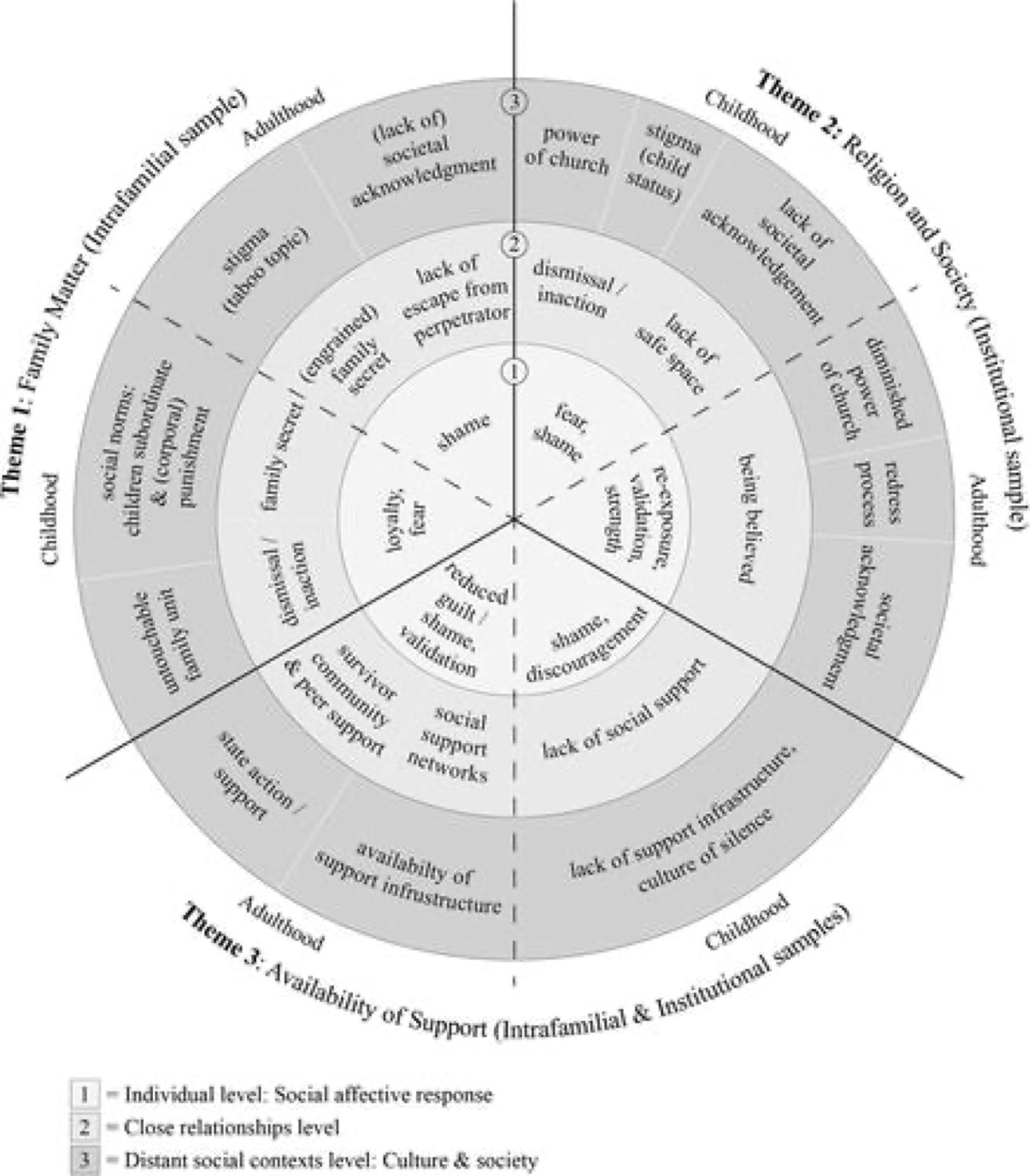
Table 2 — Overview of themes – disclosure-related factors and processes.
Family Mattera
The perception of the family as a social unit and the associated beliefs about family, which influenced the (non-)disclosure of childhood adversity in the intrafamilial sample.
- Dismissal or inaction linked to social norms and values about family and childhood (e.g., family unit as untouchable, children as subordinate, normalization of corporal punishment)
- Engrained beliefs about keeping the family secret and reluctance to be disloyal; transferred into adulthood, inability to escape perpetrator
- Death of perpetrator facilitated disclosure, free from secret, no repercussions/fears
- Public disclosure (e.g., book, campaign) to reduce secrecy and stigma, raise awareness
Religion and Society (Power of the Church)b
The position and influence of the church in Irish society at that time, and the later state and societal acknowledgment, which influenced the (non-)disclosure of childhood adversity in the institutional sample.
- Non-disclosure in childhood linked to the power of the church in society
- Forced non-disclosure during inspections
- Stigma, induced shame, and lack of acknowledgement/belief deterred disclosure
- Later life disclosure facilitated by diminished power of the church, state enquiry and redress process, and societal acknowledgment
Availability of Support
The opportunities for and access to support resources, (e.g., infrastructural support, social support), which influenced the (non-)disclosure of childhood adversity in both the intrafamilial and institutional samples.
- Lack of social and infrastructural support in childhood, culture of silence around child abuse
- Availability of social support (e.g., social network) and support resources (e.g., counseling, support groups, helplines) in adulthood facilitated processing and reduced shame/guilt
- Unique peer-support in institutional sample in adulthood (e.g., survivor-led organizations, support centres)
a Theme present only in the intrafamilial sample. b Theme present only in the institutional sample.
Family matter
The theme Family Matter describes the perception of the family as a social unit and the associated beliefs about family, which influenced the (non-)disclosure of childhood adversity in the intrafamilial sample. In childhood, 9/12 of intrafamilial participants experienced unsuccessful disclosure, as most disclosure attempts were met with disbelief, dismissal, or inaction. For instance, one participant was brought to hospital as result of the injuries sustained during sexual abuse. However, the evidence of the abuse was dismissed in favor of the perpetrator’s account and no action was taken:
But he raped me so bad I got a prolapsed womb. (…) I thought ‘finally, somebody’s gonna cop on [realise] here’. He [father – perpetrator] stood outside the cubicle while the doctor examined me. And that doctor knew exactly what he was looking at. (…) My father said ‘she’s at that age, I think she was playing with a stick or something’. And that was the end of that. (F03, female, 56)
A key factor in non-disclosure for intrafamilial participants was the need to maintain the family unit by keeping the “family secret” (F06, female, 53): “It was a secret in our family and that we couldn’t talk about it.” (F12, female, 57). This was linked to a sense of loyalty to the family: “You kind of feel, I can’t say anything to anybody, because you’re being disloyal” (F04, female, 56). This non-disclosure transferred into adulthood, as it was “engrained in me… from a young age, you just don’t speak about it.” (F06, female, 53). Non-disclosure in adulthood was also due to the lack of a distinct point of termination from the intrafamilial environment and the inability to escape the perpetrator. Consequently, the death of the perpetrator was often “the turning point” (F08, female, 53) for disclosure, as they no longer had to fear repercussions: “When he died, it kind of took away, there’s nothing to be fearful about.” (F04, female, 56). Participants felt freed from the instilled narrative of guarding the family secret: “Not to be living a secret life, or you know, nothing… Being able to talk.” (F11, female, 54). In contrast, the death of the perpetrator was not as significant for disclosure in the institutional sample, with only one participant mentioning the need to attend the funeral “to see, was the devil finally gone?” (I02, male, 50).
One unique instance of adulthood disclosure in the intrafamilial sample, by virtue of its public nature, was that of three sisters who disclosed via multiple platforms. They first disclosed in a court case against their father (perpetrator), which helped free them from long-internalized feelings of shame and stigma: “I think, as soon as we made the decision to prosecute (…) from that day on, I don’t think we held the stigma.” (F03, female, 56). They later disclosed by writing a book about their experiences, which helped them to process their abuse: “Writing your story absolutely is very good, ‘cause it’s like vomit, you’re purging yourself.” (F01, female, 62). They also started a public campaign to raise awareness about intrafamilial child abuse, speaking out and encouraging others to come forward, to remove the stigma and “secrecy, the normal that goes around with sexual abuse.” (F02, female, 57).
Religion and society (power of the church)
The theme Religion and Society (Power of the Church) describes the position and influence of the church in Irish society at that time, as well as the later state and societal acknowledgment, which influenced the (non-)disclosure of childhood adversity in the institutional sample. In childhood, around half (8/17) of the institutional participants reported non-disclosure or a prevailing reluctance to disclose as “they [the church] controlled everything. You couldn’t open your mouth about anything.” (I08, female, 61). Participants felt that they “actually had no safe haven” (I02, male, 50), due to the religious nature of Irish society and the power of the church at that time:
All the abuse went on and yet they went out into the world and were put up on pedestals. And the power that they had over us, and the power they had on the outside… nobody even asked a question. (I07, female, 66)
Approximately half (9/17) of institutional participants made at least one disclosure attempt in childhood. However, for the majority (8/9) the disclosure was unsuccessful, which many attributed to the power of the church, coupled with their (low) social status. At that time, an ecclesiastical society pervaded in Ireland: “It was religion for breakfast, religion for dinner, religion for supper.” (I10, female, 57). Religious figures were held in high regard, were believed to be morally irreproachable, and were involved in many aspects of society, including education, healthcare, and the institutions. In contrast, participants were considered to be “lower than any of the population in Ireland” (I02, male, 50) and experienced stigma and discrimination. Due to this power and social imbalance, participants felt they would not be believed: “We often complained, but the complaint always went over their heads. Because they were put in charge, these people were put in charge of us, and their word was taken over ours.” (I12, male, 63). Such was the power of the church in society that it fostered a culture of silence and complacency in which “a lot of people knew it [abuse] was going on, but they just turned a blind eye to it” (I16, female, 61). Few received help or acknowledgement after disclosure, which enhanced feelings of shame or guilt and deterred subsequent disclosure attempts: “I was made feel that I was the wrong one, I was the guilty one. And I mean, what a horrific thing to do to a young child that reached out for help.” (I07, female, 66).
In adulthood, the diminishing power of the church allowed survivors to come forward and disclose about their experiences. As a result, the state set up a commission and redress process to enquire into these reports and to financially compensate survivors. This also helped to initiate a public discourse on the issue: “All of us talking together about what happened, which we never did, until the [state] apology came out. I think that’s when people started talking.” (I16, female, 61). However, for some participants, the redress process was a negative experience of forced disclosure, in which they were urged to disclose and relive their abuse experiences: “But was it helpful to me? Because here was something I wasn’t ready to talk about. It was kinda forced on me.” (I11, female, 66). Another negative aspect of the increased exposure was related to gender perceptions, with one participant noting the difficulties in disclosing about sexual abuse as a man, in light of gendered expectations and stereotypes: “I could not talk to her [wife] about what happened to me. (…) ‘cause I felt I’d be less a man if I told her that I was raped when I was a kid.” (I02, male, 50). However, the media exposure and societal acknowledgment provided most participants with a sense of validation and understanding that they had not experienced in their youth: “Somebody is now talking about what happened to all of us. (…) And now I’m validated! (…) There wasn’t much exposure then, so you never knew whether they believed you or not.” (I09, female, 63). Several participants even described feelings of strength or resilience after later life disclosure:
I think that we’re coping better since we spoke out, since we said ‘you did this to us, you’ve done wrong to us, you imprisoned us, you slaved us’. I think that is where a lot of us are getting our strength… Because otherwise, we had that inside of us, it was locked in there.” (I07, female, 66).
Availability of support
The final theme Availability of Support describes the opportunities for and access to support resources, including infrastructural and social support, which influenced (non-)disclosure in both samples. In childhood, non-disclosure was reinforced by a lack of support services and social support, with participants stating that “nobody knew what to do with this whole issue. There was nowhere to turn, there was no supports, no resources” (F02, female, 57). Some participants related the lack of support to the culture of silence surrounding child abuse at that time: “Nobody talked about it [child abuse] then. So the culture back then was just like, silence really.” (F09, female, 52). Many participants described the stark contrast between their lack of support options and those available to children nowadays, such as “counselling and there’s people available in schools and elsewhere that you can talk to” (F06, female, 53); or being able to “pick up the phone now and ring ChildLine now or something, you know. That didn’t exist in my day.” (F09, female, 52). Institutional survivors also reflected on the improved formal support in welfare care: “Now you have caseworkers, and you have carers, and you’ve all this to help. I’d nobody.” (I09, female, 63).
In contrast to childhood, adulthood was marked by an increased availability of support resources for both groups, which facilitated disclosure. Social support was of utmost importance for both groups in adulthood, with participants creating their own support networks: “I’ve got very good friends now, a small group of very good friends that I could talk to about anything. And that was something I didn’t have as a child.” (F12, female, 57). Regarding support services, some institutional participants availed of state-funded counseling services to process their adversity experiences in later life: “When the state apology came out they offered counselling (…) what was nice about her [counsellor] is, she didn’t ask much, she just let me talk.” (I01, female, 50). Access to support infrastructure (e.g., counseling, support groups and centres) was crucial for disclosure in the intrafamilial sample, helping to address feelings of guilt or shame that they had carried since childhood:
I suppose it was kind of the counselling made me believe that none of it was my fault. You know, I always said we did something that made her [mother] beat us or hit us. But she [counsellor] made me believe that it was never my fault. (F12, female, 57)
The bond that we all have, right, and it’s stronger than some families. And it’s not so much that we made it that way, and it didn’t just happen… it is a direct result of where we were, how we were brought up. (I11, female, 66).
Discussion
This study examined trauma disclosure in survivors from two childhood adversity contexts, i.e., intrafamilial and institutional, by applying a socio-interpersonal perspective. The findings indicate a childhood characterized by unsuccessful disclosure and non-disclosure in both samples, with increased disclosure in adulthood. Three themes identified disclosure-related factors and processes relevant for both samples (e.g., shame, inaction, lack of infrastructural and social support, societal acknowledgement); as well as context-specific findings (e.g., engrained family secret in the intrafamilial sample, power and influence of the church in the institutional sample). These findings highlight the interplay of factors across socio-interpersonal levels to influence (non-)disclosure (Maercker & Horn, 2013).
Childhood non-disclosure in both samples was linked to feelings of shame, perpetuated by the predominating cultural norms and social values in Ireland at that time (e.g., children as subordinate, culture of silence surrounding child abuse), and the associated disbelief or inaction of individuals in the community. These findings are supported by culturally focused research by Fontes and Plummer (2010), which was triangulated with data from clinical cases. Results identified socio-cultural barriers to disclosure, including the centrality of shame and the taboo of discussing sexuality or abuse (Fontes & Plummer, 2010). Consistent with the socio-interpersonal framework model (Maercker & Horn, 2013), the current findings support the idea that socio-cultural factors play a role in the disclosure of child abuse as part of the complex interaction with individual and interpersonal factors.
In addition to shared factors, the dynamics of disclosure in the current study also revealed divergent characteristics in the two samples, emphasizing the importance of a context-sensitive perspective of disclosure. The first theme, Family Matter, identified several disclosure-related factors specific to the intrafamilial adversity context. The experience of childhood adversity was framed by the social value of the family unit as untouchable (i.e., distant social contexts level; Maercker & Horn, 2013), often resulting in inaction following (unsuccessful) disclosure. This is supported by international research on social norms related to violence against children, which found that not interfering in family affairs is a behavioral social norm deeply rooted in normative beliefs and social expectations (United Nations International Children’s Emergency Fund (UNICEF), 2016). Given that such norms can influence the (lack of) response to child abuse, further research is needed on this much-neglected socio-cultural aspect of childhood adversity disclosure.
A critical barrier to intrafamilial disclosure was the complexities of the familial relationship, with participants not speaking out for fear of breaking apart the family or feelings of (dis)loyalty (i.e., individual and close relationships levels; Maercker & Horn, 2013). This is consistent with research on child sexual abuse by Collin-Vézina et al. (2015), which showed that a fear of being removed from the parents was a critical barrier to disclosure. Similarly, an interview study with survivors of intrafamilial child sexual abuse found that the desire to protect relationships with family members and the need to present a normative family- and self-identify were common rationales for concealing the abuse (Tener, 2018). Adding to this multi-layered issue, unique to the intrafamilial sample was the inability to escape the adverse environment due to the familial connection and the ongoing physical or emotional presence of the perpetrator. Consequently, the death of the perpetrator represented a key facilitator for disclosure. This is consistent with a recent study on grief experiences and child sexual abuse, in which the death of the abuser was associated with a sense of freedom to speak out (Lin et al., 2021). While the current findings hint at the complexity of the child-perpetrator dynamic, the death of an intrafamilial perpetrator can be associated with conflicting emotions, complicated feelings of loss, and possible changes to the survivor’s (self-)identity within the family system. Therefore, future in-depth studies are required to better understand and support the intricate process of intrafamilial child abuse disclosure.
The second theme, Religion and Society (Power of the Church), identified disclosure-related factors specific to the institutional adversity context. Given the religious-run nature of the institutions, the power of the church in society was a key barrier to childhood disclosure. This is in line with research by Spröber et al. (2014) with survivors of child sexual abuse in religious institutions in Germany. The results identified factors conducive to the occurrence of repeated sexual abuse over long time periods, including societal assumptions about the rights of children (e.g., few rights, regular practice of corporal punishment), and the nature of institutional structures (e.g., hierarchical power structures and dependence, credibility bias in favor of authority figures) (Spröber et al., 2014). In the current study, the pervasiveness of religious values in Irish society, and specifically the prohibited discourse regarding sex, hindered the disclosure of (sexual) abuse in both groups. This may reflect the connection between religion and national identity in 19th and 20th century Ireland, and the establishment of the church within various social sectors, which may have contributed to the high levels of adherence to church teachings (Féich & O’Connell, 2015; McLoone-Richards, 2012).
In adulthood, a meaningful difference between the two samples was the level of societal acknowledgment (i.e., distant social contexts level; Maercker & Horn, 2013) for institutional survivors, compared to survivors of intrafamilial abuse. This may be due to the public nature of the topic. The state action on institutional abuse and related media attention increased society’s exposure to and understanding of the issue, encouraging survivors to come forward. Although societal acknowledgement was lacking for intrafamilial abuse survivors, a notable exception was the three sisters who wrote a book about their experiences and launched a public campaign to raise awareness for survivors of intrafamilial child (sexual) abuse. Given the beneficial effect of social acknowledgement and disclosure (e.g., Mc Gee et al., 2020), a key action point to facilitate disclosure and improve outcomes may be to increase social awareness and acknowledgment of intrafamilial child (sexual) abuse.
The last theme, Availability of Support, identified the (lack of) support as important for disclosure, regardless of the adversity context. Both samples reported the lack of social support (i.e., close relationships level) and infrastructural support (i.e., distant social contexts level; Maercker & Horn, 2013) to be a barrier to disclosure in childhood. Whereas in adulthood, an increased availability of support resources created opportunities for disclosure. This is consistent with previous research on the impact of perceived social support after child (sexual) abuse (e.g., Collin-Vézina et al., 2015). A unique finding from the current study was the importance of peer support for institutional survivors (i.e., close relationships level; Maercker & Horn, 2013), as their shared adversity experiences facilitated disclosure. This is in line with recent research by Sheridan and Carr (2020), which found that interactions amongst survivors that provided enduring support, authentic relating, and acceptance of life experiences was an aspect of posttraumatic growth after institutional child abuse. The current findings further suggest that the collective trauma experience and subsequent sense of community and peer support can also facilitate disclosure and empowerment for survivors.
Regarding the implications, the findings can offer guidance for future research and clinical practice in relation to establishing safe environments for the disclosure of potentially traumatic or stigmatizing information, such as child abuse. There is a need for psychotherapeutic (and research) approaches that are sensitive to the socio-cultural influences on disclosure (e.g., culture of silence, sexual abuse as a taboo topic), as well as adversity context-specific challenges (e.g., engrained religious or familial beliefs). Furthermore, the success of peer-support and survivor-run networks for institutional survivors may indicate an opportunity to incorporate survivor-led initiatives into clinical practice, such as peer-assisted counseling (Konya et al., 2020). This could help increase engagement with psychosocial support services for survivors of child abuse. At a policy level, the findings indicate a necessity for psychoeducation programs and public campaigns to address underlying detrimental social and cultural norms, such as the normalization of domestic violence, and the stigma and silence surrounding child abuse (Powell & Scanlon, 2015). This may be particularly relevant for increasing societal acknowledgement and facilitating disclosure of child (sexual) abuse in an Irish context, given the historically prohibited public discourse on this topic (McLoone-Richards, 2012). Additionally, some institutional survivors reported feeling unprepared or forced into disclosure during the state enquiry and redress process. This could inform future handling of such investigative or forensic cases, by prioritizing therapy-accompanied disclosure as part of the process (Alaggia et al., 2019). Finally, as the lack of support infrastructure was a barrier to childhood disclosure, increased funding to facilitate access to support services and resources is crucial for creating avenues for disclosure.
The results should be viewed within the context of the study limitations. First, the retrospective study design may lead to recall biases (Althubaiti, 2016), indicating a need for future prospective studies on the disclosure of child abuse in various adversity contexts. Second, despite extensive efforts to recruit more male participants, the intrafamilial sample was predominantly female. One explanation, as raised by a study participant, could be the negative stereotypes and expectations surrounding masculinity that can prevent or delay disclosure in men (e.g., Collin-Vézina et al., 2015). To better reflect male (intrafamilial) child abuse and disclosure experiences, future studies should assess more gender-balanced samples, with targeted recruitment of male survivors. Third, the opt-in approach can lead to a self-selection bias. This can be particularly problematic for a study on disclosure of child abuse, as those who have not disclosed may be less likely to participate. Future studies using anonymous online quantitative or qualitative survey research may encourage participation and disclosure on such sensitive topics (Braun et al., 2021). Despite these limitations, this study offers a valuable contribution on the disclosure of child abuse by adopting a qualitative comparative approach and an encompassing socio-interpersonal perspective. To the best of the authors’ knowledge, this is the first study to apply the socio-interpersonal framework (Maercker & Horn, 2013) to map (individual, interpersonal, and socio-cultural) disclosure-related factors in Irish survivors of intrafamilial and institutional child abuse.
Conclusion
Three themes depicted factors and processes related to the disclosure of child abuse across different socio-interpersonal levels (Maercker & Horn, 2013). In childhood, intrafamilial and institutional survivors experienced shared barriers to disclosure, including a lack of infrastructural and social support, feelings of shame compounded by suppressive social and cultural norms, and the inaction of individuals or communities. In the intrafamilial sample, engrained feelings of family loyalty and an inability to escape the adverse environment fostered non-disclosure, which transferred into adulthood. Whereas in the institutional sample, childhood non-disclosure was influenced by the power of the church in society, with disclosure increasing in adulthood in line with the diminishing influence of the church and the heightened societal acknowledgment. As disclosure can represent an initial step toward dealing with childhood adversity and the receipt of appropriate support, understanding the barriers to and facilitators of successful disclosure is of utmost importance for research and practice. Above all, these findings emphasize the necessity of considering not only the factors related to the child-perpetrator relationship, but also the complex social, cultural, and interpersonal contexts within which the individual is embedded.
Complexe Systémique: key points
The study’s interest lies in its shift of perspective: disclosure is not an individual act of courage but a relational event that depends on who is listening, on what the family and society allow to be said, and on timing. In families, loyalty and secrecy, sustained by the ongoing presence of the abusive person, lock speech away until adulthood, sometimes until that person’s death. In institutions, it was the prestige of the Church that made disclosure unbelievable, and public acknowledgement that made it possible, sometimes at the cost of forced disclosure. For clinical practice, a therapeutic setting alone is not enough to make speaking possible: loyalties, alliances and context need to be worked with, and support should be offered in procedures that demand an account. The limits are those of a retrospective study of 29 older volunteers, overwhelmingly women in the family group, in the Ireland of a specific era. Read alongside the article on the management of disclosure in children’s accounts, and the article on family secrets as entry points.
Notes from the original
Ethical standards and informed consent. The study protocol was approved by both the Ethics Committee of the Faculty of Arts and Social Sciences in the University of Zurich, Switzerland (ID 18.6.1); and the Human Research Ethics Committee—Humanities in University College Dublin (ID HS-18-30-Carr). The study was conducted in compliance with the Declaration of Helsinki.
Acknowledgements. The authors wish to thank all interview participants who generously shared their experiences for this study. We would also like to thank Clodagh Cogley, Nathalie Golec, Tina Tanner, Penelope Adams, and Flavia Eigenmann for their assistance in conducting the study. This study was also supported by the University Research Priority Program (URPP) ‘Dynamics of Healthy Aging’ at the University of Zurich.
Disclosure statement. The authors have no conflict of interest to declare.
References
Alaggia, R., Collin-Vézina, D., & Lateef, R. (2019). Facilitators and barriers to child sexual abuse (CSA) disclosures: A research update (2000–2016). Trauma, Violence & Abuse, 20(2), 260–283. https://doi.org/10.1177/1524838017697312
Althubaiti, A. (2016). Information bias in health research: Definition, pitfalls, and adjustment methods. Journal of Multidisciplinary Healthcare, 9, 211–217. https://doi.org/10.2147/JMDH.S104807
Assink, M., van der Put, C. E., Meeuwsen, M. W. C. M., de Jong, N. M., Oort, F. J., Stams, G. J. J. M., & Hoeve, M. (2019). Risk factors for child sexual abuse victimization: A meta-analytic review. Psychological Bulletin, 145(5), 459–489. https://doi.org/10.1037/bul0000188
Audiotranskription. (2021). F4transkript (Version 7.0.6) [Computer software]. Dr Dresing & Pehl GmbH. https://www.audiotranskription.de/downloads/
Braun, V., Clarke, V., Boulton, E., Davey, L., & McEvoy, C. (2021). The online survey as a qualitative research tool. International Journal of Social Research Methodology, 24(6), 641–654. https://doi.org/10.1080/13645579.2020.1805550
Carr, A., Duff, H., & Craddock, F. (2020a). A systematic review of reviews of the outcome of noninstitutional child maltreatment. Trauma, Violence & Abuse, 21(4), 828–843. https://doi.org/10.1177/1524838018801334
Carr, A., Duff, H., & Craddock, F. (2020b). A systematic review of the outcome of child abuse in long-term care. Trauma, Violence & Abuse, 21(4), 660–677. https://doi.org/10.1177/1524838018789154
Collin-Vézina, D., De La Sablonnière-Griffin, M., Palmer, A. M., & Milne, L. (2015). A preliminary mapping of individual, relational, and social factors that impede disclosure of childhood sexual abuse. Child Abuse & Neglect, 43, 123–134. https://doi.org/10.1016/j.chiabu.2015.03.010
Derksen, T. (2010). The influence of ecological theory in child and youth care: A review of the literature. International Journal of Child, Youth and Family Studies, 1(3/4), 326–339. https://doi.org/10.18357/ijcyfs13/420102091
Féich, P. Ó., & O’Connell, M. (2015). Changes in Roman Catholic beliefs and practices in Ireland between 1981 and 2008 and the emergence of the liberal Catholic. Journal of Contemporary Religion, 30(2), 231–247. https://doi.org/10.1080/13537903.2015.1025551
Fontes, L. A., & Plummer, C. (2010). Cultural issues in disclosures of child sexual abuse. Journal of Child Sexual Abuse, 19(5), 491–518. https://doi.org/10.1080/10538712.2010.512520
Frattaroli, J. (2006). Experimental disclosure and its moderators: A meta-analysis. Psychological Bulletin, 132(6), 823–865. https://doi.org/10.1037/0033-2909.132.6.823
Guest, G., Bunce, A., & Johnson, L. (2006). How many interviews are enough?: An experiment with data saturation and variability. Field Methods, 18(1), 59–82. https://doi.org/10.1177/1525822X05279903
Guion, L. A., Diehl, D. C., & McDonald, D. (2011). Triangulation: Establishing the validity of qualitative studies. EDIS, 2011(8), 1–3. https://doi.org/10.32473/edis-fy394-2011
Hershkowitz, I. (2006). Delayed disclosure of alleged child abuse victims in Israel. The American Journal of Orthopsychiatry, 76(4), 444–450. https://doi.org/10.1037/0002-9432.76.4.444
Hertzman, C. (2013). The significance of early childhood adversity. Paediatrics & Child Health, 18(3), 127–128. https://doi.org/10.1093/pch/18.3.127
Höltge, J., Mc Gee, S. L., Maercker, A., & Thoma, M. V. (2018). Childhood adversities and thriving skills: Sample case of older Swiss former indentured child laborers. The American Journal of Geriatric Psychiatry: Official Journal of the American Association for Geriatric Psychiatry, 26(8), 886–895. https://doi.org/10.1016/j.jagp.2018.02.002
Kalmakis, K. A., & Chandler, G. E. (2015). Health consequences of adverse childhood experiences: A systematic review. Journal of the American Association of Nurse Practitioners, 27(8), 457–465. https://doi.org/10.1002/2327-6924.12215
Konya, J., Perôt, C., Pitt, K., Johnson, E., Gregory, A., Brown, E., Feder, G., & Campbell, J. (2020). Peer-led groups for survivors of sexual abuse and assault: A systematic review. Journal of Mental Health, Advance online publication, 1–13. https://doi.org/10.1080/09638237.2020.1770206
Lin, Y. Y., Servaty-Seib, H. L., & Peterson, J. (2021). Child sexual abuse survivors’ grief experiences after the death of the abuser. Omega, 83(4), 777–801. https://doi.org/10.1177/0030222819868107
Loinaz, I., Bigas, N., & de Sousa, A. M. (2019). Comparing intra and extra-familial child sexual abuse in a forensic context. Psicothema, 31(3), 271–276. https://doi.org/10.7334/psicothema2018.351
Lorenz, L., Perkonigg, A., & Maercker, A. (2018). A socio-interpersonal approach to adjustment disorder: The example of involuntary job loss. European Journal of Psychotraumatology, 9(1), 1425576. https://doi.org/10.1080/20008198.2018.1425576
Lueger-Schuster, B., Weindl, D., Kantor, V., Knefel, M., Glück, T., Moy, Y., Butollo, A., & Jagsch, R. (2014). Resilience and mental health in adult survivors of child abuse associated with the institution of the Austrian Catholic Church. Journal of Traumatic Stress, 27(5), 568–575. https://doi.org/10.1002/jts.21958
Maercker, A., Hilpert, P., & Burri, A. (2016). Childhood trauma and resilience in old age: Applying a context model of resilience to a sample of former indentured child laborers. Aging & Mental Health, 20(6), 616–626. https://doi.org/10.1080/13607863.2015.1033677
Maercker, A., & Horn, A. B. (2013). A socio-interpersonal perspective on PTSD: The case for environments and interpersonal processes. Clinical Psychology & Psychotherapy, 20(6), 465–481. https://doi.org/10.1002/cpp.1805
Mc Gee, S. L., Maercker, A., Carr, A., & Thoma, M. V. (2020). “Some call it resilience”: A profile of dynamic resilience-related factors in older adult survivors of childhood institutional adversity and maltreatment. Child Abuse & Neglect, 107, 104565. https://doi.org/10.1016/j.chiabu.2020.104565
McElvaney, R., Greene, S., & Hogan, D. (2014). To tell or not to tell? Factors influencing young people’s informal disclosures of child sexual abuse. Journal of Interpersonal Violence, 29(5), 928–947. https://doi.org/10.1177/0886260513506281
McHugh, M. L. (2012). Interrater reliability. Biochemia Medica, 22(3), 276–282.
McLoone-Richards, C. (2012). Say nothing! How pathology within Catholicism created and sustained the institutional abuse of children in 20th century Ireland. Child Abuse Review, 21(6), 394–404. https://doi.org/10.1002/car.2209
Müller, J., & Maercker, A. (2006). Disclosure und wahrgenommene gesellschaftliche Wertschätzung als Opfer als Prädiktoren von PTB bei Kriminalitätsopfern [Disclosure and perceived social acknowledgement as victim as PTSD predictors in crime victims.]. Zeitschrift Für Klinische Psychologie Und Psychotherapie: Forschung Und Praxis, 35(1), 49–58. https://doi.org/10.1026/1616-3443.35.1.49
Powell, F., & Scanlon, M. (2015). Dark secrets of childhood: Media power, child abuse and public scandals (1st ed.). Bristol University Press.
Ritchie, J., & Spencer, L. (1994). Qualitative data analysis for applied policy research. In A. Bryman & R. Burgess (Eds.), Analyzing qualitative data (pp. 173–194). Routledge.
Sheridan, G., & Carr, A. (2020). Survivors’ lived experiences of posttraumatic growth after institutional childhood abuse: An interpretative phenomenological analysis. Child Abuse & Neglect, 103, 104430. https://doi.org/10.1016/j.chiabu.2020.104430
Spröber, N., Schneider, T., Rassenhofer, M., Seitz, A., Liebhardt, H., König, L., & Fegert, J. M. (2014). Child sexual abuse in religiously affiliated and secular institutions: A retrospective descriptive analysis of data provided by victims in a government-sponsored reappraisal program in Germany. BMC Public Health, 14(282), 1–12. https://doi.org/10.1186/1471-2458-14-282
Stoltenborgh, M., Bakermans‐Kranenburg, M. J., Alink, L. R. A., & van IJzendoorn, M. H. (2015). The prevalence of child maltreatment across the globe: Review of a series of meta‐analyses. Child Abuse Review, 24(1), 37050. https://doi.org/10.1002/car.2353
Tener, D. (2018). The secret of intrafamilial child sexual abuse: Who keeps it and how? Journal of Child Sexual Abuse, 27(1), 1–21. https://doi.org/10.1080/10538712.2017.1390715
United Nations International Children’s Emergency Fund (UNICEF). (2016). Analysis of social norms in relation to violence against children. https://www.unicef.org/georgia/reports/analysis-social-norms-relation-violence-against-children
VERBI GmbH. (2020). MAXQDA [Computer Software]. www.maxqda.com
World Health Organization (WHO). (2020). Adverse Childhood Experiences International Questionnaire. https://www.who.int/publications/m/item/adverse-childhood-experiences-international-questionnaire-(ace-iq)
Reformatted republication of A socio-interpersonal perspective on the disclosure of childhood adversity: A qualitative comparative approach in Irish survivors, by Shauna L. Rohner, Aileen N. Salas Castillo, Jessica Michel, Andreas Maercker, Alan Carr and Myriam V. Thoma, Journal of Family Trauma, Child Custody & Child Development, vol. 20, no 4 (2023), doi: 10.1080/26904586.2023.2177234, under a CC BY 4.0 licence. Edition and layout: Complexe Systémique, September 2026 — the work has been modified under the terms of the licence (tables presented as lists). Neither the authors nor the publisher are responsible for this edition; the original version prevails.
This is the original article “A socio-interpersonal perspective on the disclosure of childhood adversity: A qualitative comparative approach in Irish survivors”, published in Journal of Family Trauma, Child Custody & Child Development (2023) under a CC BY 4.0 licence. Republished by Complexe Systémique: the author’s text is unchanged; only the presentation has been adapted for reading online, as set out at the head of this page.
Read the original articleHow to cite this article
Rohner, S. L., Salas Castillo, A. N., Michel, J., Maercker, A., Carr, A., et Thoma, M. V. (2023). A socio-interpersonal perspective on the disclosure of childhood adversity: A qualitative comparative approach in Irish survivors. Complexe Systémique. https://app.complexe-systemique.com/en_GB/articles/a-socio-interpersonal-perspective-on-the-disclosure-of-childhood-adversity-a-qualitative (Original work published in 2023 in Journal of Family Trauma, Child Custody & Child Development, 20(4), 507-527 (2023); republished in 2023 by Journal of Family Trauma, Child Custody & Child Development, https://www.tandfonline.com/doi/full/10.1080/26904586.2023.2177234)
To go further
- La gestion de la révélation dans les récits d’enfants sur la violence domestique : pratiques du dire et du ne pas direTelling and not telling.
- Au-delà de la surface : une exploration des secrets de famille comme portes d’entrée vers des dynamiques familiales complexesFamily secrets.
- Briser la « culture du silence » : le regard de thérapeutes sur la psychothérapie systémique culturellement sensible en contexte sociopolitique contesté. Une étude de cas en Irlande du NordThe culture of silence.
Related articles
 Article
 The Role of Parental Expressed Emotion and Loss-Specific Parental Responses in Children’s Loss-Related Outcomes Following Traumatic Loss: A Mixed-Methods Observational Study
After a road-traffic bereavement, parental criticism goes with the child's depression, positive appraisals of the loss with better well-being.
 Article
 Implementing Family Group Decision-Making within statutory child protection social work in Scotland: Challenges and opportunities
Family group decision-making offered automatically in Scottish child protection: families find a voice, social workers doubt the plans, and everyone wants it offered earlier.
 Article
 How Venezuelan mothers and their young children use storytelling to process immigration journeys
Seven Venezuelan mothers tell their young children about crossing the Darién: shared memories or superhero tales, six ways of facing fear together.
 Article
 Parenting after critical illness: a biopsychosocial review of post-intensive care syndrome, family systems, and child outcomes
After post-intensive care syndrome, parenting falters, the co-parent is worn down and children help in silence. A biopsychosocial review proposes how to spot them.