AI-assisted translation
This version was translated from Portuguese by Complexe Systémique with the help of artificial intelligence. In case of doubt, the original version prevails.
Revista Brasileira de Terapia Familiar · Transgenerational
The generational transmission processes and systemic understanding of different issues
Why do the same forms of violence, the same silences and the same dependencies return from one generation to the next? Maria Aparecida Penso and Liana Fortunato Costa revisit the tools of transgenerational thinking (myth, rituals, memory, delegation, family loyalty) and test them against sexual victimization, sexual offending, juvenile offending and drugs. They show how the genogram, built in multifamily groups with families referred by the courts, becomes both information and intervention.
Unofficial English translation. This article is a translation of Os Processos de Transmissão Geracional e a Compreensão Sistêmica de Diferentes Problemáticas, by Maria Aparecida Penso and Liana Fortunato Costa, published in the Revista Brasileira de Terapia Familiar (ABRATEF), vol. 2, no. 1 (2010), doi: 10.60114/rbtf.v2i1.112, under a CC BY 4.0 licence. Translated by Complexe Systémique in November 2026 with the help of artificial intelligence: the original Brazilian Portuguese text has been translated into English and reformatted, which constitutes a modification of the work under the terms of the licence. Paragraphs and headings are those of the journal; the quotation from Castilho is set as a block quote; the authors’ biographical footnotes are included in the presentation. The abstract is the authors’ own English version. This translation was made neither by the authors nor by the journal, who are not responsible for its content or for any errors. The original version prevails.
We believe that sharing facts, ruptures, conflicts, separations, loves and hatreds opens up a possibility of preventing the repetition referred to above.
Maria Aparecida Penso, Liana Fortunato Costa
Abstract
This article presents concepts about generational transmission as an indispensable tool to understand the familiar relations throughout generations, in addition to the dynamics of the nuclear family. We describe the concepts of familiar myths, familiar rituals, familiar memory, familiar delegation and loyalty as the conductors of the generational transmission processes. We present the utilization of these concepts and how they help for the better understanding of certain issues: sexual victimization, sexual offense, infringing act and drugs. We conclude with our experience which has been construed in situations of attending families involved in these themes and were submitted to attendance “under obligation”. To this end we utilized the Multifamiliar Group method and privileged the construction of the Genogram which supplies information about the repetitions of the violence patterns and improper use of chemical substance in addition to the knowledge of the familiar history.
Keywords: generational transmission; genogram; multigenerational transmission; family.
In our practice as therapists and researchers, we have been working with the concepts of generational transmission for more than twenty years. In 2008 we edited a book entitled A Transmissão Geracional em Diferentes Contextos: Da Pesquisa à Intervenção (Penso & Costa, 2008), in which we brought together theoretical works and accounts of intervention experiences, our own and those of colleagues, as well as research on the use of the transgenerational approach in different areas. Our main aim was to gather knowledge on understanding the transgenerational dimension in different contexts, with studies and experiences grounded in the Brazilian reality, since little had been written on this subject in Portuguese.
In this article, we intend to present in summary form what we set out in that book, as well as the advances we have made through later studies, which have strengthened our understanding of the importance of this approach, whether in clinical work or in research (Brandão & Costa, 2005; Costa, Gramkow, Santana & Souza, 2005; Costa, Penso & Almeida, 2007; Penso, Costa & Almeida, 2005; Penso, Ramos & Gusmão, 2005; Penso & Costa, 2008; Penso, Costa & Ribeiro, 2008; Penso & Neves, 2008; Penso, Costa & Sudbrack, 2008; Penso & Morais, 2010; Penso & Silva, in press).
We will first present a brief theoretical review of the concepts of generational transmission and the genogram, and then report the results of research in which these concepts have been used, by us and by colleagues, to understand family dynamics across generations.
The process of generational transmission: theoretical foundations
The generational transmission perspective works from the assumption that the family has a history that goes beyond the nuclear family and involves the extended family. The multigenerational or transgenerational point of view was introduced into family therapy by Murray Bowen, at the National Institute of Mental Health (NIMH), in 1954. He sought to organize the history of the family of origin in what he called the “family diagram”, and in a 1972 publication Philip Guerin renamed this diagram the genogram (Nichols & Schwartz, 1998). In short, the genogram gives priority to the transgenerational dimension, seeking to understand how family stories repeat themselves and how each generation bears its share of responsibility both for this repetition and for its transformation.
Since it was devised, the genogram has been used to visualize family relationships, making it possible to map them in two directions, vertical and horizontal. The horizontal plane concerns the family’s current context, and the vertical plane concerns the historical dimension of the generations. In other words, we can understand relationships from a historical point of view by building a story that reveals the family’s transitions and the processual and contextual changes of the families that coexist at a given time. On the other hand, dynamic relationships also reveal the functioning and organization of the family, in short, the foundations of the family’s relational game. Synchronic and diachronic affective games become expressively and unmistakably visible to a practised professional eye (Ceberio, 2004).
As an assessment tool, the family tree brings out alliances, coalitions, triangulations, hierarchies, mandates, crises and signs of secrets, making possible a systemic reading of the family that takes in the structure and organization of this system. This reading then allows a kind of “prediction” of events that recur and that point to plots and secrets not yet uncovered. Finally, the genogram has been widely used by many family therapists as a therapeutic tool, in both family and individual therapy. This is due to the revealing “power” of the information it yields about the rules of family functioning, about conflicts and about which family members are involved in them. These aspects are also the main topic of conversation in the great majority of therapies.
In two of his works, Bowen (1976, 1991) sets out his theory in detail, arguing that the constitution of the subject and of their current family is marked by their family history, across the different generations, in a process of repetition of relationship patterns that he named “multigenerational transmission”. This concept describes the transmission of the family’s levels of differentiation of self across multiple generations, and carries emotional illness beyond the individual and their nuclear family to several past generations. As Nichols and Schwartz (1998) state: “The family problem is the result of a multigenerational sequence in which all family members are both agents and reactors” (p. 314). In this sense, the degree of differentiation of self is the result of a family process, transmitted across generations, which helps us understand movements of separation and belonging in families.
This transmission process, which leads to the repetition of relationship patterns, is especially visible in marital relationships, which led some family therapists to develop models of couple therapy that include the families of origin. According to Framo (2002), the use of the family of origin as a therapeutic resource in family, couple and individual therapy is the logical outcome and clinical application of the idea that hidden transgenerational forces exert a critical influence on current intimate relationships. Three generations must therefore be included in work with couples or families. For Framo, current marital, personal and parental difficulties are reparative efforts aimed at correcting, controlling, defending against and erasing old and disturbing relational paradigms linked to the family of origin. The family-of-origin method is thus fundamental to all kinds of therapy: family, couple, couples group and divorce therapy.
Carter and McGoldrick (1995), influenced by the concepts of Bowenian theory, enriched their work on the distinct phases of the current family life cycle by going further into the concepts of generational transmission. They worked from the hypothesis that, at each phase of the life cycle, the resolution of its emotional processes and the completion of its tasks reactivate the transgenerational rules and relationship patterns of the different families of origin, varying with each parent’s family myths (Miermont et al., 1994; Preto, 1995). While recognizing the dominant pattern of the nuclear family, these authors regard it as an emotional subsystem reacting to past relationships, on the basis of its mythical model, which runs through the generations.
Some concepts are therefore important for understanding the processes of multigenerational transmission: family myth, family rituals, family memory, delegation and family loyalty. We discuss each of them below. The concept of family myth was introduced into family therapy four decades ago by Ferreira (1963). It assumes that, just as society creates myths that justify its existence, the family also has a mythical model that guarantees its internal cohesion and external protection. Since then, this concept has been taken up by various authors who work with families, in their search to understand how families function: Andolfi and Angelo, 1988; Ausloos, 1984; Benoit, 1997; Bucher, 1985, 1986; Neuburger, 1999; Selvini-Palazzoli, 1978; Watzlawick, Beavin and Jackson, 1981.
Bucher (1985), studying Ferreira’s work, proposes that the family myth is a system of beliefs that defines each person’s roles and attributions in family relationships. She adds that these convictions are shared by all members of the family and accepted a priori, even when unrealistic, as something sacred and taboo; they maintain group cohesion and reinforce the maintenance of each member’s social roles. Their function, therefore, is to prevent the destruction and deterioration of the family system.
This definition is very broad and shows that the family myth is present in all families, constituting the cement that gives the family group a sense of identity (Neuburger, 1999). The myth therefore defines the rules, beliefs and roles within the family, dictating how it functions and maintaining its cohesion (Rosa, 1997). Each family will thus build its mythology on the genetic, cultural and historical singularities of each of its members (Miermont et al., 1994).
What allows the myth to be transmitted are family memory and rituals, two interconnected and interdependent family movements. It is family memory that guarantees the symbolic reproduction of the family across the generations, recalling the founding myth of the family unit (Bucher, 1985, 1986). This means that families select what they consider important to be shared by all their members, and this information is passed on throughout the family life cycle and across the generations. In its paradoxical dimension, memory transmits a content of information, but it also manages what is better forgotten in order to ensure family continuity (Neuburger, 1999).
As rituals are performed, family memory is recovered, and the experience of being together is thereby validated, while the aspect of successive transformations is also highlighted, supporting the meanings each person gives them. Rites are shaped by the rules established by the family and are responsible for the outward expression of family habits (Krom, 2000).
Family memory allows the family to define rituals that organize the interpersonal relationships of its members. These rituals are products of tradition: transmissible and sanctioned by the group, they give outward expression to habits anchored in family rules, and their main function is to transmit and perpetuate the family myth (Andolfi & Angelo, 1988; Bucher, 1985). For Neuburger (1999), family memory is essentially a process of selecting what is better forgotten and what must be remembered in order to sustain, maintain and transmit the myth of a family group.
By perpetuating the family myth, rituals help to maintain family identity, marking the normative transitions of the family life cycle and helping family members to manage and resolve conflicts, since they make it possible to express emotions (Imber-Black, 1995). However, just as rites are important and useful for the survival of the family system, they can also be highly destructive if they become too rigid and closed to change.
We can therefore say that myths, perpetuated and updated by rituals and defined on the basis of family memory, maintain the unity of the system, giving it a sense of its own identity over time and across generations. This dynamic process can be represented and understood through the construction of the genogram and the exploration of the process of transgenerational transmission, with its repetitions, updates and possibilities for transformation.
In studying family myths and their transmission through family memory and rites, we observe that they delegate to each family member a very precise role and destiny. Delegation is the anchoring point for the obligations passed on to us across the generations. It gives direction and meaning to our life, and it is a necessary and legitimate process (Miermont et al., 1994; Stierlin, Rücker-Embden, Wetzel & Wirsching, 1981). Delegation is the expression of a natural process that is indispensable for building identity, and it varies with family history. Difficulties arise when the person to whom something is delegated does not yet have the maturity or the characteristics needed to take on the missions delegated to them, which disturbs their psychosocial development. Or, again, when there are contradictory and irreconcilable delegations.
The concept of delegation is linked to that of family loyalty, which Boszormenyi-Nagy and Spark (1983) define as a motivational fabric, typically dialectical, with multipersonal roots, which implies the existence of structured group expectations to which all members are committed; it thus has a strong component of ethical obligation. It is therefore a fundamental concept for understanding the deepest structuring of families. Loyalty implies a ledger of family merits that becomes the yardstick of the family’s idea of justice within the family sphere (Simon, Stierlin & Wynne, 1988). The ledger of merits is a term used by Boszormenyi-Nagy and Spark (1983) to define what each member can expect to receive from the family and what each must give to it.
Krom (2000) states that what has been bequeathed to us has a powerful influence on our whole life. These contents, identified as “invisible loyalties”, refer to the existence of structured expectations towards which everyone in the family makes commitments. She suggests that they can be pictured as a great book with torn edges and aged writing in old arabesques, in which family credits and debts are recorded, establishing tyrannical connections between past and future generations and creating the expectations that influence us.
As noted above, the delegation contract presupposes the existence of an ethics within families. Good family relationships include ethical behaviour and consideration for the well-being and interests of each member. Such a stance presupposes loyalty, which, together with trust, provides the glue that holds families together and is very important for their survival (Nichols & Schwartz, 1998). But in some cases loyalty may come at the cost of exploiting family members, marked by an unfair balance between giving and receiving.
Understanding the transgenerational dimension in different issues: sexual victimization, sexual offending, juvenile offending and drugs
Sexual victimization – Processes of generational transmission can be observed in the study of different issues. As regards sexual victimization, we find that lack of protection and exposure to risk situations are repeated across generations. Adults repeat with the children and adolescents in their care the patterns of upbringing and protection they received from their own parents. Several studies address the transgenerational dimension in cases of intrafamilial sexual violence (Barudy, 1998; Cirillo & Di Blasio, 1991; Perrone & Nannini, 1997; Ravazzola, 1997).
These situations of sexual violence, particularly those occurring incestuously between close relatives, draw attention because they present a characteristic feature that deserves careful and in-depth reflection. They involve a family dynamic that clearly shows us at times the processes of socio-economic and cultural change undergone over four or five decades, and at times the rigidity of some elements that run through several different and successive generations. In this curious play between changing and remaining the same, we note that the axes that prove deepest and most crystallized, and that sustain intrafamilial relationships of affection, power and authority, are precisely those that favour the almost automatic repetition of sexual violence within the family.
In a study of situations of sexually victimized children and adolescents and their families, seen in Multifamily Groups, Penso, Costa and Almeida (2005) also discuss aspects of transgenerational transmission. One finding of this study concerns the perpetuation, across generations, of stories of violence committed by emotionally close men, bringing back situations of great suffering for mothers and grandmothers. According to these authors, mothers and women are as if paralysed when they learn of the abuse and react as they learned to in their families of origin, unable to place themselves as protective shields between these men and their daughters. In this sense, therapeutic work makes it possible to rework the roles of protector and caregiver with the parents, through a process of rethinking their own histories, specifically the experiences lived in the role of daughter.
Sexual offending – In the family configuration of adolescent sex offenders too, when we look for transgenerational structures, we perceive episodes of broken emotional bonds between generations, often prompted by violence against family members, neglect and abandonment of children, and situations of incarceration. In these circumstances, building the genogram requires great skill on the part of the researcher or therapist, in order to obtain accurate information and to work around the family’s possible difficulties in giving information about other members who have been or are convicted and/or held in closed custody.
Baker, Tabacoff, Tornusciolo and Eisenstadt (2003) identified in the family histories of these young people lies, secrets, myths and a very interesting aspect: the presence of socially rejected behaviour, for example behaviour that is taboo in our milieu. We have observed that sexually victimized children and adolescents, or adolescent sex offenders, have easy access to sexual material, such as pornographic videos watched together with the rest of the family, showing little differentiation between what is fitting and appropriate for each generation. The myth of family unity is extremely powerful, and the family explains its transgressions by the need to defend family unity. Oliver (2007) points out that these families show no particular care for children and adolescents in passing on guidance on sexual matters.
Analysis of the genogram also shows us that violence is a form of contact and of conflict resolution, but that it comes to be camouflaged and disguised in other garb, in a process that covers up the true meaning of the violence. The violence belongs not only to the adolescent, but also to the family and to the environment with which both are in contact.
Juvenile offending and drugs – We always address the topic of offences committed by adolescents in connection with the question of drug misuse. From the perspective of family study, drug use is a substitute mechanism in an attempt at a balance that cannot be achieved within the family system with regard to the adolescent’s autonomy, resulting in pseudo-individuation (Marcelli & Braconnier, 1989; Stanton, Todd et al., 1988). In other words, it is an inappropriate attempt by a family member to negotiate their emancipation from the family system, which results in repetitive cycles of leaving and returning to the parental home (Silvestre, 1991). Similarly, Sudbrack (2003) states that work with adolescents and their families has shown that drug use is a thwarted attempt at separation, lived in the form of violent ruptures that end in fusional reconciliations.
The characteristics of the dynamics of these families that may lead to drug use, as a way of living out the adolescent’s movement of separation from the family, can be perceived in the construction of the transgenerational history. Many studies point to the importance of understanding transgenerational aspects in drug use problems. Cirillo, Berrini, Cambiaso and Mazza (1997) propose a model for understanding family dynamics based on reconstructing the histories of the parental figures’ families of origin. In the experience of these authors, the father’s history is in most cases laden with suffering, in that he was deprived of his own father’s contribution during his childhood or adolescence and had an early passage into adult life. This is a serious obstacle to the performance of his paternal role. The mother’s history, in turn, shows that she is a prisoner of a fragile and disturbed relationship with her own mother, on whom she remains dependent, both concretely and emotionally, which prevents her from exercising her maternal role.
Castilho (1994) also gives a very interesting description of the transgenerational dynamics present in these families:
In these families I observe very immature fathers, dependent on the power structure of their families of origin. Often disqualified or overprotected by their families, the fathers come to exercise power in an authoritarian way, though often not explicitly, or they delegate power to someone else, keeping their position as sons. The mothers maintain with their husband, or with the father of their children, the figure of power they need in order to feel protected or to keep up their melancholic states; in short, a figure that keeps them married to their families of origin (Castilho, 1994, pp. 126-127).
Drug use therefore needs to be understood from a perspective that includes the histories of the parents’ families of origin, in a process of multigenerational transmission described by Bowen (1976, 1991), which occurs in all families and makes all their members co-participants in one and the same process, which may or may not be pathological.
A thorough knowledge of previous families can help us understand that in a family there are neither angels nor demons. All are human beings, with their strengths and weaknesses, with reactions that are predictable according to the emotional impact of the moment, and each of them tries to give the best of themselves during their life (Bowen, 1991, pp. 99-100).
Final considerations
To conclude, we would like to add that our experience has been built in situations of direct work with families involved in these issues and referred by various judicial bodies for therapy “under obligation”. In the great majority of cases they are low-income families, living on the urban periphery, with large gaps in schooling and difficulty getting about, and dependent on government income-support programmes. We have therefore sought to organize our presence in the community taking into account the socio-economic conditions of these families, the nature of the conflicts and their involvement with institutions (social assistance, health or justice). The main tool for working in this context of families without a request for help has been the Multifamily Group. This form of intervention has been known for a long time, so that we have already been able to systematize our experience and propose an adaptation to these issues in several publications: Costa, Penso and Almeida (2005); Costa, Penso, Almeida and Ribeiro (2008, 2009).
What we wish to add is that the transgenerational dimension is a privileged and fundamental moment in work with families, considered as a whole, but also in work with the subgroups of children, adolescents and adults, when they are seen separately. Building the genogram together with all family members not only provides valuable information about the repetition of patterns of violence and substance misuse, but also offers a unique moment of getting to know the family history, an aspect little valued by low-income families because of the suffering that recalling their own history causes them. It is not unusual for the children to be extremely surprised to learn details never spoken of before. We believe that sharing facts, ruptures, conflicts, separations, loves and hatreds opens up a possibility of preventing the repetition referred to above. In this sense, we use the transgenerational history as information and as intervention, in a clinical perspective proposed by Cerveny and Dietrich (2008). Knowing the transgenerational dimension of the suffering contained in the family history is fundamental for rebuilding protective aspects in sexual victimization and sexual offending, as well as for restoring authority in families with adolescents who misuse drugs and/or are involved in offending.
Complexe Systémique: key points
This overview is above all useful as a map: in a few pages it brings together the concepts that structure transgenerational thinking, from Bowen and Framo to Boszormenyi-Nagy, Ferreira and Neuburger, and links them to fields where systemic practice often feels at a loss. Its main interest lies in the context: poor families, referred by the courts, with no request for help, for whom recalling their history is painful. The authors turn the genogram, built in a multifamily group, into a moment of shared discovery, in which children sometimes learn what had never been said, and in which the repetition of violence becomes thinkable, and therefore avoidable. Their reading of mothers who “react as they learned to” without managing to act as a shield is worth keeping in mind: it invites work on each mother’s own history as a daughter rather than judgement. The clinical data remain sketchy and the concepts are set side by side more than articulated; the bibliography, rich in Brazilian and Spanish-language sources, is a resource in itself. Read alongside the article on the genogram, a basic systemic tool, and the introduction to invisible loyalties.
References
Ausloos, G. (1984). Secrets de famille. In J. Benoit (Org.), Changements systémiques en therapie familiale (3ª ed.) (pp. 62-80). Paris: Les Éditions E.S.F.
Andolfi, M. & Angelo, C. (1988). Tempo e mito em psicoterapia familiar (F. Desidério, Trad.). Porto Alegre: Artes Médicas (Original publicado em 1987).
Baker, A. J. L., Tabacoff, R., Tornusciolo, G. & Eisenstadt, M. (2003). Family Secrecy: A comparative study of juvenile sex offenders and youth with conduct disorders. Family Process, 42(1), 105-116.
Barudy, J. (1998). El dolor invisible de la infancia. Una lectura ecosistémica del maltrato infantil. Buenos Aires: Paidós.
Benoit, J. C. (1997). Tratamento das perturbações familiares. Lisboa: Climepsi.
Bucher, J. N. F. (1985). Mitos, segredos e ritos na família I. Psicologia: Teoria e Pesquisa, 1(2), 110–117.
Bucher, J. N. F. (1986). Mitos, segredos e ritos na família II. Psicologia: Teoria e Pesquisa, 2(1), 14-22.
Boszormenyi-Nagy, I. & Spark, G. (1983). Lealtades invisibles. Buenos Aires: Amorrortu.
Bowen, M. (1976). Theory in the practice of psychotherapy. In P. J. Guerin (Org.), Family Therapy: theory and practice (pp. 42-90). New York: Gardner Press.
Bowen, M. (1991). De la familia al individuo. Buenos Aires: Paidós.
Brandão, S. N. & Costa, L. F. (2005). Transformando heranças. In L. F. Costa & T. M. C. de Almeida (Orgs.), Violência no cotidiano. Do risco à proteção (pp. 181-197). Brasília: Liber Livros/Universa.
Carter, B. & McGoldrick, M. (1995). As mudanças no ciclo de vida familiar: uma estrutura para a terapia familiar. In B. Carter & M. McGoldrick, M. (Orgs.), As mudanças no ciclo de vida familiar. (2a ed.) (pp. 07-29). Porto Alegre: Artes Médicas.
Castilho, T. (1994). A droga. In T. Castilho (Org.), Temas em terapia familiar (pp. 116-143). São Paulo: Plexus.
Ceberio, M. (2004). Quién soy y de dónde vengo: el taller de genograma. Buenos Aires: Tres Haches.
Cerveny, C. M. de O. & Dietrich, J. R. B. (2008). O genograma construtivista. In M. A. Penso & L. F. Costa (Orgs.), A transmissão geracional em diferentes contextos. Da pesquisa à intervenção (pp. 42-56). São Paulo: Summus.
Cirillo, S., Berrini, R., Cambiasco, G. & Mazza, R. (1997). La famílle du toxicomane. Paris: ESF Éditeur.
Cirillo, S. & Di Blasio, P. (1991). Niños maltratados. Diagnóstico y terapia familiar. Buenos Aires: Paidós.
Costa, L. F., Gramkow, G., Santana, P. & Souza, V. F. (2005). A transgeracionalidade em famílias com abuso sexual. In L. F. Costa & T. M. C. de Almeida (Orgs.), Violência no cotidiano. Do risco à proteção (pp. 75-86). Brasília: Liber Livros/Universa.
Costa, L. F., Penso, M. A. & Almeida, T. M. C. (2005). O grupo multifamiliar como um método de intervenção em situações de abuso sexual infantil. Psicologia USP, 16(4), 121-146.
Costa, L. F., Penso, M. A. & Almeida, T. M. C. de (2007). Famílias com abuso sexual infantil: o dilema entre a mudança e a cristalização de influências transgeracionais. In C. M. O. Cerveny (Org.), Família em movimento (pp. 203-226). São Paulo: Casa do Psicólogo.
Costa, L. F., Penso, M. A., Almeida, T. M. C. de & Ribeiro, M. A. (2008). “A justiça é demorosa, burra e cega”. Percepções de famílias sobre a dimensão jurídica dos crimes de abuso sexual. Boletim de Psicologia, LVIII(128), 85-102.
Costa, L. F., Penso, M. A., Almeida, T. M. C. de & Ribeiro, M. A. (2009). Grupo Multifamiliar: Espaço para a Escuta das Famílias em Situação de Abuso Sexual. Psicologia em Estudo – Maringá, 14(1), 21-30.
Ferreira, A. J. (1963). Family myth and homeostasis. Archives of General Psychiatry, 9, 457–463.
Framo, J. L. (2002). Uma abordagem transgeracional à terapia de casal, à terapia familiar e à terapia individual. In M. Andolfi, A crise do casal: uma perspectiva sistêmico-relacional. (L. Kahl & G. Menegoz, Trads.) (pp. 73-78). Porto alegre: Artmed (Original publicado em 1999).
Imber-Black, E. (1995). Transições idiossincráticas de ciclo de vida e rituais terapêuticos. In B. Carter & M. McGoldrick (Orgs.), As mudanças no ciclo de vida familiar. (M. A. V. Veronese, Trad.) (pp. 131-143). Porto Alegre: Artes Médicas (Original publicado em 1989).
Krom, M. (2000). Família e mitos – prevenção e terapia: resgatando histórias. São Paulo: Summus.
Marcelli, D. & Braconnier, A. (1989). Manual de psicopatologia do adolescente (A. E. Filman, Trad.). Porto Alegre: Artes Médicas (Original publicado em 1984).
Miermont, J. & Cols. (1994). Dicionário de Terapias Familiares: teoria e prática. (C. A. M-Loza, Trad.) Porto Alegre: Artes Médicas (Original publicado em 1987).
Nichols, M. P. & Schwartz R.C. (1998). Técnicas de terapia familiar: conceitos e métodos. (M. F. Lopes, Trad.). Porto Alegre: Artes Médicas. (Original publicado em 1995).
Neuburger, R. (1999). O mito familiar. (S. Rangel, Trad.). São Paulo: Summus (Original publicado em 1995).
Oliver, B. E. (2007). Three steps to reducing child molestation by adolescents. Child Abuse & Neglect, 31, 683-689.
Penso, M. A., Costa, L. F. & Almeida, T. M. C de (2005). Pequenas histórias, grandes violências. In L. F. Costa & T. M. C. de Almeida (Orgs.), Violência no cotidiano. Do risco à proteção (pp. 125-137). Brasília: Liber Livros/ Universa.
Penso, M. A., Ramos, M. E. C. & Gusmão, M. A. (2005). O pai de botas: violência intrafamiliar sofrida por adolescentes envolvidos em atos infracionais e com drogas. In L. F. Costa & T. M. C. de Almeida (Orgs.), Violência no cotidiano. Do risco à proteção (pp. 167-184). Brasília: Liber Livros/Universa.
Penso, M. A. & Costa, L. F. (Orgs.) (2008). A transmissão geracional em diferentes contextos. Da pesquisa à intervenção. São Paulo: Summus.
Penso, M. A., Costa, L. F. & Ribeiro, M. A. (2008). Aspectos teóricos da transmissão transgeracional e do genograma. In Penso, M. A. & Costa, L. F. (2008). A transmissão geracional em diferentes contextos. Da pesquisa à intervenção (pp. 9-23). São Paulo: Summus.
Penso, M. A. & Neves, V. L. (2008). Abuso sexual infantil e transgeracionalidade. In Penso, M. A. & Costa, L. F. (2008). A transmissão geracional em diferentes contextos. Da pesquisa à intervenção (pp. 123-142). São Paulo: Summus.
Penso, M. A., Costa, L. F. & Sudbrack, M. F. O. (2008). A transmissão geracional no estudo da relação adolescente, drogas e ato infracional. In Penso, M. A. & Costa, L. F. (2008). A transmissão geracional em diferentes contextos. Da pesquisa à intervenção (pp. 143-164). São Paulo: Summus.
Penso, M. A. & Morais, I. (2010). O Ciclo da violência em famílias com idosos. In V. Faleiros, A. M. L. Loureiro & M. A. Penso (Orgs.), O conluio do silêncio: a violência intrafamiliar contra a pessoa idosa. São Paulo, Editora Roca.
Penso, M. A. & Silva, L. F. (no prelo). A dinâmica familiar e a colocação do idoso em instituição de longa permanência.
Perrone, R. & Nannini, M. (1997). Violencia y abusos sexuales en la familia: un abordaje sistémico y comunicacional. Buenos Aires: Paidós.
Preto, N. G. (1995). Transformações do sistema familiar na adolescência. In B. Carter & M. McGoldrick (Orgs), As mudanças no ciclo de vida familiar: uma estrutura para a terapia familiar (M. A. V. Veronese, Trad.) (2a ed.) (pp. 223-247). Porto Alegre: Artes Médicas (Original publicado em 1989).
Ravazzola, M. C. (1997). Historias infames: los maltratos en las relaciones. Buenos Aires: Paidós.
Rosa, A. J. (1997). Mitos familiares e saúde mental pública: estudo de caso de uma paciente psicótica e da relação de sua família com a instituição de assistência. Perfil, 10 (Suplemento), 79–90.
Selvini-Palazzoli, M. (1978). Paradoxe et contre-paradoxe. Paris: Les editions E. S. F.
Stierlin, H., Rücker-Embden, I.; Wetzel, N. & Wirsching, M. (1981). Terapia di la familia: la primera entrevista. Barcelona: Gedisa.
Simon, F. B., Stierlin, H. & Wynne, L. C. (1988). Vocabulário de terapia familiar. Buenos Aires: Gedisa.
Stanton, M. D., Todd T. C. & cols., (1988). Um modelo conceitual. In M. D. Stanton & T. C. Todd (Orgs), Terapia familiar del abuso y adiccion a las drogas. (pp. 25-42). Buenos Aires: Gedisa.
Silvestre, M. (1996). Thérapie familiale et toxicomanie. Thérapie Familiale, 12(4), 327–335.
Sudbrack, M. F. O. (2003). Terapia familiar e dependência de drogas: construções teórico-metodológicas no paradigma da complexidade. In I. I. Costa, A. F. Holanda, F. C. Martins & M. I. Tafuri. (Orgs.), Ética, linguagem e sofrimento. (Anais/trabalhos completos da VI Conferência Internacional sobre Filosofia, Psiquiatria e Psicologia) (pp. 273-293). Brasília: Positiva.
Watzlawick, P., Beavin, J. H. & Jackson, D. D. (1981). Pragmática da comunicação humana (A. Cabral, Trad.) São Paulo: Cultrix (Original publicado em 1967).
Unofficial English translation of Os Processos de Transmissão Geracional e a Compreensão Sistêmica de Diferentes Problemáticas, by Maria Aparecida Penso and Liana Fortunato Costa, Revista Brasileira de Terapia Familiar, vol. 2, no. 1 (2010), doi: 10.60114/rbtf.v2i1.112, under a CC BY 4.0 licence. Translation (with the help of artificial intelligence) and layout: Complexe Systémique, November 2026 — the work has been modified under the terms of the licence. Neither the authors nor the journal are responsible for this translation; the original version prevails.
Unofficial English translation of “Os Processos de Transmissão Geracional e a Compreensão Sistêmica de Diferentes Problemáticas”, published in Revista Brasileira de Terapia Familiar (2010) under a CC BY 4.0 licence. Made by Complexe Systémique with the help of artificial intelligence, it does not come from the authors or the journal, who are not responsible for its content; the original version prevails.
Read the original articleHow to cite this article
Penso, M. A., et Costa, L. F. (2010). The generational transmission processes and systemic understanding of different issues (Complexe Systémique, Trans.). Complexe Systémique. https://app.complexe-systemique.com/en_GB/articles/the-generational-transmission-processes-and-systemic-understanding-of-different-issues (Original work published in 2010 in Revista Brasileira de Terapia Familiar, v. 2, n. 1 (2010); republished in 2010 by Revista Brasileira de Terapia Familiar, https://revbrasterapiafamiliar.abratef.org.br/revista/article/view/112)
To go further
- What you need to know about the genogram, a systemic toolThe genogram, a basic tool.
- What are invisible loyalties?The powerful thread of loyalty.
- The survival of the family through transgenerational transcendenceBringing in the families of origin.
Related training courses
 Short course
Extramarital affairs in couple therapy: from crisis to forgiveness
One-day online training with Julien Besse: reading the crisis triggered by an extramarital affair, positioning oneself as a couple therapist, rebuilding trust and working on forgiveness up to the repair ritual. Delivered in French.
 Short course
The power of rituals in couple therapy: a systemic intervention method
Online training: using ordinary, constitutive and performative rituals as a systemic intervention method in couple therapy. Delivered in French.
Related articles
 Scientific
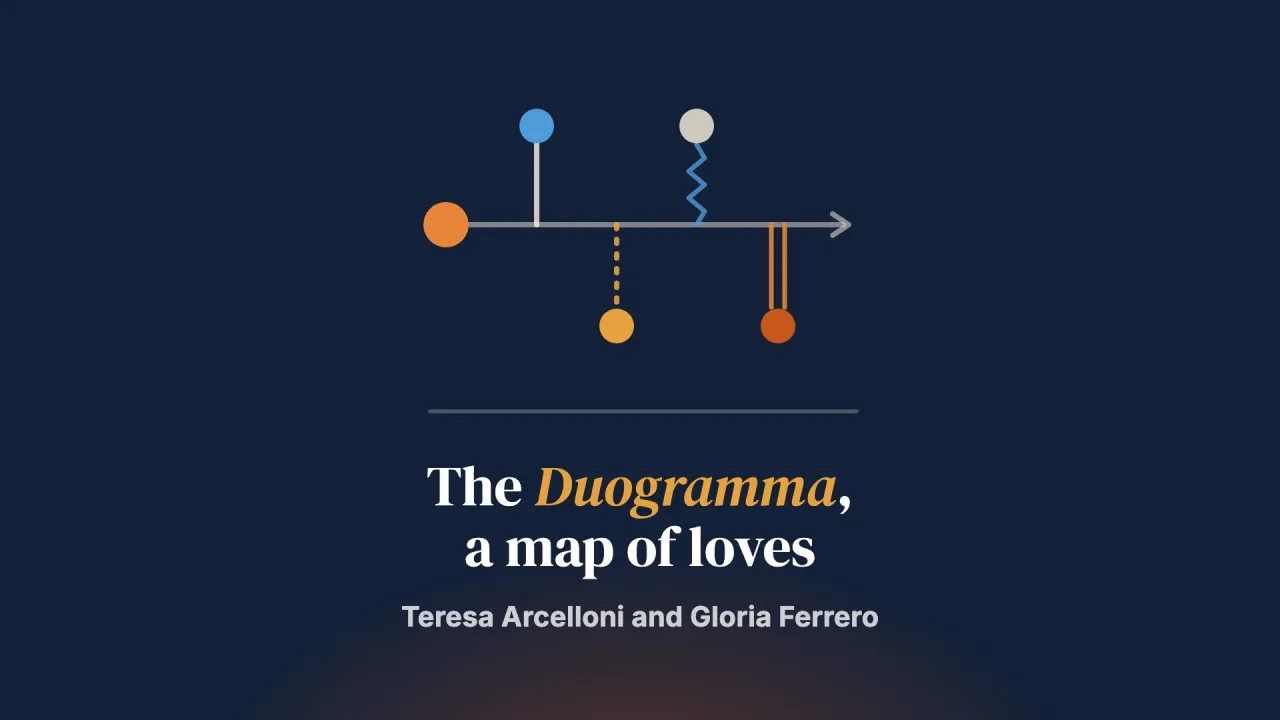
The Duogramma®: An innovative methodology for psychotherapy
A map of the couple relationships lived, desired or rejected since childhood: the Duogramma®, its graphic rules and its use in individual therapy.
 Scientific
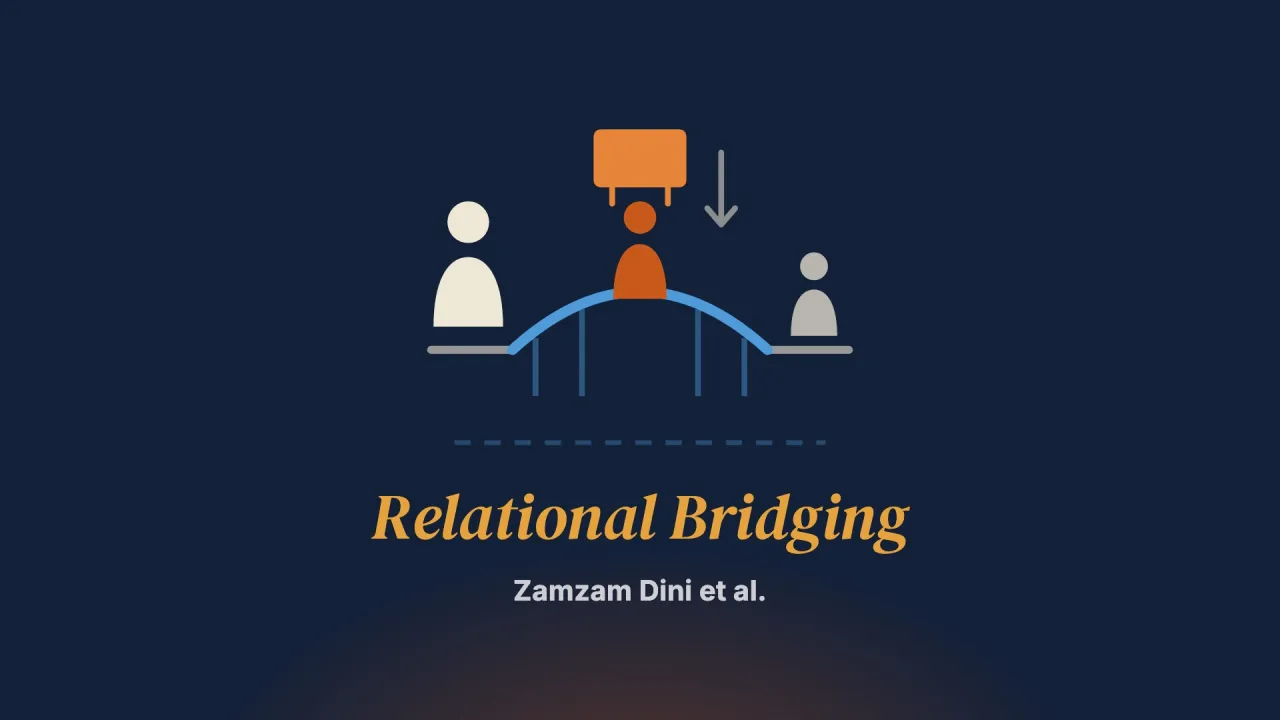
“Tired of Being Tired”: Intergenerational Trauma and Relational Bridging Among 1.5‐Generation East African Refugees
Sixteen Somali, Oromo and Ethiopian refugees who arrived as children describe their role as bridges between generations, between inherited silences and burdened resilience.
 Scientific
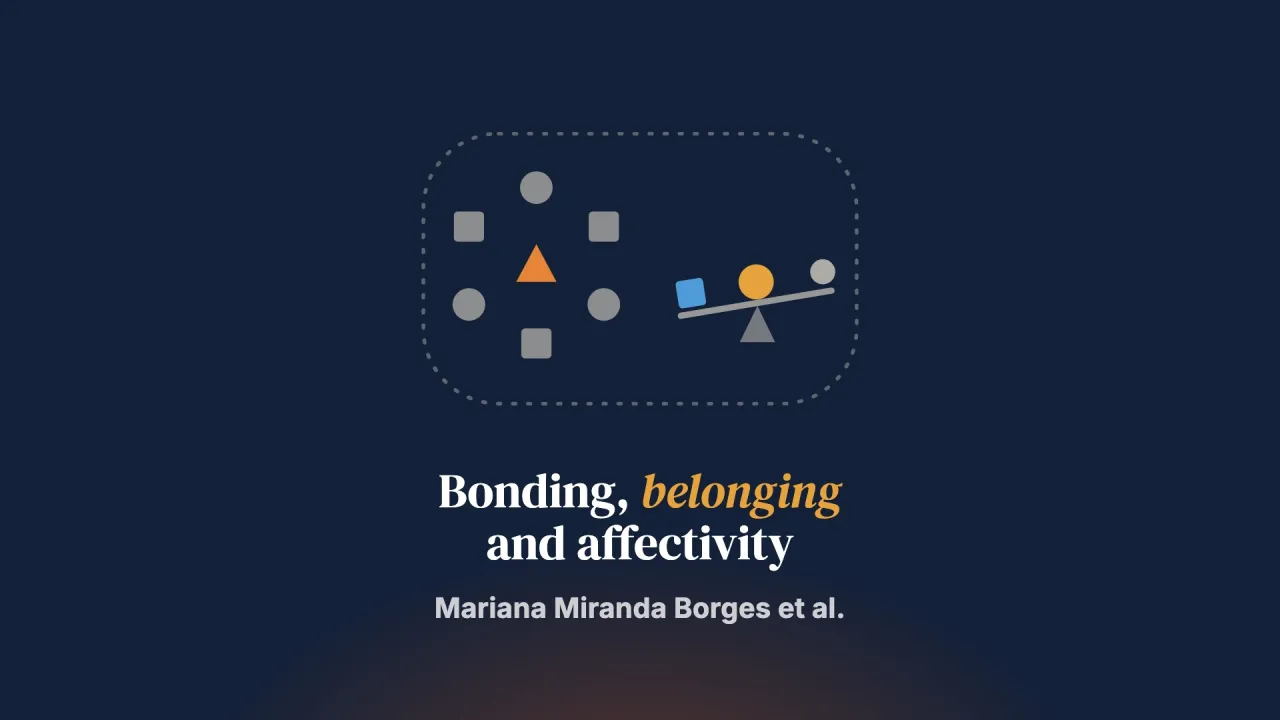
Bonding, belonging and affectivity in the family relationships of adolescents who have sexually offended
A qualitative study using family sculpture with families in which an adolescent committed intrafamilial sexual abuse: bonding, belonging and affectivity.
 Scientific
Redefining Grandparenting in Autism: A Qualitative Study of Emotional Experience and Role of Grandparents
Ten grandparents of autistic children describe grief, anger and hope, and a reinvented role: scaffolding, supporting their child, training, asking for help.
Comments 0
Log in to join the discussion. Log in