AI-assisted translation
This version was translated from Italian by Complexe Systémique with the help of artificial intelligence. In case of doubt, the original version prevails.
Connessioni · Adolescence
The systemic multicontextual lens and adolescent distress
Self-harm, child-to-parent violence, bullying: when therapists face adolescent violence, their fear and anger can echo those of the school and the services. Chiara La Barbera and Pier Francesco Sannasardo propose a “systemic multicontextual lens”: stepping out of the therapy room and sharing with teachers not only hypotheses but also one’s own emotions. The story of Aki, aged 17, illustrates the approach.
Unofficial English translation. This article is a translation of La lente multicontestuale sistemica e il disagio degli adolescenti, by Chiara La Barbera and Pier Francesco Sannasardo, published in Connessioni (Centro Milanese di Terapia della Famiglia), new series, no. 13 (2023), under a CC BY 4.0 licence. Translated by Complexe Systémique in November 2026 with the help of artificial intelligence: the original Italian text has been translated into English and reformatted, which constitutes a modification of the work under the terms of the licence. The paragraphs and subheadings are those of the journal; quotations are translated from the Italian; two Italian school arrangements (PDP, carriera alias) are explained in brackets; the gender markers the source uses for Aki are kept as they are, wherever English allows. This translation was made neither by the authors nor by the journal, who are not responsible for its content or for any errors. The original version prevails.
It is as if, beyond the one-way mirror of the therapy room, a wider pane of glass were opening, transparent, allowing each professional involved to take part, from their own context, in the clinical interaction.
Chiara La Barbera, Pier Francesco Sannasardo
In our clinical practice we are witnessing a proliferation of different forms of violence among adolescents, directed at others and at the self. Understanding the phenomenon of violence in adolescence requires the therapist to take a position of curiosity and respect, within an epistemology of complexity that fosters a better process of reflexivity, hypothesizing and emotional connection (Bertrando P. 2014).
The forms of violence we most often encounter in therapy with adolescents are violence directed at others, such as peer violence or child-to-parent violence, and violence directed at the self, such as self-cutting, suicide attempts, attacks on the body and promiscuous sexual behaviour.
One of the most frequent initial difficulties we meet when we address the theme of violence in adolescence is the activation of predominantly defensive emotions, aimed at safeguarding the integrity of the therapist’s Self: fear, anger, the need for control. Managing these emotions is the precondition for helping the family system and the other systems revolving around the adolescent to evolve, and for avoiding attitudes of collusion with the defensive emotions the therapist comes into contact with, as do the other systems confronted with violence in adolescence.
To gain quicker access to emotional resonances oriented towards acceptance and reflexivity, we have identified, on the one hand, procedures internal to the traditional therapy room – first-level procedures – and, on the other, procedures external to the traditional setting – second-level procedures – which involve the other systems the adolescent encounters. By first-level procedures we mean those inspired by the premises of curiosity and respect for family systems, and therefore work as a therapeutic couple, the use of supervision and intervision, the use of the team behind the mirror, and the reflecting team. Each of these tools makes it possible to activate a broader and more effective digestive apparatus for the emotional field generated by the encounter with violence, allowing other emotions to emerge that are better able to foster processes of acceptance and understanding. The basic idea is that it is not useful to handle alone clinical cases that are generally complex, such as those in which violence emerges in its most diverse forms; in this sense, clinicians should overcome any form of omnipotence and understand that they need to activate protective systems that facilitate mentalization, in order to improve their own reflexivity. So far we are following the furrow traced by the founding fathers of the Milan Approach.
What we have called procedures external to the traditional therapy room, or second-level procedures, are inspired by the Batesonian concept of the therapeutic mind (Bateson G. 1984), which provides for meeting the other relational systems the adolescent refers to (school, social services, judicial systems, etc.), to which are communicated, and with which are shared, both the aspects linked to understanding the violent phenomenon in a relational dimension and the emotional aspects progressively registered by the therapists in the stages of treatment with the adolescent and their family. It is here, in the alliance with the other systems revolving around the adolescent, that a roped party of care can be formed, always within an intersystemic reactivation of the system of cooperation between subsystems.
We are speaking of what we have called the “systemic multicontextual lens”, which, by going beyond the perimeter of the therapy room, makes it possible to bring into focus and value all the actions the clinician carries out in the other contexts that contribute to change in the family and in theories about violence (Barbetta P., Telfener U., eds., 2019). It is as if, beyond the one-way mirror of the therapy room, a wider pane of glass were opening, transparent, allowing each professional involved to take part, from their own context, in the clinical interaction, drawing ideas for their own actions from it and at the same time offering food for thought to the psychotherapeutic context. The perspective we propose therefore entails a complexification of the traditional concept of setting, which is no longer limited to the space of therapist–family interaction; it gives way to the settings of the multiple contextual levels simultaneously engaged in the same case. The therapeutic mind, understood as a “mind that cares” (Bateson, 1976), can no longer be pictured only within a single specific context of encounter or treatment, but is generated “between” the different contexts of care, education and control that interact with the same system targeted by the intervention. The wandering therapist leaves the therapy room and goes towards the other systems, which in turn have the possibility of seeing what happens in the therapy room through the clinician’s account, which makes the walls of the traditional setting transparent.
The therapist tends to coordinate the various premises and linear explanations of the different contexts, without judging them, and indeed often using them, especially in the initial phase, to create alliances and use a common language, in the awareness that over time this may help to generate a reflexive, generative and circular effect on these very premises. Reflexivity among the various systems is activated only if an alliance is created among all the systems, increasing each one’s level of understanding and respecting everyone’s roles and functions. The therapist therefore does not merely seek an alliance with the family system, but extends the search for alliance to all the systems that interact with the family. Only a high level of coordination–alliance–cooperation with the school, judicial and/or health and social care system can facilitate access to change.
As we have stressed, the systemic premises that facilitate both the internal, or first-level, procedures and the external, or second-level, procedures can be identified in the therapist’s posture of “Curiosity” and “Respect” (Cecchin, 1997). “Curiosity” as a posture attentive to the uniqueness of the story, never judgemental or directive, which allows us not to stop at the first plausible narrative reconstruction but to explore how, from other vantage points and punctuations, different stories can develop. “Respect” as a position opposed to the classifying/judging one, which does not look for errors in family relationships but for coherences in systems, perhaps by shifting the analysis to the logical level of observation. Respect, originally directed at family contexts, must be extended to all social systems, so that alliance and cooperation are activated more easily. In keeping with G. Cecchin’s thinking, if therapists treat social, health, educational and family systems with respect, they will more easily be able to question their own prejudices; if instead therapists accuse these same systems of being wrong, the systems will go on defending their own view of the world (Cecchin G, Apolloni T. 2003).
When violence is encountered, the capacity to mentalize is greatly reduced, even in very experienced institutional services. Reflective capacity is usually activated through conversational actions that the therapists initiate with each of the contexts involved, fostering a progressive coordination of meanings and a progressive making explicit of emotional aspects, in the therapist and in the other systems, with regard to how violence is read and to the question of control.
Our idea is that recognizing and naming the emotions felt by therapists in the encounter with violence facilitates the same work of recognition not only in the members of the family system but also in the workers of the other services, who feel more entitled to feel and name their own emotions and can therefore recognize their own role in setting off certain actions (for example, closing down), sometimes only loosely connected with the needs of the adolescent and their family but answering their own defensive emotional needs.
It is therefore a matter of applying the traditional practice of Self-Disclosure not only to the traditional setting with the adolescent and their family, but also to the setting that the systemic multicontextual lens makes it possible to extend to the other systems confronted with the same violent adolescent, most often the school.
This is how the practice of Systemic Self-Disclosure is born, in which the therapist shares, for example with the teacher, not only the three-generational hypotheses on the construction of the violent behaviour formulated up to then in the traditional therapy room, but first and foremost the emotional impact activated in the therapist who meets violence.
The mutual comparison of emotional experience facilitates the restoration of mentalization (Fonagy P., Target M. 2001), which should above all take place in the systems of care, sometimes crushed by the effects of violence. In particular, legitimizing the defensive emotions felt, for example, by the teacher, through the therapist’s analogous making explicit of the initial defences experienced in therapy, can allow the teaching staff involved to attune subsequently to other emotions underlying, for example, fear and anger, such as tenderness and compassion; these latter are the emotions that the therapist, too, may have come into contact with in a phase following the first emotional impact of violence, that is, after having built a hypothesis on the functioning of that adolescent and their family. This becomes the precondition for activating the alliance between psychotherapy context and school, teacher and adolescent pupil, therapist, adolescent and family.
Whereas the most common meaning of Self-Disclosure refers to the “empathic movement that starts from an introspective attention to the therapist’s familial self” (Berrini R., Vannotti M., 2013), who communicates this personal resonance to the family system, Systemic Self-Disclosure refers to the therapist’s communication, to the violent adolescent’s teacher, of the emotions activated in the therapist within the therapist–family system. In our view, this operation meets the same “criteria of authenticity and of opening oneself to the world, to the other” that characterize a traditional framing of self-disclosure, but transfers them outside the traditional therapy setting, into a dimension of the therapeutic role that is no longer confined to the room where the family is met.
Making the panes of the traditional family psychotherapy setting transparent to the eyes of these adults, thus overcoming the limitation of the one-way mirror, allows a conversation that is less unbalanced, less asymmetrical and closer to a plane of reciprocity among the various adults concerned with the same story from different contexts and roles.
What then happens in the meeting between therapist and teacher will be brought back, circularly, into the therapy room with the adolescent and the family, in a process of co-construction not only of the cognitive aspects of the phenomenon of violence but also of its emotional aspects.
Clinical case
Aki, still registered as Chiara, is 17 and in the fourth year of a liceo (upper secondary school). From the age of 12, Aki/Chiara begins to show anxious and depressive symptoms, for which the parents, over the following three years, seek consultations with two psychotherapists and two psychiatrists, who diagnose an anxiety disorder, panic attacks and depressed mood. The two psychiatrists will also prescribe medication consistent with the diagnosis. Aki/Chiara will not talk about gender dysphoria, because no questions will be asked in that area, nor about having been bullied throughout middle school, again, by Aki/Chiara’s own account, because nobody will ever ask. In the first year of the liceo, at a moment of deep tension, Aki/Chiara will confide to the parents a lack of identification with this body and an inability to recognize oneself in a female body. At first the parents will refuse to call him by the male name he asks to be called by and will not accept his dysphoria, and this is when the first forms of child-to-parent violence by Aki/Chiara towards the parents will begin, together with ever greater withdrawal and isolation within the peer group at school. “It isn’t easy for me to make friends, I feel different from the others and I am, when I meet new people I don’t know how to present myself. My parents have always underestimated my dysphoria, thinking it was something temporary, and they have never managed to understand how I feel. For me this is a form of lack of interest in me on their part. My classmates now know about my dysphoria but I’m still isolated from the group. I’ve never talked about it with my teachers, I don’t know what they’ve understood about me”.
The clinical work with Aki/Chiara developed through several phases. The first action was to work on the meaning of the previous psychiatric diagnosis and on accompaniment towards a new psychiatric system, with which a connection was made, building the premise for integrated work.
With regard to the school context, steps were taken with the class council to draw up a PDP (piano didattico personalizzato, personalized learning plan) on grounds of emotional fragility, following a discussion with the teaching staff in which the initial emotions felt by the therapist who had encountered Aki/Chiara’s pain were made explicit. “I have never felt so much anger and contempt towards parents. I felt his deep loneliness and his not feeling understood, as well as his complete lack of care for himself. I felt fear for his deep depressive state, but also his desire to be recognized”.
At the same time, as agreed with Aki/Chiara’s family system, the therapist brings into the school context some provisional hypotheses about the relational psychodynamics sustaining the adolescent’s forms of violence.
The teachers, by then legitimized in their initial emotions of fear, dismay and difficulty in managing the dynamics within the class group, following the discussion with the clinician, decided to set up classroom interventions promoting prosocial and cooperative behaviour, and to move forward with issues connected with the carriera alias (“alias career”, which allows the use of the chosen name) within the school.
Aki/Chiara’s parents, after the first sessions of the therapy, decided to accompany their son through the gender transition process and to the first medical consultations, but asked him to wait until he turned eighteen so as to share responsibility for the choice.
All these steps were always made explicit to Aki/Chiara in the individual setting and to the parents in the parallel parental setting.
P: “With the two previous therapists I couldn’t open up, I’m a difficult person, that much I’ve understood, I’m the one who has something wrong”.
T: “Why do you think this relationship of trust has formed between us?”
P: “I don’t know, maybe you have something the others don’t, maybe you’re better at it.”
TP: “If I weren’t better at it and there had been some other aspect that allowed us to create this relationship, what might it be?”
P: “Well, maybe you always talked to me about your emotions, about how you see me, and with you I felt recognized. You never kept any secret and you always told me everything you felt, saw and said when you met my parents and my teachers”.
Conclusions
To sum up, we can state that the therapist’s initial emotions in the encounter with violence, such as anger, disgust, fear and helplessness, are better managed thanks to the presence of a co-therapist, to the work of supervision and intervision, to the posture of respect and curiosity towards systems, and to the three-generational maps that restore coherence to violent behaviour through the co-construction of a systemic hypothesis. In turn, the construction of a systemic hypothesis makes accessible, to therapists, family members and workers in the other contexts, those feelings of tenderness and being moved that are the emotions for activating protection and closeness. Finally, if the emotions of tenderness spread to all the adults involved in the minor’s growth project, such as the teachers, it is much more likely that mutual trust will be activated and that the adolescent will recover an intersystemic mobility (Baldascini L., 2009), overcoming the developmental block.
Complexe Systémique: key points
The article rests on one strong idea: when therapists face adolescent violence, their defensive emotions (fear, anger, the need for control) are not noise to be eliminated but material to be shared, including outside the therapy room. “Systemic Self-Disclosure” extends the Batesonian idea of a therapeutic mind distributed across contexts: the school stops being a backdrop and becomes a partner in the roped party of care, and the young person’s trust grows out of this transparency, as the final dialogue shows. The text is short: it documents neither how the case evolved nor the limits of confidentiality in these exchanges, beyond the family’s agreement, and the question of what can be told to the school without exposing the adolescent deserves to be asked anew in each situation. Note too that the vignette always calls Aki by a double name, “Aki/Chiara”, and alternates grammatical genders: with a trans young person, the chosen name is part of the very recognition the article argues for. Read alongside the article on resonance and the therapist’s emotions, and the study of parental support for transgender adolescents.
References
Bateson G. (1984) “Mente e natura”, Adelphi, Milano
Bateson G. (1976) “Verso un’ecologia della mente”, Adelphi, Milano
Barbetta P., Telfener U. (a cura di), (2019) “Complessità e psicoterapia. L’eredità di Boscolo e Cecchin”, Raffaello Cortina, Milano
Baldascini L. (a cura di), (2009) ”Le voci dell’adolescenza”, Franco Angeli, Milano
Berrini R., Vannotti M. (2013) “Self-disclosure e autenticità”, Terapia Familiare n° 103, F. Angeli, Milano
Bertrando P. (2014)“Il terapeuta e le emozioni. Un modello sistemico-dialogico”, Raffaello Cortina, Milano
Cecchin G., Lane G., Ray W.A. (1997) “Verità e pregiudizi. Un approccio sistemico alla psicoterapia”, Raffaello Cortina, Milano
Cecchin G., Apolloni T. (2003) “Idee perfette”, Franco Angeli, Milano
Fonagy P., Target M. (2001) “Attaccamento e funzione riflessiva”, Raffaello Cortina, Milano.
Unofficial English translation of La lente multicontestuale sistemica e il disagio degli adolescenti, by Chiara La Barbera and Pier Francesco Sannasardo, Connessioni, new series, no. 13 (2023), under a CC BY 4.0 licence. Translation (with the help of artificial intelligence) and layout: Complexe Systémique, November 2026 — the work has been modified under the terms of the licence. Neither the authors nor the journal are responsible for this translation; the original version prevails.
Unofficial English translation of “La lente multicontestuale sistemica e il disagio degli adolescenti”, published in Connessioni (2023) under a CC BY 4.0 licence. Made by Complexe Systémique with the help of artificial intelligence, it does not come from the authors or the journal, who are not responsible for its content; the original version prevails.
Read the original articleHow to cite this article
La Barbera, C., et Sannasardo, P. F. (2023). The systemic multicontextual lens and adolescent distress (Complexe Systémique, Trans.). Complexe Systémique. https://app.complexe-systemique.com/en_GB/articles/the-systemic-multicontextual-lens-and-adolescent-distress (Original work published in 2023 in Connessioni, nuova serie, n. 13 (2023); republished in 2023 by Connessioni, https://connessioni.cmtf.it/la-lente-multicontestuale-sistemica-e-il-disagio-degli-adolescenti/)
To go further
- Resonance in systemic therapy: the therapist's emotions as alliesTurning emotions into a resource.
- “How in God’s Name Are We Going to Navigate This?”: Parent Support for Transgender AdolescentsParents facing a transition.
- Child-to-parent violence: an emerging phenomenonDefining child-to-parent violence.
Related training courses
 Short course
The suicidal crisis in adolescents and young adults
Training: assessing and supporting the suicidal crisis in adolescents and young adults. Clinical landmarks and systemic tools. In French.
 Certifying course
Training in Systemic Therapy and Interventions – Cycle 1
Certifying training cycle in systemic therapy and interventions – year 1. Courses, supervision and practice, aligned with EFTA/SFTF. In French.
 Certifying course
Training in Systemic Therapy and Interventions – Cycle 2
Certifying training cycle in systemic therapy and interventions – year 2. Clinical complexity, supervision and practice. EFTA/SFTF aligned. In French.
 Certifying course
Training in Systemic Therapy and Interventions – Cycle 3
Certifying training cycle in systemic therapy and interventions – year 3. In-depth intervention, supervision and practice. EFTA/SFTF aligned. In French.
Related articles
 Scientific
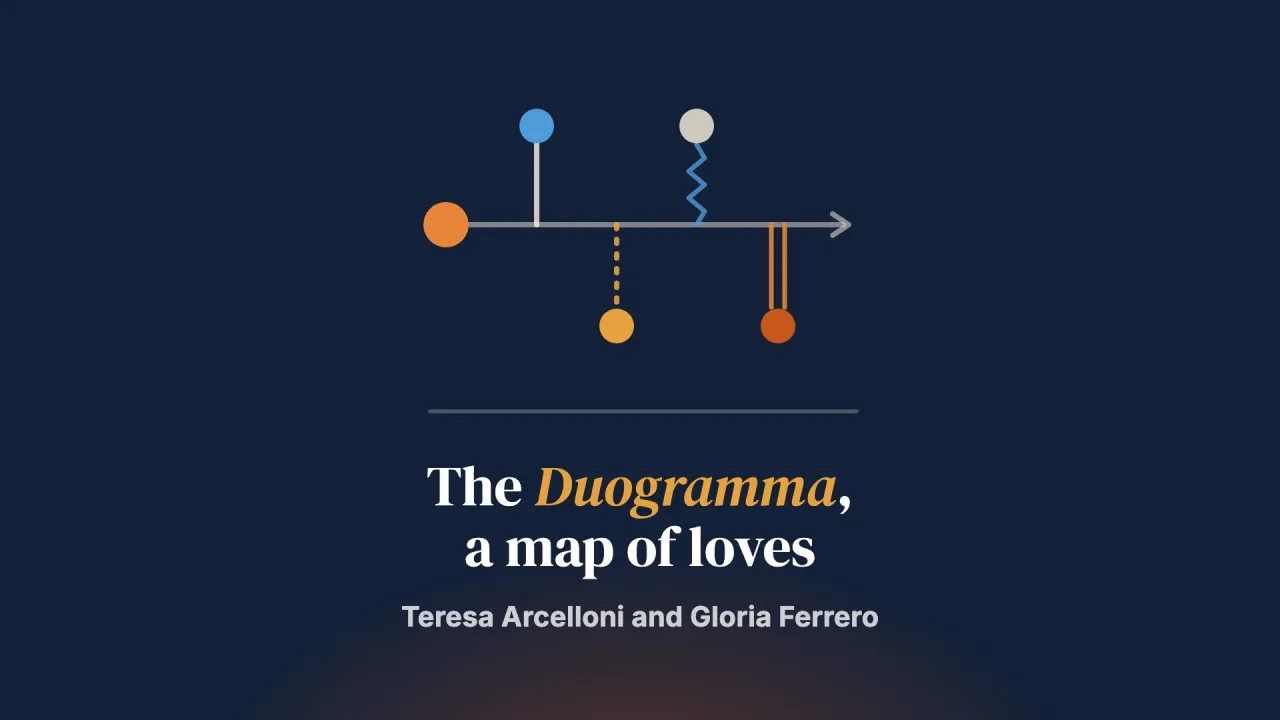
The Duogramma®: An innovative methodology for psychotherapy
A map of the couple relationships lived, desired or rejected since childhood: the Duogramma®, its graphic rules and its use in individual therapy.
 Blog
Challenging in therapy: What a patient taught me
A couples therapy session led me to reflect on confrontation, authenticity and resonance: how to address difficult behaviour without invalidating the person.
 Scientific
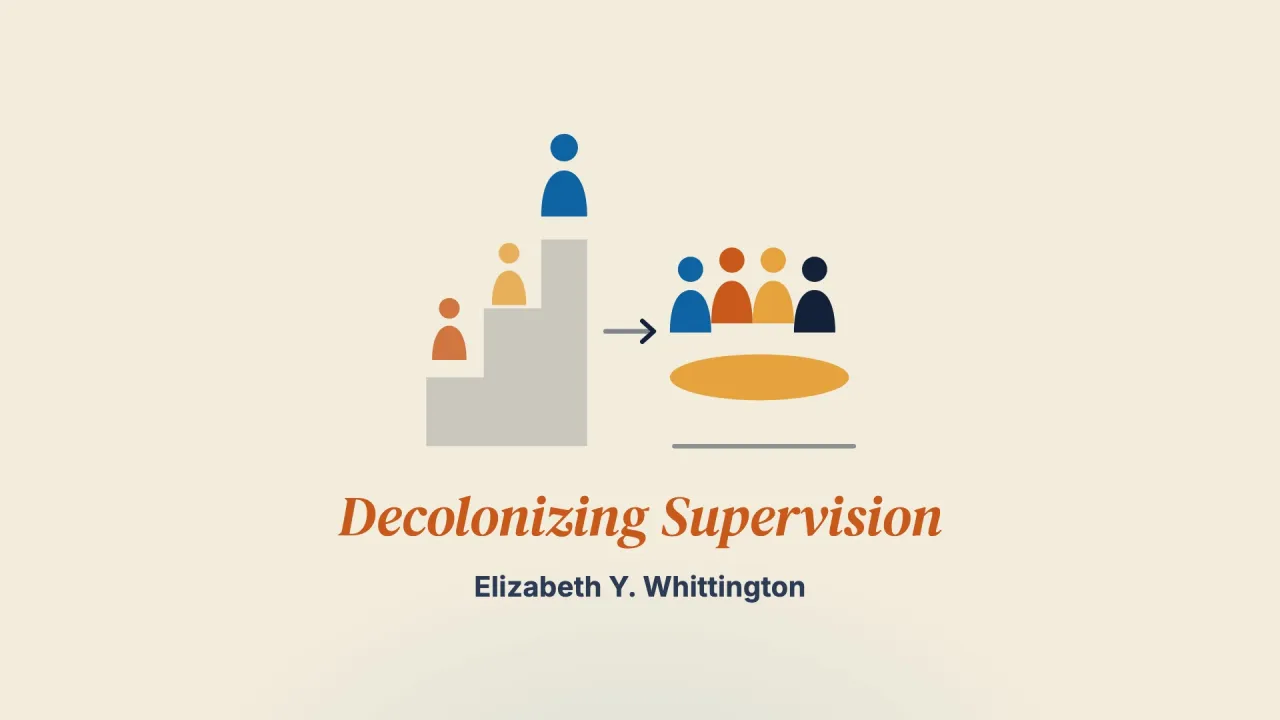
Decolonizing Supervision: A Critical Race and Queer Theory Framework for Marriage and Family Therapy
Supervision is not neutral: a framework drawing on Critical Race Theory and Queer Theory to name and share power in supervision, with a vignette.
 Scientific
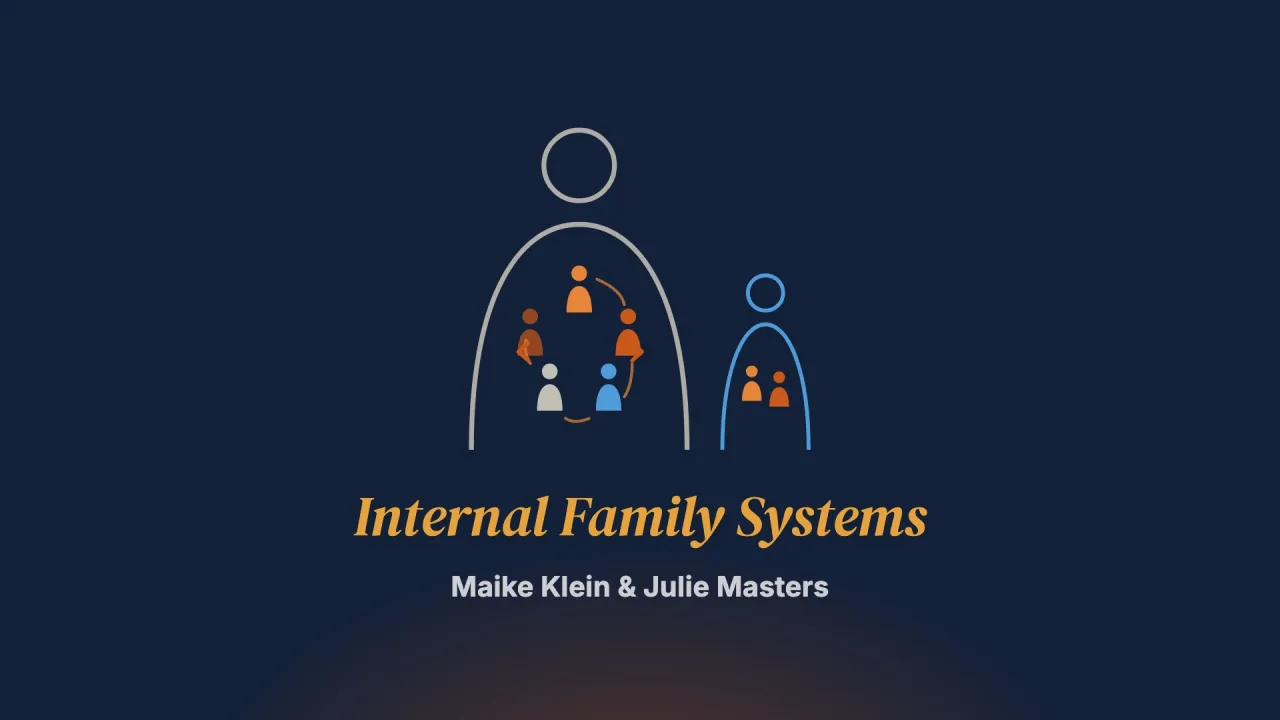
Internal Family Systems Therapy as Part of the ‘Family of Systemic Therapies’: A Critical Exploration of Systemic Practice in the Intra-Personal Domain
Does IFS belong to the family of systemic therapies? A critical exploration, grounded in a family court vignette, of systemic work with “parts”.
Comments 0
Log in to join the discussion. Log in