AI-assisted translation
This version was translated from French by Complexe Systémique with the help of artificial intelligence. In case of doubt, the original version prevails.
The profession · Supervision
Supervision in systemic therapy
In the field of systemic therapy, supervision holds a central place. Whether we are therapists, psychologists or social workers, some complex or stagnant situations put our ability to move forward in the accompaniment to the test. It is precisely in those moments that supervision becomes an essential lever for reflecting on one’s practice and strengthening one’s professional effectiveness.
What is supervision in systemic therapy?
Supervision is a process of professional accompaniment that allows practitioners to step back from their interventions, refine their thinking and gain new perspectives when facing delicate situations. In systemic therapy, where great importance is given to interactions and relational dynamics, this reflective work becomes crucial.
The interview with Ivy Daure, recorded on the occasion of the release of the collective book on supervision, explores in depth the different types of supervision: co-vision, intravision, self-supervision, group supervision, remote or individual. Each of these methods offers specific advantages depending on the practitioner’s needs and the setting in which they work.
A precious book for professionals
The book Ivy Daure presents in this interview does not merely offer theoretical concepts: it draws on clinical cases and proposes concrete tools for supervisors and for professionals engaged in supervision or practice analysis. A genuine resource for those who wish to deepen their systemic approach within a supervised frame.
In conclusion, supervision in systemic therapy is much more than occasional support. It is a true school of reflection, questioning and progress for care professionals, helping them make their practices evolve within a safe and stimulating frame.
To dive into the inner workings of systemic supervision, the full interview with Ivy Daure — in French — can be watched below.
How to cite this article
Besse, J. (2024, October 20). Supervision in systemic therapy. Complexe Systémique. https://app.complexe-systemique.com/en_GB/articles/supervision-in-systemic-therapy
To go further
- 5 therapist mistakes to avoidFive therapist mistakes to avoid, drawn from an owned-up practice and the accounts of experienced practitioners.
- The 6 mistakes that can harm our clients without our knowingSix mistakes that can harm our clients without our knowing — food for sharpening one's clinical vigilance.
- Neutrality in therapy: deconstructing a myth?Is the therapist's neutrality really attainable? An exchange with Charlie Crettenand that shakes up the myth.
Related training courses
 Certifying course
Training in Systemic Therapy and Interventions – Cycle 1
Certifying training cycle in systemic therapy and interventions – year 1. Courses, supervision and practice, aligned with EFTA/SFTF. In French.
 Certifying course
Training in Systemic Therapy and Interventions – Cycle 2
Certifying training cycle in systemic therapy and interventions – year 2. Clinical complexity, supervision and practice. EFTA/SFTF aligned. In French.
 Certifying course
Training in Systemic Therapy and Interventions – Cycle 3
Certifying training cycle in systemic therapy and interventions – year 3. In-depth intervention, supervision and practice. EFTA/SFTF aligned. In French.
 Certifying course
Training in Systemic Therapy and Interventions – Cycle 4
Certifying training cycle in systemic therapy and interventions – year 4. Clinical integration, supervision and certification. EFTA/SFTF. In French.
Related articles
 Scientific
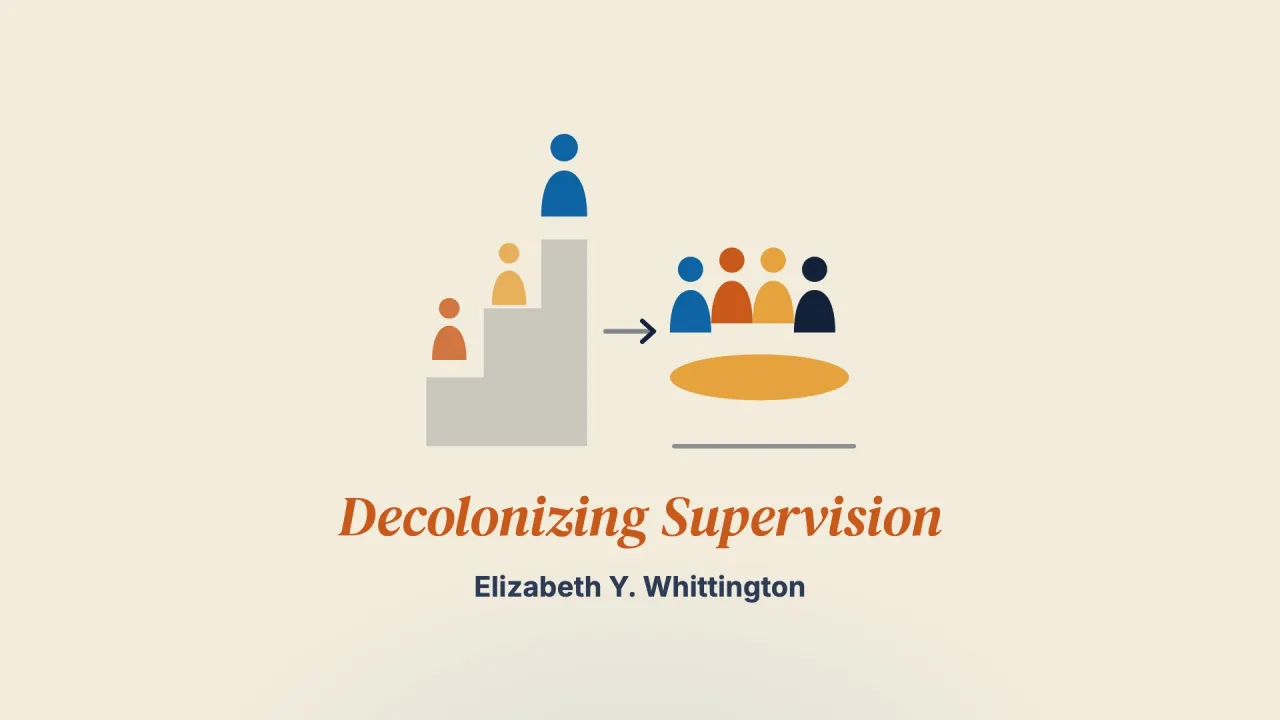
 Decolonizing Supervision: A Critical Race and Queer Theory Framework for Marriage and Family Therapy
Supervision is not neutral: a framework drawing on Critical Race Theory and Queer Theory to name and share power in supervision, with a vignette.
 Scientific
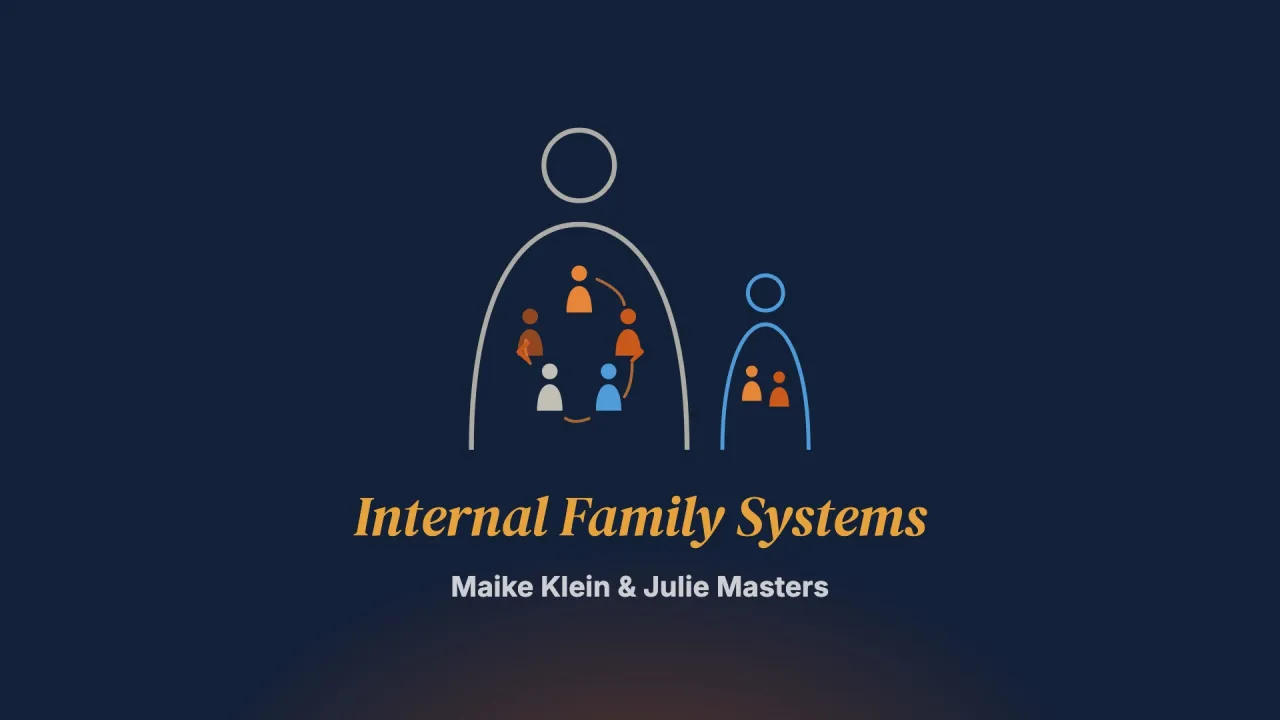
 Internal Family Systems Therapy as Part of the ‘Family of Systemic Therapies’: A Critical Exploration of Systemic Practice in the Intra-Personal Domain
Does IFS belong to the family of systemic therapies? A critical exploration, grounded in a family court vignette, of systemic work with “parts”.
 Scientific
 Are You Qualified, ChatGPT? Examining Clinical Skills and Competencies of ChatGPT in Delivering Systemic Interventions
A GPT trained in systemic interventions, blind-rated by twelve clinical supervisors: a rushed, dominating novice, whom the client nonetheless loved.
 Scientific
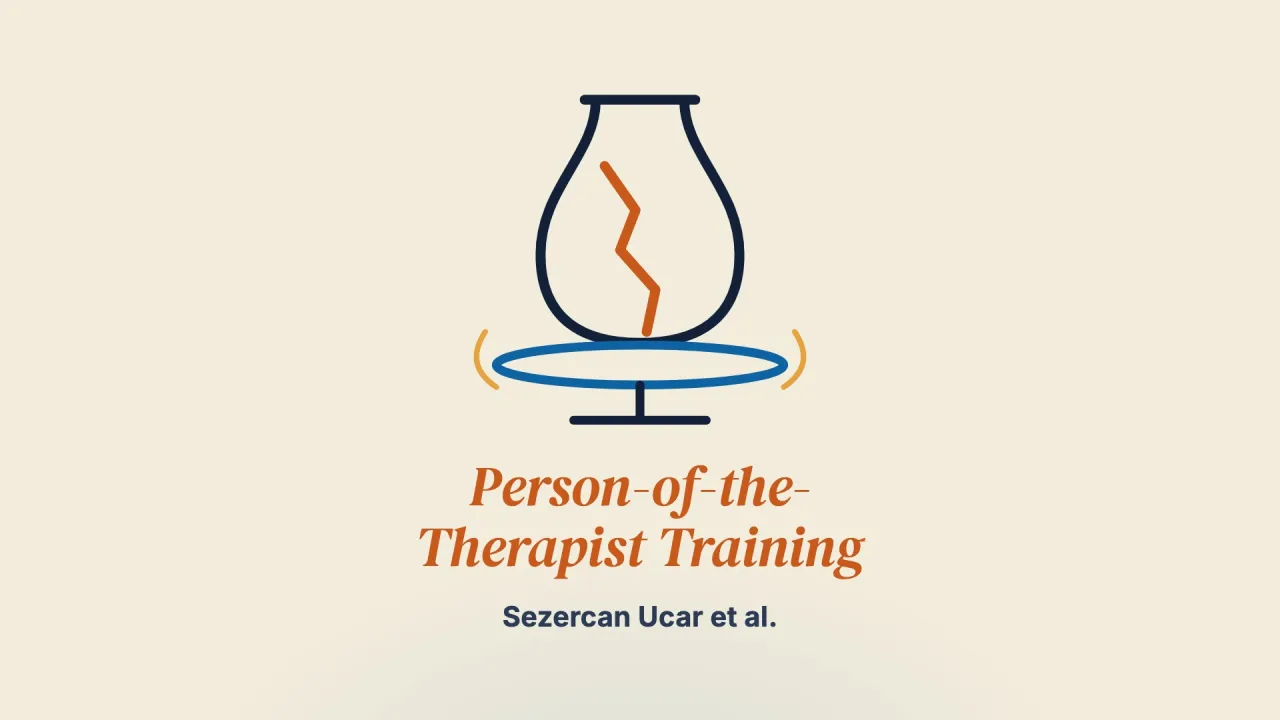
 Shaping the Therapist, Shaping the Field: A Narrative Review of the Person‐of‐the‐Therapist Training (POTT) Approach
Thirty sources, three periods: the history of Harry J. Aponte’s training, which turns the therapist’s wounds and “signature theme” into a clinical tool.
Comments 0
Log in to join the discussion. Log in